
Cancer
Fostering discovery on the cutting-edge of cancer research
Most people will face cancer sometime in their lives, either through the diagnosis of a loved one or through their own experience. Thanks to research and the dedicated advocacy of people around the world, the past few decades have witnessed a revolution in our ability to prevent and combat cancer. But these efforts are far from over.
VAI scientists are hard at work studying specific cancers, including leukemia, pancreatic cancer and breast cancer, to understand how and why these cancers begin and progress with the goal of developing new ways to prevent, diagnose and treat these devastating diseases. They also use high-tech methods to understand the similarities and differences between and within cancer types, gaining knowledge that may be used to develop more precise and more effective therapies.
Our quest against cancer goes beyond the lab through the Van Andel Institute–Stand Up To Cancer® (SU2C) Epigenetics Dream Team, a collaborative team of scientists, physicians and organizations who work together to move promising new treatments into clinical trials. This innovative approach leverages the resources and expertise of leading experts and institutions toward a common goal — new, life-changing treatment strategies that give people more healthier years.
By the numbers
Cancer
1.7M
The number of new cancer cases in the U.S. in 2019*
19.2M
The number of new cancers cases globally in 2020**
15
Cancer clinical trials launched by the Van Andel Institute–Stand Up To Cancer Epigenetics Dream Team
VAI scientists who study cancer
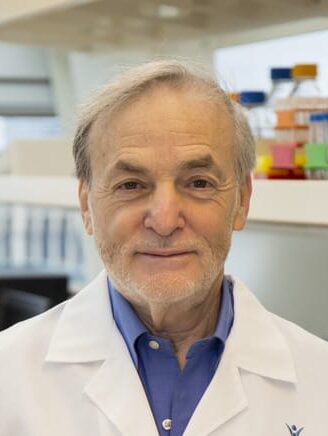
Stephen Baylin, M.D.
Director’s Scholar and Professor, Department of Epigenetics
Primary appointment: Johns Hopkins University
Biography
Dr. Stephen Baylin earned his M.D. from Duke University in Durham, N.C. in 1968 and completed his internship and first year of residency at the university. He then served as a staff associate at the National Institutes of Health’s National Heart and Lung Institute for two years before returning to Johns Hopkins to complete his residency and fellowship. He was appointed as an assistant professor of medicine at Johns Hopkins in 1974 and rose through the ranks, becoming a professor of oncology in 1986 and a professor of medicine in 1990. In 1991, he was appointed chief of the Tumor Biology Division and, the following year, was named as the associate director for research at the Johns Hopkins Oncology Center. He is currently Virginia and D.K. Ludwig Professor for Cancer Research in the Oncology Department and co-head of Cancer Biology at the Sidney Kimmel Comprehensive Cancer Center at Johns Hopkins.
Dr. Baylin has earned numerous prestigious honors, including the 2004 Investigator of the Year Award from NCI SPORE; the 2005 Shubitz Cancer Research Prize from the University of Chicago; and the 2009 Kirk A. Landon-AACR Prize for Basic and Translational Cancer Research, together with Van Andel Institute (VAI) Chief Scientific Officer Dr. Peter A. Jones. In 2011, Drs. Baylin and Jones were jointly awarded the American Cancer Society’s Medal of Honor. He was elected to the National Academy of Sciences in 2017.
He has authored or co-authored more than 450 publications and served as associate editor of Cancer Research. Dr. Baylin also served on the board of the American Association for Cancer Research Board of Directors from 2004 to 2007, and was the leader of the first SU2C Epigenetics Dream Team, launched in 2009.
He has received numerous honors and accolades, including the 2011 American Cancer Society Medal of Honor, which he shared with Dr. Peter A. Jones; election as a fellow of the American Association of Cancer Research Academy in 2014; and election as a member of the National Academy of Sciences in 2017.
In 2015, he accepted an appointment at VAI as co-leader of the VAI–SU2C Epigenetics Dream Team, which he leads with Dr. Jones, and as a professor in the Center for Epigenetics. In addition to his work at VAI, Dr. Baylin continues his work at Johns Hopkins

Clifford Cho, M.D.
Professor, Department of Cell Biology
Translational Cancer Immunology
Biography
Clifford S. Cho, M.D., is a cancer surgeon and scientist who studies the immune effects of focused ultrasound tumor treatment.
He holds appointments as chief medical officer of University of Michigan Health-West, professor in the Department of Cell Biology at Van Andel Institute and professor of surgery at the University of Michigan. Dr. Cho is an Honors graduate of Brown University and Alpha Omega Alpha graduate of Vanderbilt University School of Medicine. He completed his surgical residency training at University of Wisconsin, where he served as administrative chief resident. While there, he also completed a postdoctoral research fellowship in transplantation immunology. He conducted his surgical oncology fellowship training at Memorial Sloan-Kettering Cancer Center, where he served as administrative chief fellow and received the Kristen Ann Carr Fellowship.
He was subsequently appointed as a faculty member at University of Wisconsin School of Medicine and Public Health. He was later appointed chief of the Division of Surgical Oncology, promoted to associate professor (with tenure), and named the inaugural
Ronald and Patricia Kissinger Professor of Surgical Oncology. In 2016, the University of Michigan recruited him as the C. Gardner Child Professor of Surgery. He also served as chief of the Division of Hepatopancreatobiliary and Advanced Gastrointestinal Surgery, vice chair of Surgical Oncology, and executive director of the Cancer Network of West Michigan. In 2024, he was named chief medical officer of University of Michigan Health-West and appointed as a professor in Van Andel Institute’s Department of Cell Biology.
Dr. Cho’s clinical practice focuses on surgical and multidisciplinary management of liver and pancreatic cancer. He has been actively involved in the clinical development of histotripsy, a novel type of non-invasive cancer therapy that uses focused ultrasound to disrupt tumors. He recently served as co-principal investigator of the Hope4Liver national multicenter clinical trial, which demonstrated the safety and efficacy of histotripsy liver tumor treatment and led to FDA approval of histotripsy.
Dr. Cho is principal investigator of a National Cancer Institute-funded research laboratory that discovered the immunostimulatory effects of histotripsy and explores the effects of histotripsy treatment on the tumor microenvironment. As a professor at VAI, he aims to create a multi-institutional translational research center that explores and harnesses the unique immunotherapeutic implications of histotripsy.

Yvonne Fondufe-Mittendorf, Ph.D.
Interim Chair, Department of Cell Biology; Professor, Department of Epigenetics
Epigenetic Regulation and Environmental Impacts
Yvonne Fondufe-Mittendorf, Ph.D.
Interim Chair, Department of Cell Biology; Professor, Department of Epigenetics
Biography
Dr. Yvonne Fondufe-Mittendorf is an epigenetics expert with an interest in how environmental factors impact the epigenome and spur cancer development. She earned her bachelor’s and master’s degrees from University of Ibadan, Nigeria, and her Ph.D. in molecular genetics from Georg-August Universitaet, Germany. Following postdoctoral fellowships in the Jovin Lab at Max Planck Institute for Biophysical Chemistry, Germany, and the Widom Lab at Northwestern University, Dr. Fondufe-Mittendorf joined University of Kentucky as an assistant professor. She was promoted to full professor in 2021. She joined Van Andel Institute’s Department of Epigenetics as a professor in 2022. Her research blends epigenetics, toxicology, bioinformatics and medicine to understand how interactions with the environment, such as exposure to toxicants like arsenic, drive gene dysregulation and disease pathology. She and her groundbreaking research have been highlighted by American Society for Biochemistry and Molecular Biology, PLoS One Everyone, Onclive and the National Institute of Environmental Health Sciences’ Environmental Factor. She has earned multiple awards for her research and mentorship, including the National Institute of Health’s IDeA Thomas Maciag Award, University of Kentucky Research Professorship and recognition from University of Kentucky’s Chellgreen Center.
Professional Memberships
- American Society of Biochemistry and Molecular Biology
- Biophysical Society
- Epigenetics Society
- Society of Toxicology
- Epigenetics and Mutagenesis Society
- Editorial board, Scientific Reports
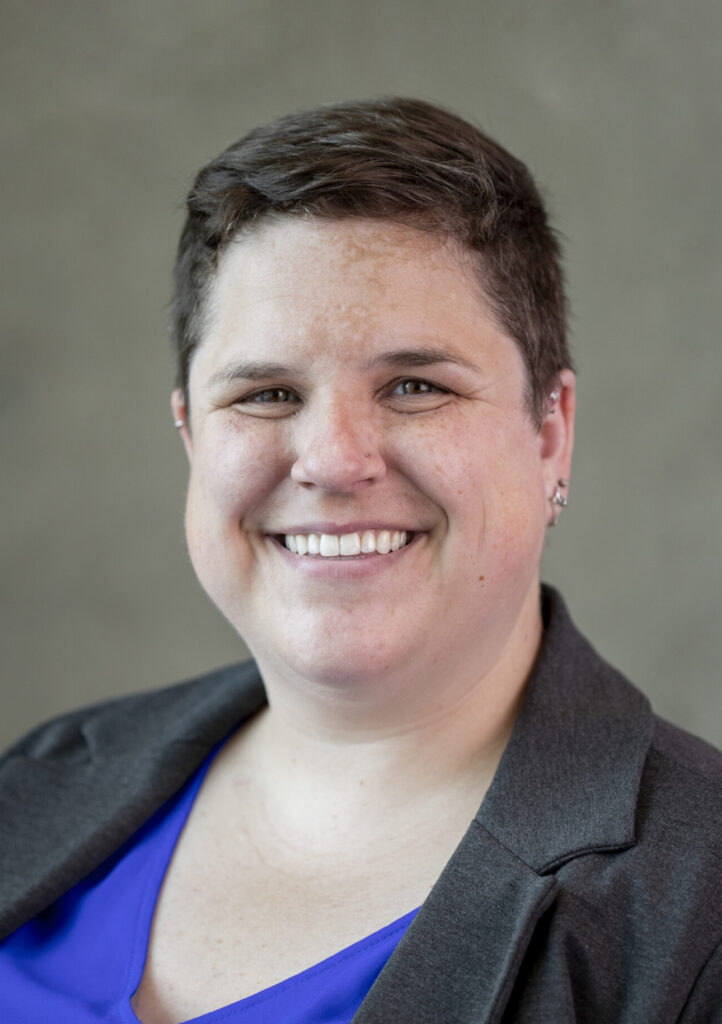
Stephanie Grainger, Ph.D.
Assistant Professor, Department of Cell Biology
Wnt Signaling in Hematopoietic Stem Cell Development and Cancer
Biography
Dr. Stephanie Grainger is an authority on the biological underpinnings of how stem cells develop, and how these processes can go awry during cancer. She earned her Ph.D. in Cellular and Molecular Medicine from the University of Ottawa, where she investigated the role of Cdx transcription factors in intestinal development. She then completed a postdoctoral fellowship in the labs of Dr. David Traver and Dr. Karl Willert at University of California, San Diego. Her research during this time sought to understand the role of Wnt signaling in hematopoietic stem cell development — work that she continued as an assistant professor at San Diego State University. During this time, she discovered a novel stage of hematopoietic stem cell development, which is driven by a specific Wnt cue. Furthermore, she discovered a novel mechanism of Wnt signal regulation. In 2021, Dr. Grainger joined Van Andel Institute’s Department of Cell Biology.
Professional Memberships
- Society for Developmental Biology
- American Heart Association
- International Society for Experimental Hematology
- American Society for Hematology
- American Society for Cell Biology

Brian Haab, Ph.D.
Professor, Department of Cell Biology
Pancreatic Cancer Identification Using Glycans
Biography
Dr. Haab obtained his Ph.D. in chemistry from the University of California at Berkeley in 1998. He then served as a postdoctoral fellow in the laboratory of Patrick Brown in the Department of Biochemistry at Stanford University. Dr. Haab joined VAI as a Special Program Investigator in May 2000, became a Scientific Investigator in 2004, and was promoted to Senior Scientific Investigator in 2007 and promoted to Professor in 2013. He recently served as Assistant Dean of Van Andel Institute Graduate School and as an adjunct professor in the Department of Biochemistry and Molecular Biology and the Genetics Program at Michigan State University.

H. Josh Jang, Ph.D.
Assistant Professor, Department of Cell Biology
Leveraging epigenetic and metabolic vulnerabilities to improve immunotherapy
Biography
Dr. H. Josh Jang investigates combining epigenetic therapies and immune checkpoint inhibitors to enhance the immune system’s ability to better fight cancer.
He earned his B.S. in health promotion and disease prevention from University of Southern California and his Ph.D. in molecular genetics and genomics from Washington University in St. Louis. During his graduate studies in the lab of Dr. Ting Wang, Dr. Jang concentrated on characterizing transposable elements’ contribution to oncogenic potential in cancer cell line models, as well as other projects that established and optimized targeted epigenetic technologies using CRISPR-Cas9 technology.
In 2020, Dr. Jang joined Van Andel Institute as a VAI Fellow under Drs. Peter A. Jones and Stephen B. Baylin. He has received several prestigious awards for his research including a K99/R00 Pathway to Independence grant and a SPORE Epigenetic Therapies: Career Enhancement Program Award, both from the National Cancer Institute.
Dr. Jang also serves as a reviewer for leading journals such as Nature Genetics, Nature Communications, Proceedings of the National Academy of Science and Genome Research, among others. In 2021, he was selected as a Forbeck Scholar and, in 2023, he chaired the Gordon Research Seminar for Cancer Genetics and Epigenetics.
In 2025, Dr. Jang joined Van Andel Institute’s Department of Cell Biology as an assistant professor. He leverages innovative -omics technologies, such as single-cell, spatial and long-read sequencing methods to interrogate how the tumor microenvironment responds to therapy.

Derek Janssens, Ph.D.
Assistant Professor, Department of Epigenetics
Epigenetic Regulation of Hematopoiesis and Leukemia
Biography
Dr. Derek Janssens develops novel genomics technologies to explore the epigenetic contributors to hematological cancers with the goal of informing improved diagnostics and therapies.
He earned his B.S. in biomedical sciences from Grand Valley State University and his Ph.D. in cellular and molecular biology from University of Michigan (mentor: Dr. Cheng-Yu Lee). His doctoral research described a genetically encoded circuit that controls rapid gene activation and cell fate commitment following asymmetric neural stem cell division.
He went on to do a postdoc with Dr. Steve Henikoff at the Fred Hutchinson Cancer Center and contributed to the development of the CUT&RUN and CUT&Tag methods, which enable in situ chromatin profiling in small samples and single cells. He leveraged this approach to map active and repressive regulomes in single cells in mixed-lineage leukemia.
In 2024, he joined Van Andel Institute’s Department of Epigenetics as an assistant professor.
He has earned several awards for his research and scholarship including the Hartwell Foundation Postdoctoral Fellowship, a K22 Transition to Independence Award from the National Cancer Institute and the Forbeck Scholars Award.

Russell Jones, Ph.D.
Chair and Professor, Department of Metabolism and Nutritional Programming
Cancer and Immunometabolism
Russell Jones, Ph.D.
Chair and Professor, Department of Metabolism and Nutritional Programming
Biography
Dr. Russell Jones is a leading expert in the study of cancer metabolism and immunology. As professor and program lead of the Metabolic and Nutritional Programming group at Van Andel Research Institute, his work seeks to uncover how cancer cells fuel themselves through metabolic interactions, with the ultimate goal of developing new cancer therapeutics.
He earned his B.Sc. with honors in Biochemistry and his Ph.D. in Medical Biophysics from the University of Toronto, where he studied in the lab of Dr. Pamela S. Ohashi. After completing a postdoctoral fellowship in the lab of Dr. Craig B. Thompson at University of Pennsylvania in 2008, he accepted a position as an assistant professor in the Department of Physiology and Goodman Cancer Research Centre at McGill University. He was subsequently promoted to associate professor in 2014 and, in 2017, also took on the role of director of the Metabolomics Core Facility at Goodman Cancer Research Centre. He joined Van Andel Research Institute’s Center for Cancer and Cell Biology in 2018 as program lead and a founding member of its Metabolic and Nutritional Programming group. Dr. Jones has earned numerous accolades throughout his career, including a New Investigator Award from the Canadian Institutes of Health Research, the Bernard and Francine Dorval Prize from the Canadian Cancer Society, and several teaching awards at McGill University. He was named a William Dawson Scholar in 2014 and elected to the College of New Scholars, Artists and Scientists of the Royal Society of Canada in 2015. He also serves as a reviewer for a number of journals, including Cell Metabolism, Immunity, Nature, Nature Immunology and Science.
Society memberships
Canadian Society for Immunology
American Association of Immunologists
American Association for Cancer Research
College of New Scholars, Artists and Scientists (Royal Society of Canada)

Peter A. Jones, Ph.D., D.Sc. (hon)
Distinguished Professor, Department of Epigenetics
Epigenetic Therapies
Biography
Dr. Peter A. Jones was born in Cape Town, raised and attended college in Rhodesia (now Zimbabwe), and received his Ph.D. from the University of London. He joined the University of Southern California in 1977 and served as director of the USC Norris Comprehensive Cancer Center between 1993 and 2011. In 2014, he was appointed chief scientific officer of Van Andel Institute in Grand Rapids, Michigan, a position he held until he returned to the lab full time in 2026. Jones also served as president of VAI and its Graduate School from 2024 to 2026. Under his leadership, the Institute grew into a world leader in cancer epigenetics and was ranked no. 5 among North American nonprofit research institutes in biological sciences by the Nature Index in 2025.
His laboratory discovered the effects of 5-azacytidine on cytosine methylation and he first established the link between DNA methylation, gene expression and differentiation. He pioneered the field of epigenetics, particularly its role in cancer, and helped develop novel therapies for cancer. Dr. Jones is a past president of the American Association for Cancer Research, a Fellow of the AACR Academy, a Fellow of the American Association for the Advancement of Science, a member of the National Academy of Sciences, a member of National Academy of Medicine and a fellow of the American Academy of Arts and Sciences. He has published more than 300 scientific papers and received several honors, including the Outstanding Investigator Award from the National Cancer Institute. He and his colleague Dr. Stephen Baylin shared the Kirk A. Landon Award for Basic Cancer Research from the AACR in 2009 and the Medal of Honor from the American Cancer Society in 2011. He shared the 2022-2023 Harvey Prize in Science and Technology with Drs. Stephen Baylin and Andrew Feinberg for their groundbreaking work in cancer epigenetics.

Peter W. Laird, Ph.D.
Professor, Department of Epigenetics; Peter and Emajean Cook Endowed Chair in Epigenetics
Cancer Epigenetics
Peter W. Laird, Ph.D.
Professor, Department of Epigenetics; Peter and Emajean Cook Endowed Chair in Epigenetics
Biography
Dr. Laird earned his B.S. and M.S. from the University of Leiden and earned his Ph.D. in 1988 from the University of Amsterdam with Dr. Piet Borst. He completed postdoctoral training in the laboratory of Dr. Anton Berns at the Netherlands Cancer Institute and with Dr. Rudolf Jaenisch at the Whitehead Institute for Biomedical Research. Dr. Laird was a faculty member at the University of Southern California (USC) from 1996 to 2014, where he served as professor of surgery, biochemistry and molecular biology; as Skirball-Kenis Professor of Cancer Research; as a program leader in epigenetics and regulation for the Norris Comprehensive Cancer Center; and as director of the USC Epigenome Center. Dr. Laird joined VAI as a professor in September 2014.

Hong Li, Ph.D.
Professor, Department of Structural Biology
Structural Mechanisms and Therapeutics of RNA Biology
Biography
Dr. Hong Li leverages CRISPR, cryo-EM and other leading-edge technologies to explore the mechanisms underlying RNA-mediated processes.
She earned a B.S. in physics from Sichuan University and a Ph.D. in biophysics from University of Rochester. Following her graduate studies, Dr. Li completed postdoctoral fellowships at CalTech and Brookhaven Lab before establishing her independent lab at Florida State University in 1999. Since then, she has built a multi-faceted research program that has elucidated key details about RNA-mediated processes and informed new strategies for gene editing, cancer diagnosis and virus detection.
In 2021, Dr. Li was appointed the Director of the Institute of Molecular Biophysics at Florida State University, a position she held until joining Van Andel Institute’s Department of Structural Biology in 2024.
Dr. Li is an elected fellow of the American Association for the Advancement of Science and held the prestigious Pfeiffer Family Endowed Professorship for Cancer Research at Florida State. She currently is an associate editor for The CRISPR Journal.
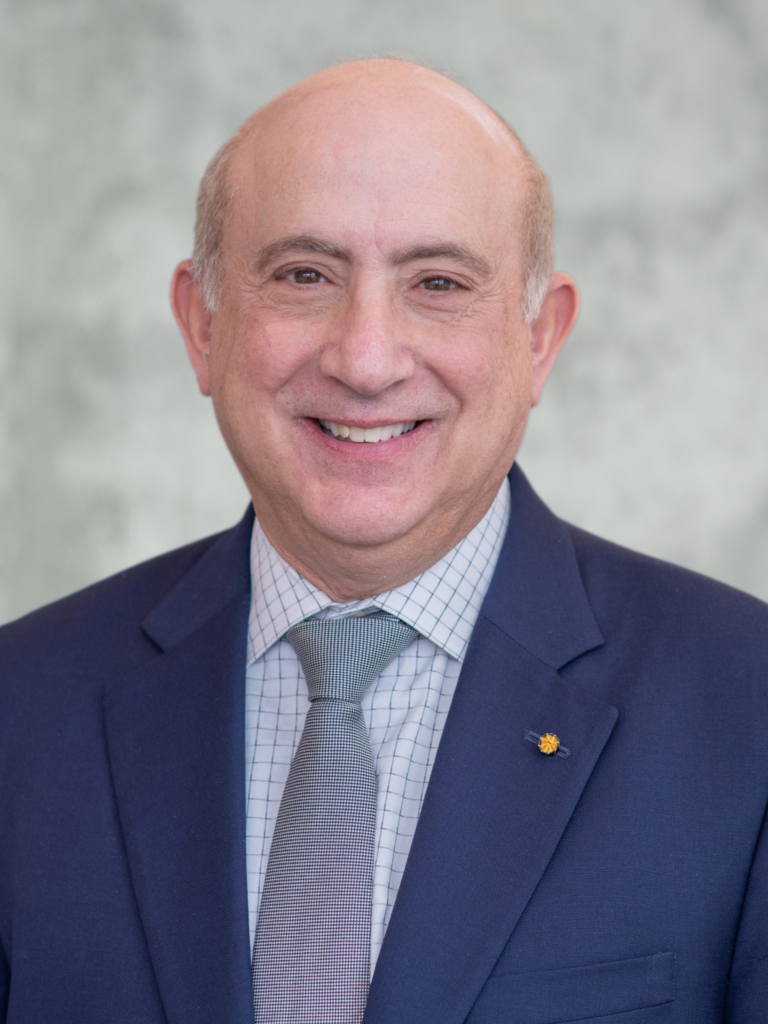
Jonathan D. Licht, M.D.
President and Chief Scientific Officer
Epigenetic Regulators as Drivers of Cancer
Biography
Jonathan D. Licht, M.D., is an internationally recognized physician-scientist who studies blood and other cancers in the pursuit of innovative therapies.
Prior to joining Van Andel Institute as president and chief scientific officer, he completed a decade of service as director of the University of Florida Health Cancer Institute, and Professor of Medicine and Biochemistry & Molecular Biology. He led the center to achieve National Cancer Institute designation in 2023 and served as inaugural principal investigator of the University of Florida Cancer Center support grant. Dr. Licht also has held senior leadership positions at the Icahn School of Medicine at Mount Sinai and at Northwestern University Feinberg School of Medicine, including service as chief of Hematology/Oncology at both institutions and associate director for Clinical Sciences at the Northwestern Robert H. Lurie Comprehensive Cancer Center.
A physician-scientist and medical oncologist, Dr. Licht’s research focuses on aberrant gene regulation and epigenetic mechanisms in cancer, spanning the pathogenesis of leukemia, lymphoma, multiple myeloma and therapy resistance in melanoma. His research program, continuously funded by the National Cancer Institute for more than 30 years, is supported by multiple R01 awards, along with major foundation funding, including a Specialized Center of Research grant from Blood Cancer United (formerly the Leukemia and Lymphoma Society) now in its 17th year of funding, and a multi-PI grant from the Myeloma Solutions Fund. These projects investigate transcription factors, chromatin regulators, histone-modifying enzymes and alterations in histones as drivers of tumor initiation, progression and treatment response. Dr. Licht has authored more than 240 original articles, reviews and book chapters, and his work has been cited more than 37,000 times. Clinically, he has treated patients with blood malignancies including acute leukemia and multiple myeloma.
Mentorship and training are central to Dr. Licht’s academic leadership. He has directed and supported trainees across the academic and professional continuum — undergraduates, graduate students, M.D./Ph.D. students, postdoctoral fellows, hematology/oncology fellows and junior faculty. His mentees have earned competitive awards and fellowships, progressed to independent research programs, joined clinical and translational faculty roles, and advanced into scientific leadership positions in academia and industry. His mentorship and leadership have been recognized by him being named the 2015 Northwestern University Feinberg School of Medicine Mentor of the Year, and with the 2021 American Society of Hematology Basic Science Mentor Award and the 2024 Leukemia and Lymphoma Society Scientific Service Award.
Dr. Licht has served in key national leadership positions with the American Society of Hematology (councilor; co-director of the ASH/European Hematology Association Translational Training in Hematology), the American Association for Cancer Research (chair, Taskforce of Hematological Malignancies), and Blood Cancer United (chair, Medical Scientific Board). He has chaired the review panel for Specialized Center grants of Blood Cancer United, served as chair of the Biochemical of the Mechanisms of Cancer Therapy-I study section of NCI and led the 2019 Gordon Conference on Cancer Genetics and Epigenetics. Dr. Licht is the inaugural editor-in-chief of Blood Neoplasia and has served in editorial roles for leading journals, including Cancer Cell, Cancer Discovery, Blood, Leukemia, Cancer Research, Clinical Cancer Research and Oncogene. His professional recognitions include election to the American Society for Clinical Investigation, the Association of American Physicians and as a Fellow of the American Association for the Advancement of Science.
Dr. Licht earned a B.S. from The State University of New York at Stony Brook and an M.D. from Columbia University. He completed a residency in Internal Medicine at Beth Israel Hospital/Harvard Medical School and trained in medical oncology and eukaryotic transcription at the Dana-Farber Cancer Institute.

Evan Lien, Ph.D.
Assistant Professor, Department of Metabolism and Nutritional Programming
Diet, Metabolism and Cancer
Evan Lien, Ph.D.
Assistant Professor, Department of Metabolism and Nutritional Programming
Biography
Dr. Evan Lien studies the molecular and biochemical interactions between diet, metabolism and cancer with the goal of developing new prevention and treatment strategies. He earned his Ph.D. in biological and biomedical sciences from Harvard University under the mentorship of Alex Toker, Ph.D, where he studied how oncogenic PI3K signaling regulates cellular metabolism in breast cancer. Dr. Lien then joined the lab of Matthew G. Vander Heiden, M.D., Ph.D., at MIT’s Koch Institute for Integrative Cancer Research as a postdoctoral fellow. While there, he evaluated how dietary interventions, such as low glycemic diets, impact cancer metabolism, growth and response to therapy. Dr. Lien’s research into the genetic and environmental factors that regulate cancer cell metabolism have earned him numerous accolades, including a Damon Runyon Postdoctoral Fellowship and a National Cancer Institute K99/R00 grant — both highly competitive awards. In 2022, he joined Van Andel Institute’s Department of Metabolism and Nutritional Programming as an assistant professor.

Scott Rothbart, Ph.D.
Professor, Department of Epigenetics
Chromatin and Epigenetic Regulation
Biography
Dr. Scott Rothbart is an internationally recognized expert in the field of epigenetics, particularly in the area of chromatin regulation through histone post-translational modifications. He earned a B.S. in food science and human nutrition from the University of Florida, followed by a Ph.D. in pharmacology and toxicology from Virginia Commonwealth University in the lab of Dr. Rick Moran. Dr. Rothbart then completed a postdoctoral fellowship in Dr. Brian Strahl’s lab at the University of North Carolina at Chapel Hill. He established his lab at Van Andel Institute in 2015 and rose through the ranks to full professor in 2023. Dr. Rothbart is also a basic science investigator on the Van Andel Institute–Stand Up To Cancer Epigenetics Dream Team and co-director of the VAI Cancer Epigenetics Training Program. Dr. Rothbart’s work has contributed fundamental insights into mechanisms of epigenetic regulation and has introduced new tools and methodologies to the field. He is the recipient of numerous awards and honors, including a K99/R00 career development award from the National Cancer Institute, an R35 Maximizing Investigators’ Research Award (MIRA) from the National Institute of General Medical Sciences, and a Research Scholar Award from the American Cancer Society.
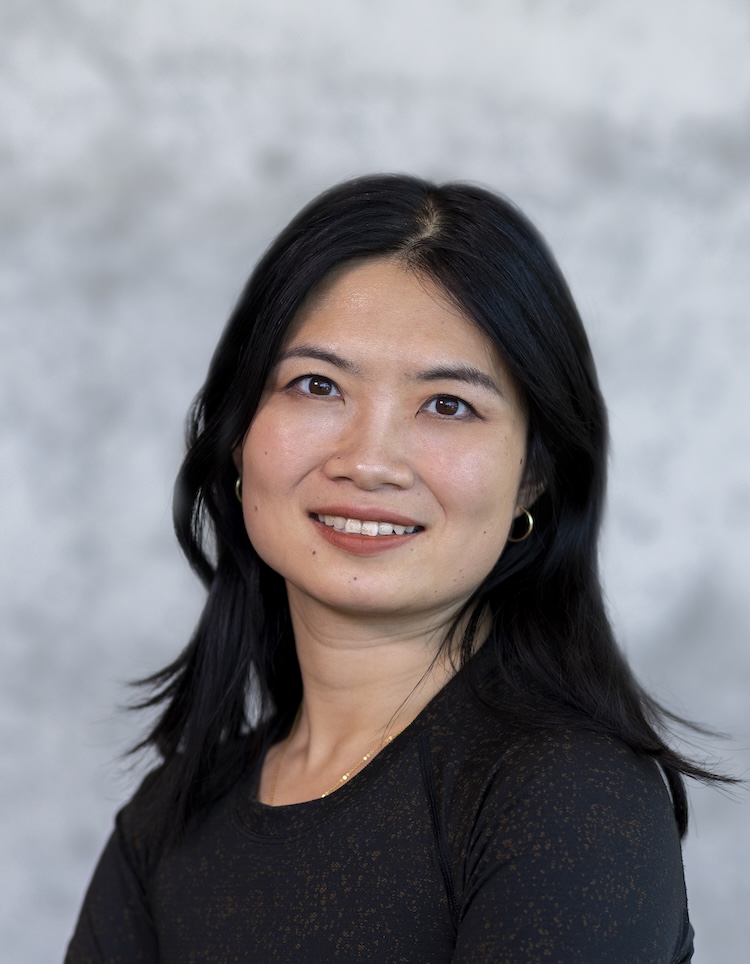
Hui Shen, Ph.D.
Professor, Department of Epigenetics
Epigenomics Analysis in Human Disease
Biography
An expert in bioinformatics and computational biology, Dr. Hui Shen develops and applies cutting-edge genomics technologies and bioinformatic tools to investigate the regulatory mechanisms of gene transcription and cell differentiation — collectively known as epigenetics. Her multi-faceted research has led to improved understanding of molecular and cellular mechanisms driving various cancer types, particularly ovarian cancer.
Dr. Shen earned her B.Sc. in biology from Nanjing University and her Ph.D. in genetic, molecular and cellular biology from the University of Southern California (USC), where she was supported by a Provost Ph.D. Fellowship. She was part of The Cancer Genome Atlas (TCGA) team, a landmark multi-institutional effort to map the molecular basis of cancer. Dr. Shen joined Van Andel Institute in 2014 as an assistant professor, rising to associate professor in 2018 and full professor in 2023.
She is an F1000 Faculty Member in Cancer Epigenetics and has received numerous honors, including the Liz Tilberis Award from the Ovarian Cancer Research Alliance, an NIH/NCI ESI MERIT Award, and an AACR Team Science Award. In 2025, she was elected to the College of Fellows of the American Institute for Medical and Biological Engineering (AIMBE) in recognition of her contributions to computational cancer epigenetics.
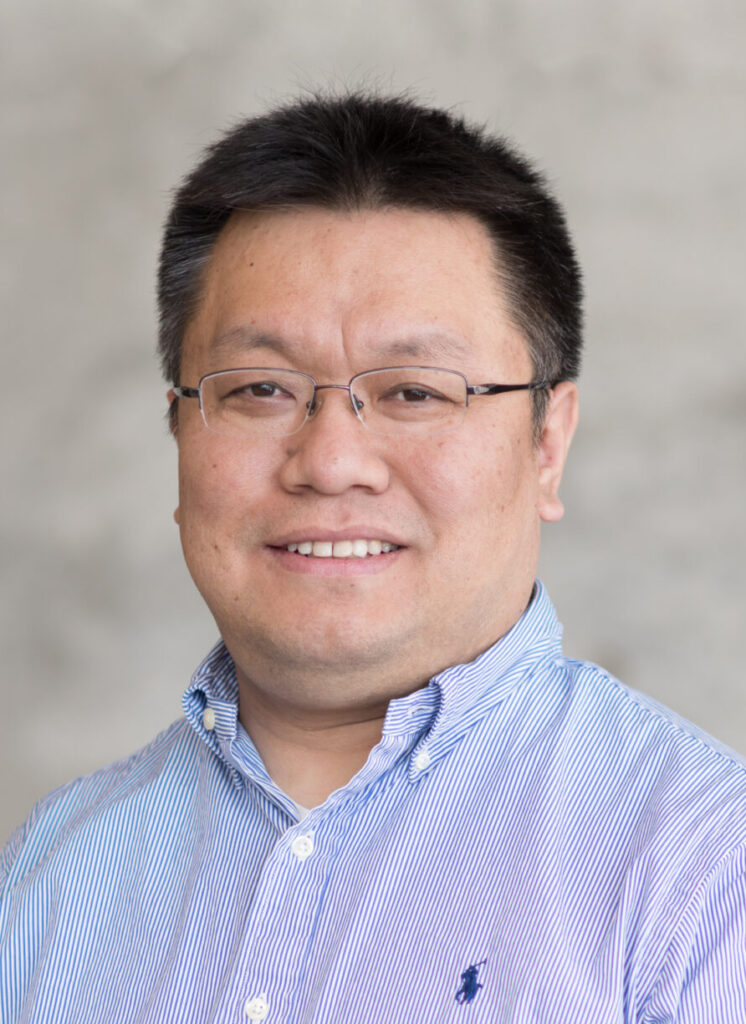
Xiaobing Shi, Ph.D.
Professor, Department of Epigenetics
Histone Modifications and Chromatin Regulation
Biography
Dr. Xiaobing Shi is an expert in cancer epigenetics and a professor in the Department of Epigenetics at Van Andel Institute. He earned a B.S. in biology from Wuhan University followed by a Ph.D. in biology from the Chinese Academy of Sciences, both with honors. He subsequently completed postdoctoral fellowships in the labs of Drs. Arthur Kornberg and Or Gozani at Stanford University before accepting a faculty position at University of Texas MD Anderson Cancer Center, where he most recently served as an Associate Professor and Co-Director of the Center for Cancer Epigenetics. Dr. Shi’s work has led to the discovery of several new readers of histone posttranslational modifications, particularly in acetylation and methylation, and elucidated their impact on cancer development. He is the recipient of several prestigious awards, including a Career Development Award from the Leukemia & Lymphoma Society, a Research Scholar Award from the American Cancer Society, a Kimmel Scholar Award from the Sidney Kimmel Foundation, and an inaugural R. Lee Clark Fellow from UT M.D. Anderson Cancer Center.
Society Memberships
American Society for Biochemistry and Molecular Biology
American Association for Cancer Research
American Association for the Advancement of Science

Matt Steensma, M.D.
Associate Professor, Department of Cell Biology
Translational NF1 Oncology
Biography
Dr. Steensma received his B.A. from Hope College in Holland, Mich., and his M.D. from Wayne State University School of Medicine in Detroit, Mich. He subsequently completed internship and residency training in the Grand Rapids Orthopaedic Surgery Residency Program. After completing residency, he trained in the laboratories of Drs. George Vande Woude and Rick Hay at VAI under an Orthopaedic Research and Education Foundation training award. Subsequently, Dr. Steensma was admitted into the prestigious fellowship program in Musculoskeletal Surgical Oncology in the Department of Surgery at Memorial Sloan Kettering Cancer Center in New York where he obtained sub-specialty training in the surgical management of musculoskeletal tumors. His fellowship in New York also provided Dr. Steensma with the opportunity to work in the laboratory of Dr. Steve Goldring, Chief Scientific Officer of the Hospital for Special Surgery (HSS) in New York. Dr. Goldring is one of the world’s leading orthopaedic researchers and has a particularly strong reputation for training leading clinician-scientists. During his training with Dr. Goldring, Dr. Steensma further developed his interests in understanding the molecular and cellular mechanisms underlying the development of bone and soft-tissue sarcomas. Dr. Steensma joined Van Andel Institute in 2010 as an Associate Scientific Investigator in the Center for Skeletal Disease Research. In 2014, he was named as one of the winners of the inaugural Francis S. Collins Scholars Program in Neurofibromatosis Clinical and Translational Research.

Tim Triche, Jr., Ph.D.
Associate Professor, Department of Epigenetics
Faculty Advisor, Bioinformatics and Biostatistics Core
Translational Biological Informatics
Biography
Dr. Tim Triche, Jr., earned his A.B. in chemistry from Cornell University, followed by an M.S. in biostatistics and a Ph.D. in statistical genetics from University of Southern California. Prior to joining Van Andel Institute’s Department of Epigenetics in 2017, he served as a postdoctoral fellow in the Jane Anne Nohl Division of Hematology at USC’s Norris Comprehensive Cancer Center, where he studied the roles of cellular and immune senescence in benign and malignant blood disorders, including acute myeloid leukemia and pediatric leukemia. He has been a key member of The Cancer Genome Atlas Research Network since 2011, and has contributed to more than a dozen of the consortium’s publications in journals such as Nature and Cell. As a statistician with interests in both basic and translational research, Dr. Triche’s work focuses on improving patient outcomes and quality of life through the design of randomized clinical trials, which are critical components of moving promising therapies from the lab to the doctor’s office.
Memberships
American Society of Hematology
Global Alliance for Genomic Health
American Association for Cancer Research
International Society of Paediatric Oncology
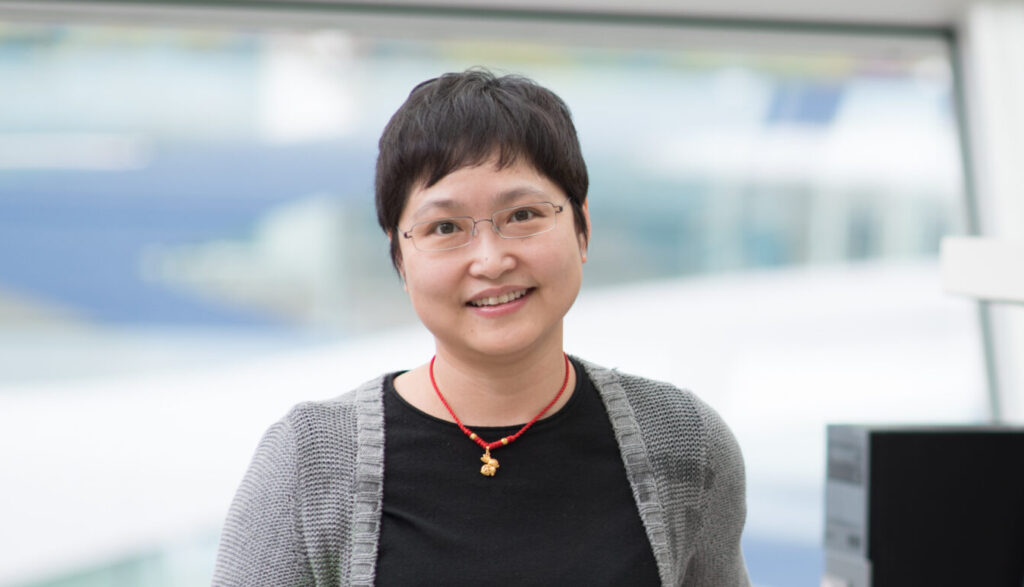
Hong Wen, Ph.D.
Professor, Department of Epigenetics
Epigenetics and Transcription
Biography
Dr. Hong Wen earned her B.S. in biochemistry from Wuhan University and her Ph.D. in biochemistry and molecular biology from the Shanghai Institute of Biochemistry and Cell Biology, Chinese Academy of Sciences, both with honors. She subsequently served as a postdoctoral fellow in the Department of Pathology at Stanford University. She joined the Department of Biochemistry and Molecular Biology at University of Texas MD Anderson Cancer Center as an assistant professor in 2008 and was promoted to associate professor in the Department of Epigenetics and Molecular Carcinogenesis in 2017. Dr. Wen joined Van Andel Institute in 2018 as an associate professor in the Department of Epigenetics and was promoted to professor in 2023. She is an epigenetics expert who investigates the molecular underpinnings of pediatric cancers, with a focus on how epigenetic dysregulation impacts gene expression and drives malignancy. She is also committed to developing new improved epigenetic therapies for cancer treatment. Dr. Wen is an awardee of Career Development Program Scholar from the Leukemia & Lymphoma Society.

Bart Williams, Ph.D.
Director, Core Technologies and Services; Professor, Department of Cell Biology
Cell Signaling and Carcinogenesis
Bart Williams, Ph.D.
Director, Core Technologies and Services; Professor, Department of Cell Biology
Biography
Dr. Williams received his Ph.D. in biology from Massachusetts Institute of Technology in 1996, where he trained with Tyler Jacks. For three years, he was a postdoctoral fellow at the National Institutes of Health in the laboratory of Harold Varmus, former Director of NIH. Dr. Williams joined VAI as a scientific investigator in July 1999. He was promoted to professor in 2013 and served as chair of VAI’s Department of Cell Biology from 2010 to 2022. In 2022, he was appointed director of VAI’s Core Technologies and Services, which provides leading-edge shared scientific resources to bolster research at the Institute and beyond.

Recent Publications
* Co-first authors# Co-corresponding authors
Sources
*Centers for Disease Control and Prevention. 2023. Osteoarthritis (OA). https://www.cdc.gov/arthritis/basics/osteoarthritis.htm
**HealthyPeople2030. 2023. Osteoporosis workgroup. https://health.gov/healthypeople/about/workgroups/osteoporosis-workgroup
***Jiang W., Rixiati Y, Zhao B, Li Y, Tang C, Liu J. 2020. Incidence, prevalence and outcomes of systemic malignancy with bone metastases. J Ortho Surg.