
Postdoctoral fellows are a crucial part of Van Andel Institute’s efforts to improve the health and enhance the lives of current and future generations.
All fellows conduct their work in the Institute’s state-of-the-art research space and have access to an extensive suite of Core Technologies and Services as well as a dedicated team of operations and sponsored research professionals. They also have the opportunity to network with colleagues from around the world, who come to VAI as part of the many invited lectures, scientific symposia and other events held throughout the year.
The Institute recognizes that selecting where to complete a postdoctoral fellowship is a significant decision for postdoctoral fellows and their families. Located in Grand Rapids, Michigan, VAI is committed to providing postdoctoral fellows with a high-caliber experience that prepares them for successful futures as scientific leaders. VAI’s dedicated Office of Postdoctoral Affairs provides a comprehensive professional development program. In addition, the Institute also provides a competitive benefits package for all postdoctoral fellows, regardless of funding source.
Learn more about VAI’s postdoctoral program
Questions? Email [email protected]. Please note, the Institute does not currently award external fellowships.
Research
Openings
Interested in becoming a postdoc at VAI? Visit our Career Center to view current openings or contact one of our faculty members directly.
Research
Postdoctoral Fellows
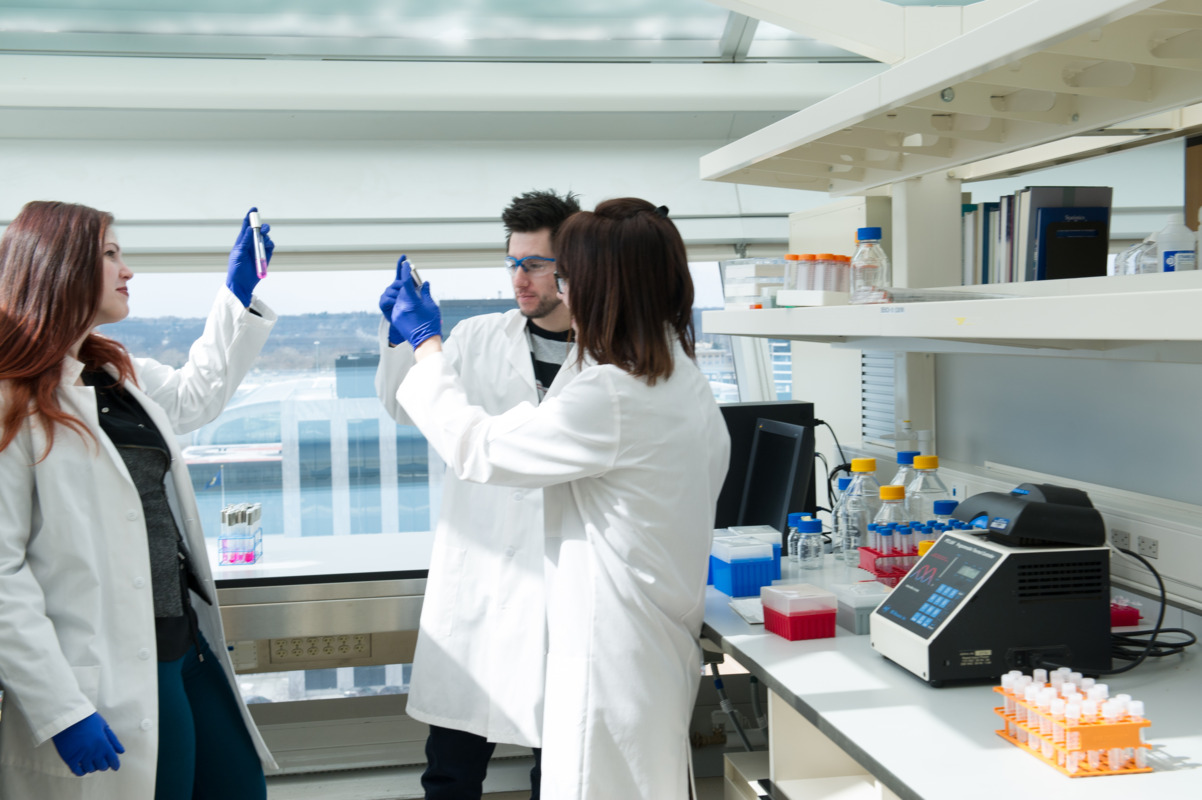
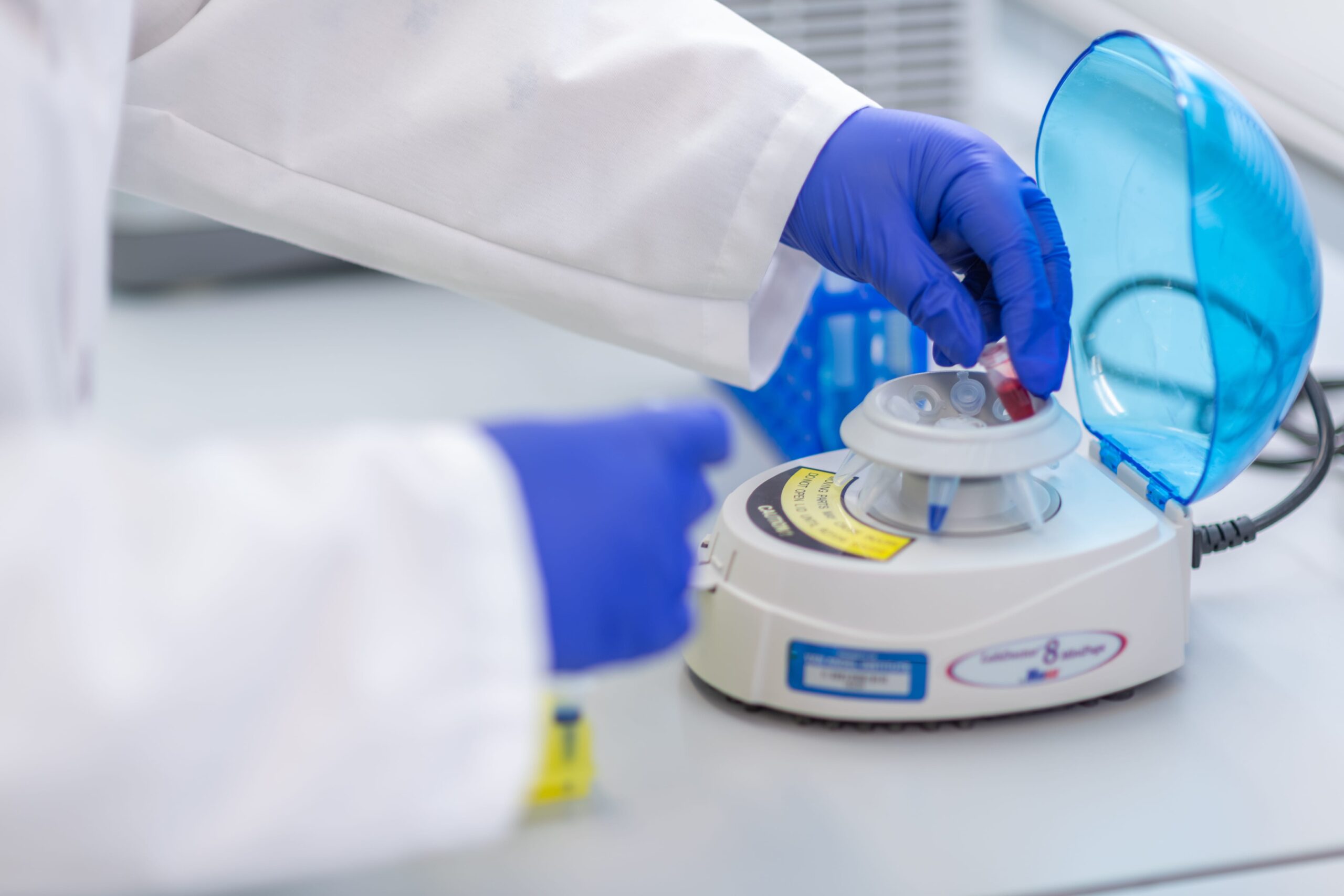
Working on an individual personalized project under the guidance of a qualified faculty mentor, VAI’s exceptional postdoctoral fellows make great contributions to the science conducted in the Institute’s laboratories. They play a crucial role in the intellectual development and management of research projects and contribute to a considerable share of the hands-on research activities in the laboratory.
Research
Living in Grand Rapids
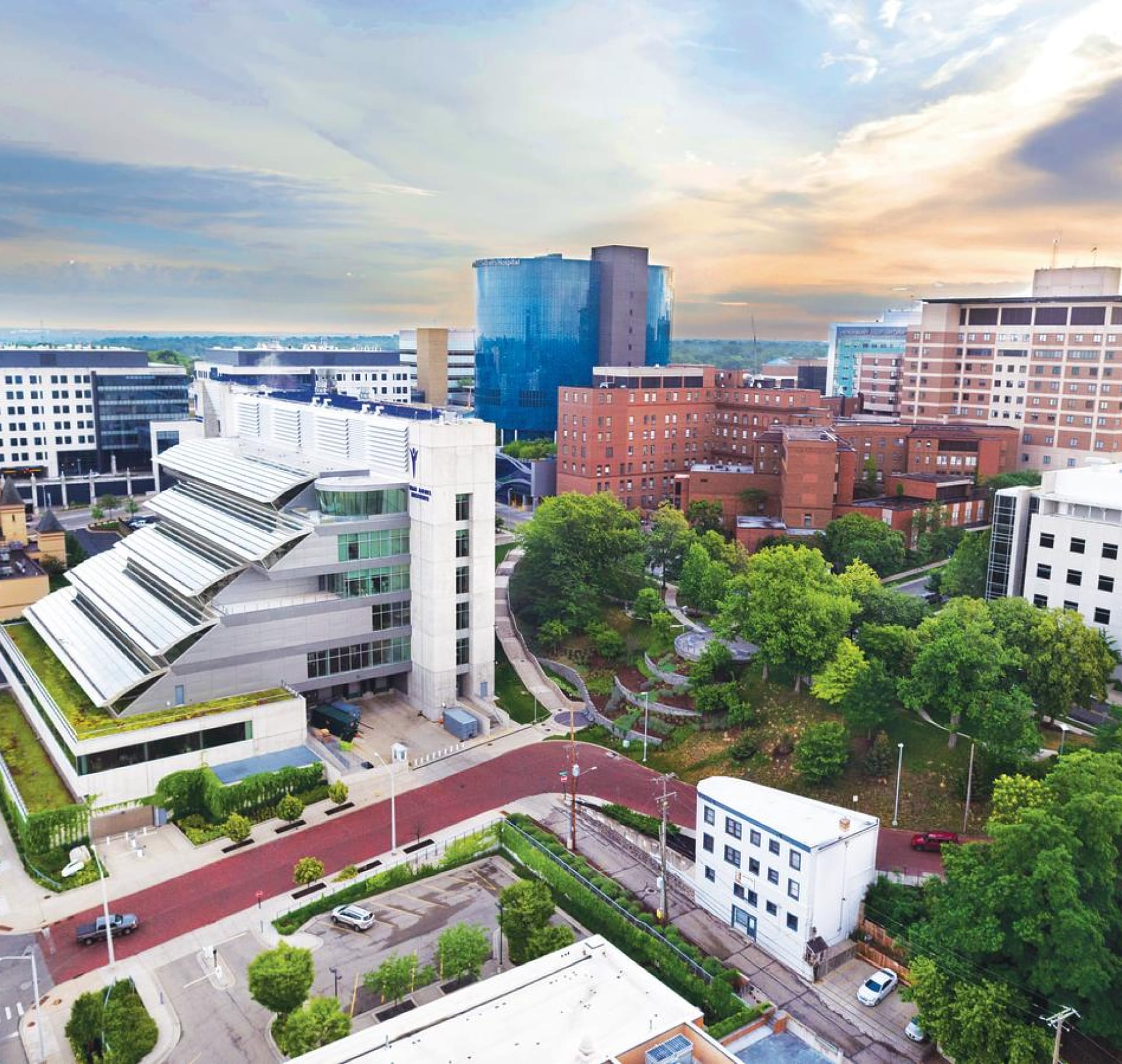
Whether you’re in search of a beach, a craft brew, unique cuisine or the world’s biggest art competition, Grand Rapids and West Michigan have something for everyone.
Testimonials
As a registered Patent Agent with the U.S. Patent and Trademark Office, I work in diverse fields of science and technology in pursuit of protecting our clients’ intellectual property. As a postdoctoral fellow, VAI’s multi-disciplinary approach to research allowed me to continue to hone my analytical and technical communication skills, which are invaluable in the practice of intellectual property protection.

Jessica Hessler, Ph.D.
Patent Agent, Price HeneveldAs a postdoc at VAI, the skills I gained in grant writing and review, working collaboratively, as well as experience with cutting-edge resources has helped me in managing peer-review committees and providing scientific oversight of research grants. The intimate setting at VAI offered opportunities for building unique relationships, which were invaluable in navigating my career path.

Heather Calderone, Ph.D.
Science Manager, American Brain Tumor AssociationWhen I think about my experiences as a VAI postdoc, I am most grateful for the support and flexibility that allowed me to explore and gain experience as an educator in higher education. Without this opportunity, I would not have considered a career in medical education. The opportunity to teach and conduct research while a postdoc helped me feel supported beyond the laboratory, and has led to a rewarding career as an educator.
Schoen W. Kruse, PhD, F-NAOME
Associate Dean of Integrated Learning, College of Osteopathic Medicine, Associate Professor of Pharmacology, Kansas City University of Medicine and BiosciencesAs a VAI postdoctoral fellow in Dr. Jeff MacKeigan’s Laboratory of Systems Biology, I was able to acquire and hone critical skills in advanced techniques, project development, grant writing and laboratory management. VAI’s postdoctoral program fostered an environment of productive creativity and, together with VAI’s facilities, resources and support, this made my time there thoroughly enjoyable and successful.

Nathan Lanning, Ph.D.
Assistant Professor, Department of Biological Sciences, California State University, Los AngelesIt was a wonderful experience to work at VAI. I had a postdoctoral fellowship in Dr. Michael Weinreich’s Laboratory of Chromosome Replication (2005-2008). It was a very good experience because I could acquire a lot of skills and advanced techniques at the professional level but also maturity at the personal level. This opportunity opened me doors when I returned in France because this mobility to VAI was very valuable to find a permanent position.
Dorine Bonte, Ph.D.
Assistant Professor, College of Pharmacy, Paris-Sud University, FranceI remember the spirit of collaboration and innovation at Van Andel Institute. That environment enabled me to partner with fellow VAI scientists to learn and apply new (at the time) genomics techniques to my scientific questions. The experience of genomics discovery opened my eyes to new scientific possibilities and led to a career at a leading genomics company, where I now share similar stories of genomics discoveries with my podcast listeners.

Paul Bromann, Ph.D.
Staff Scientific Liaison and Host of the Illumina Genomics Podcast, Scientific Affairs, Illumina, Inc.My postdoctoral fellowship was mentored by Dr. Nick Duesbery, back in 2000-2001; these first years of the Institute were bathed in an incomparable atmosphere of creativity and productivity. Interacting with researchers from different fields opened my mind. This fellowship enabled me to grow up in autonomy; while I learnt new technical skills, I was allowed to acquire and discern the abilities and values associated with being at the helm of a scientific team.

Prof. Jean-François Bodart
Vice-Dean for International Relations, Professor, Faculty of Sciences and Technologies, University of LilleI acquired so many important skills during my time as a VAI postdoc. In addition to developing additional research and technical skills in the lab, I was provided training in grant writing, lab management and communication, among others. All of these now help me immensely in my current role. I would have been walking into this position blindly if it weren’t for the excellent training and programming provided by the VAI OPA! Jennifer Lamberts, Ph.D. Assistant Professor, College of Pharmacy, Ferris State University

Jennifer Lamberts, Ph.D.
Assistant Professor, College of Pharmacy, Ferris State UniversityI would describe my time as a postdoc at VAI as very exciting and full of opportunities. There was support and funding in place for postdocs to invite speakers, organize events and gain teaching experience, which are essential for career development.

Aikseng Ooi, Ph.D.
Assistant Professor, College of Pharmacy, University of ArizonaVan Andel Institute (VAI) offers several types of postdoctoral positions. Each is designed to prepare early career scientists for the next steps in their careers and offers competitive funding and benefits.
Postdoctoral Fellows
VAI is strongly committed to providing postdoctoral fellows with a high-caliber experience that prepares them for successful futures as scientific leaders. Through mentorship by one or more of the Institute’s accomplished faculty, postdoctoral fellows gain the skills necessary to launch independent careers.
In addition to the Institute’s extensive scientific resources, postdoctoral fellows have access to a dedicated support team of professionals who can aid in everything from fellowship applications to experimental design. The Office of Postdoctoral Affairs also provides a comprehensive professional development program. Learn more about VAI postdoctoral fellows’ demographic and career outcomes ➔
Interested in a postdoctoral fellowship at VAI? We are always accepting applications. Please contact the investigator directly for more information on opportunities to join the team. Specific openings are available in our Careers section.
Most postdocs at VAI are full-time employees at the Institute and, as such, receive a competitive salary and benefits package, including health insurance and 401(k) opportunities.
VAI encourages, but does not require, all postdocs to apply for external fellowship funding. We provide numerous resources to assist with the application process and an incentive award for those who receive awards. In addition, VAI offers internal funding opportunities through our T32-funded Cancer Epigenetics Training (CET) program and our Inspire Fellowship.
Salary
VAI has a minimum salary schedule that begins at $71,000 a year, with further increases for merit and experience.
Benefits
VAI offers a comprehensive set of benefits including:
- Medical, dental and vision plan choices for self and family at a minimal cost
- Institute-paid life and accidental death and dismemberment insurance
- Voluntary term life and accidental death and dismemberment insurance for self and family
- Institute-paid short-term and long-term disability insurance (includes maternity leave)
- Flexible spending accounts for dependent care and medical expenses
- Holiday pay
- Vacation days and paid time off for illness and personal needs
- Six weeks of paid parental leave
- Long-term care insurance
- Tuition reimbursement
- Opportunity to participate in a 401(k) plan
- Incentive award for achieving external grant/fellowship funding
- Professional development
- Employee Assistance Services
In addition to a maximum reimbursement of $3,000 for moving expenses, postdoctoral fellows have access to VAI’s contracted relocation coordinator, who can assist with relocation needs such as housing, establishing a bank account and applying for a social security card.
In addition to VAI’s top-of-the-line research facilities, the Institute also offers:
- An on-site café that provides affordable breakfast and lunch options
- A 24/7 fitness center with a variety of workout equipment
- A library with on-site publications as well as access to books and papers housed at other academic institutions
- Dedicated parking
Postdoctoral Research Fellows
Some postdoctoral fellowship sponsors do not allow VAI to employ the recipient postdoc. Instead, VAI appoints those funded by these awards as postdoctoral research fellows and provides them with a competitive stipend and benefits package.
VAI is strongly committed to providing postdoctoral research fellows with a high caliber experience that prepares them for successful futures as scientific leaders. Through mentorship by one or more of the Institute’s accomplished faculty, postdoctoral research fellows gain the skills necessary to launch independent careers.
In addition to the Institute’s extensive scientific resources, postdoctoral research fellows have access to a dedicated support team of professionals who can aid in everything from fellowship applications to experimental design. The Office of Postdoctoral Affairs also provides a comprehensive professional development program. Learn more about VAI postdoctoral fellows’ demographic and career outcomes ➔
Postdoctoral Research Fellows receive a competitive stipend and benefits package, including health insurance.
Stipend
VAI has a minimum salary schedule that begins at $71,000 a year, with further increases for merit and experience.
Benefits
VAI offers a comprehensive set of benefits including:
- Medical, dental and vision plan choices for self and family at a minimal cost
- Institute-paid life and accidental death and dismemberment insurance
- Short-term disability coverage (includes maternity leave)
- Holiday pay
- Vacation days and paid time off for illness and personal needs
- At least six weeks of paid parental leave
- Stipend supplementation plus an incentive award for achieving external grant/fellowship funding
- Professional development
- Employee Assistance Services
In addition to a maximum reimbursement of $3,000 for moving expenses, postdoctoral research fellows have access to VAI’s contracted relocation coordinator, who can assist with relocation needs such as housing, establishing a bank account and applying for a social security card.
In addition to VAI’s top-of-the-line research facilities, the Institute also offers:
- An on-site café that provides affordable breakfast and lunch options
- A 24/7 fitness center with a variety of workout equipment
- A library with on-site publications as well as access to books and papers housed at other academic institutions
- Dedicated parking
Looking for world-class postdoctoral training in cancer epigenetics? You’ve come to the right place.
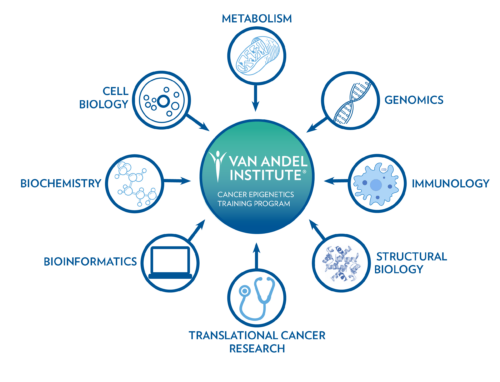
Van Andel Institute is an internationally recognized center of excellence for basic and translational epigenetics research. The Institute’s Cancer Epigenetics Training (CET) Program prepares postdoctoral fellows to become research leaders in the field of cancer epigenetics. The program offers cutting-edge, interdisciplinary research training in structural and functional aspects of epigenetics, complemented by state-of-the-art Core Technologies and Services, unique professional development activities, and integration with established translational research programs and partnerships led by VAI investigators. CET Fellows will emerge from the program with comprehensive training in cancer epigenetics and a professional foundation from which to launch their research careers.
As part of the program, CET Fellows will be able to pursue basic and translational research projects in:
- Cancer biology
- Tumorigenesis
- Cellular development and differentiation
- Mechanisms governing DNA methylation and chromatin regulation
- Epigenomics and advanced tool development
- GWAS and EWAS
- Transgenerational inheritance
- Structural biology
- Metabolism
- Epigenetic therapies
CET Fellows also will have exclusive opportunities to participate in the Van Andel Institute–Stand Up To Cancer© (SU2C) Epigenetics Dream Team, a multi-institutional effort to move promising combination therapies for cancer into clinical trials.
Questions? Please contact Dr. Erica Gobrogge, Director of People Development and CET Leadership Team, at [email protected].
The Cancer Epigenetics Training program is supported by a National Cancer Institute T32 training grant (no. T32CA251066). The content is solely the responsibility of VAI and does not necessarily represent the official views of the National Institutes of Health.
VAI’s Cancer Epigenetics Training Program typically reviews applications starting April 1, with appointments commencing on Aug. 1. However, we occasionally have slots open outside this cycle. If you are interested in the Program but there is not an open call for applications, email Dr. Erica Gobrogge at [email protected].
Eligibility: Applicants must be U.S. citizens or permanent residents who are near completion of a Ph.D., M.D. or other appropriate terminal degree. Applicants who support VAI’s commitment to creating a workplace where everyone feels valued, respected and empowered to reach their full potential are encouraged to apply. We recommend contacting Dr. Erica Gobrogge at [email protected] to verify your eligibility before applying.
The materials listed below are required to apply for the Cancer Epigenetics Training Program. Click the “Apply Now” button above once you are ready to apply.
- NIH-style biosketch
- Research statement: The statement should comprise a high-level description of your proposed research project, the significance of the problem and its potential impact on the field. It should follow the format of an NIH-style specific aims page. To develop a competitive research statement, you should first speak with the Cancer Epigenetics Training Program faculty member(s) with whom you are interested in working.
- Three reference letters (one should be from your thesis advisor or a thesis committee member)
Please note, you may reuse these materials to apply for our Postdoc Preview and our Inspire Program.
VAI’s Cancer Epigenetics Training Program is an interdisciplinary postdoctoral training program that provides CET Fellows with extensive research and mentorship opportunities in the field of cancer epigenetics.
Upon acceptance, each CET Fellow is assigned an Individual Development Team (IDT) that will coach, mentor and guide them through the scientific and non-scientific dimensions of career development. The IDT comprises the CET Fellow’s primary mentor, a secondary mentor and another faculty member (either a non-CET Program VAI faculty member or a non-VAI faculty member). Please see the list of mentors below.
Throughout the program, CET Fellows will complete a comprehensive curriculum of scientific and professional development training. CET Fellows will be expected to:
- Present annual seminars (internal and external)
- Complete at least one semester of teaching or mentoring experience
- Publish at least one first-authored publication
- Submit F32 (or equivalent) and K99/R00 applications
Scott Rothbart, Ph.D.
Cancer Epigenetics Training Program Director
Professor, Department of Epigenetics
Russell Jones, Ph.D.
Cancer Epigenetics Training Program Leadership Team
Chair and Professor, Department of Metabolism and Nutritional Programming
Peter A. Jones, Ph.D., D.Sc. (hon)
Cancer Epigenetics Training Program Emeritus Director
Distinguished Professor, Department of Epigenetics
Clifford Cho, M.D.
Professor, Department of Cell Biology
Yvonne Fondufe-Mittendorf, Ph.D.
Professor, Department of Epigenetics
Stephanie Grainger, Ph.D.
Assistant Professor, Department of Cell Biology
Peter Laird, Ph.D.
Professor, Department of Epigenetics
Hong Li, Ph.D.
Professor, Department of Structural Biology
Huilin Li, Ph.D.
Chair and Professor, Department of Structural Biology
Jonathan D. Licht, M.D.
President and Chief Scientific Officer
Professor, Department of Epigenetics
Evan Lien, Ph.D.
Assistant Professor, Department of Metabolism and Nutritional Programming
Gerd Pfeifer, Ph.D.
Professor, Department of Epigenetics
Andrew Pospisilik, Ph.D.
Chair and Professor, Department of Epigenetics
Hui Shen, Ph.D.
Professor, Department of Epigenetics
Xiaobing Shi, Ph.D.
Professor, Department of Epigenetics
Piroska Szabó, Ph.D.
Associate Professor, Department of Epigenetics
Timothy Triche, Jr., Ph.D.
Associate Professor, Department of Epigenetics
Hong Wen, Ph.D.
Professor, Department of Epigenetics
Evan Worden, Ph.D.
Assistant Professor, Department of Structural Biology
Co-mentors
Derek Janssens, Ph.D.
Assistant Professor of Epigenetics
Connie Krawczyk, Ph.D.
Associate Professor, Department of Metabolism and Nutritional Programming
Adelheid (Heidi) Lempradl, Ph.D.
Associate Professor, Department of Metabolism and Nutritional Programming
Questions? Contact Dr. Erica Gobrogge, program director of VAI’s Office of Postdoctoral Affairs and a CET leadership team member, at [email protected].
Do I need to submit a separate employee application along with my Cancer Epigenetics Training Program application?
We highly recommend that you speak with the Cancer Epigenetics Training Program faculty member(s) with whom you are interested in working before beginning your application. They can instruct you whether a separate employee application is needed. You also are welcome to email Dr. Erica Gobrogge, Director of People Development and CET Leadership Team, at [email protected].
We encourage you to apply to any open postdoctoral positions of interest and/or contact mentors of interest directly via email after you submit your CET application. You may find open positions on VAI’s Career Center.
How many applicants are accepted each year?
The Cancer Epigenetics Training Program will accept two new CET Fellows each year.
Who reviews applications? When will I find out if I’m accepted?
Applications will be reviewed by the Cancer Epigenetics Training Program leadership team and program faculty members. We will notify all applicants regarding the outcome of their application.
I’m also interested in VAI’s Postdoc Preview and/or the Inspire Fellowship. How do I apply?
Applications for Postdoc Preview, the Cancer Epigenetics Training Program and the Inspire Program are separate. However, applicants may reuse the same materials for each application (for example, you may reuse a Cancer Epigenetics Training Program reference letter for the other applications). Please double-check the application requirements for each program, as they may have additional required components.
How is the CET program different than a traditional VAI postdoc?
CET Fellows build an Individual Development Team, have exclusive opportunities to participate in the VAI-Stand Up to Cancer Epigenetics Dream Team, complete a comprehensive, formal scientific and professional development training curriculum, and receive a unique stipend and benefits package.
Helpful Links
Mary Reyland, Ph.D. (Advisory Committee Chair)
Emeritus Professor, University of Colorado Anschutz Medical Campus
Steven Baylin, M.D.
Professor, Johns Hopkins University, Director’s Scholar, Van Andel Institute
James Fahner, M.D.
Founding and emeritus Division Chief of Pediatric Hematology/Oncology, Helen DeVos Children’s Hospital
Associate Professor, Department of Pediatrics/Human Development, Michigan State University
Kay Macleod, Ph.D.
Hospira Foundation Professor of Ben May Department of Cancer Research, University of Chicago
Danny Welch, Ph.D.
Professor and Associate Director for Cancer Education and Career Enhancement, University of Kansas Cancer Center
Supporting the next generation of research leaders through rigorous, personalized postdoctoral training
Van Andel Institute’s Inspire Fellowship supports exceptional postdoctoral fellows by reducing barriers, fostering community, and providing the resources and personalized mentorship needed for an outstanding training experience. We are committed to ensuring fellows have a firm foundation from which to launch their independent research careers — and to make a world of difference. The Inspire Fellowship accepts applications once per year. The 2026 application deadline has passed. The next application period will open in January 2027.
Inspire Fellowships offer:
- Two years of salary funding
- Conference travel stipend of $2,500 per year
- Cutting-edge research training
- One-on-one mentorship from a team of VAI faculty
- Individualized professional development
- A community of peers
- Access to outstanding Core Technologies and Services
Questions? Please contact Dr. Kelsey Carpenter, program director of VAI’s Office of Postdoctoral Affairs, at [email protected].
Eligibility
Applicants must be U.S. citizens or permanent residents. Applicants must be current graduate students who anticipate beginning a postdoctoral fellowship at VAI within the next year or current VAI postdocs who have no more than one year of postdoc experience (at VAI or elsewhere). Receipt of the Inspire Fellowship is contingent on an offer of employment for a postdoctoral position in a VAI lab. We recommend contacting Dr. Kelsey Carpenter at [email protected] to verify your eligibility before applying.
Prior to beginning the application, please prepare the following required materials:
- Curriculum vitae
- Personal statement: We are interested in learning more about you. Please prepare a personal statement of no more than three pages to tell us about:
1. How your unique life experiences, challenges, interests, values and characteristics will contribute to the vibrant, diverse workplace that VAI values as described in the following statement.
2. Your goals for your postdoctoral training, your scientific background, and why you are interested in VAI and the Inspire Fellowship program. You also may include any personal information you feel is relevant to the evaluation of your application.Van Andel Institute believes that its strength lies in the diversity of its people and the inclusive environment it fosters. The Institute is committed to creating a workplace where everyone feels valued, respected and empowered to reach their full potential. VAI recognizes that diversity encompasses a wide range of visible and invisible differences. It believes embracing these differences leads to innovation, better decision-making and a more vibrant workplace culture.
- One reference letter from your thesis advisor or a thesis committee member.
- A list of VAI faculty members with whom you are interested in working. If you have already spoken with a VAI faculty member about joining their lab or have applied for one of our open postdoc positions, there will be space to indicate this on your application. Corresponding with a VAI faculty member prior to applying for the Inspire Fellowship is encouraged but not required.
Following submission of your materials, program staff will contact you to schedule a 30-minute Zoom interview with the selection committee.
Applications for VAI postdoctoral positions and the Inspire Fellowship are separate. Receipt of the Inspire Fellowship is contingent on an offer of employment for a postdoctoral position in a VAI lab.* We encourage Inspire applicants to apply to open postdoctoral positions of interest and/or contact faculty mentors of interest directly via email after submitting the Inspire Fellowship application. The typical start date for Inspire Fellowship funding is Dec. 1, of the year in which the award is made.
Please note: You may reuse these materials to apply for our Cancer Epigenetics Training Program ➔
Do I need to submit a separate employment application along with my Inspire Fellowship application?
Applicants who currently do not have a postdoctoral position at VAI should first submit the Inspire Fellowship application. Details on required materials may be found under the “Apply” section. We encourage you to apply to any open postdoctoral positions of interest and/or contact faculty mentors of interest directly via email after you submit your Inspire Fellowship application. Find open positions ➔
Who reviews applications? When will I find out if I’m accepted?
Applications will be reviewed by the Inspire Fellowship steering committee, comprised of VAI faculty and Office of Postdoctoral Affairs leadership. The Inspire Fellowship materials are under development, and the program is not accepting applications right now.
I’m also interested in VAI’s Postdoc Preview and/or the Cancer Epigenetics Training Program Fellowship. How do I apply?
Applications for Postdoc Preview, the Cancer Epigenetics Training Program and the Inspire Fellowship are separate. However, applicants may reuse the same materials for each application (for example, you may reuse an Inspire Fellowship reference letter for the other applications).
Please double-check the application requirements for each program, as they may have additional required components.
See the requirements for the Postdoc Preview and for the Cancer Epigenetics Training Program.
*VAI is committed to excellence through broad participation and diverse perspectives. We welcome applications form individuals of all backgrounds and experiences who share our passion for innovation and collaboration.
Van Andel Institute is an Equal Employment Opportunity and Vietnam Era Veterans Readjustment Assistance employer.
Van Andel Institute is dedicated to excellence in research and scientific training.
As a reflection of this commitment, we are pleased to join the Coalition for Next Generation Life Sciences, a collaborative effort to enhance transparency to Ph.D. and postdoctoral training in order to empower and inform training for the next generation of scientists around the world.
Metrics include
- Admissions and matriculation data of Ph.D. students
- Median time-to-degree and completion data for Ph.D. programs
- Self-reported demographics of Ph.D. students and postdoctoral scholars by gender, race/ethnicity and citizenship status
- Median time in postdoctoral status at the institution
- Career outcomes for Ph.D. and postdoctoral alumni, classified by job sector and career type using a common taxonomy. Source: Coalition for Next Generation Life Sciences
Learn more about the Coalition by visiting nglscoalition.org.
For questions about VAI graduate student data, please contact Christy Mayo at [email protected]. For questions about VAI postdoctoral fellow data, please contact Dr. Kelsey Carpenter at [email protected].
Graduate Student Statistics
Current Graduate Students
Numbers current as of Sept. 1, 2025.
By Gender (self-reported)
Data represents current student population
Total students: 65
Citizenship
Data represents current student population
Total students: 65
Admissions
Fall 2025 Cohort
Applicant Pool
Time to Degree(TTD)
By Year of Graduation (in Three Year Aggregates)
By Demographic Categories
Retention, Attrition & Complete Outcomes
Outcomes in Multi-Year Aggregates of Entering Cohorts
Please hover over the chart to see the data.
Aggregate Outcomes by Gender*
Please hover over the chart to see the data.
*Through 2018 entering cohort, as of August 2025
Ph.D. Career Outcomes by Career Type*
Please hover over the chart to see the data.
*Through 2018 entering cohort, as of August 2025
Ph.D. Career Outcomes by Job Sector*
Please hover over the chart to see the data.
*Through 2018 entering cohort, as of August 2025
Postdoctoral Fellow Statistics
Please hover over each chart to see data.
Van Andel Institute Definition of a Postdoctoral Fellow/Fellowship
The fellowship is a limited time after receipt of a doctoral degree for mentored and advanced training through research under the supervision of a principal investigator (mentor). The postdoctoral fellow, in mutual agreement with their mentor, undertakes an individual research project and service, teaching and professional development activities that together will provide the experience and knowledge essential for career advancement and establishing an independent career.
By Gender (self-reported)
As of Jan. 1 of each year.
Citizenship Status
As of Jan. 1 of each year.
Race/Ethnicity for USC/PR (self-reported)
As of Jan. 1 of each year. Data includes domestic postdocs only.
Time as a Postdoctoral Fellow
Median Time in Postdoc Training by Gender
Median Time in Postdoc Training by Nationality
Postdoctoral Fellows’ Career Outcomes Based on Last Known Position
Sector
Includes all VAI postdocs (n=263) who have completed training as of Jan. 1, 2026 (UCOT v2017).
Career Type
Includes all VAI postdocs (n=263) who have completed training as of Jan. 1, 2026 (UCOT v2017).
Job Function
Includes all VAI postdocs (n=263) who have completed training as of Jan. 1, 2026 (UCOT v2017).
Are you a senior graduate student exploring your postdoc options?
VAI Postdoc Preview provides selected applicants the opportunity to visit Van Andel Institute to learn about our postdoctoral training opportunities, meet one-on-one with our internationally recognized faculty and explore our extensive scientific resources, including our state-of-the-art Core Technologies and Services.
The application deadline has passed for VAI’s May 8, 2026, Postdoc Preview event. Please check back in the summer for information about Fall 2026 Preview. There is no cost to attend for selected applicants; VAI provides transportation, lodging and meals. We also are pleased to offer family care grants for those caring for children or other family members.
About postdoctoral training at VAI
VAI labs conduct world-class biomedical research in epigenetics, neurodegeneration, metabolism, cell biology and structural biology — all supported by outstanding Core Technologies and Services. Postdocs are a crucial part of VAI, so they receive highly competitive salaries, which start at $71,000 per year. VAI also offers postdocs comprehensive benefits, including low-cost health insurance for self and family, paid parental leave, and much more.
We offer numerous fully funded postdoctoral positions across our areas of focus. Learn more about postdoctoral training opportunities at VAI. In addition, we have two internal fellowship programs: a National Cancer Institute T32-funded Cancer Epigenetics Training (CET) program, and the Inspire Fellowship program. Please note that attending Postdoc Preview does not guarantee you a fellowship or a postdoc position at VAI; we encourage you to also apply to one or more of our open postdoc positions and fellowship opportunities (see FAQ tab below for more information).
Questions? Please contact Dr. Kelsey Carpenter, program manager of VAI’s Office of Postdoctoral Affairs, at [email protected].
Eligibility
Applicants must be current graduate students at U.S. institutions who anticipate beginning a postdoctoral fellowship within the next year.
How to Apply
VAI offers two Postdoc Preview events each year — one in the spring and one in the fall. More information about Fall Preview will be available in early summer. Prior to starting the application, please compile a list of VAI faculty members whose research interests you, along with your curriculum vitae.
What can you expect during a Postdoc Preview visit?
Day 1
6:00–8:00 p.m. | Welcome dinner with VAI postdocs
Day 2
9:00–10:00 a.m. | Welcome presentation and breakfast
10:00–11:00 a.m. | Five-minute flash talks from participants
11:00 a.m. – 12:00 p.m. | One-on-one meetings with faculty
12:00–1:00 p.m. | Lunch with current postdocs
1:00–2:00 p.m. | Tour of VAI
2:00–3:30 p.m. | One-on-one meetings with faculty
3:30–5:00 p.m. | VAI Research-in-Progress seminar and Refresh
6:30–8:30 p.m. | Dinner with faculty
Day 3
Explore Grand Rapids and return home
Do I need to apply to attend?
Yes. Postdoc Preview selects attendees through an application process. See the Apply section to learn more.
Is there a cost to attend?
There is no cost to attend for selected applicants! VAI will arrange your transportation, lodging and meals and will reimburse you for reasonable additional expenses you incur (e.g., airport parking).
I would like to attend but I have child or family care needs. Should I still apply?
Yes! VAI is pleased to offer family care grants of up to $500 to selected applicants. For more information, please contact Eric Miller at [email protected].
If selected, do I get to choose the faculty with whom I meet?
Yes! As part of your application, we ask that you select faculty members you would like to meet. We will do our best to pair you with the faculty of your choosing, depending on their availability. You can learn more about our faculty by visiting VAI’s lab directory or by exploring each department’s home page:
- Department of Epigenetics
- Department of Neurodegenerative Science
- Department of Cell Biology
- Department of Metabolism and Nutritional Programming
- Department of Structural Biology
If I am selected to attend the Postdoc Preview, am I guaranteed a postdoctoral position at VAI?
No. Postdoc Preview offers an opportunity to learn about postdoctoral training opportunities at VAI, meet potential faculty mentors and network with other future postdocs, all while exploring Grand Rapids. We encourage you to apply to our different postdoc programs either before or after you attend Postdoc Preview. Learn more or submit an application ➔
Who reviews applications?
Applications will be reviewed by VAI faculty members and VAI Office of Postdoctoral Affairs staff. We are particularly interested in applicants whose research interests fit with our faculty members’ research.
Meet the Postdocs
Working on an individual personalized project under the guidance of a qualified faculty mentor, VAI’s exceptional postdoctoral fellows make great contributions to the science conducted in the Institute’s laboratories. They play a crucial role in the intellectual development and management of research projects and contribute to a considerable share of the hands-on research activities in the laboratory.
Department of Epigenetics
Rahma Benhassoun, Ph.D.
Sophia Chaudhry, Ph.D.
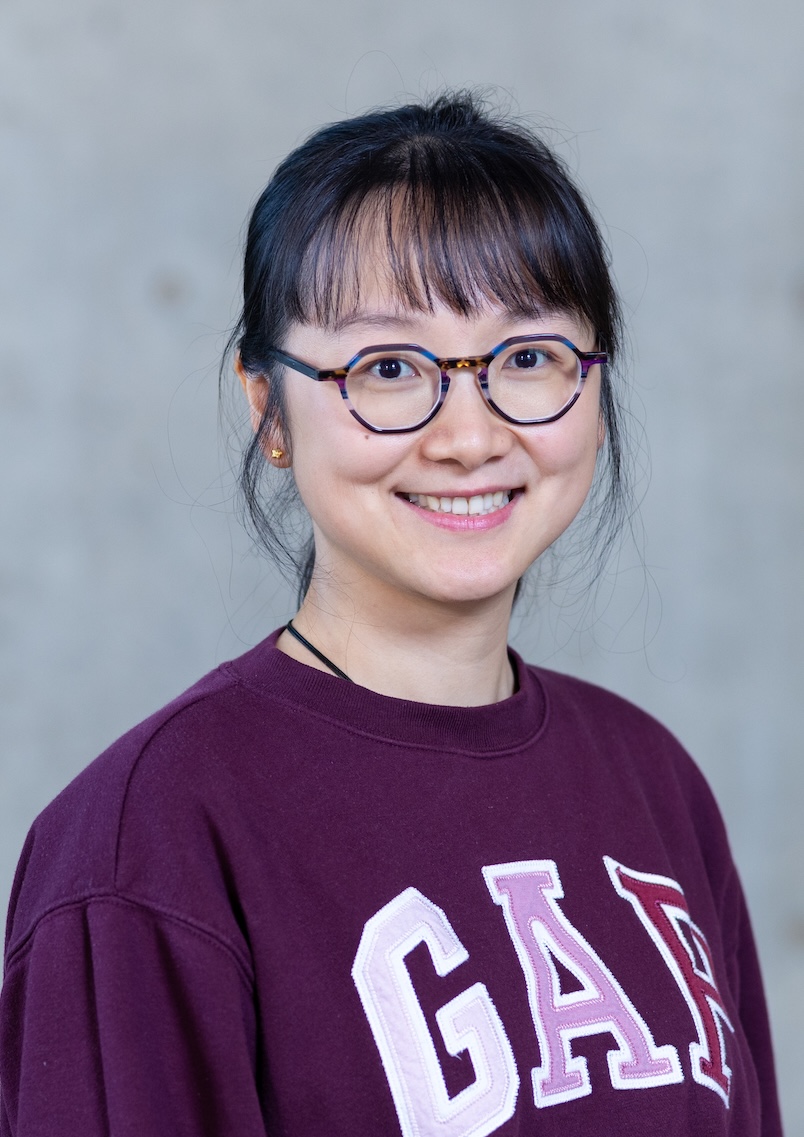
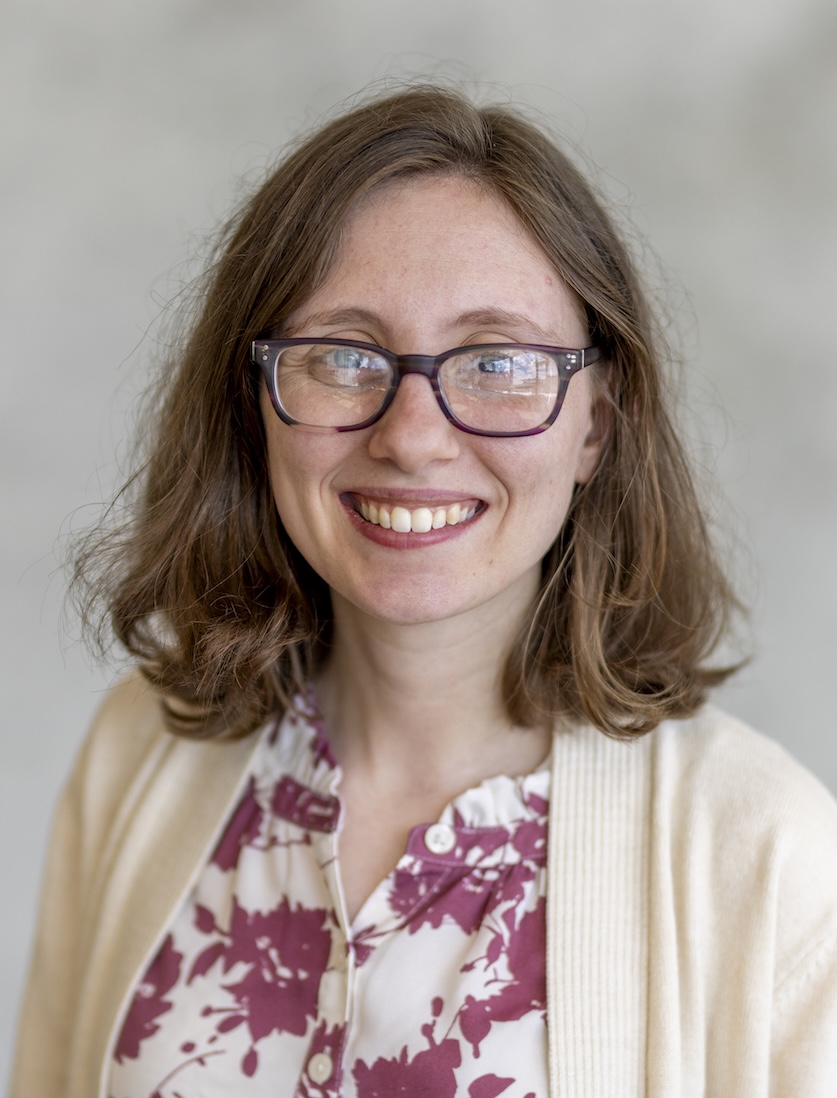
Alexandria Eiken, Ph.D.
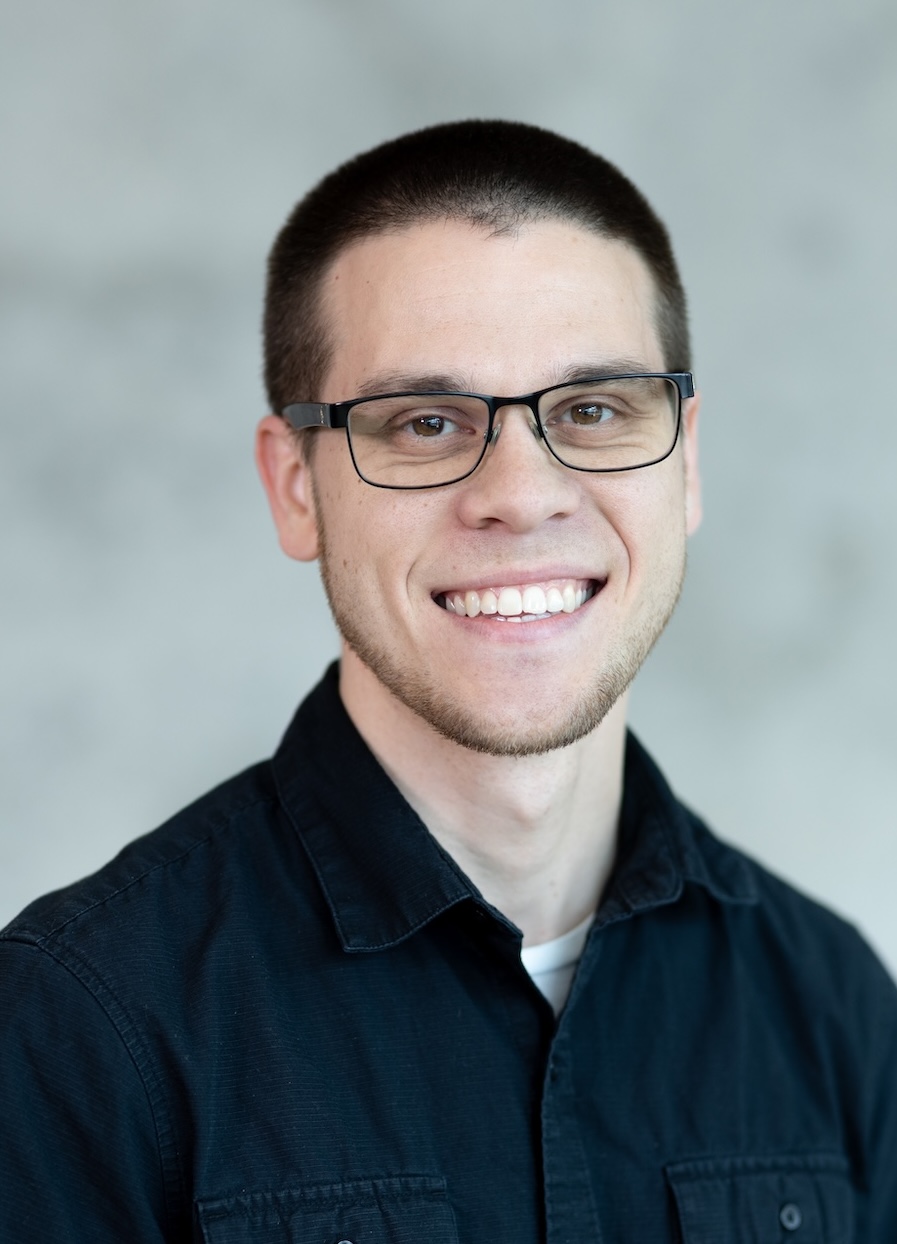
Brandon Estrem, Ph.D.
Thomas Goralski, M.S., Ph.D.
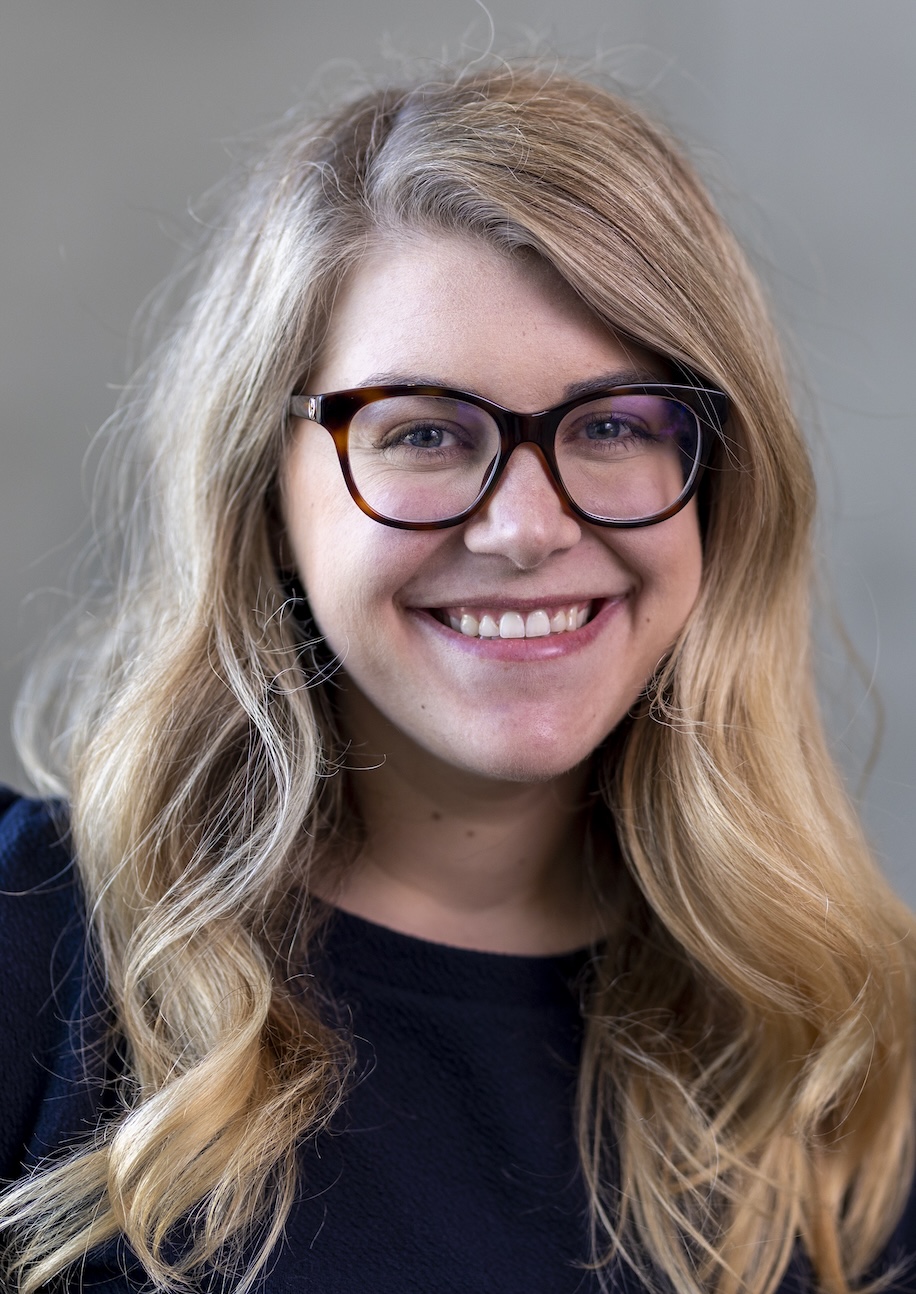
Brooke Grimaldi, Ph.D.
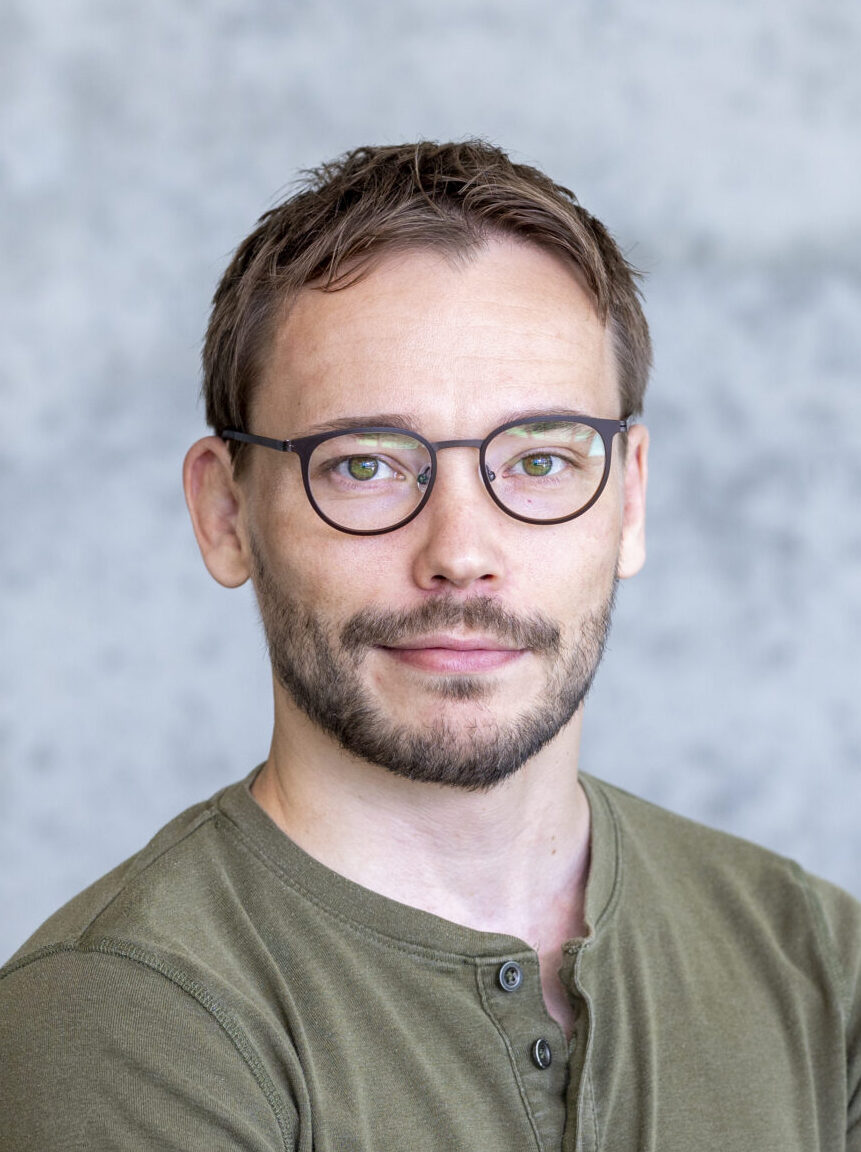
Josef Gullmets, Ph.D.
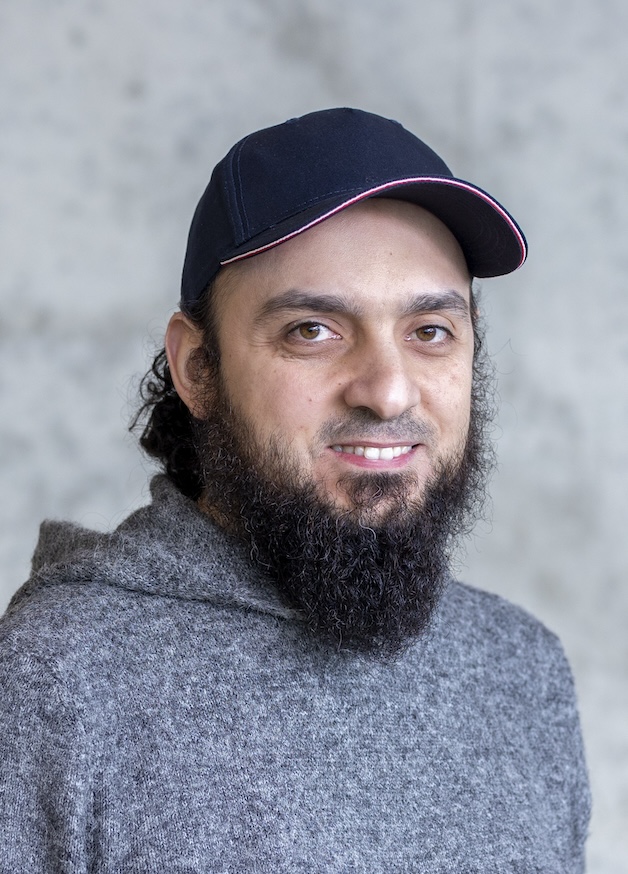
Youssef Hegazy, Ph.D.

Peter Huang, Ph.D.
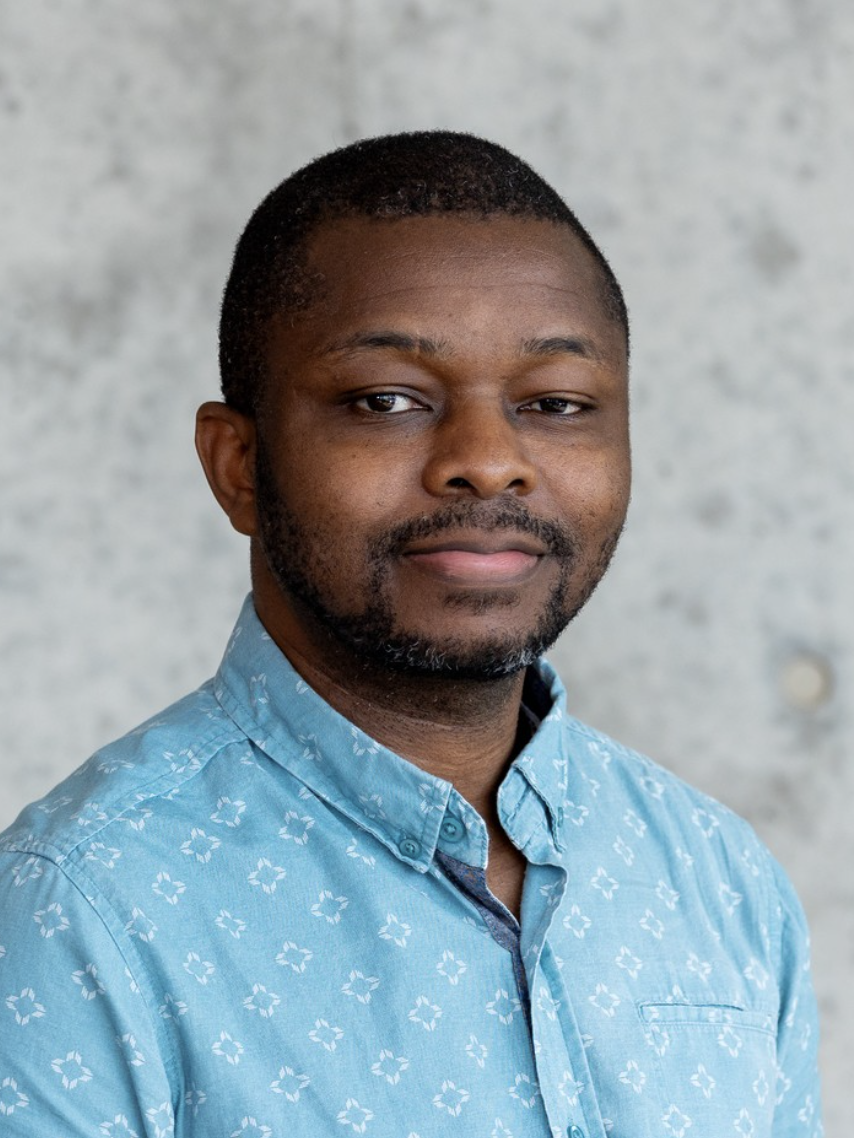
Joshua Kuleape, Ph.D.
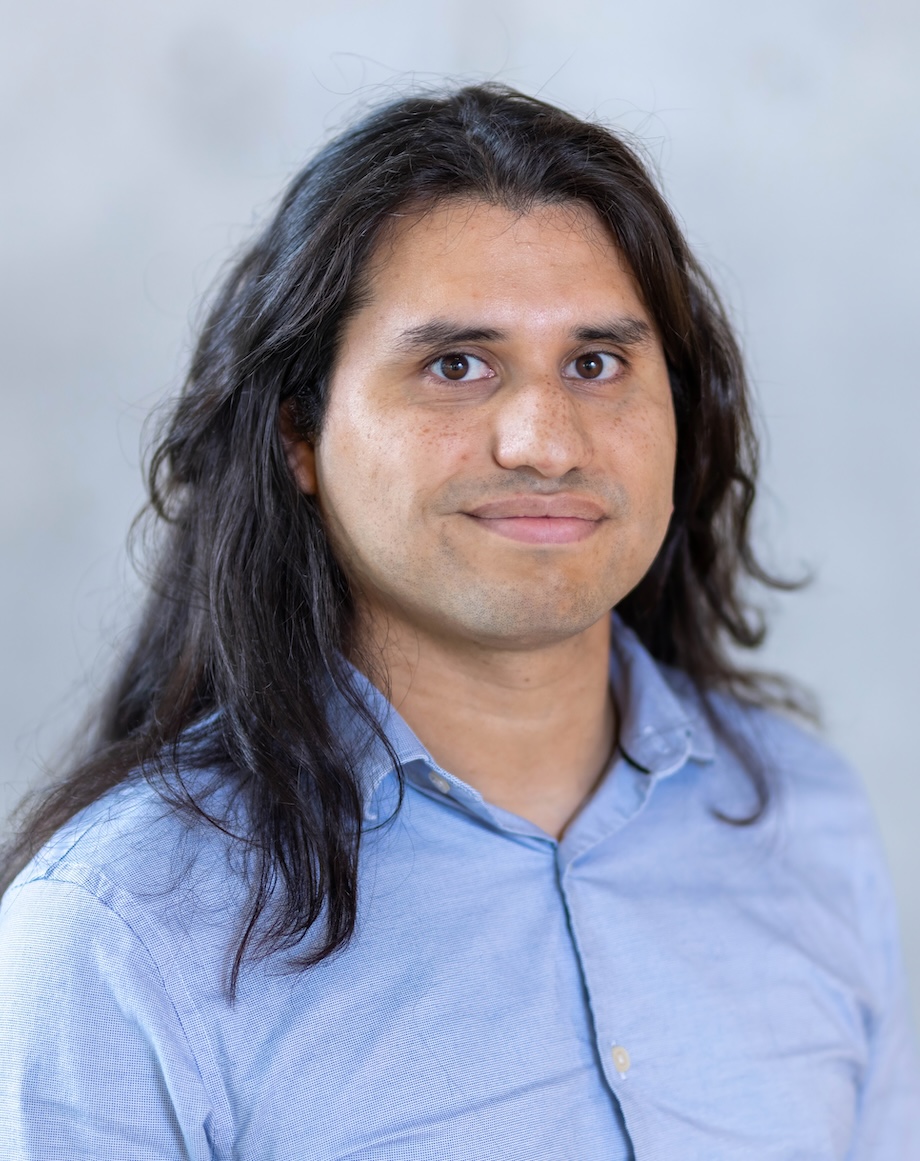
Aaron Lotvola, M.Sc., Ph.D.
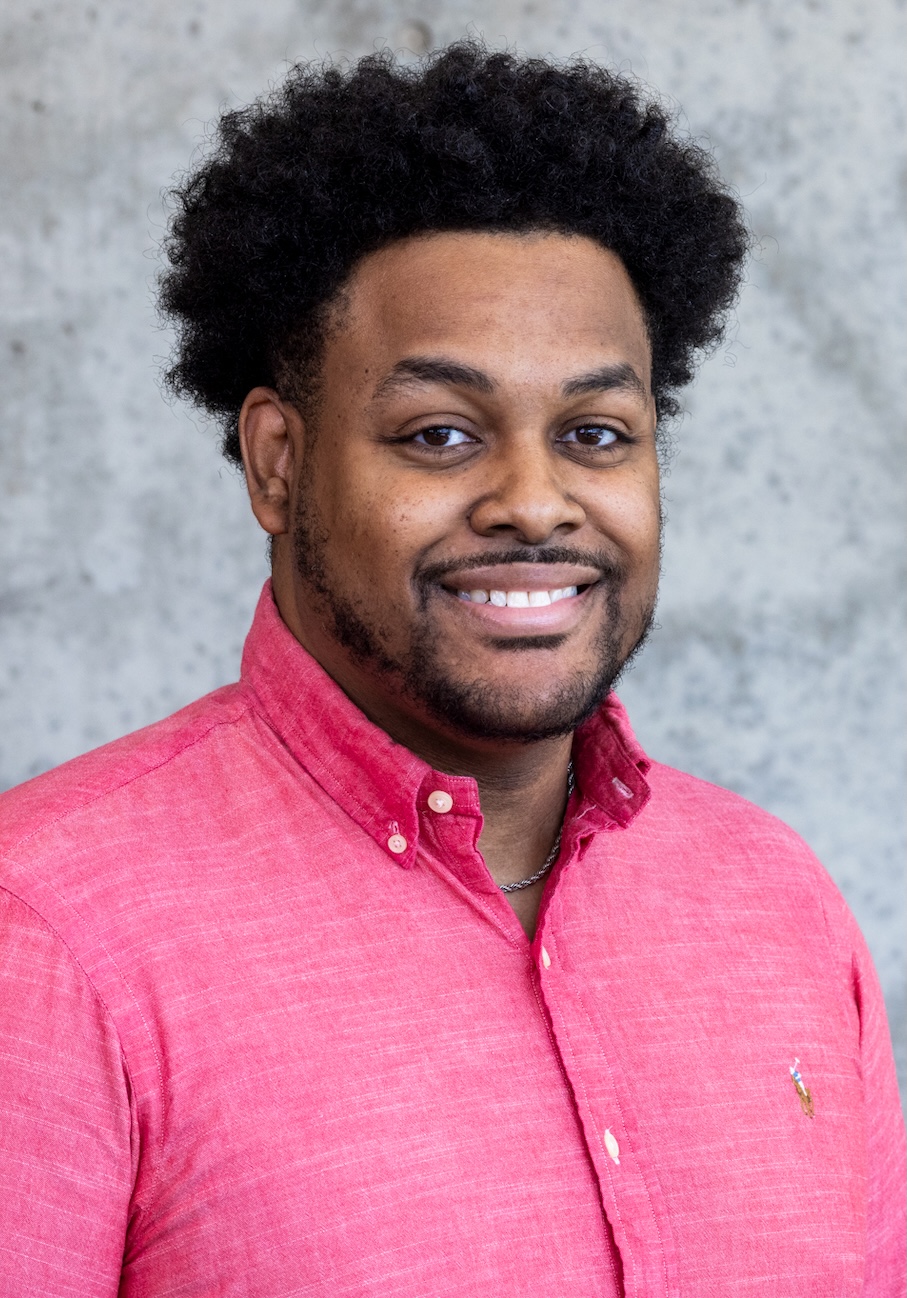
Dominique Monroe, Ph.D.
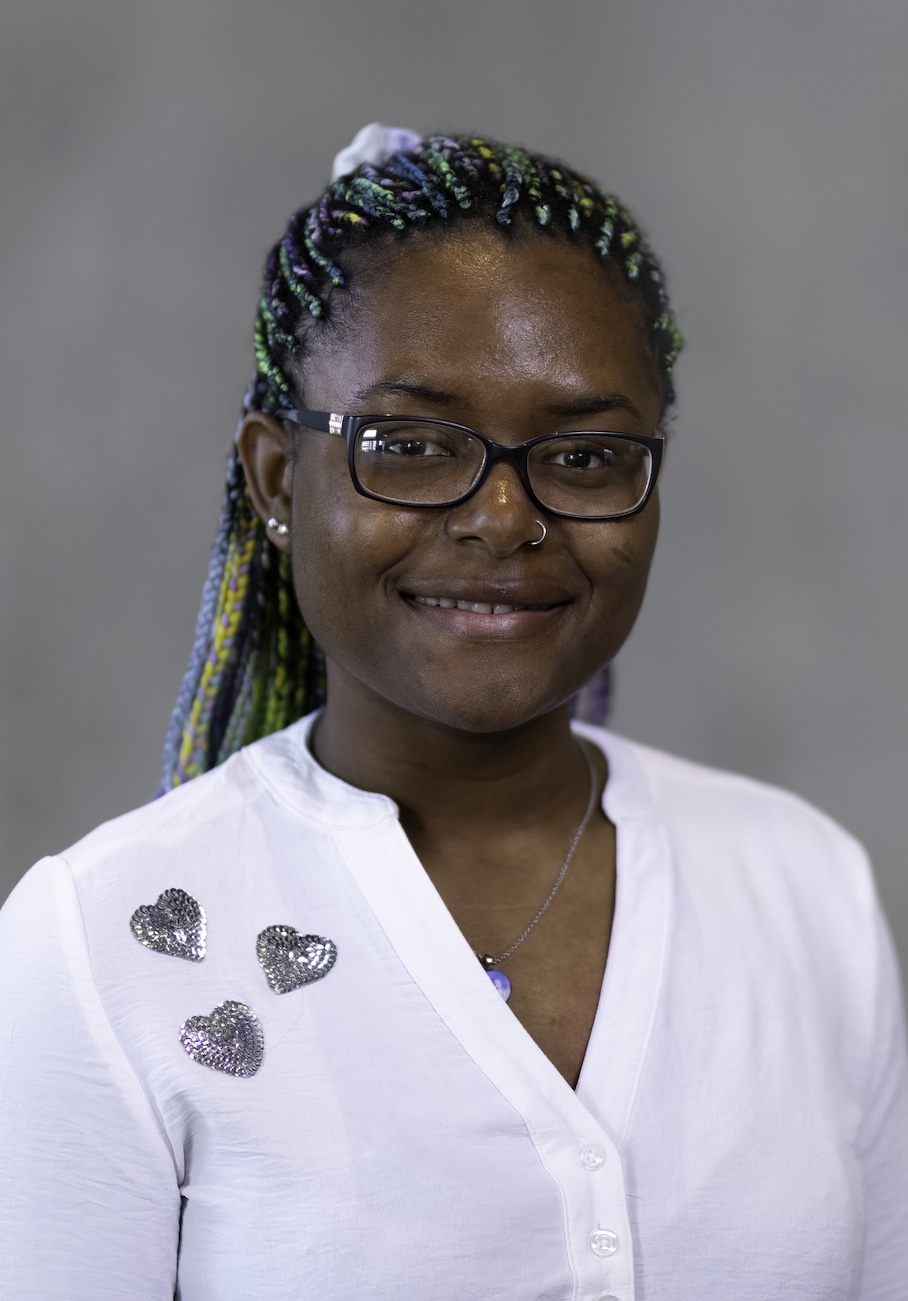
Felicia Ebot Ojong, Ph.D.
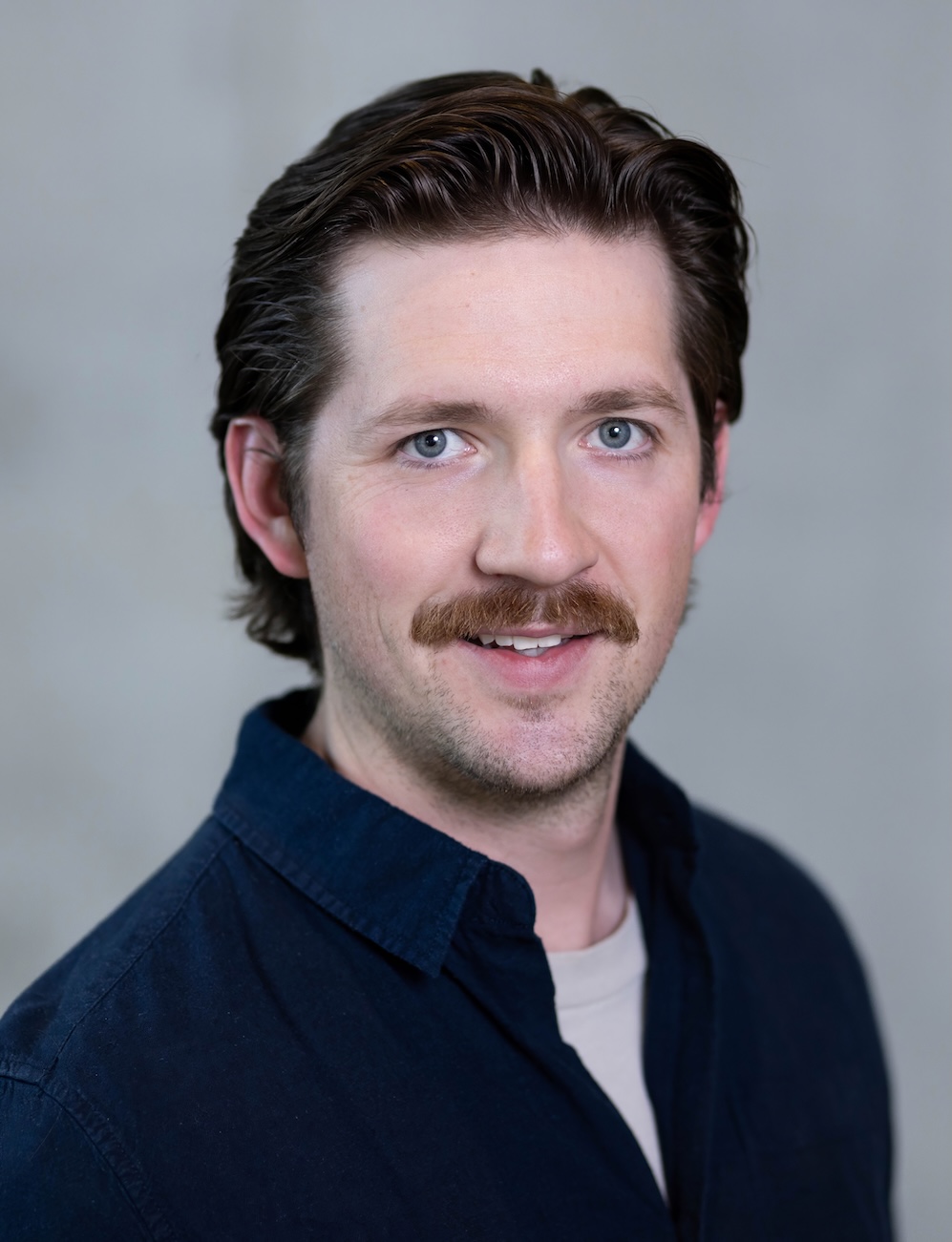
Adam Olson, Ph.D.
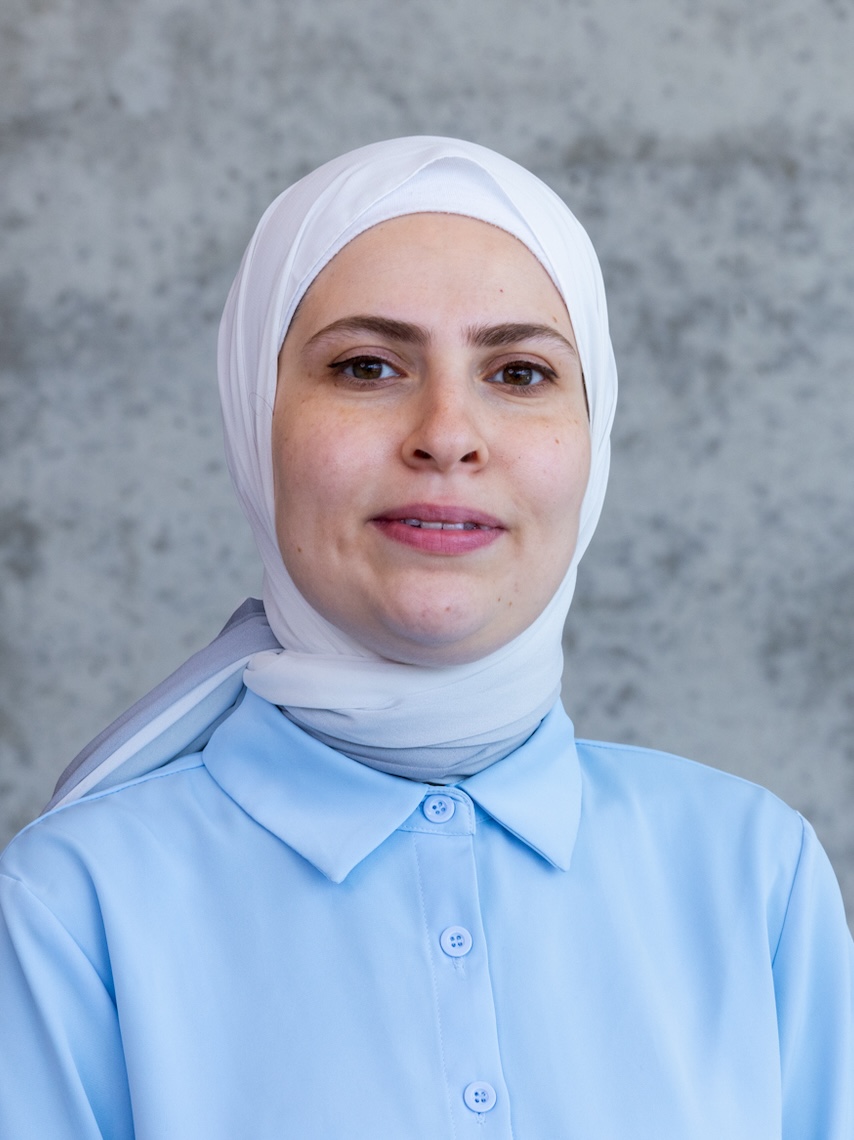
Nour El Osmani, Ph.D.
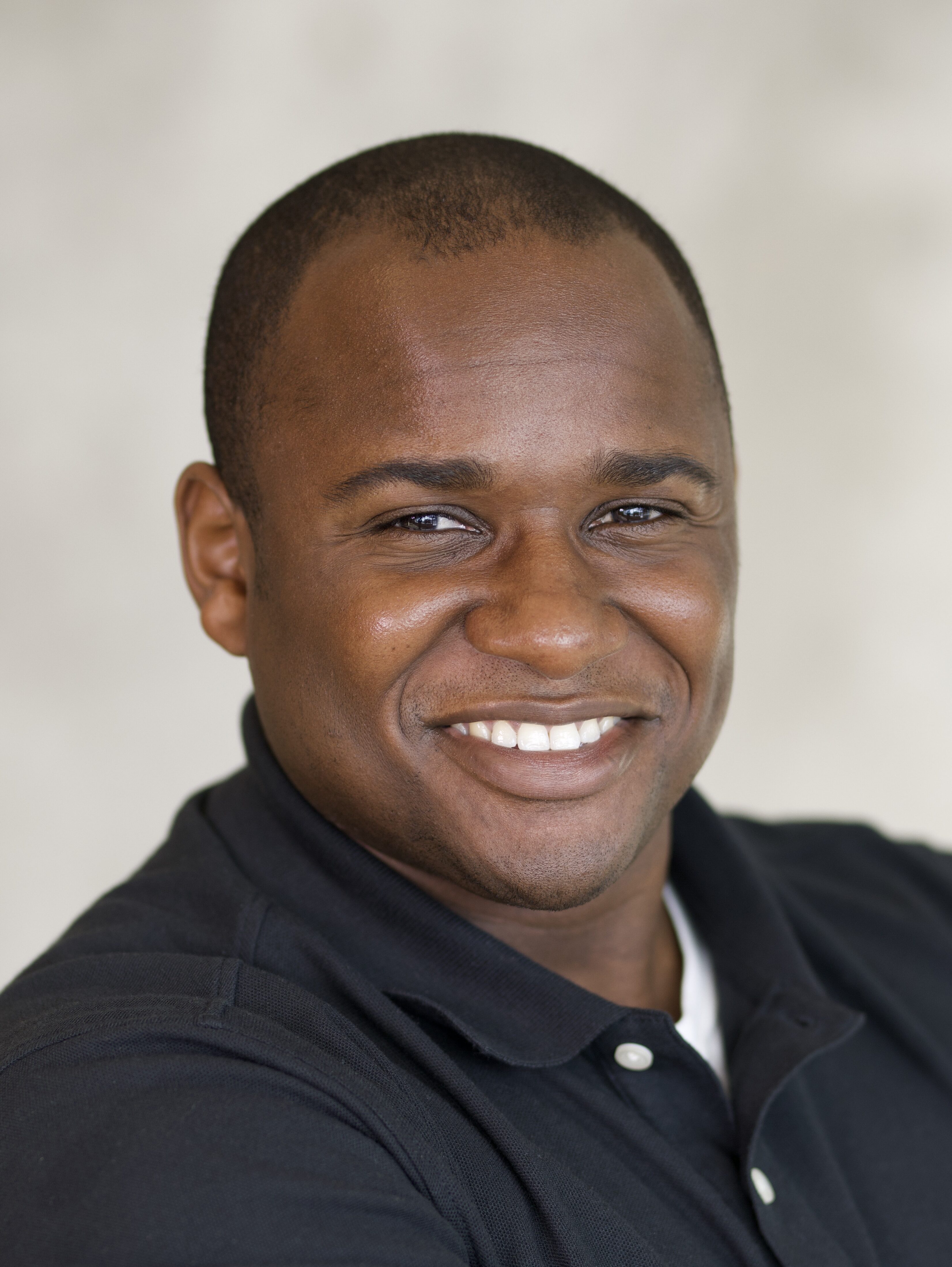
Theron Palmer, Ph.D.
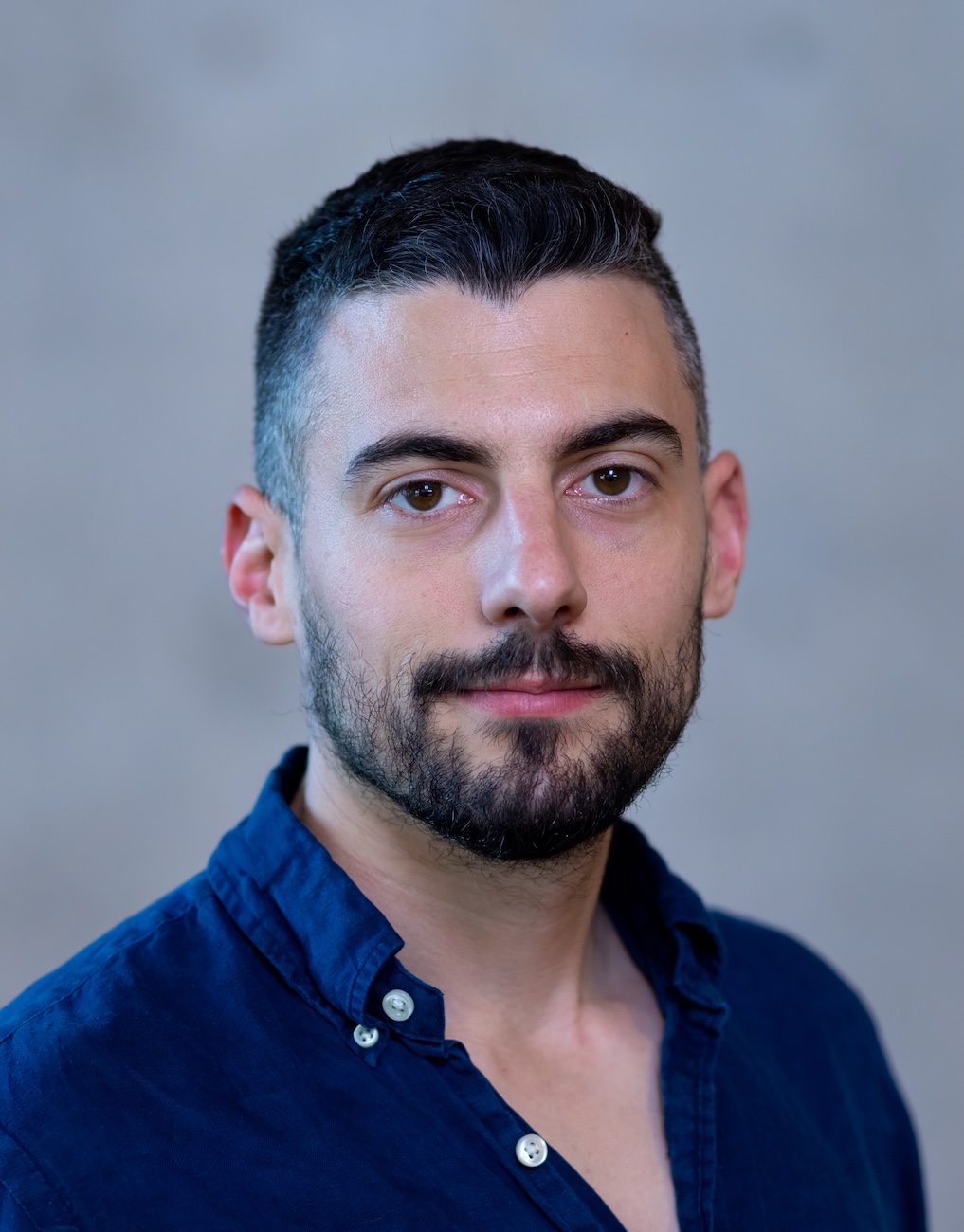
Pierre Priam, Ph.D.
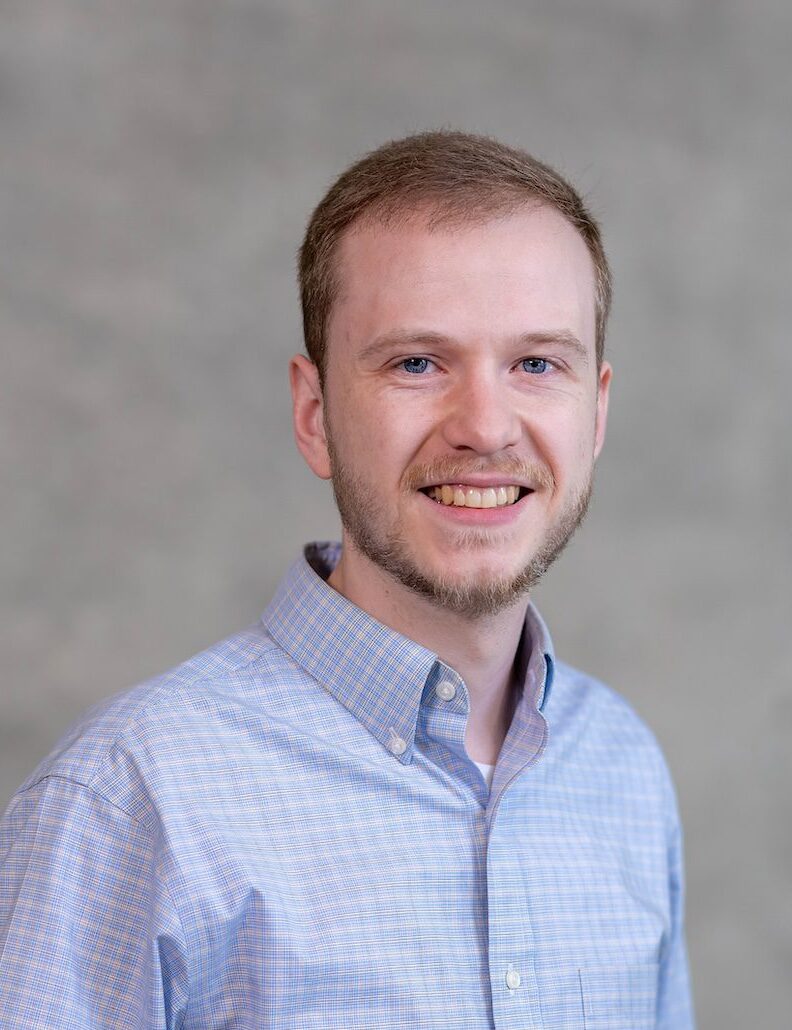
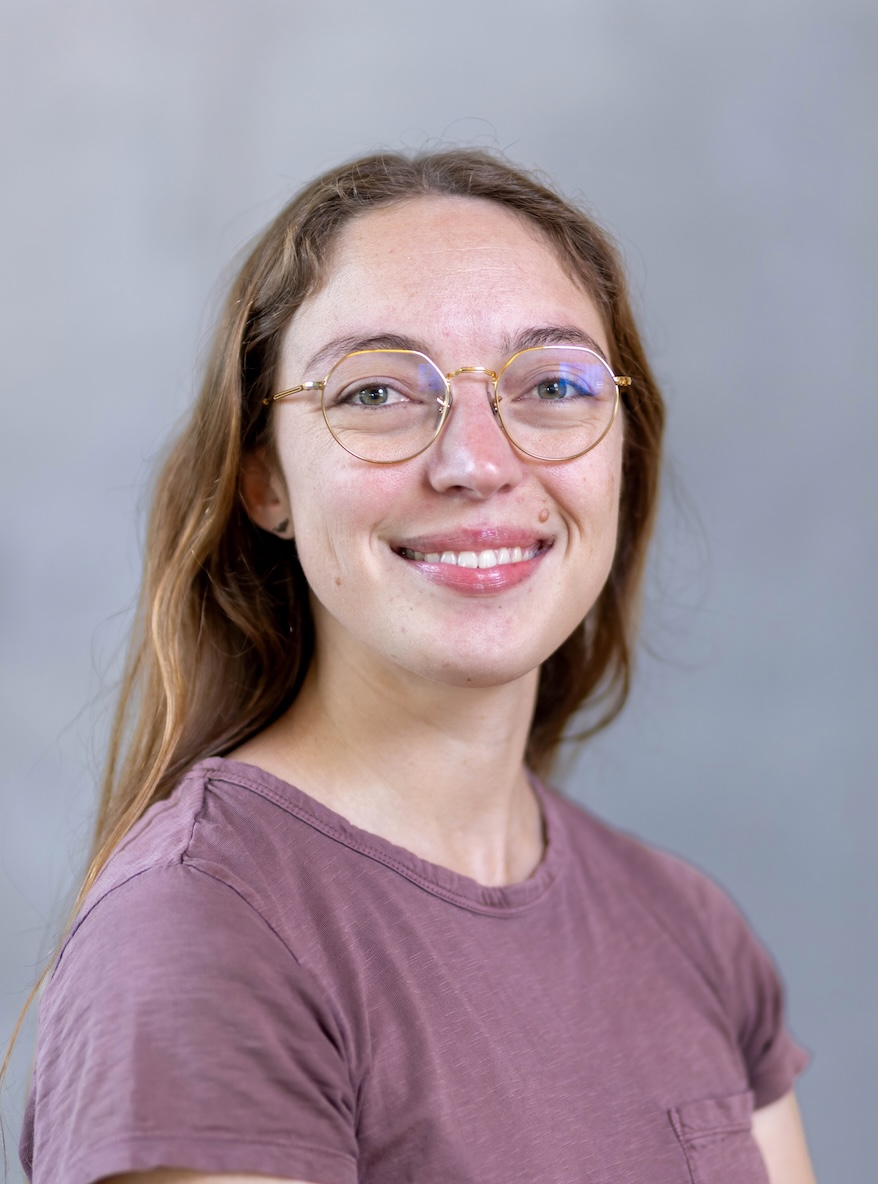
Ali Wilkening, Ph.D.
DEPARTMENT OF NEURODEGENERATIVE SCIENCE
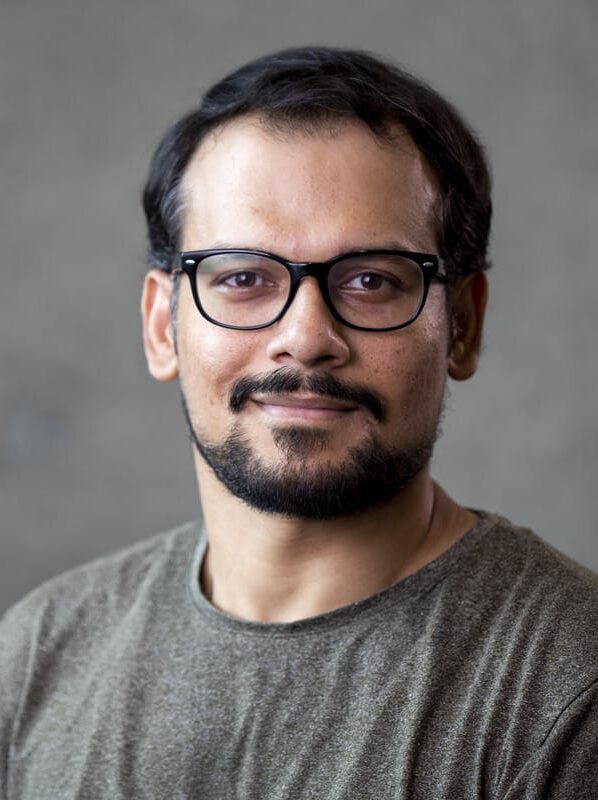
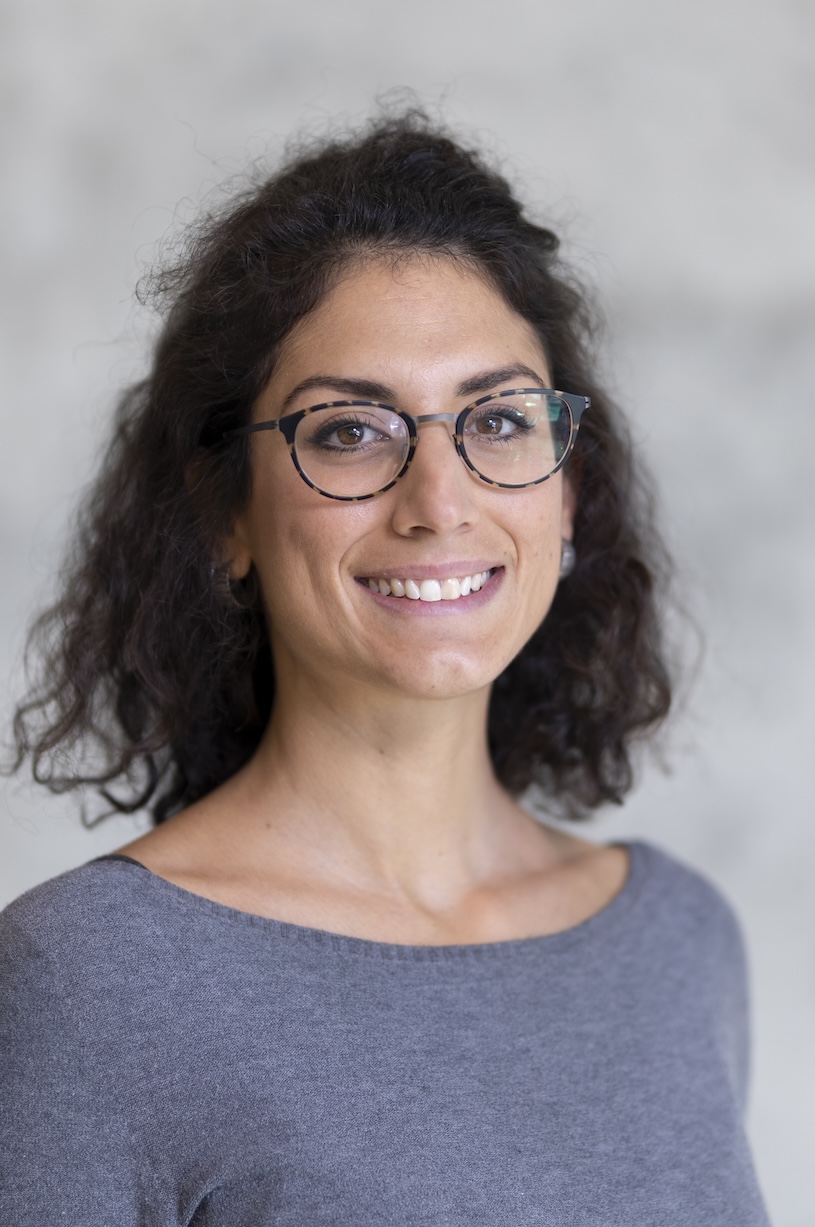
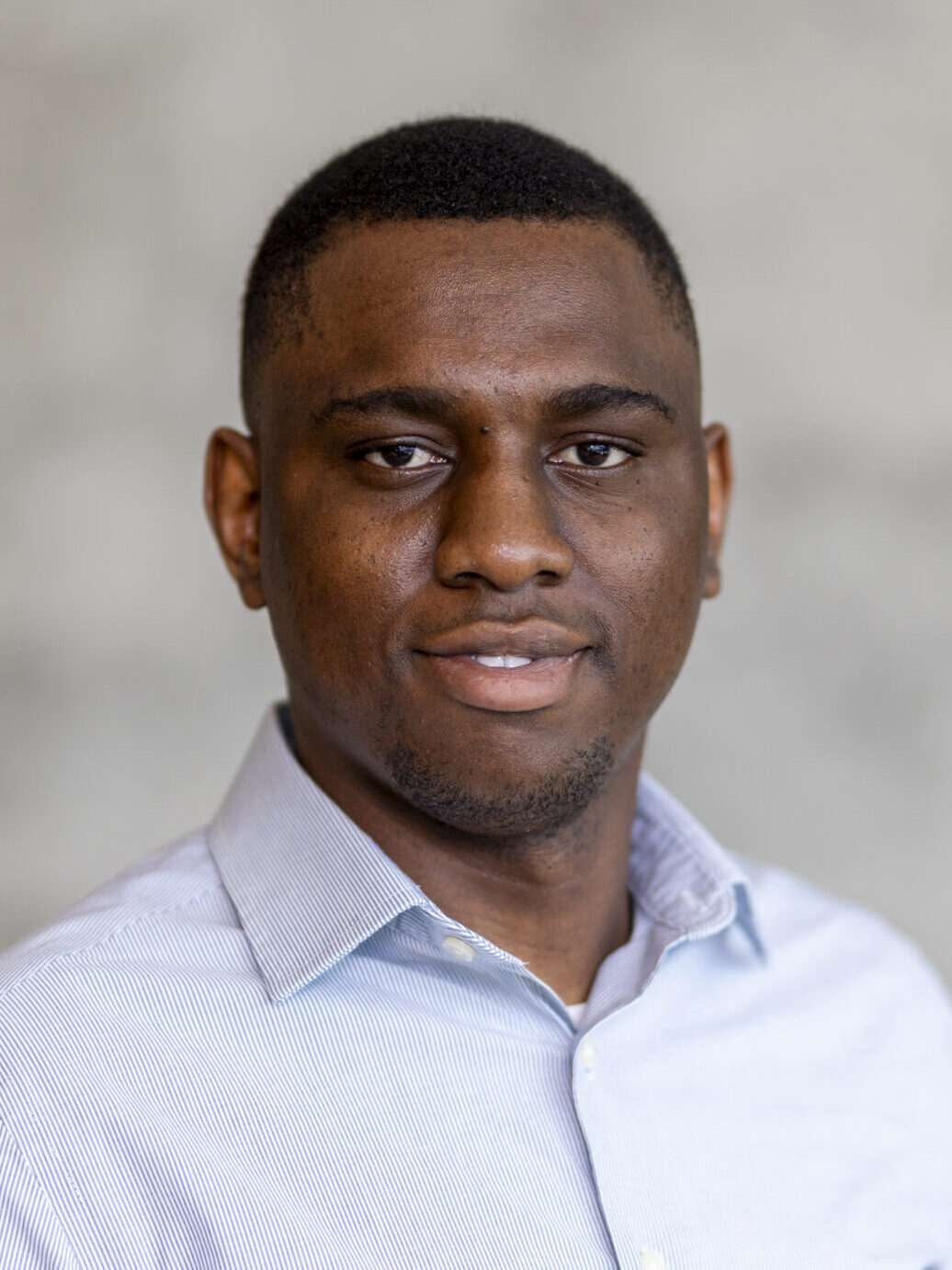
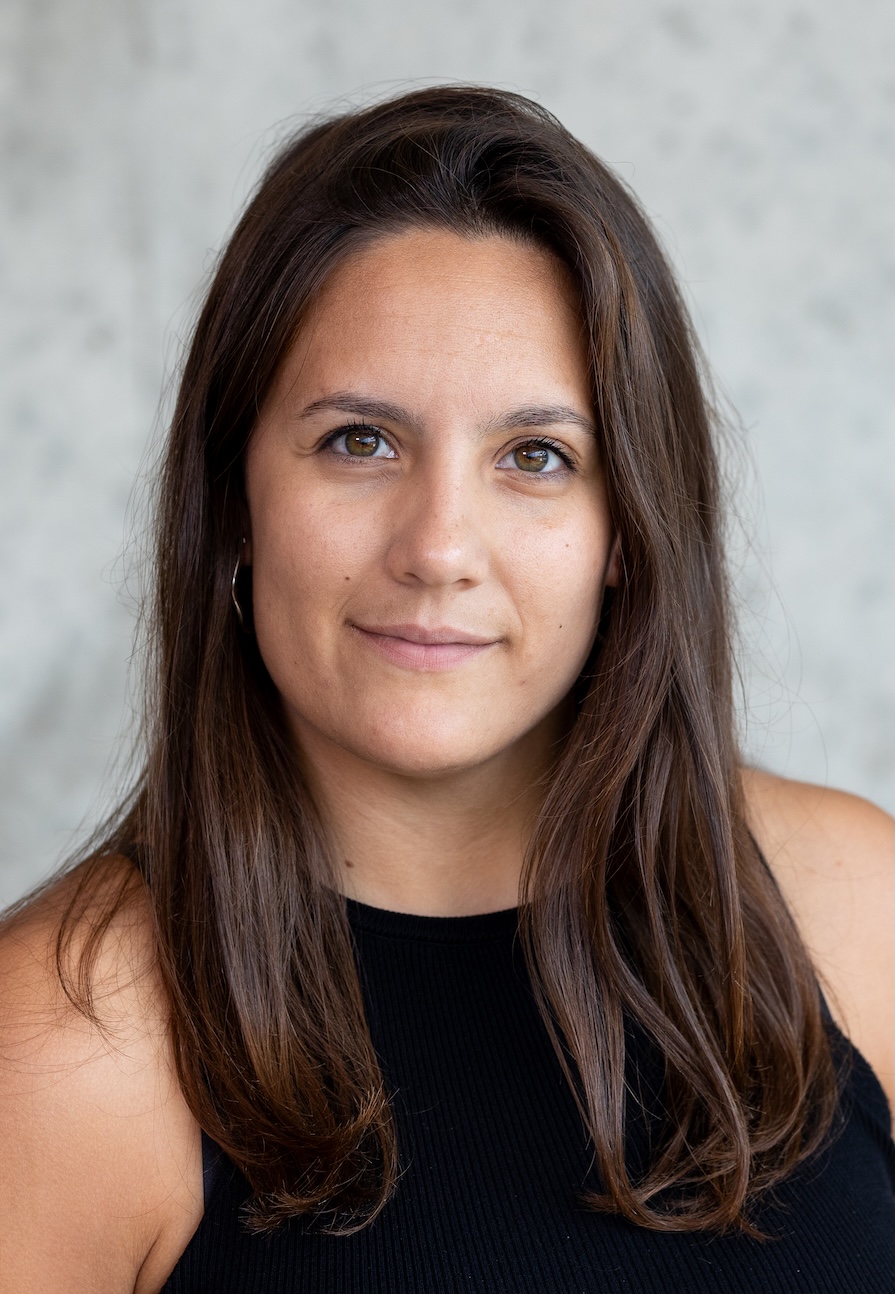
Vera Martin Masegosa, Ph.D.
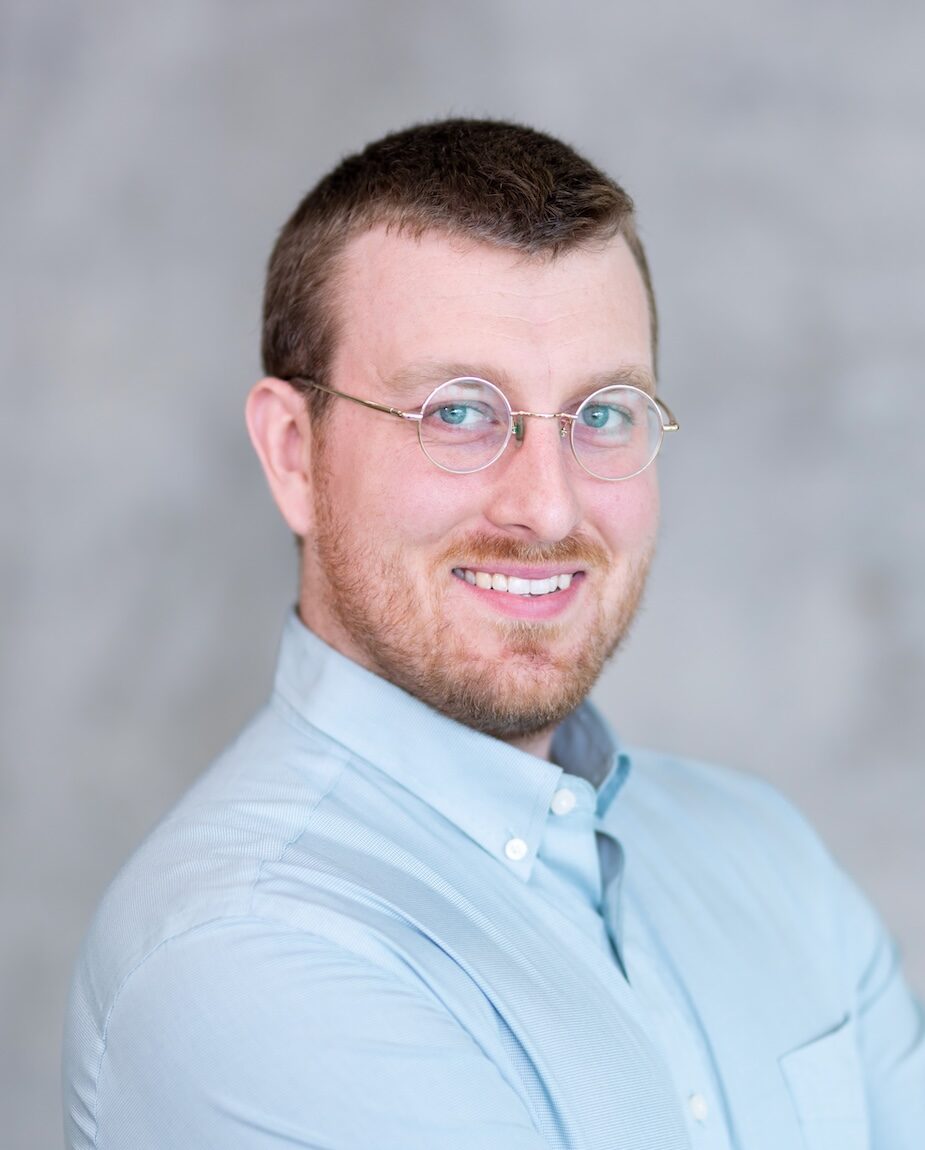
Brandon Meyerink, Ph.D.
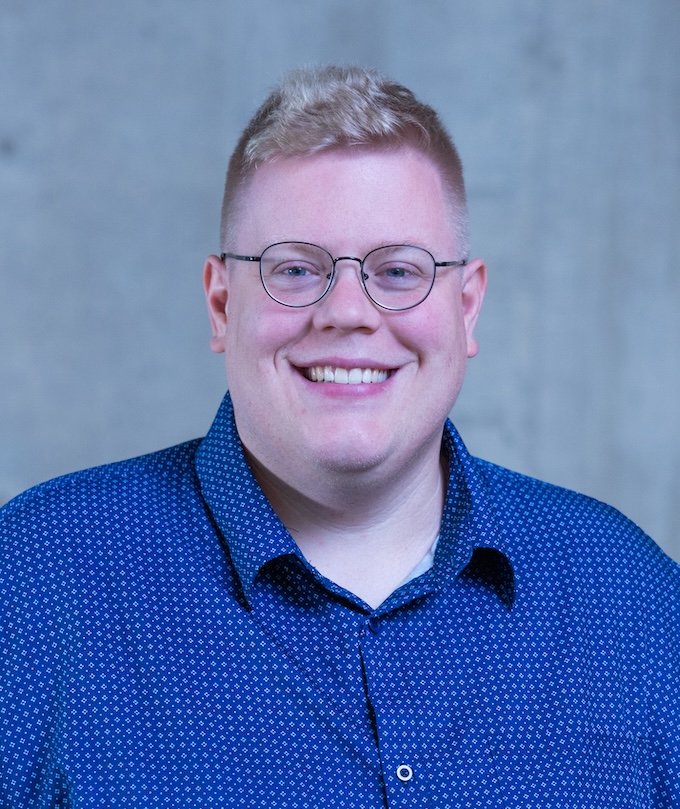
Cody Morrison, Ph.D.
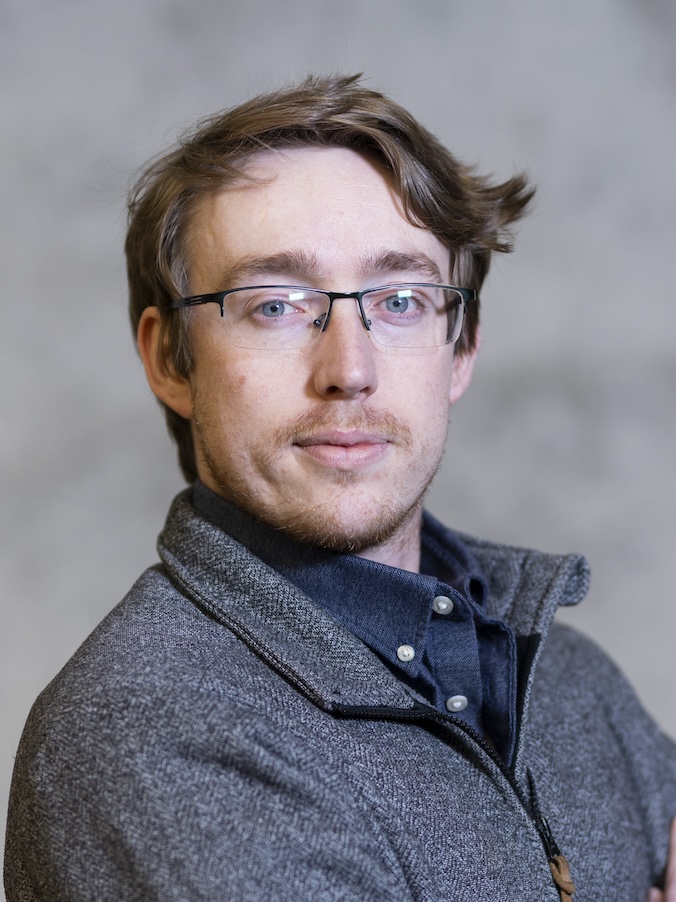
Jordan Rowlands, Ph.D.
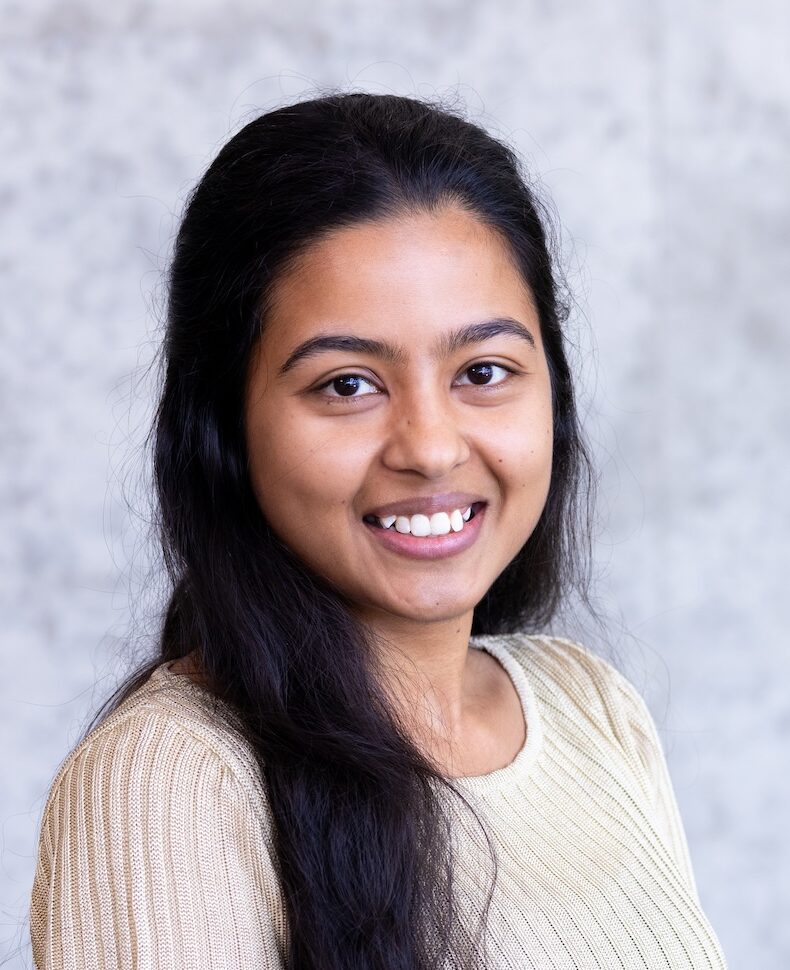
Aastha Singh, Ph.D.
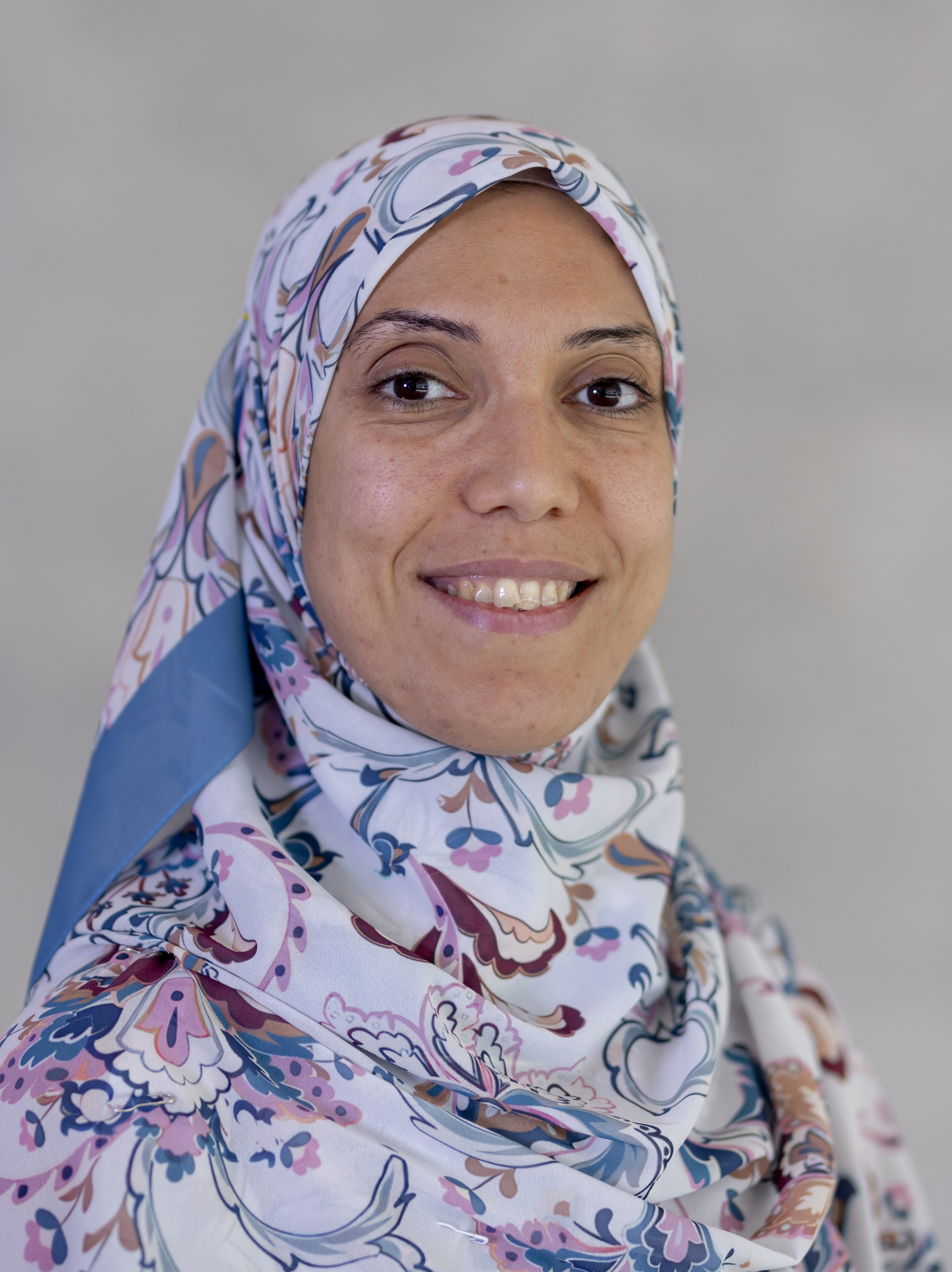
Ahlam Soliman, Ph.D.
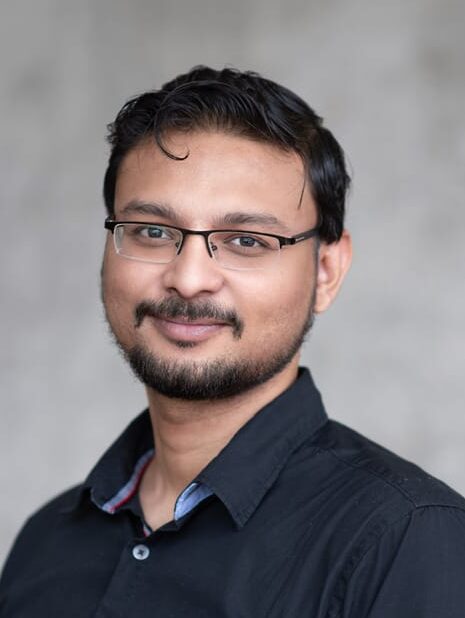
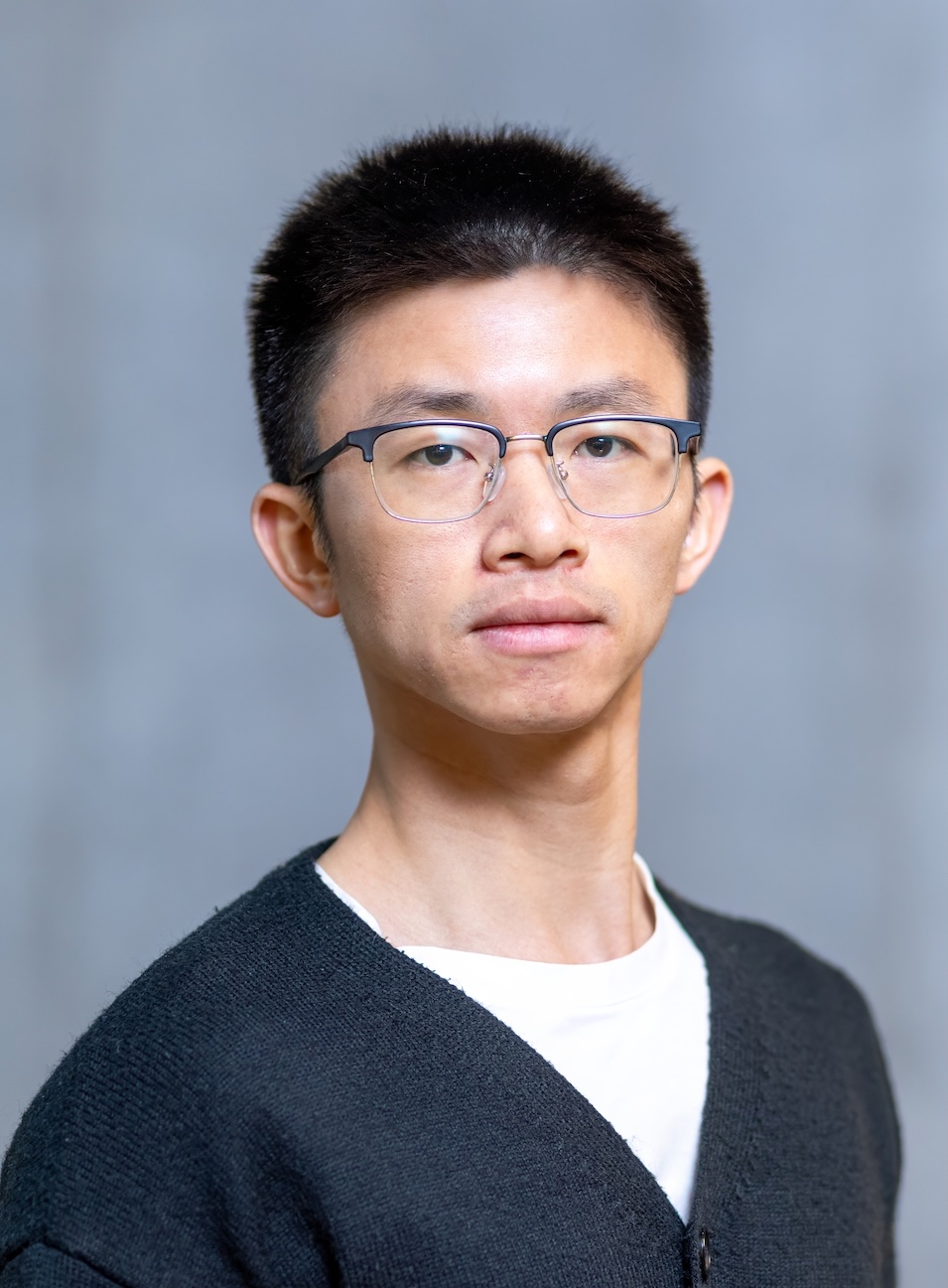
Jing Xiao, Ph.D.
DEPARTMENT OF CELL BIOLOGY

Saumya Bhagat, Ph.D.
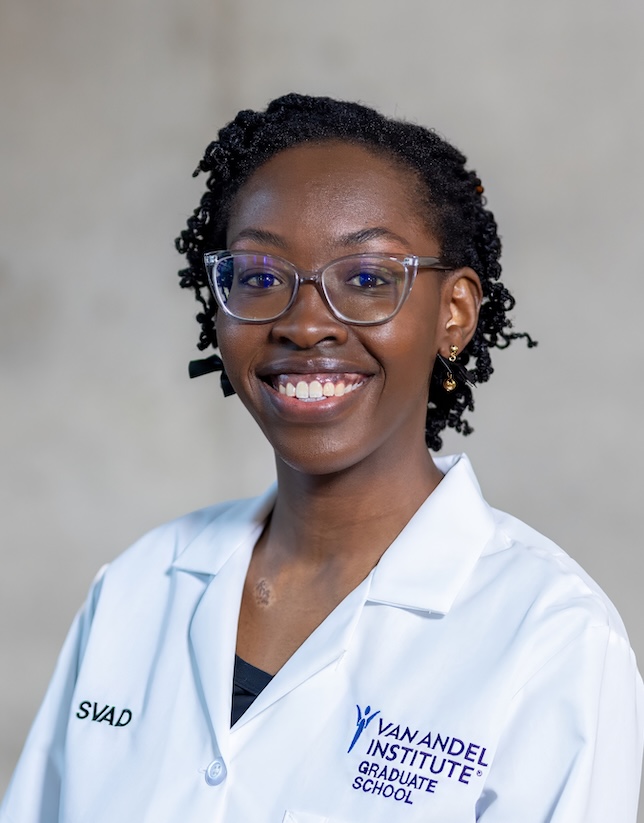
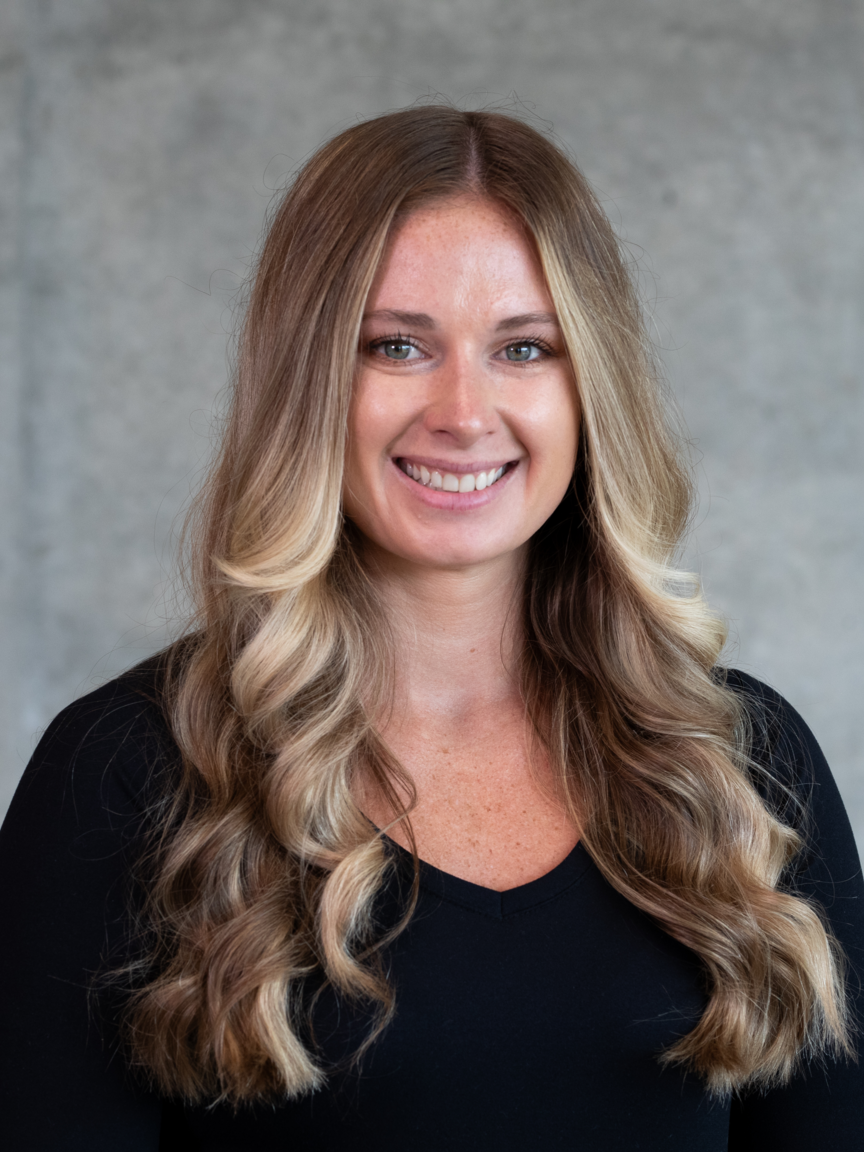
Reliza McGinnis, Ph.D.
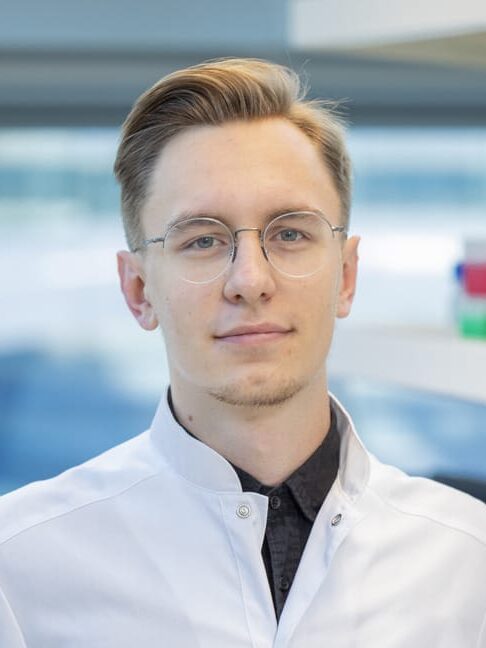
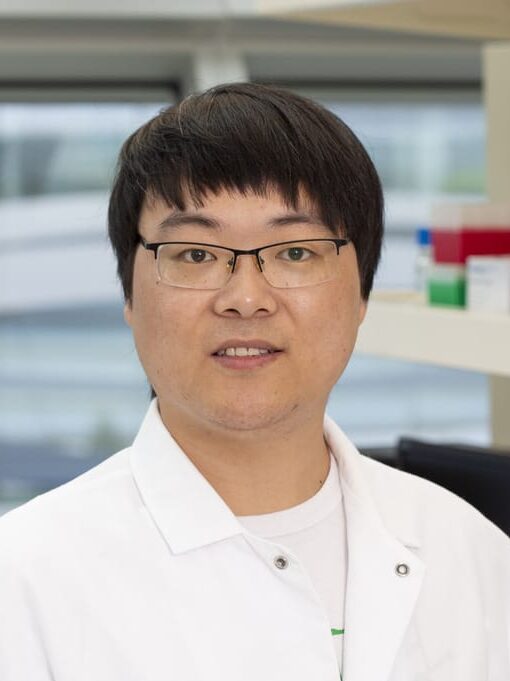
Yaguang Zhao, Ph.D.
DEPARTMENT OF STRUCTURAL BIOLOGY
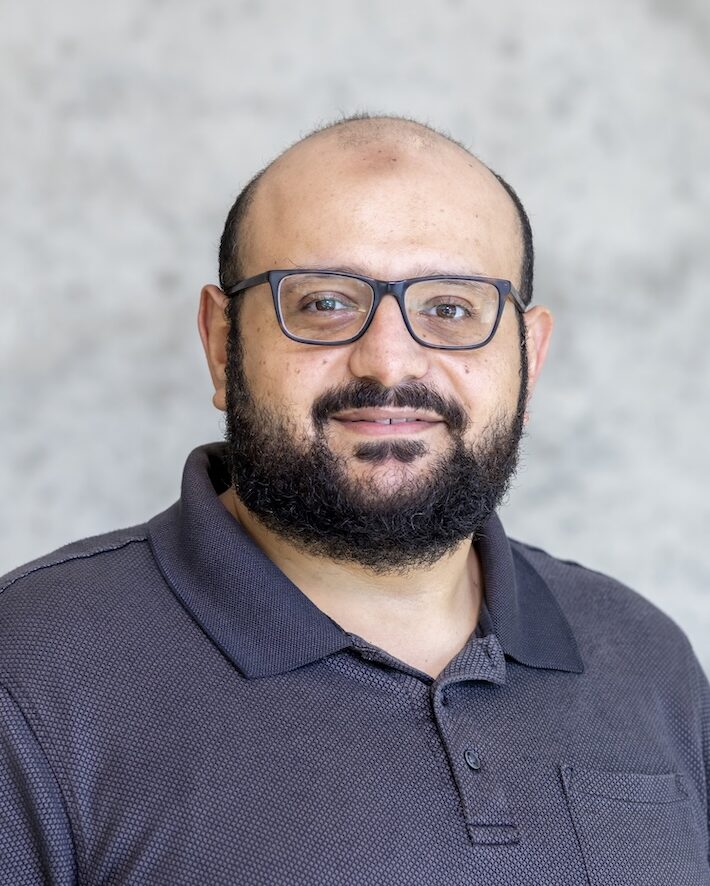
Mohammed Alhadidy, Ph.D.
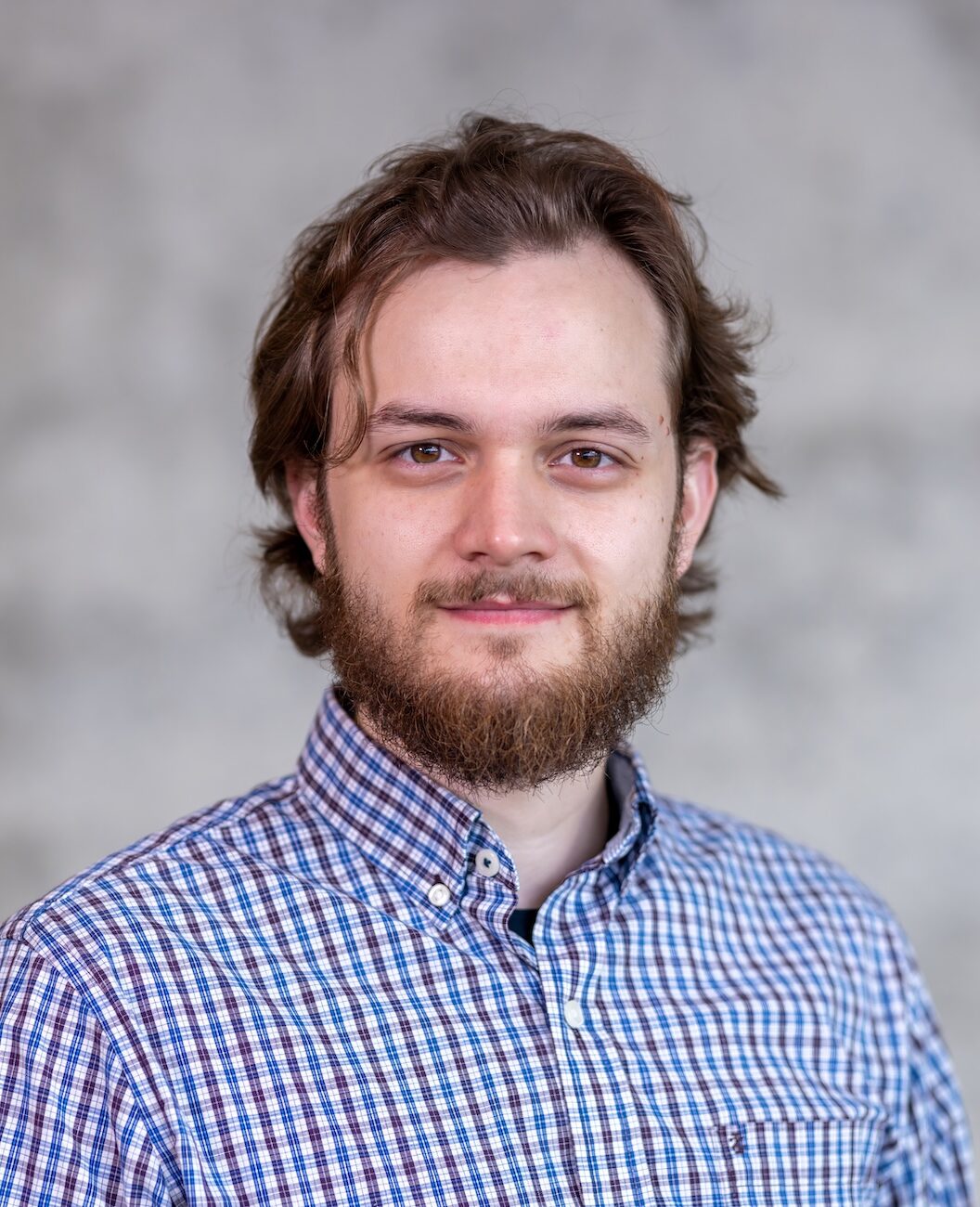
David Bushhouse, Ph.D.
Alison Haymaker, Ph.D.
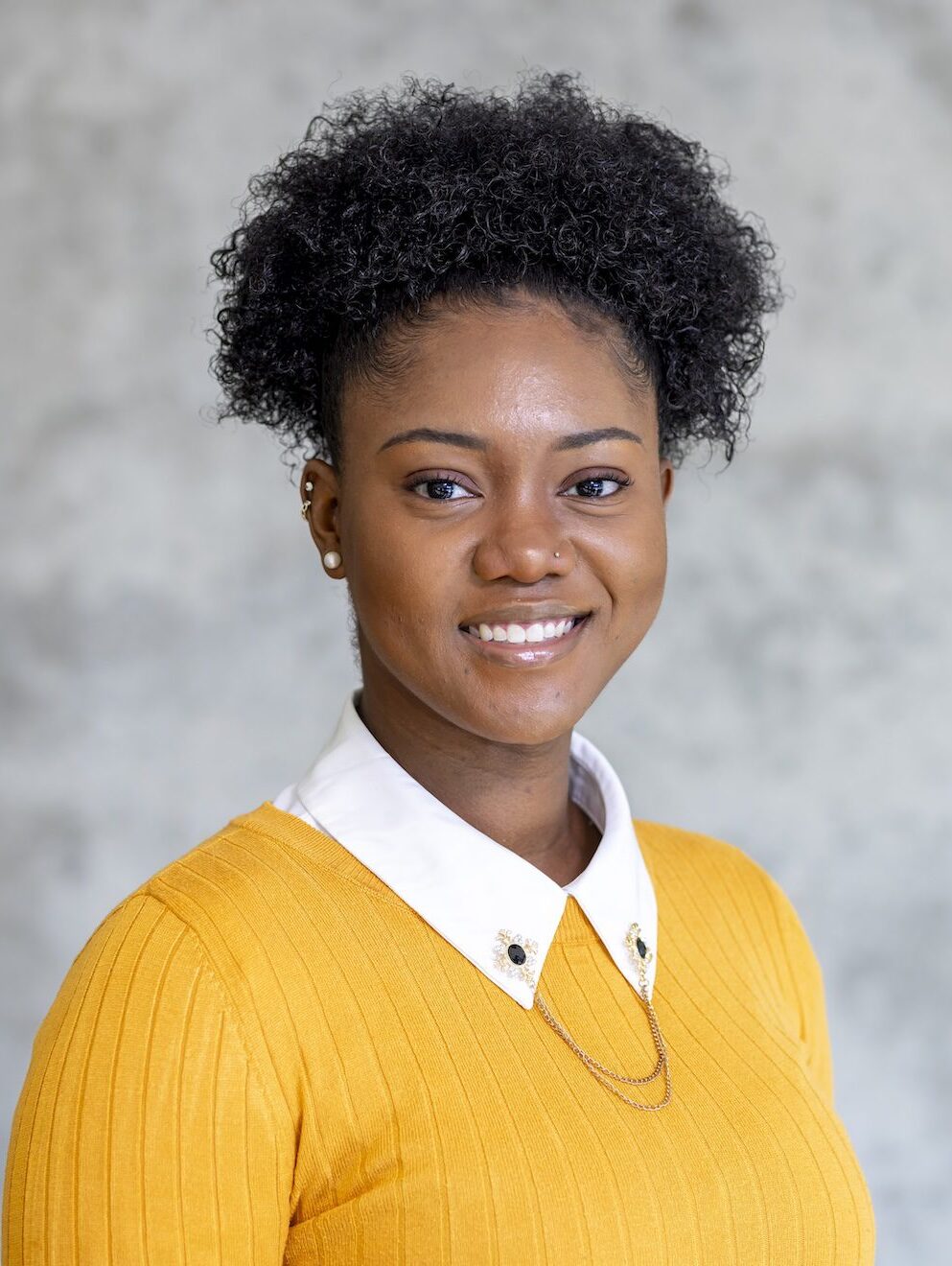
Tiara Hinton, Ph.D.
Kexin Ji, Ph.D.
Youjin Kim, Ph.D.

Yichao Liu, Ph.D.
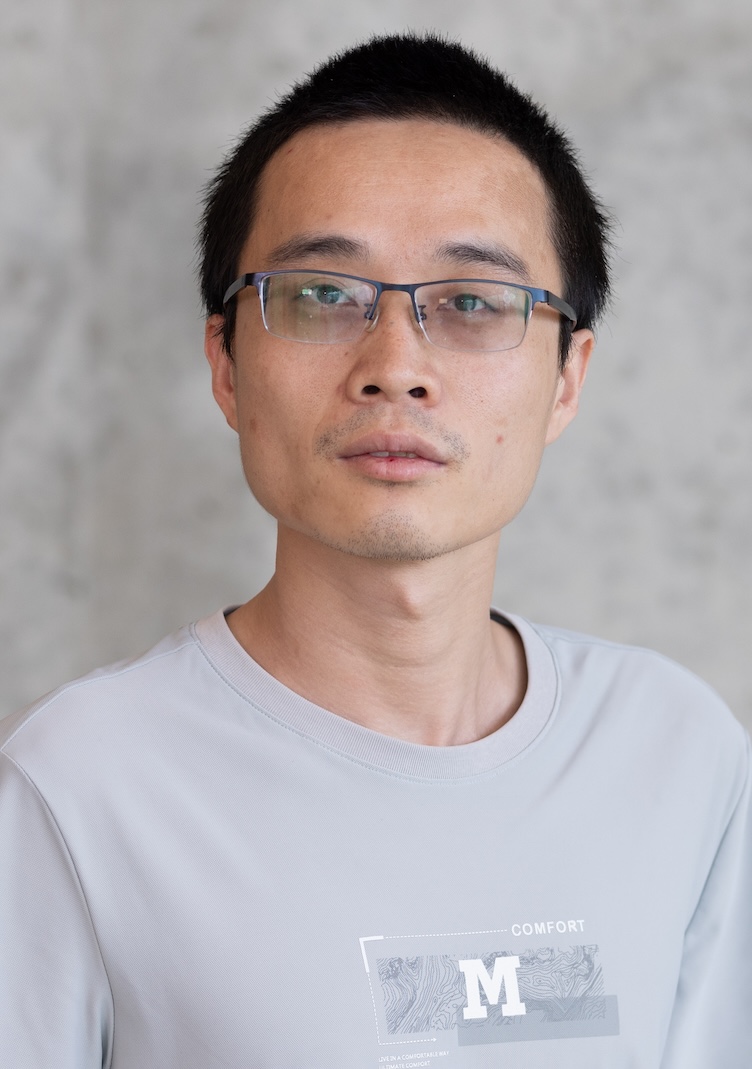
Zhengtao Liu, Ph.D.
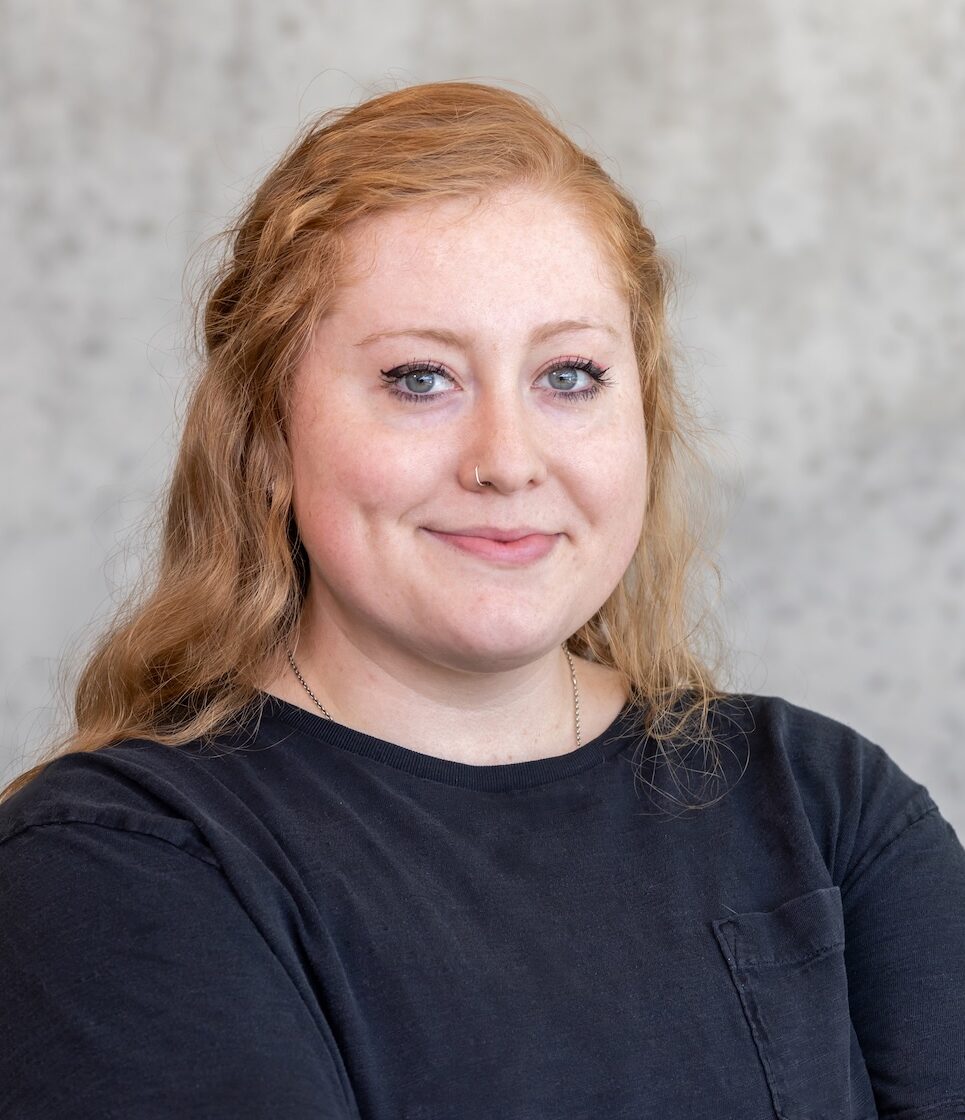
Kiera Malone, Ph.D.
Daniel Mendez, Ph.D.
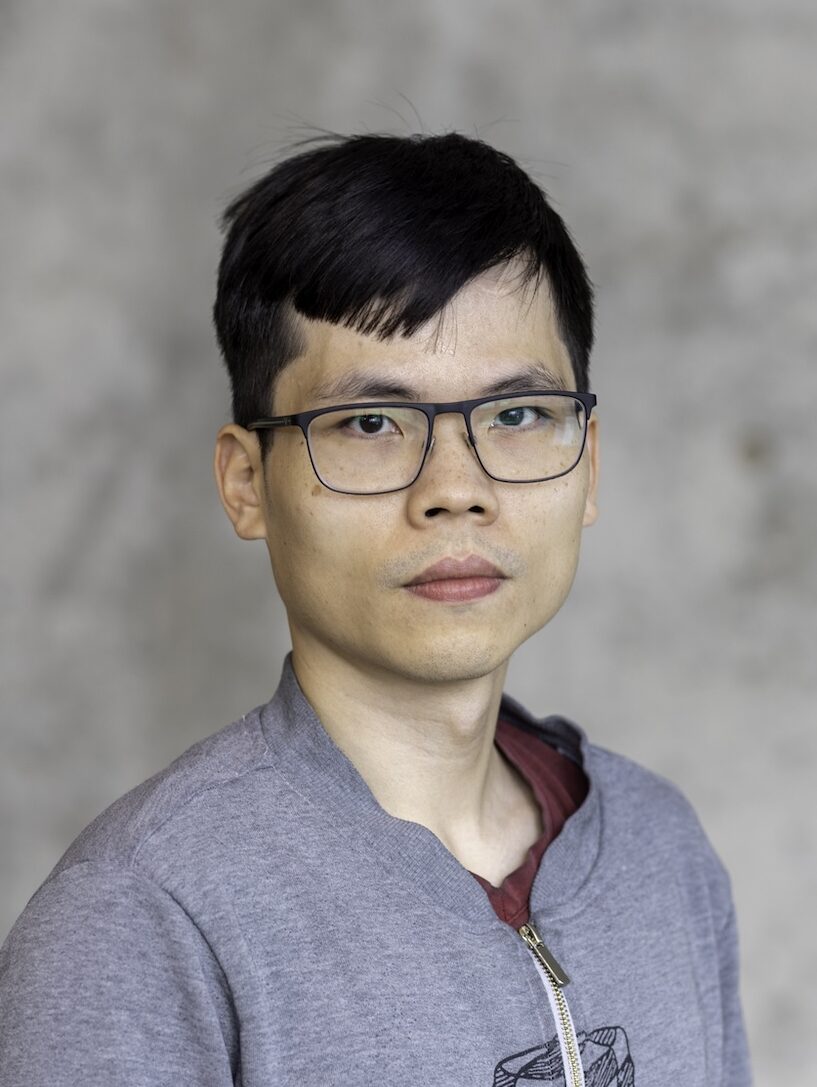
Quoc Phong Nguyen, Ph.D.
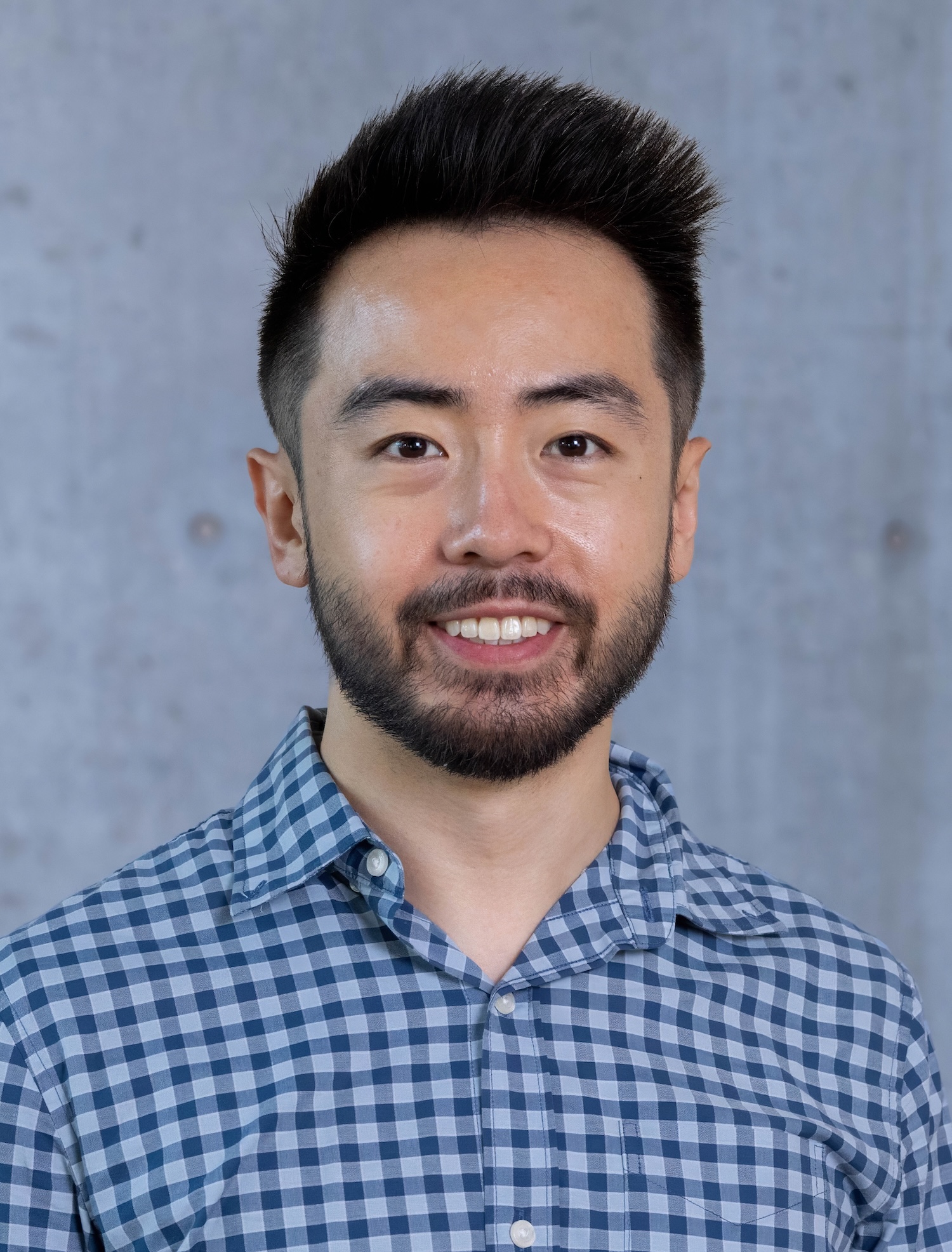
Henry Pan, Ph.D.
Na Qiu, Ph.D.
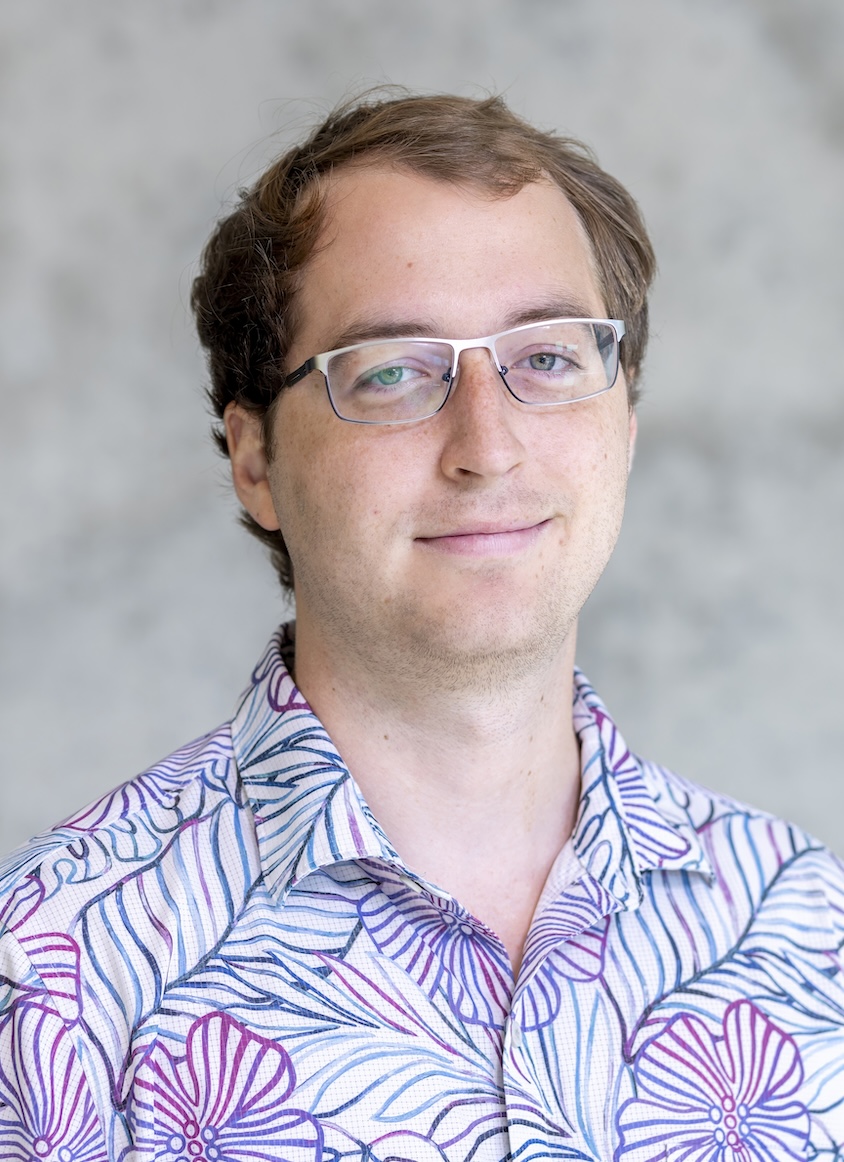
Mitchell Roth, Ph.D.
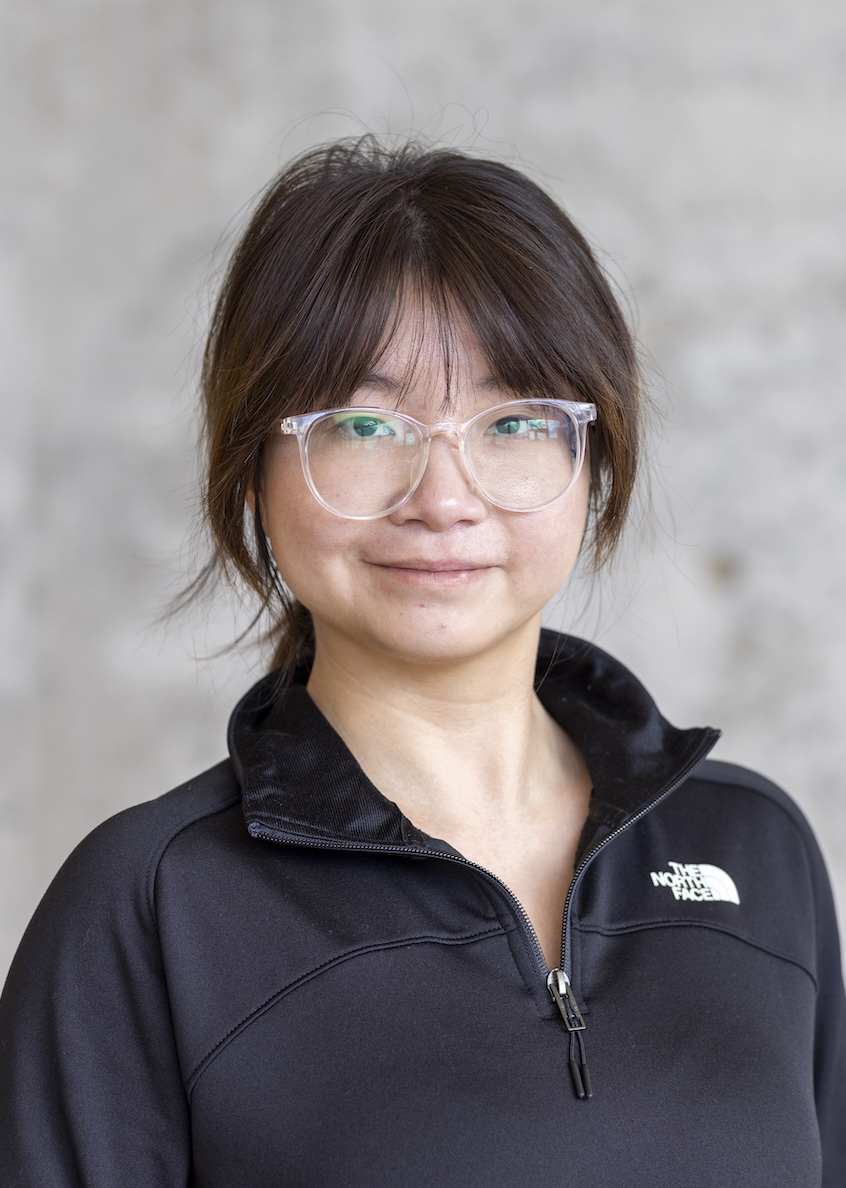
Yuerong Shu, Ph.D.
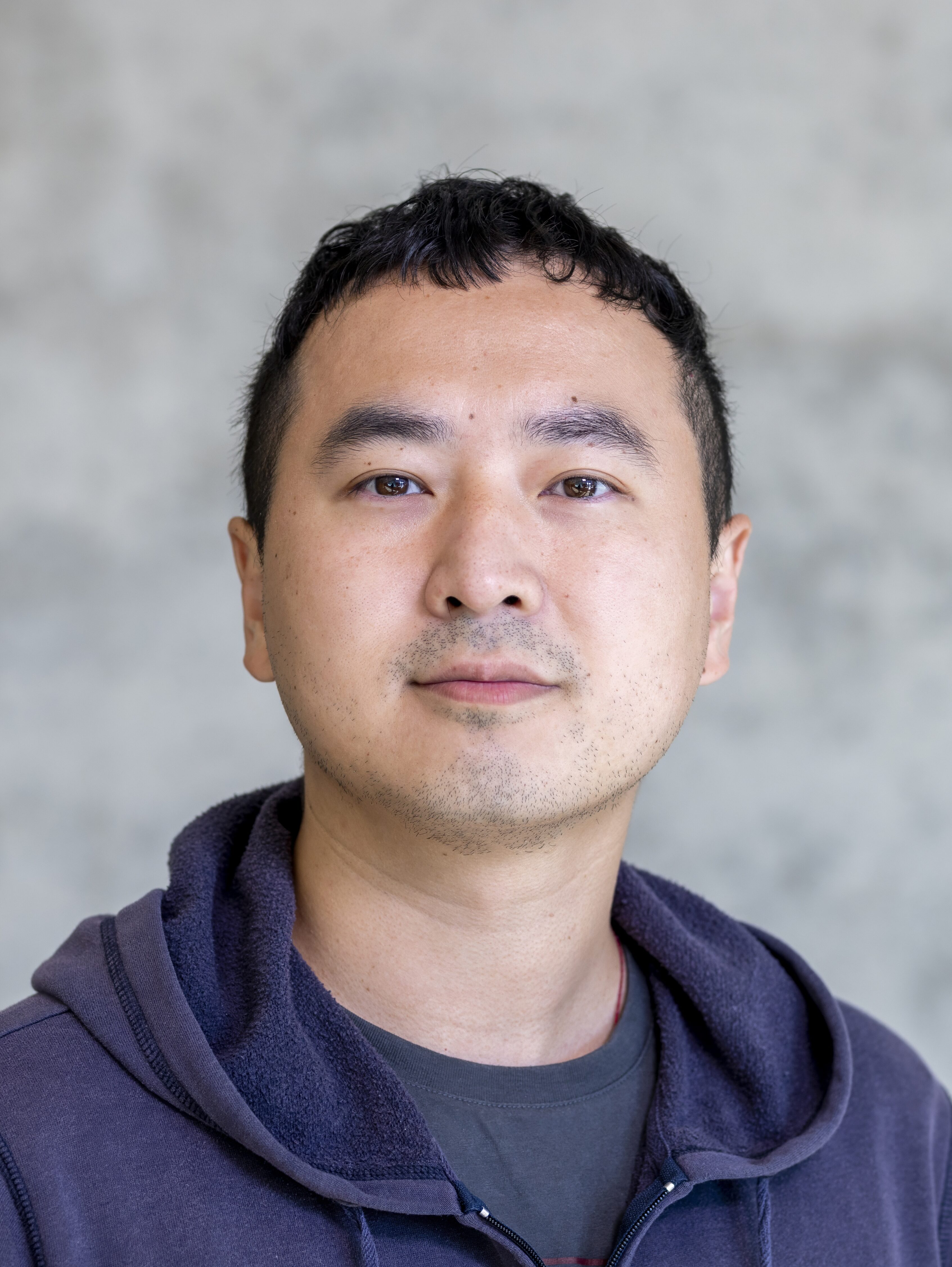
Taihao Yang, Ph.D.
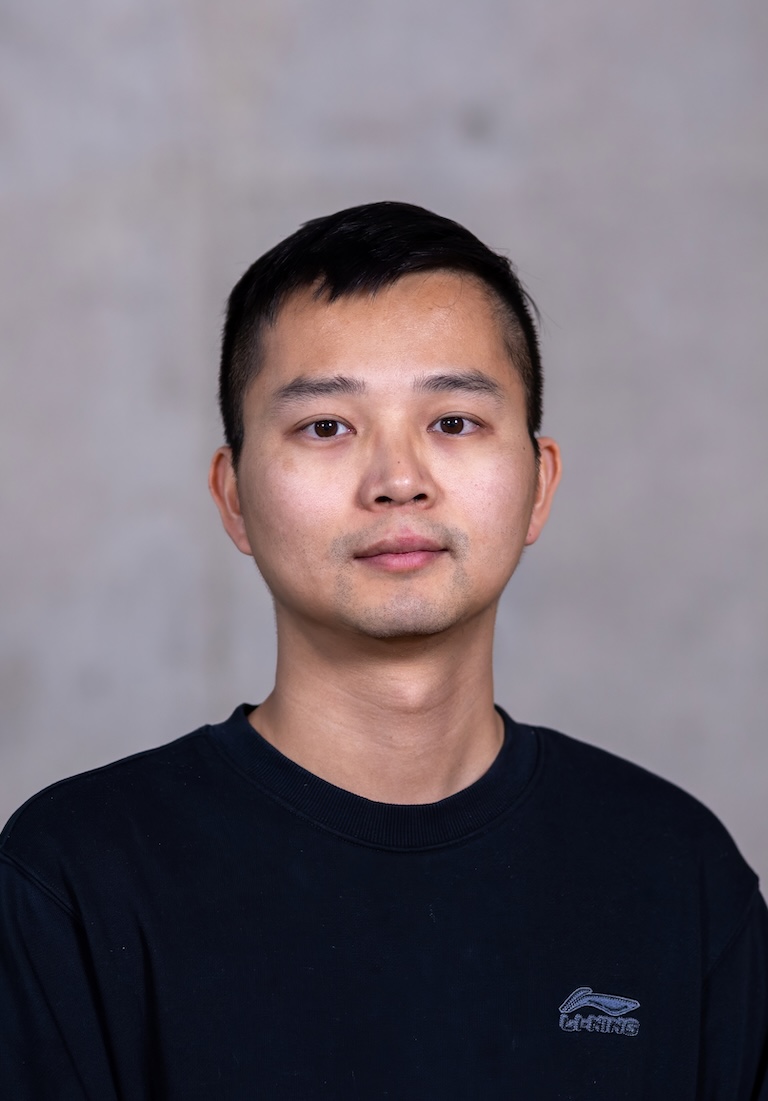
Hongwei Zhang, Ph.D.
DEPARTMENT OF METABOLISM AND NUTRITIONAL PROGRAMMING
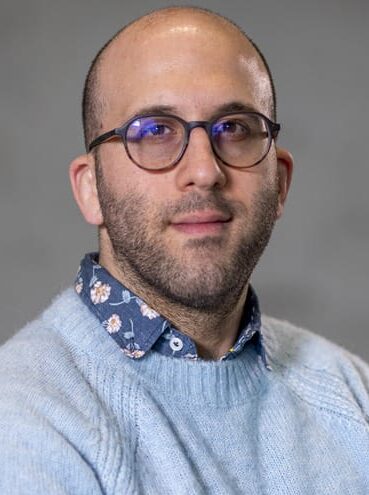
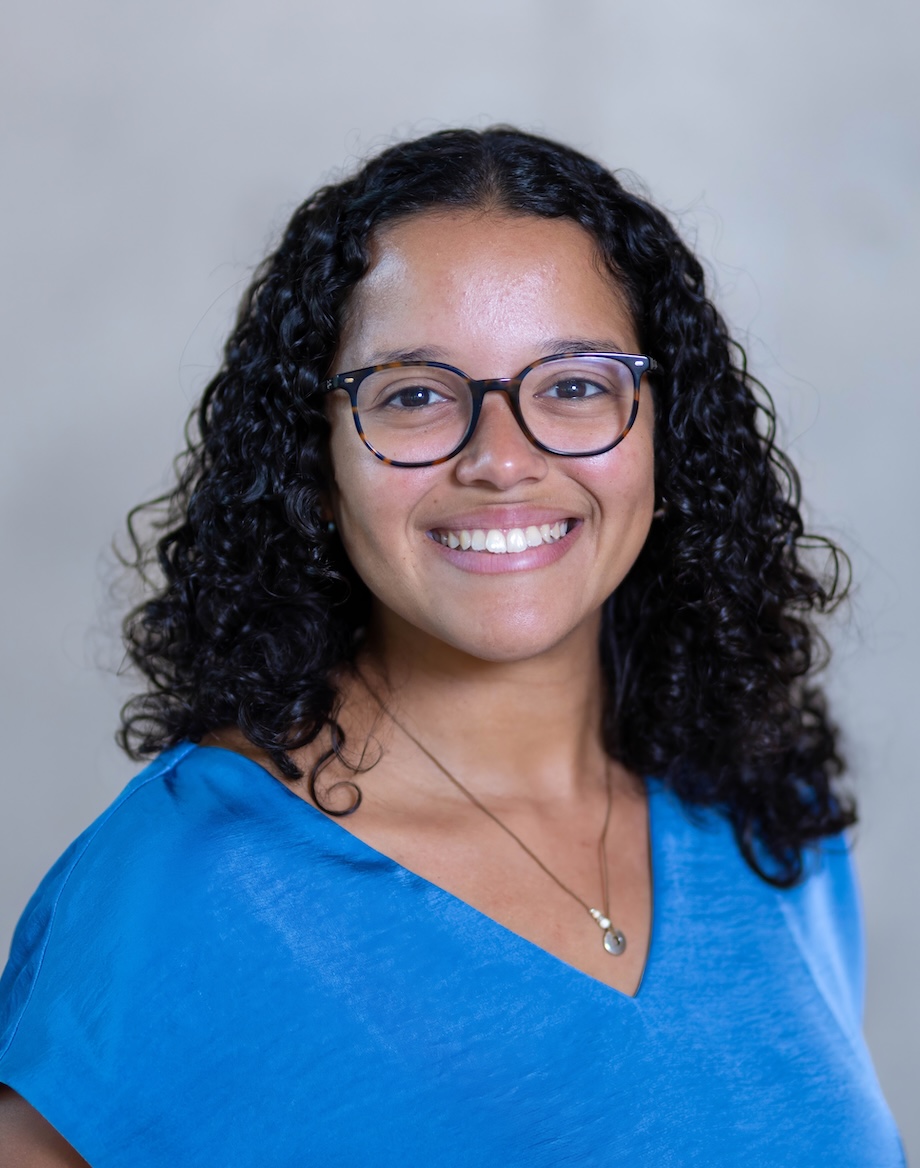
Andrea Lebron Figueroa, Ph.D.

Mya Gough, Ph.D.
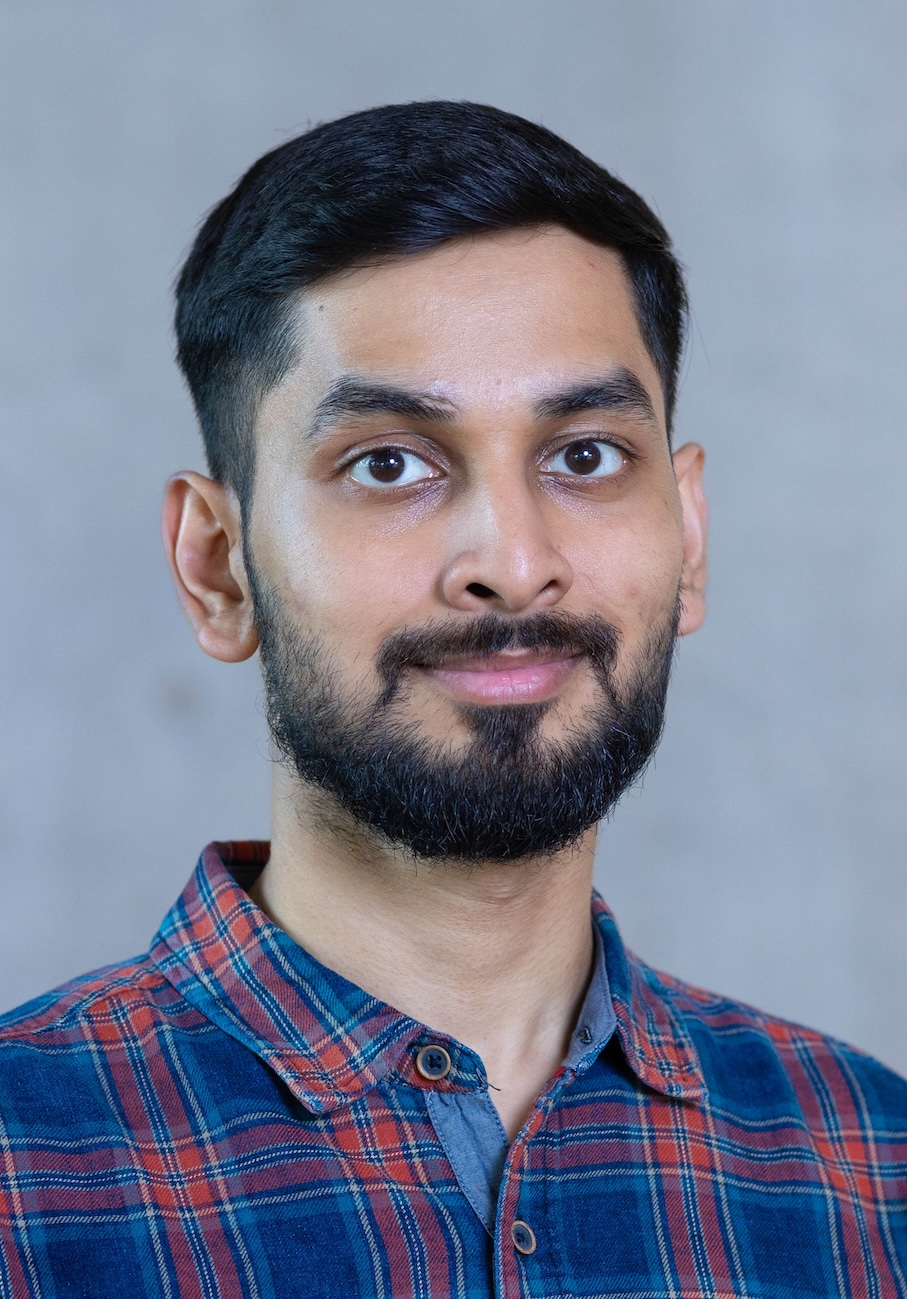
Ishu Gupta, Ph.D.
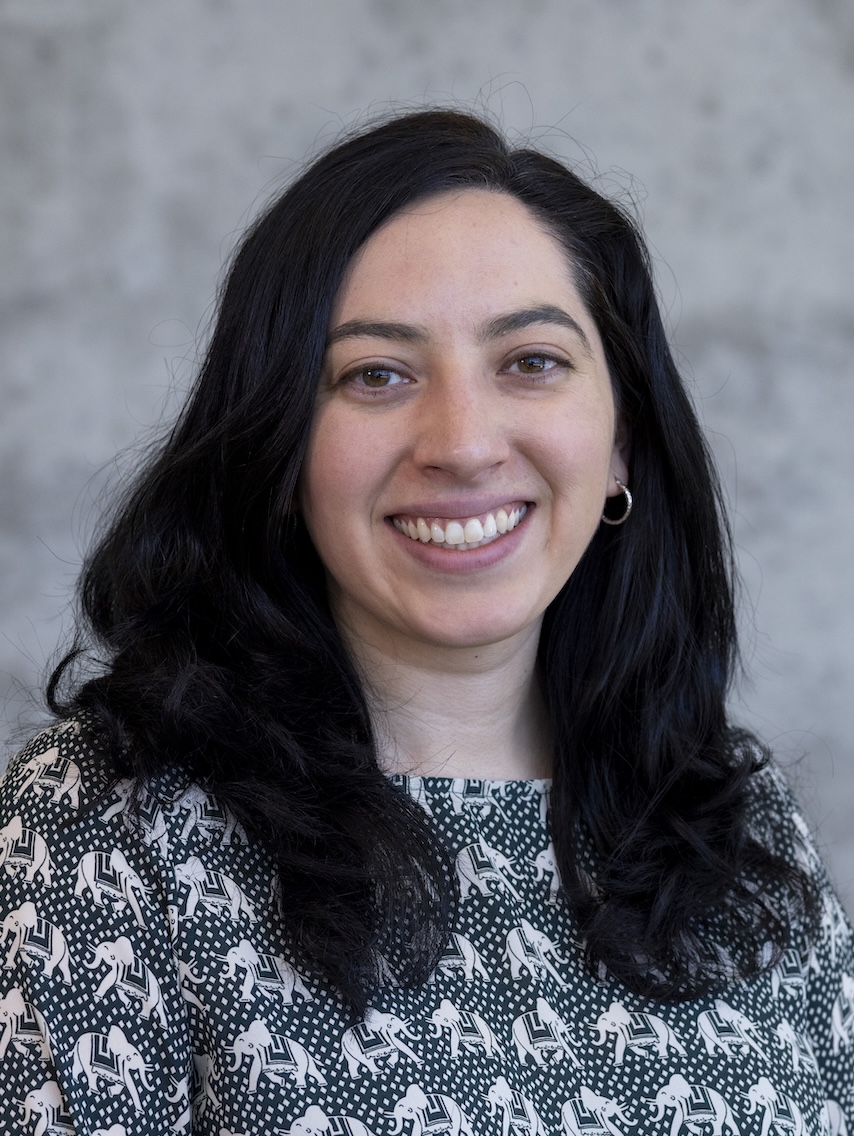
Madeleine Hart, Ph.D.
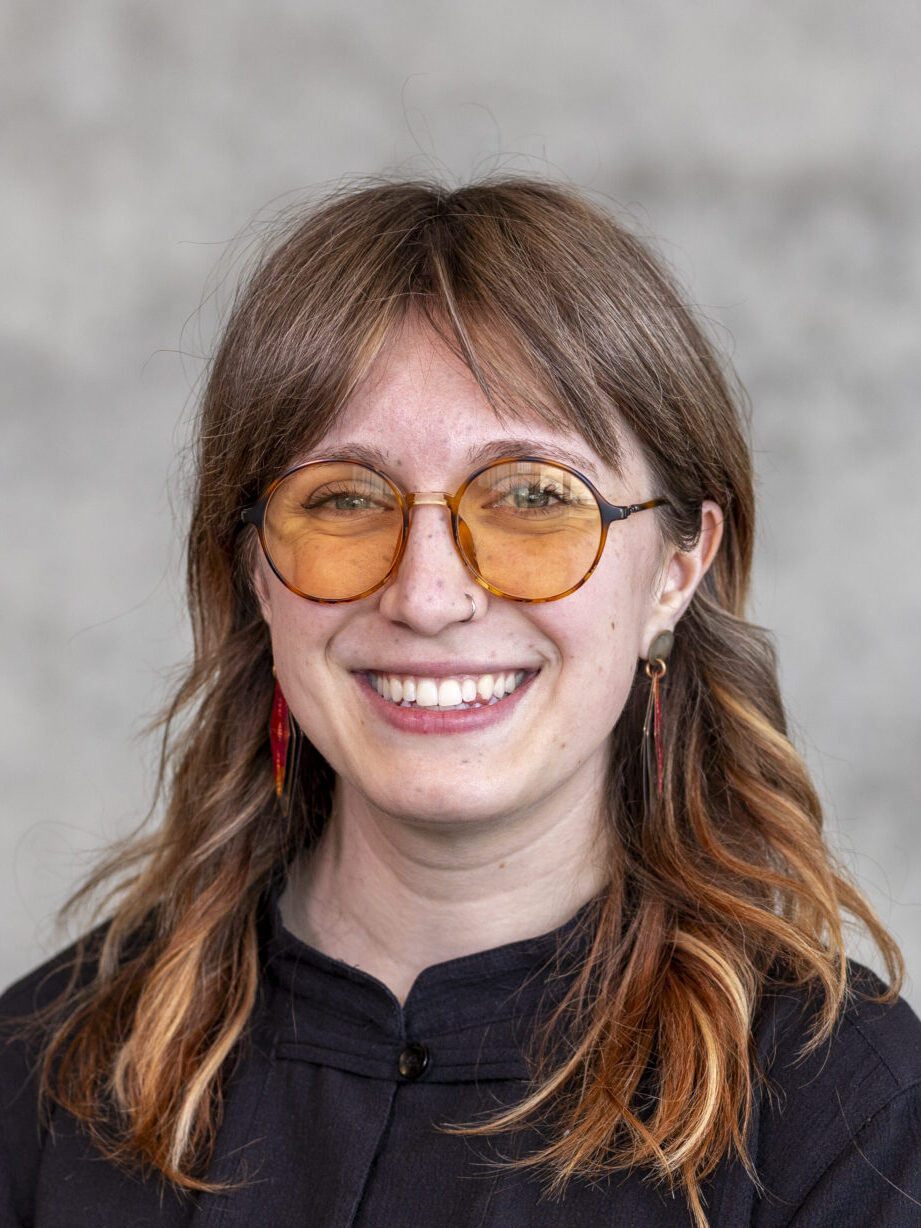
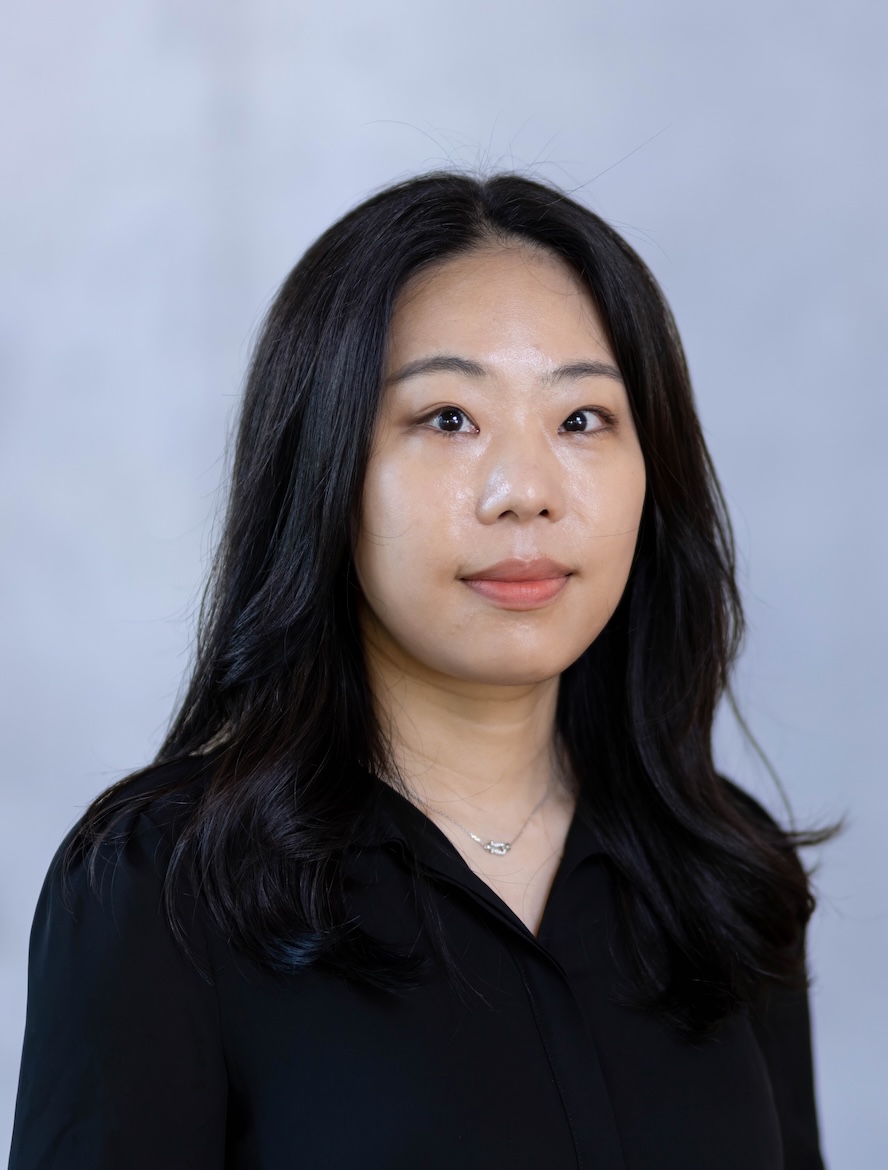
Yujin Jeong, Ph.D.
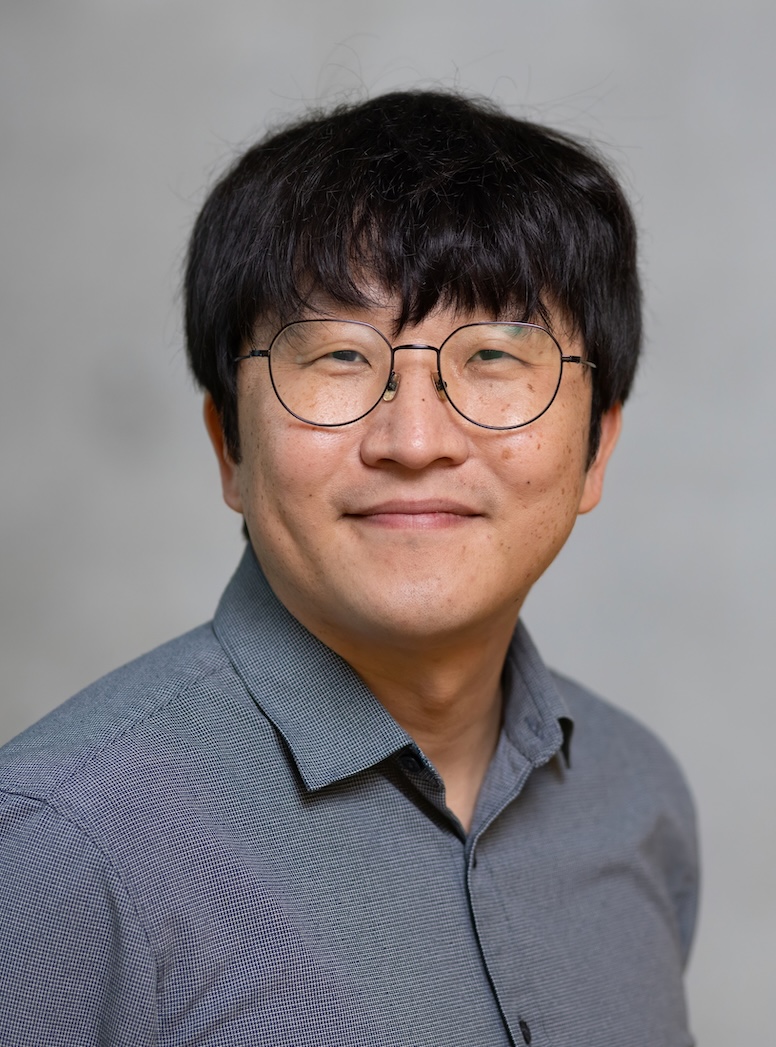
Hyo-Jun Kim, Ph.D.
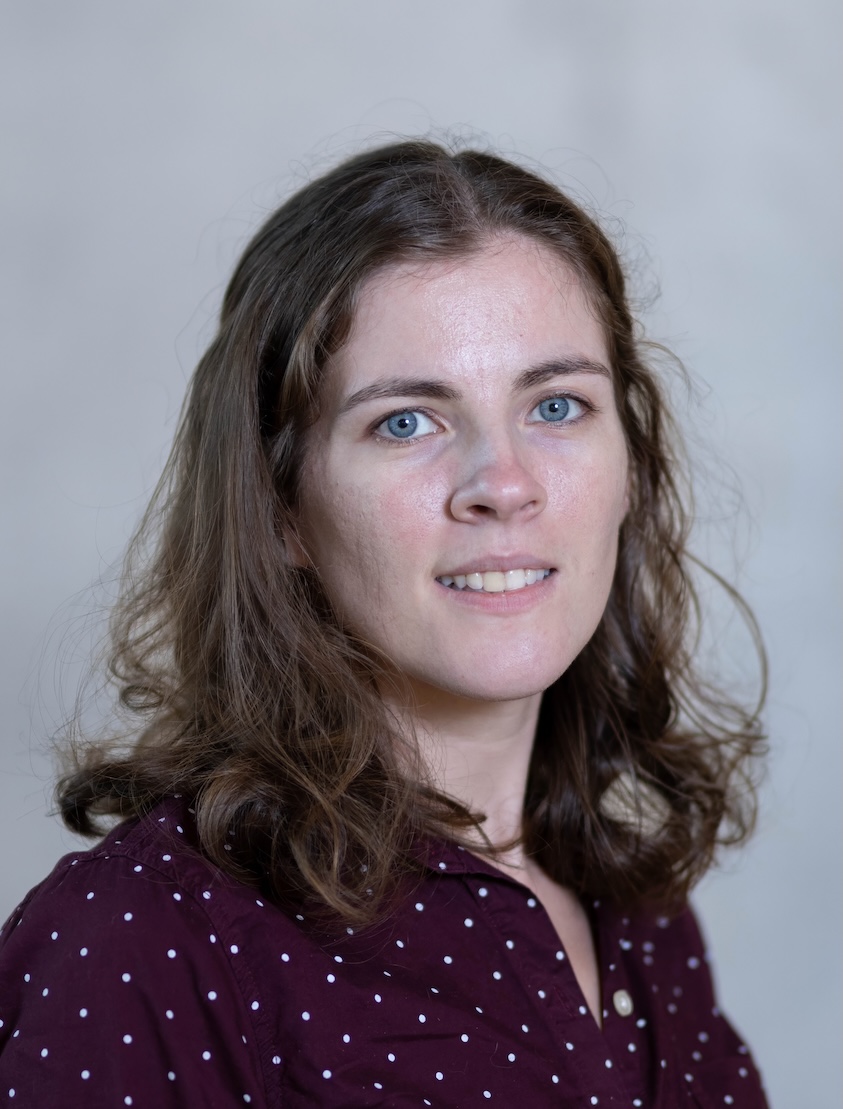
Caroline Lowder, Ph.D.
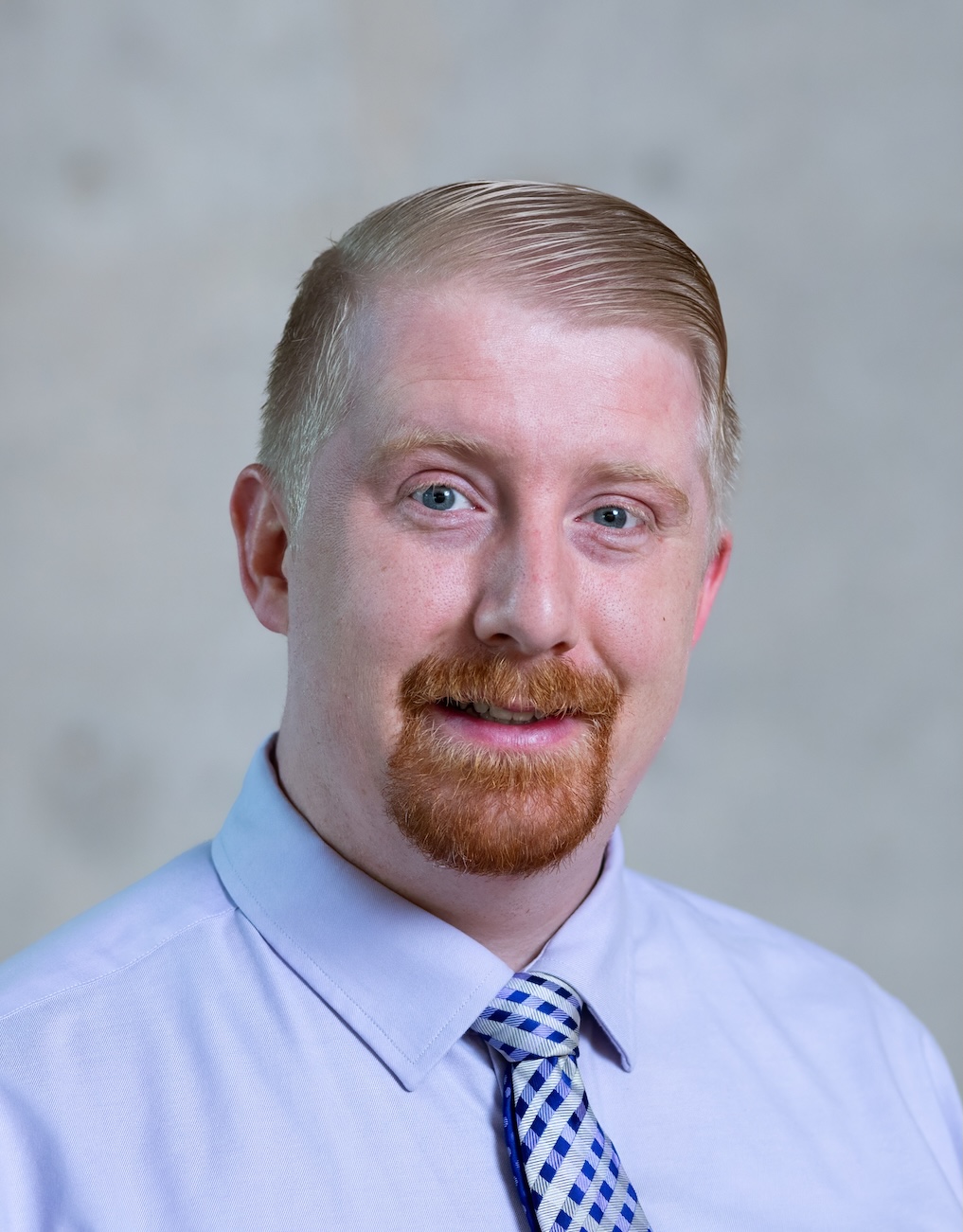
Garrison Nickel, Ph.D.
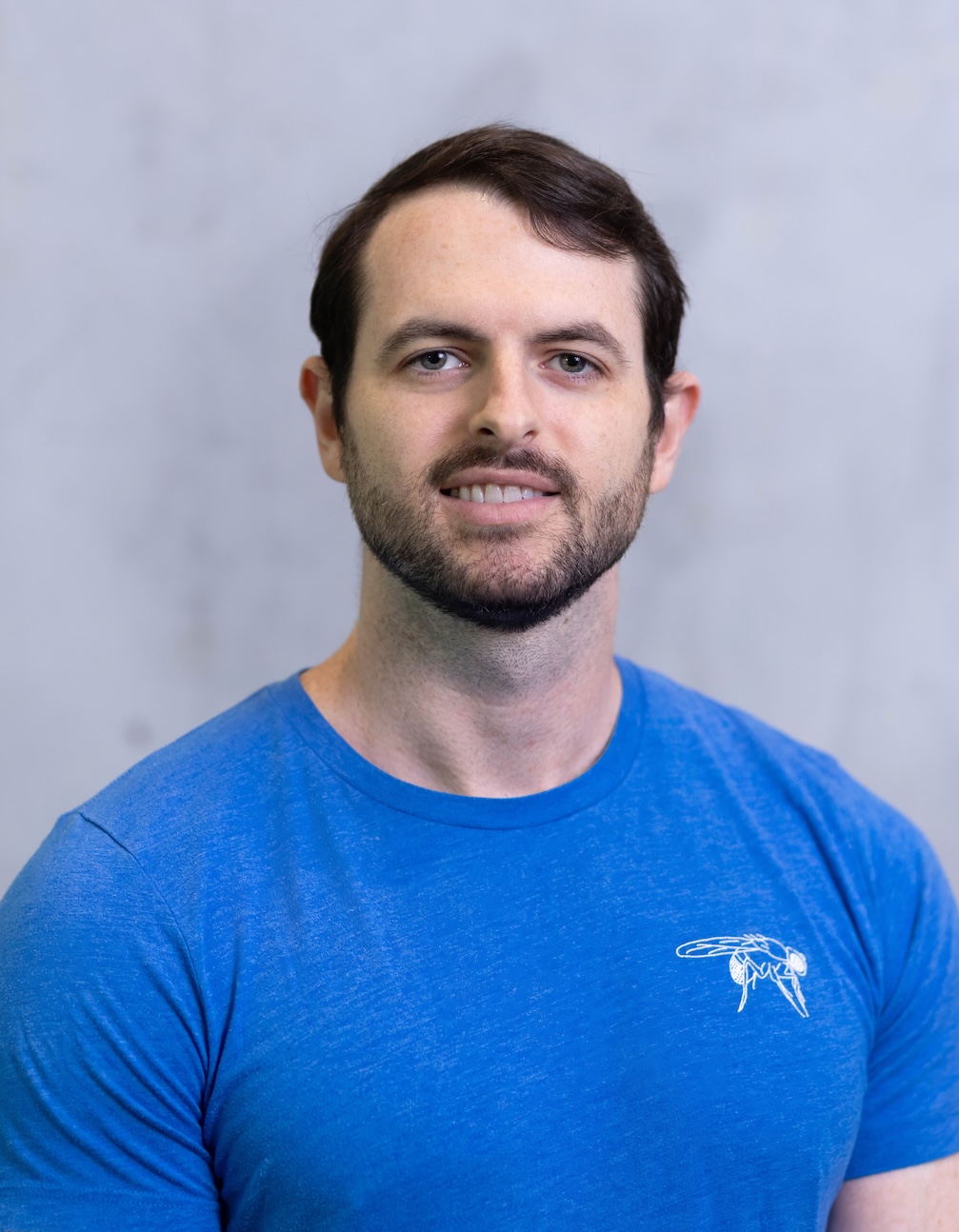
Thomas O'Haren, Ph.D.
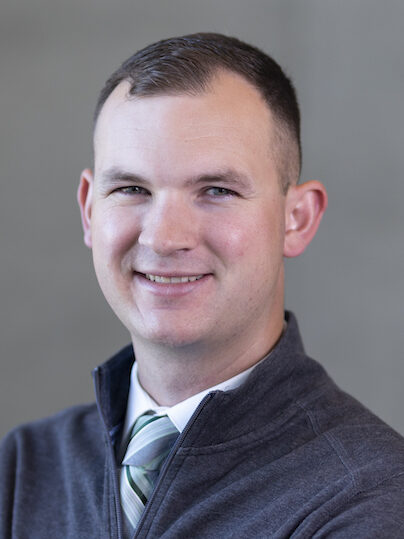
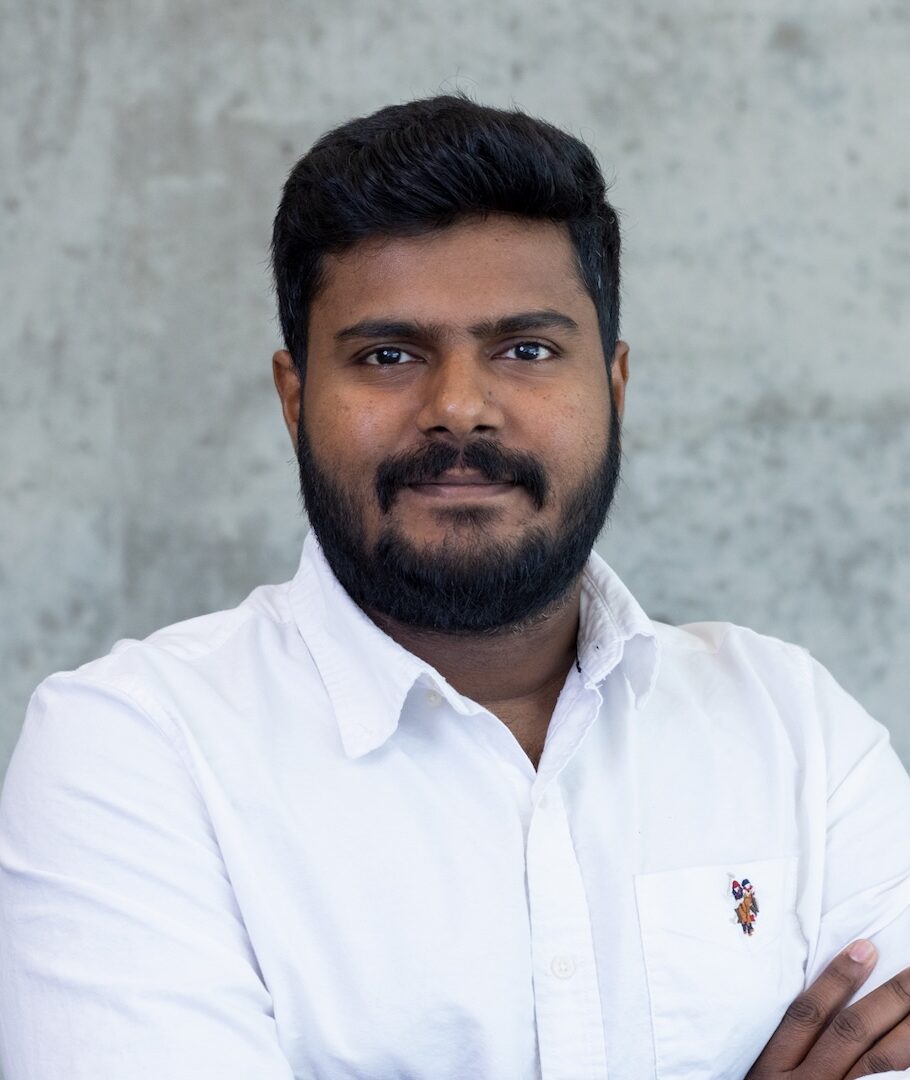
Souvik Patra, Ph.D.
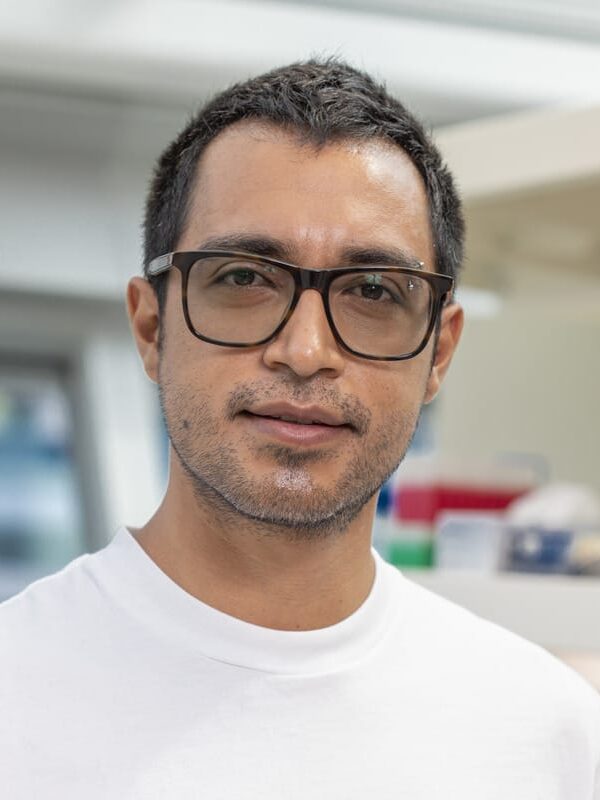
Samuel Preston, Ph.D.
Umanshi Rautela, Ph.D.
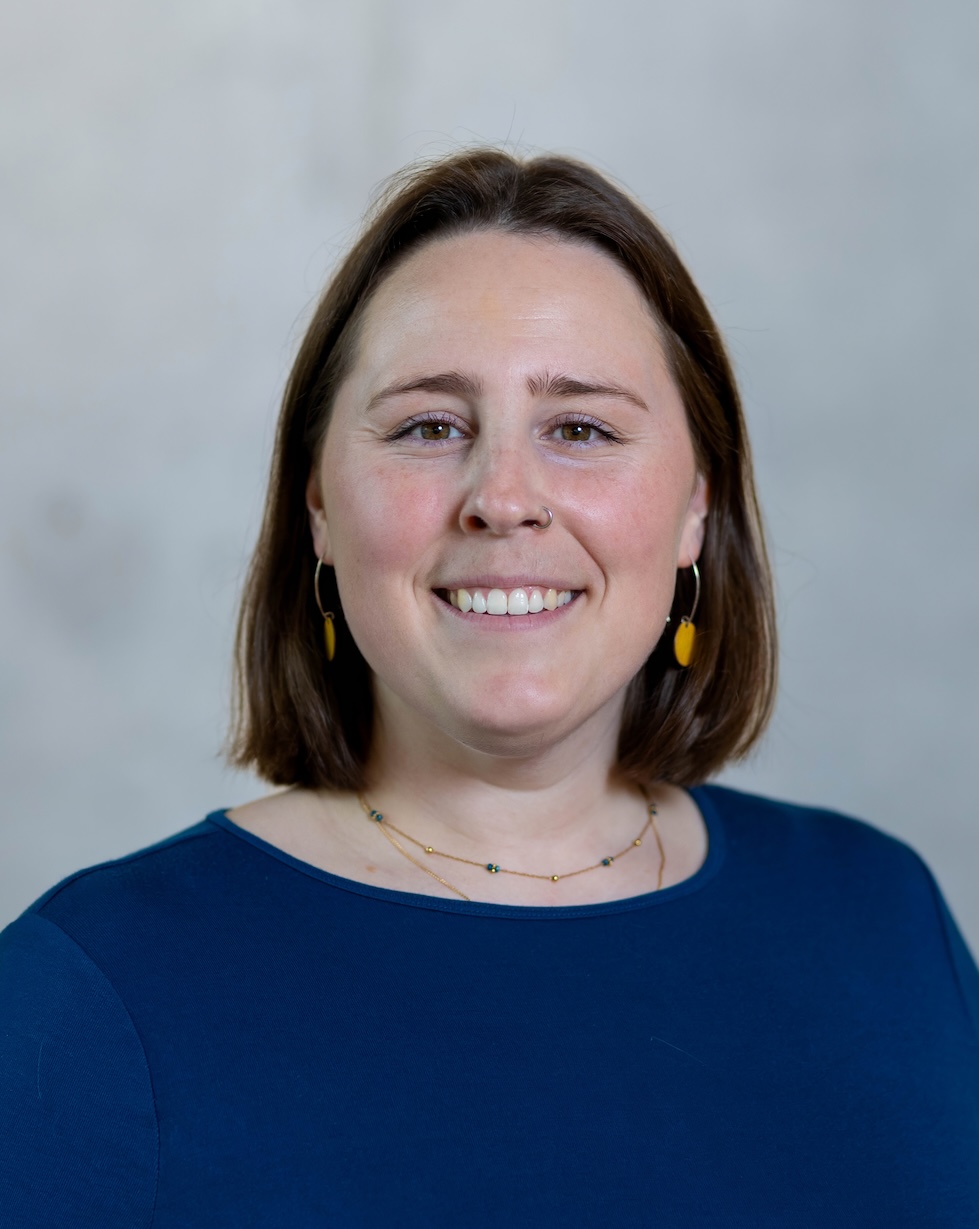
Katie Zutautas, Ph.D.