
Structural Biology
Overview
Department of Structural Biology
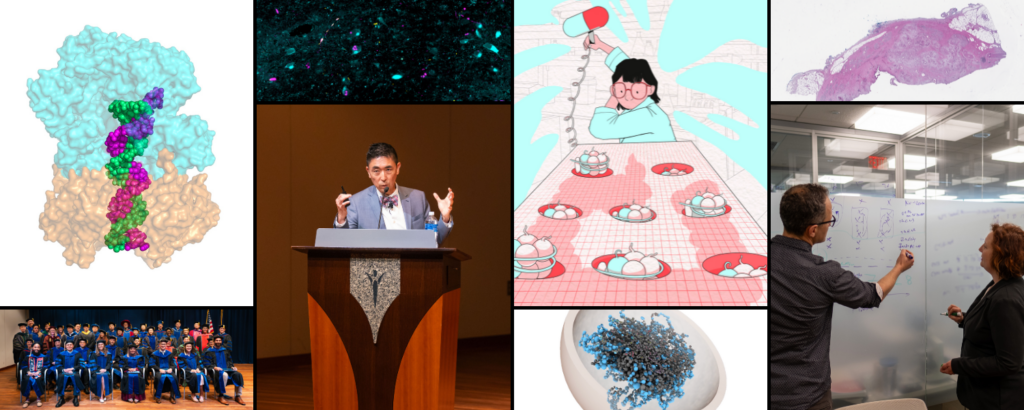
Imagine standing on the moon and having eyes so powerful that you can clearly watch a tennis match on Earth. Now imagine that same visual power packed into a high-tech microscope, and you have cryo-EM — a groundbreaking technology that allows scientists to study the smallest components of life in exquisite detail.
Understanding the shape of these critical molecules is vital for understanding their function in health and disease. Scientists in VAI’s Department of Structural Biology harness cryo-EM and other state-of-the-art techniques to visualize molecules that may serve as treatment targets for cancer, neurological disorders, metabolic diseases, infectious diseases and more. They’re revealing groundbreaking new insights into the most fundamental aspects of biology, from parsing the ways cells sense and respond to the environment to illuminating the intricacies of DNA replication. And they’re laying the foundations for new therapies by revealing how a drug molecule disables its target protein.

Our Faculty

Huilin Li, Ph.D.
Chair and Professor, Department of Structural Biology; Ralph and Grace Hauenstein Endowed Chair in Structural Biology
Genome maintenance and protein homeostasis
Huilin Li, Ph.D.
Chair and Professor, Department of Structural Biology; Ralph and Grace Hauenstein Endowed Chair in Structural Biology
Biography
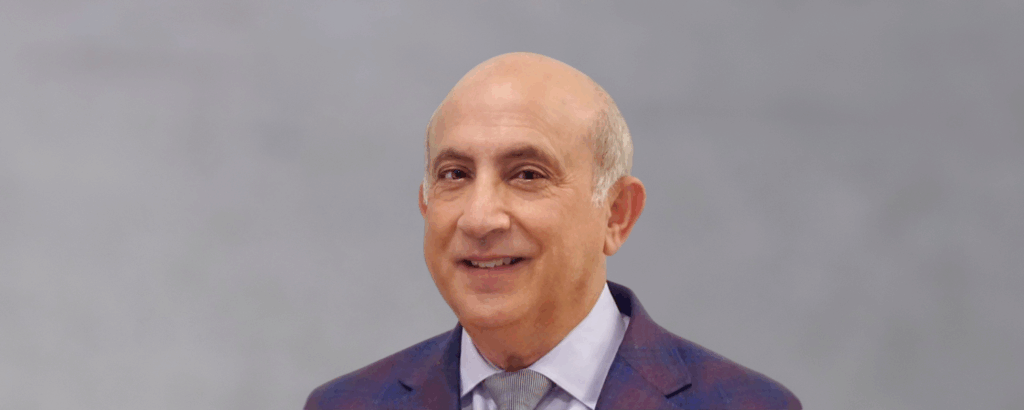
Huilin Li, Ph.D., is an internationally recognized structural biologist with more than 20 years of experience in cryo-electron microscopy (cryo-EM). His current work focuses on the eukaryotic DNA replication, the mycobacterial proteasome system, and the protein folding and protein glycosylation.
Dr. Li earned his Ph.D. in electron crystallography from the University of Science and Technology Beijing, where he trained with the late Prof. K.H. Kuo. He then completed postdoctoral research in the labs of Dr. Bing Jap and Dr. Kenneth Downing at Lawrence-Berkeley National Laboratory, where he studied membrane channels and microtubule structure by cryo-EM. From there, he joined Brookhaven National Laboratory as an associate biophysicist, rising through the ranks to attain a tenured position. In 2010, he joined Stony Brook University as a professor in the Department of Biochemistry and Cell Biology while also maintaining a summer appointment at Brookhaven. He is now a professor and chair of Van Andel Institute’s Department of Structural Biology.

Hong Li, Ph.D.
Professor, Department of Structural Biology
Structural Mechanisms and Therapeutics of RNA Biology
Biography
Dr. Hong Li leverages CRISPR, cryo-EM and other leading-edge technologies to explore the mechanisms underlying RNA-mediated processes.
She earned a B.S. in physics from Sichuan University and a Ph.D. in biophysics from University of Rochester. Following her graduate studies, Dr. Li completed postdoctoral fellowships at CalTech and Brookhaven Lab before establishing her independent lab at Florida State University in 1999. Since then, she has built a multi-faceted research program that has elucidated key details about RNA-mediated processes and informed new strategies for gene editing, cancer diagnosis and virus detection.
In 2021, Dr. Li was appointed the Director of the Institute of Molecular Biophysics at Florida State University, a position she held until joining Van Andel Institute’s Department of Structural Biology in 2024.
Dr. Li is an elected fellow of the American Association for the Advancement of Science and held the prestigious Pfeiffer Family Endowed Professorship for Cancer Research at Florida State. She currently is an associate editor for The CRISPR Journal.
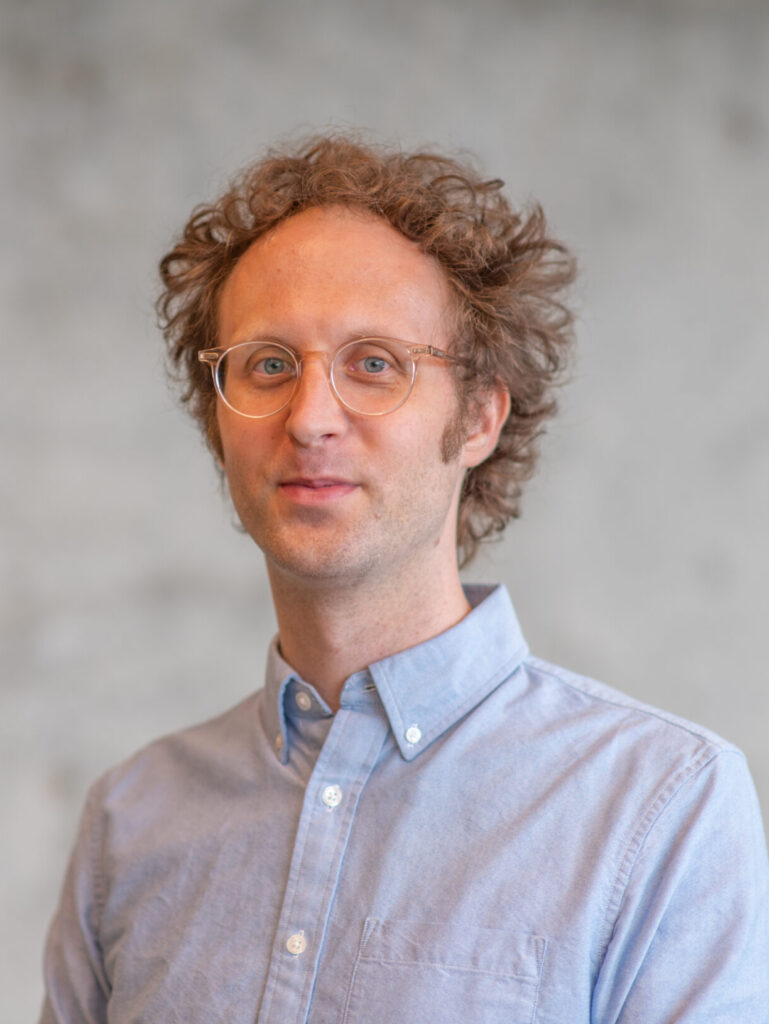
Travis Walton, Ph.D.
Assistant Professor, Department of Structural Biology
Cytoskeletal Structure in Health and Disease
Biography
Dr. Travis Walton is a structural biologist whose research explores the molecular mechanisms of the cellular cytoskeleton in health and disease.
Dr. Walton earned his B.A.in chemistry and biochemistry/molecular biology from Lewis & Clark College and his Ph.D. in biological and biomedical sciences from Harvard Medical School in the lab of Dr. Jack W. Szostak. He then joined the lab of Dr. Alan Brown at Harvard Medical School as a postdoctoral fellow. While there, he leveraged cryo-EM to develop the first full atomic model of the axoneme, the cytoskeletal “backbone” of cilia and flagella. In 2020, Dr. Walton was awarded the prestigious Helen Hay Whitney Foundation Postdoctoral Fellowship in recognition of his research accomplishments.
In 2024, Dr. Walton joined Van Andel Institute’s Department of Structural Biology as an assistant professor. His lab harnesses native methodologies to extract protein complexes from cellular sources for structural and biochemical analyses.

Evan Worden, Ph.D.
Assistant Professor, Department of Structural Biology
Structural Biology of Epigenetic Complexes
Biography
Dr. Evan Worden leverages breakthrough technologies such as cryo-EM to investigate the epigenetic mechanisms underpinning cancer, with a focus on posttranslational histone modifications. He earned his Ph.D. in molecular and cell biology from University of California, Berkeley, under the mentorship of Dr. Andreas Martin. Dr. Worden’s graduate work explored protein degradation by the 26S proteasome and answered long-standing questions about the mechanisms that link ubiquitin removal and protein degradation. From there, he joined the lab of Dr. Cynthia Wolberger at Johns Hopkins University as a postdoctoral fellow. Using cryo-EM and biochemical approaches, he elucidated novel functions of Dot1L and COMPASS, two histone lysine methyltransferases that play key roles in gene transcription. In 2021, Dr. Worden joined Van Andel Institute’s Department of Structural Biology as an assistant professor.
He has earned numerous prestigious awards for his research, including a Damon Runyon Cancer Research Foundation Postdoctoral Fellowship, the Paul Ehrlich Award for Postdoctoral Research from Johns Hopkins, and the Nicholas Cozzarelli Prize for best Ph.D. thesis from University of California, Berkeley. In 2020, he was a finalist for the Damon Runyon Dale Frey Award.

Yang Yang, Ph.D.
Assistant Professor, Department of Structural Biology
Structural Basis for Neurodegenerative Diseases
Biography
Dr. Yang Yang leverages leading-edge imaging technologies to illuminate new insights into neurodegenerative diseases such as Parkinson’s and Alzheimer’s. Her research has revealed the structures of critical disease-related protein filaments — an important step toward developing improved treatments.
Dr. Yang earned a B.S. in bioscience from Beijing Forestry University and a Ph.D. in biochemistry from the Institute of Biophysics of the Chinese Academy of Sciences (adviser: Dr. Zihe Rao). She then continued her work in the Rao Lab as a research associate, where she spearheaded structural studies into the human niacin receptor HCA2-Gi signaling complex.
In 2020, she joined the labs of Dr. Sjors Scheres and Dr. Michel Goedert at MRC Laboratory of Molecular Biology as a postdoctoral fellow. While there, she led several cryo-EM projects to visualize protein filaments associated with Parkinson’s disease, Alzheimer’s disease and dementia with Lewy bodies, and multiple system atrophy. Her findings revealed key differences among filament types, shedding light on disease presentation and identifying potential targets for treatment.
Dr. Yang joined Van Andel Institute’s Department of Structural Biology in 2024, where she employs cryo-EM and other advanced techniques to gain mechanistic insight into neurodegenerative diseases.

Liman Zhang, Ph.D.
Associate Professor, Department of Structural Biology
Structural Biology, Immunology and Pathogen-Host Interactions
Biography
Dr. Liman Zhang is a structural biologist who studies how the immune system responds to infection and cancer.
She earned her B.S. in biotechnology from Jilin University and her Ph.D. in biochemistry from the National Institute of Biological Sciences, Beijing (NIBS). She then completed a postdoctoral fellowship at Harvard Medical School and Boston Children’s Hospital.
In 2020, she established her lab at Oregon Health & Science University, where she built a research program that explored the molecular mechanisms underlying immunological processes. Her expertise in cryo-EM and biochemistry revealed critical new insights into the NAIP/NLRC4 inflammasome, which comprises multiprotein complexes that trigger inflammatory responses during an immune reaction.
In 2024, she joined Van Andel Institute’s Department of Structural Biology as an associate professor.
She has received several awards for her work, including the 2023 Outstanding Research Faculty Award (Chemical Physiology and Biochemistry Department) from Oregon Health & Science University, a Medical Research Foundation New Investigator Award, a prestigious K99/R00 Pathway to Independence Award from the National Institute of Allergy and Infectious Diseases of the National Institutes of Health and a Cancer Research Institute Postdoctoral Training Fellowship.
Affiliate Faculty
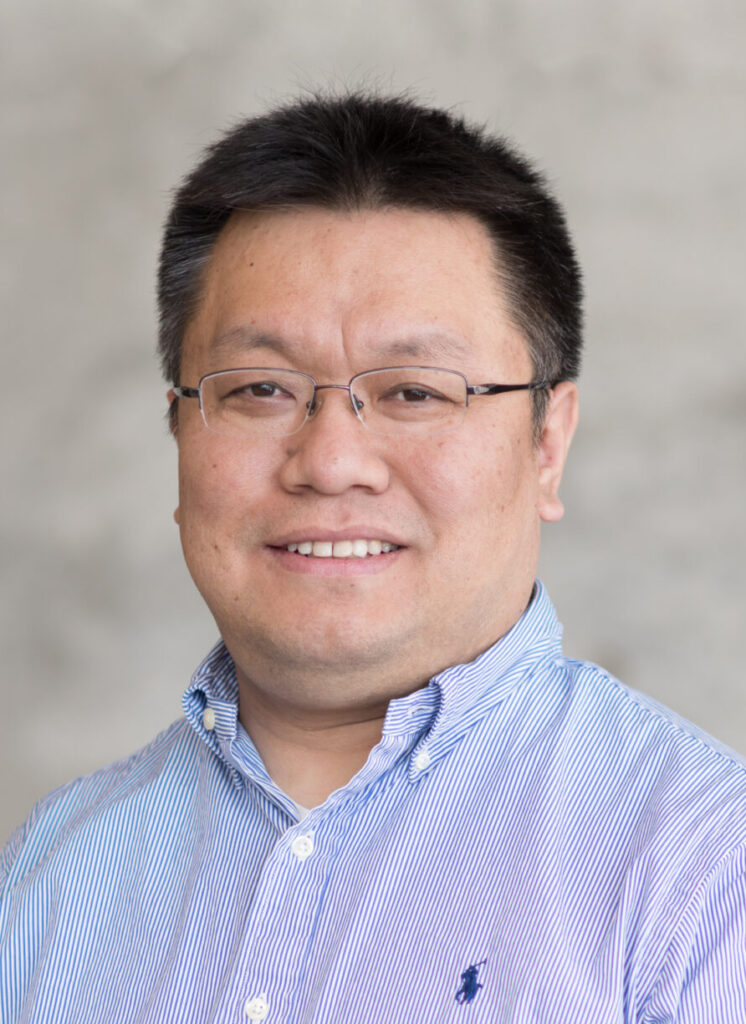
Xiaobing Shi, Ph.D.
Professor, Department of Epigenetics
Histone Modifications and Chromatin Regulation
Biography
Dr. Xiaobing Shi is an expert in cancer epigenetics and a professor in the Department of Epigenetics at Van Andel Institute. He earned a B.S. in biology from Wuhan University followed by a Ph.D. in biology from the Chinese Academy of Sciences, both with honors. He subsequently completed postdoctoral fellowships in the labs of Drs. Arthur Kornberg and Or Gozani at Stanford University before accepting a faculty position at University of Texas MD Anderson Cancer Center, where he most recently served as an Associate Professor and Co-Director of the Center for Cancer Epigenetics. Dr. Shi’s work has led to the discovery of several new readers of histone posttranslational modifications, particularly in acetylation and methylation, and elucidated their impact on cancer development. He is the recipient of several prestigious awards, including a Career Development Award from the Leukemia & Lymphoma Society, a Research Scholar Award from the American Cancer Society, a Kimmel Scholar Award from the Sidney Kimmel Foundation, and an inaugural R. Lee Clark Fellow from UT M.D. Anderson Cancer Center.
Society Memberships
American Society for Biochemistry and Molecular Biology
American Association for Cancer Research
American Association for the Advancement of Science
Recent Publications
* Co-first authors# Co-corresponding authors
Our Impact
We're raising thousands to save millions
We’re turning hope into action for the millions of people around the world affected by diseases like cancer and Parkinson’s. Find out how you can help us make a difference.
122
peer-reviewed papers published in 2024, 63 of which were in high-impact journals
15
VAI-SU2C Epigenetics Dream Team clinical trials launched to date
10
clinical trials co-funded by VAI & Cure Parkinson’s (out of 41 total International Linked Clinical Trials Program trials)