Parkinson's disease
Advancing research to slow Parkinson’s disease progression
Parkinson’s disease affects movement and other important functions throughout the body. The most common symptoms are tremors, stiffness, slowed movement and difficulty walking. Many people also experience non-movement-related symptoms such as depression, loss of sense of smell, sleep disturbances and constipation. Parkinson’s symptoms worsen over time.
Non-movement-related symptoms, such as loss of sense of smell and sleep disorders, often appear years before movement-related symptoms. Parkinson’s symptoms, severity and speed of progression vary from person to person.
In recent decades, Parkinson’s disease cases have increased globally, in part because people live longer. This trend is expected to continue, with some estimates suggesting that more than 25 million people could be living with Parkinson’s by 2050 — a 112% increase from 2021.**
There is no cure and no effective way to slow or stop disease progression. Our scientists and collaborators around the globe are working to change that by:
- Investigating the role of genetics and epigenetics in Parkinson’s
- Exploring the impact of inflammation on disease development
- Analyzing how the structure of the brain and the cells and proteins within it may protect against or promote the disease
- Developing powerful new tools and leveraging technology to study Parkinson’s and other neurodegenerative diseases
- Supporting clinical trials to find therapies that slow or stop Parkinson’s progression
Parkinson’s disease research at VAI
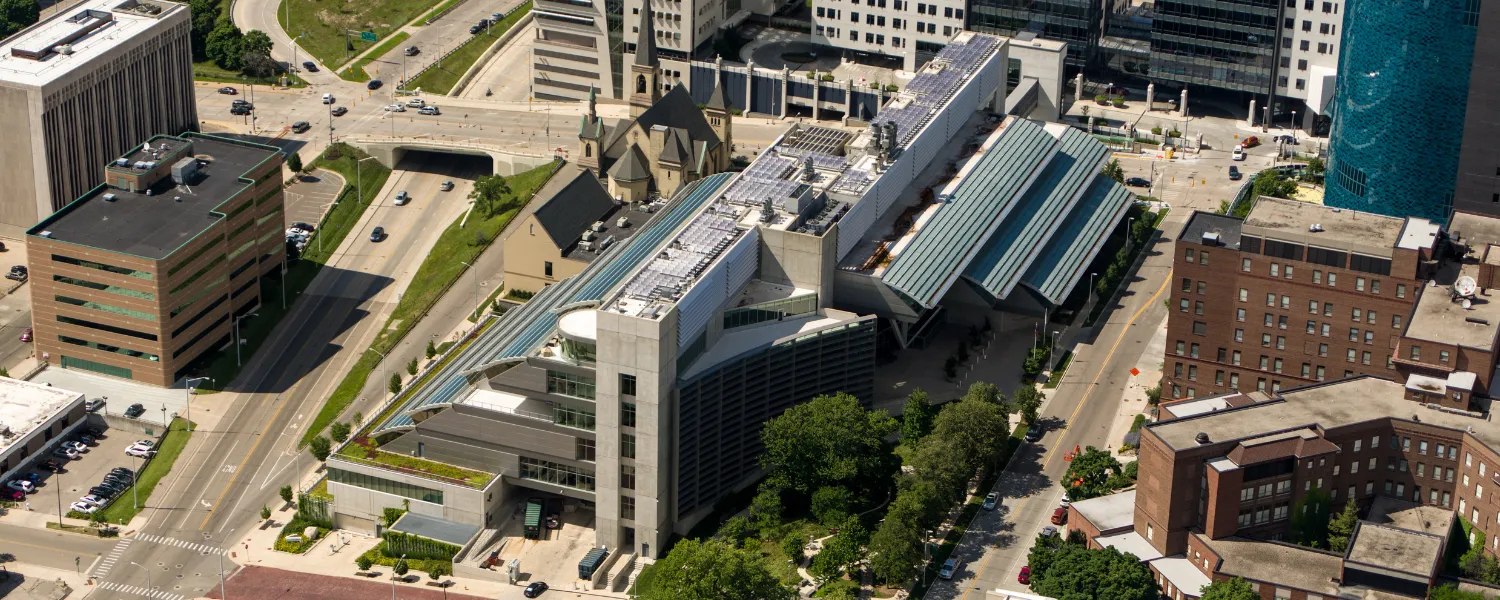
Scientists at Van Andel Institute and collaborating organizations are working hard to better understand Parkinson’s disease and inform new therapies that improve quality of life.
Investigating the role of genetics and epigenetics in Parkinson’s
Genetics refer to the instructions for life encoded in our DNA. Epigenetics are mechanisms that ensure the right instructions are used at the right time. Both play a role in Parkinson’s disease risk.
An estimated 5%–10% of Parkinson’s cases can be linked to genetic changes, or mutations, passed down through families. Exploring how these mutations occur and how they influence disease risk can help scientists better understand how the disease starts.
Genetic risk factors also play a role in the remaining 90% of cases for which there is no known, single cause. These cases are called sporadic Parkinson’s and likely result from a combination of risk factors including genetics, epigenetics, environmental exposures and age. In these cases, simply having genetic risk does not necessarily mean a person will develop the disease.
VAI scientists investigate these complex, interconnected factors with the goal of translating their discoveries into new ways to slow or stop Parkinson’s progression. They explore genes with known links to Parkinson’s disease risk, such as LRRK2, SNCA and VPS35, and investigate how epigenetics impact the development of the brain and disorders like Parkinson’s. VAI labs also develop leading-edge tools to better study the complex factors that contribute to the disease.
Exploring the impact of inflammation
Inflammation is the body’s natural reaction to infection or injury. However, when inflammation continues past the point that it is needed, it can damage surrounding tissues and cells. VAI scientists study how inflammation may contribute to depression in people with and without Parkinson’s. They also explore how inflammation may disrupt normal processes that keep brain cells healthy and, as a result, contribute to disease.
Investigating how the structure of the brain and the cells and proteins within it may protect against or promote the disease
Parkinson’s disease starts in one part of the brain and spreads to other areas. Although we don’t know exactly what initiates this process, neuroscience research has provided important insights into how the disease progresses once it begins.
Think of the brain like a highway system. There are different routes and connections that help molecules and messages get to where they need to go. Just like highways, however, there can be roadblocks and detours. These pathways may help or hinder spread of the disease depending on the brain’s structure.
Understanding how some parts of the brain resist the disease while others succumb to it can help VAI scientists develop much needed strategies for slowing or stopping disease progression.
Half of the 171 billion cells in the human brain are neurons. These critical nerve cells produce chemical messengers that convey information between cells in the brain and between the brain and other parts of the body.
Each of these cells is like its own little city, with parts that regulate energy, transport of resources, communication, recycling and waste disposal, and much more. The health of our cells and the brain rely on the precise coordination of all these individual pieces.
When normal processes break down, the results can contribute to diseases like Parkinson’s. VAI scientists examine how these important cellular components work together and what happens when things go wrong.
Alpha-synuclein is a protein found throughout the body. In Parkinson’s disease, normal alpha-synuclein becomes misshapen, causing it to form clumps called Lewy bodies. Lewy bodies damage and likely lead to the death of brain cells that produce dopamine, a chemical messenger that plays roles in movement and motivation. Parkinson’s symptoms worsen as dopamine is lost.
VAI scientists study how and why alpha-synuclein proteins become misshapen, how they spread through the brain, and the roles of genetics, epigenetics and other factors in this process. They also explore why some brain cells appear to resist Lewy bodies while others are more vulnerable. Insights from this important work could inform new treatments that target alpha-synuclein or the factors that support Lewy body development.
Developing powerful new tools and leveraging breakthrough technologies to study Parkinson’s and other neurodegenerative diseases
Advances in our understanding of Parkinson’s rely on having the right tools for the job. VAI is home to cutting-edge technologies that support the very best science.
VAI’s exceptional Core Technologies and Services provide expert staff and essential equipment that make discoveries possible. One example is our suite of cryo-electron microscopes (cryo-EM), which enable scientists to visualize proteins and other molecules in exceptional detail. The resulting biological blueprints can help us understand the fundamentals of disease and guide development of next-generation therapies. VAI’s Cores also support superior science through expertise and state-of-the-art equipment across the fields of bioinformatics and biostatistics, imaging, genomic sequencing, flow cytometry (cell sorting), mass spectrometry, pathology and biospecimens, and model development.
VAI’s West Michigan Neurodegenerative Diseases (MiND) Program is a collaborative effort to identify genetic and epigenetic changes that may play a role in Parkinson’s and other neurodegenerative diseases. The program includes the NeuroGenomes Project, which analyzes blood samples from West Michigan volunteers to search for clues about the disease. The Institute also is home to the VAI Brain Bank, which houses donated brains from people with and without neurodegenerative diseases. The Brain Bank drives insight and discovery by providing scientists with the samples needed to investigate the underpinnings of Parkinson’s, dementias and other neurodegenerative diseases.
One of the biggest challenges in studying Parkinson’s disease is a lack of models that faithfully recreate all aspects of the disease. Using a technique called induced pluripotent stem cells (iPSCs), VAI scientists can reprogram adult cells, such as those from the skin or the blood, into an earlier “blank slate” state. From there, they can be transformed into other types of cells, such as neurons or other brain cells, and used to study the mechanisms that cause neurodegeneration. The MiND Program’s Induced Pluripotent Stem Cell and High-Content Screening Platform employs this powerful technology to help scientist investigate the roots of neurodegeneration.
Supporting clinical trials to find therapies that slow or stop Parkinson’s progression
VAI is proud to be part of the Cure Parkinson’s–Van Andel Institute International Linked Clinical Trials Program, the world’s largest drug repurposing clinical trial initiative for Parkinson’s disease. These potential therapies are drawn from medications already developed and approved to treat other diseases, saving precious time and resources and speeding possible life-changing therapies toward the clinic. As of December 2025, more than 6,800 people with Parkinson’s have participated in an International Linked Clinical Trials-associated trial. VAI funds have supported 10 of these trials and related projects.
By the numbers
Parkinson's disease
- 8.5M People have Parkinson’s globally (this number is likely low due to difficulty diagnosing the disease)***
- 2X Between 1990 and 2015, the number of Parkinson’s cases doubled*
- 29 Parkinson’s clinical trials launched through the Cure Parkinson’s–Van Andel Institute International Linked Clinical Trials Initiative
VAI scientists who study Parkinson's disease
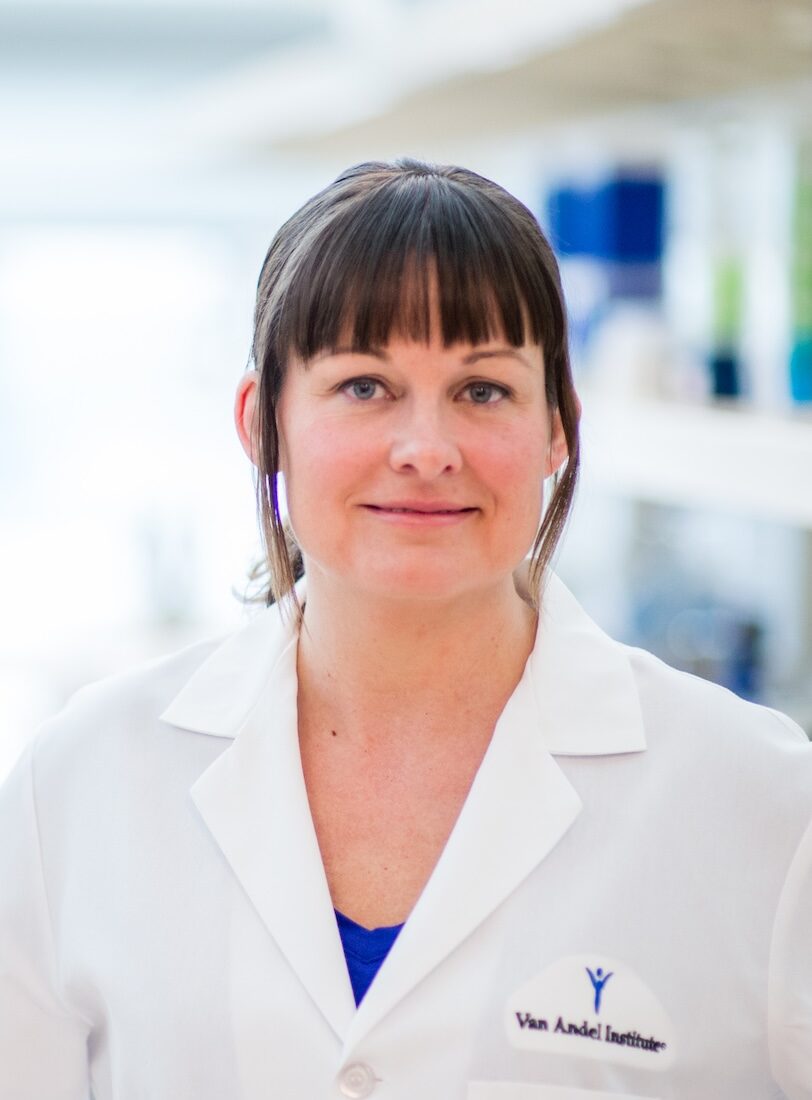
Lena Brundin, M.D., Ph.D.
Professor, Department of Neurodegenerative Science
Behavioral Medicine

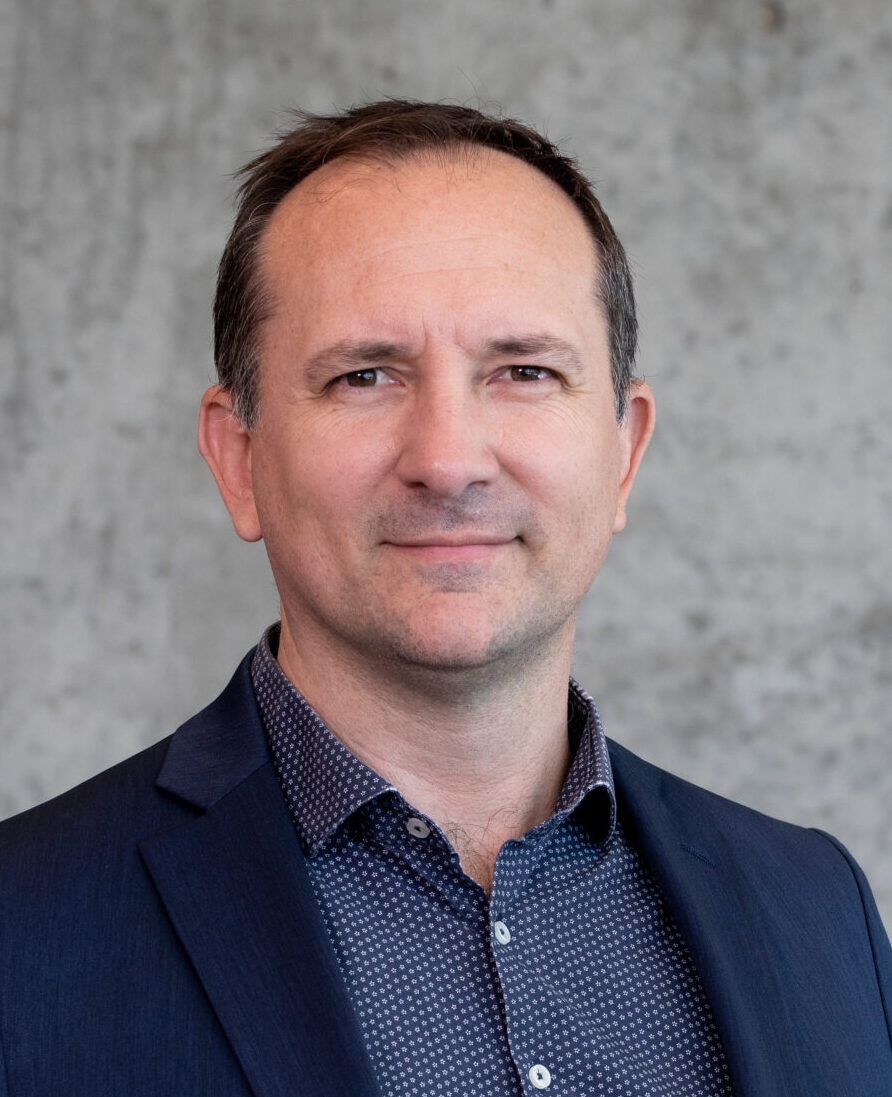
Michael Henderson, Ph.D.
Associate Professor, Department of Neurodegenerative Science; Director, VAI Brain Bank
Protein Pathologies and Genetic Risk in Neurodegeneration

Melissa Hoyer, Ph.D.
Assistant Professor, Department of Neurodegenerative Science
Neuronal Organelle Quality Control and Health

Darren Moore, Ph.D.
Chair and Professor, Department of Neurodegenerative Science; Director, MiND Program; Jay Van Andel Endowed Chair in Parkinson’s Disease Research
Molecular Neurodegeneration
Laurent Roybon, Ph.D.
Associate Professor, Department of Neurodegenerative Science; Director, MiND iPSC Platform
Patient-Based Models of Neurodegenerative Diseases
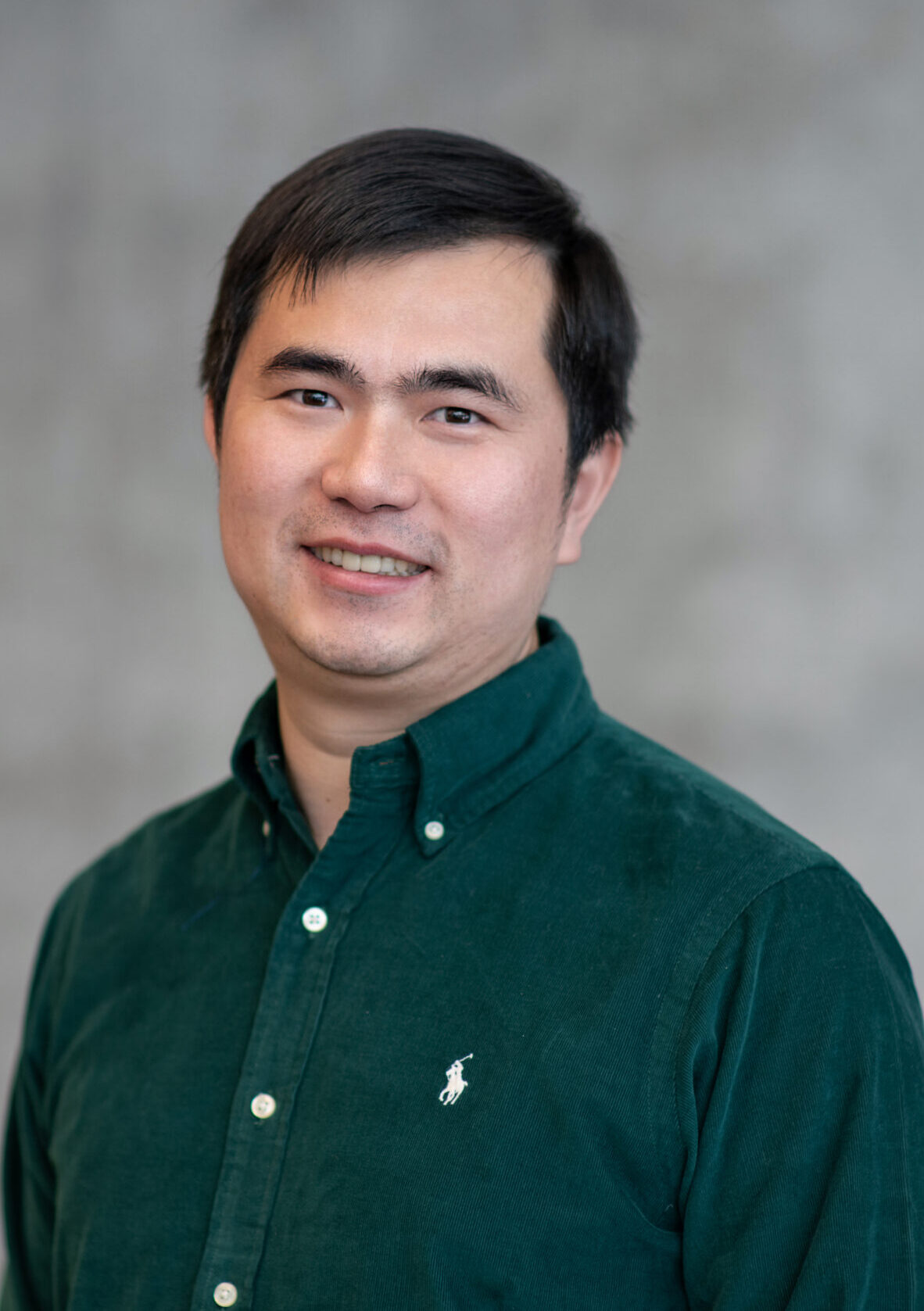
Bang-An Wang, Ph.D.
Assistant Professor, Department of Neurodegenerative Science
Epigenetic Regulation and Neurodegeneration

Yang Yang, Ph.D.
Assistant Professor, Department of Structural Biology
Structural Basis for Neurodegenerative Diseases