event tracking

Overview

Department of Cell Biology

Our health, and consequently our lives, depend on the coordinated activities of our individual cells; diseases arise when the activities of these individual cells become derailed.

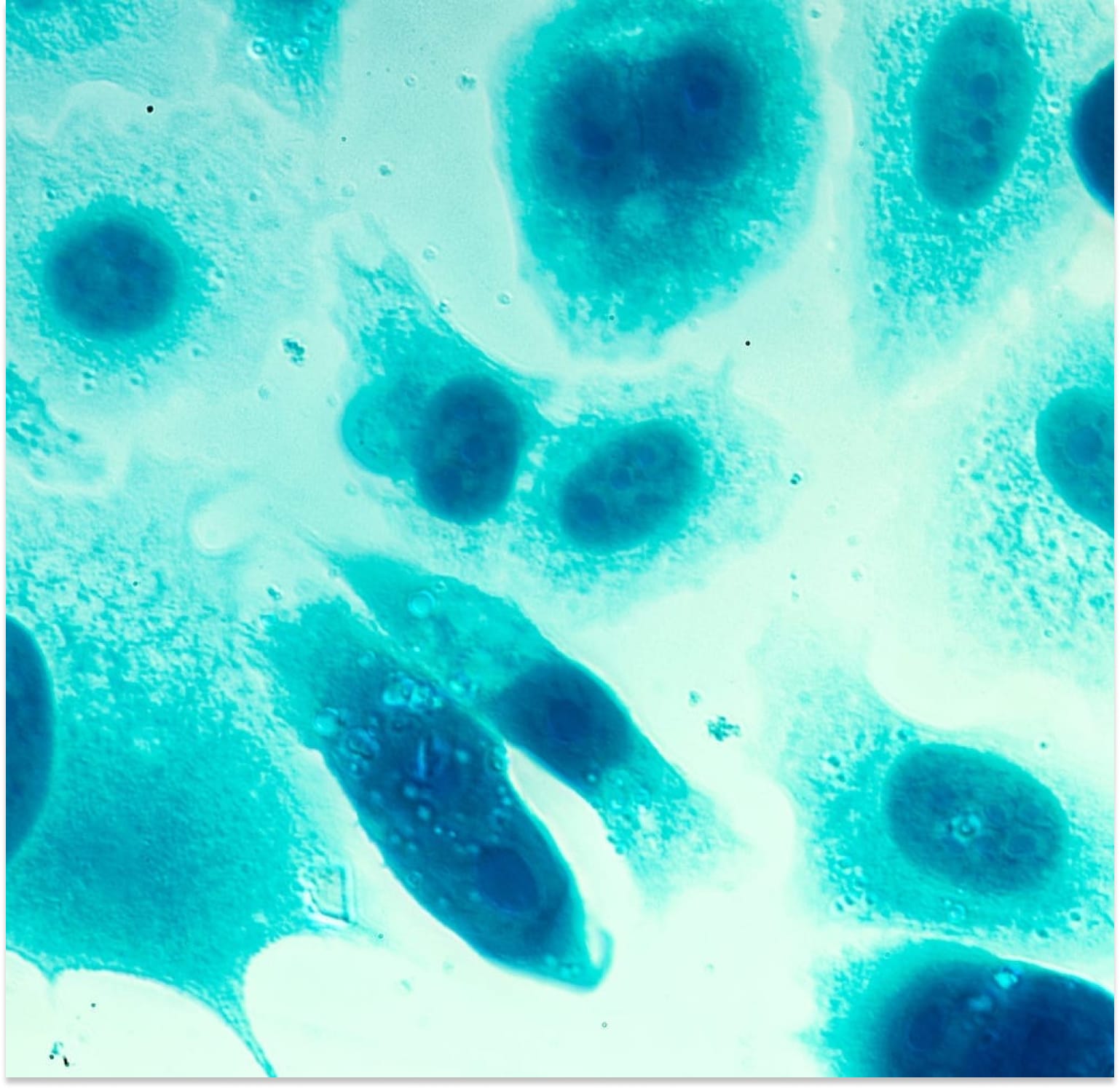
Through our combined expertise in different cell types and communication mechanisms and using state-of-the-art approaches, scientists in VAI’s Department of Cell Biology pursue fundamental research to understand how our cells grow, communicate, survive, assemble into tissues and organs, respond to the environment, and change with age.

This transformative work will yield new diagnostic and treatment strategies to improve the quality of life for people with cancer, bone diseases and rare disorders.
Our Faculty
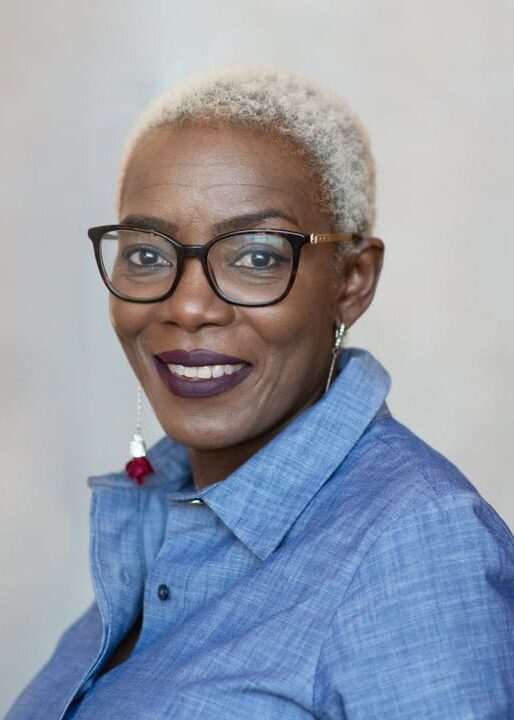
Yvonne Fondufe-Mittendorf, Ph.D.

Interim Chair, Department of Cell Biology; Professor, Department of Epigenetics

Epigenetic Regulation and Environmental Impacts
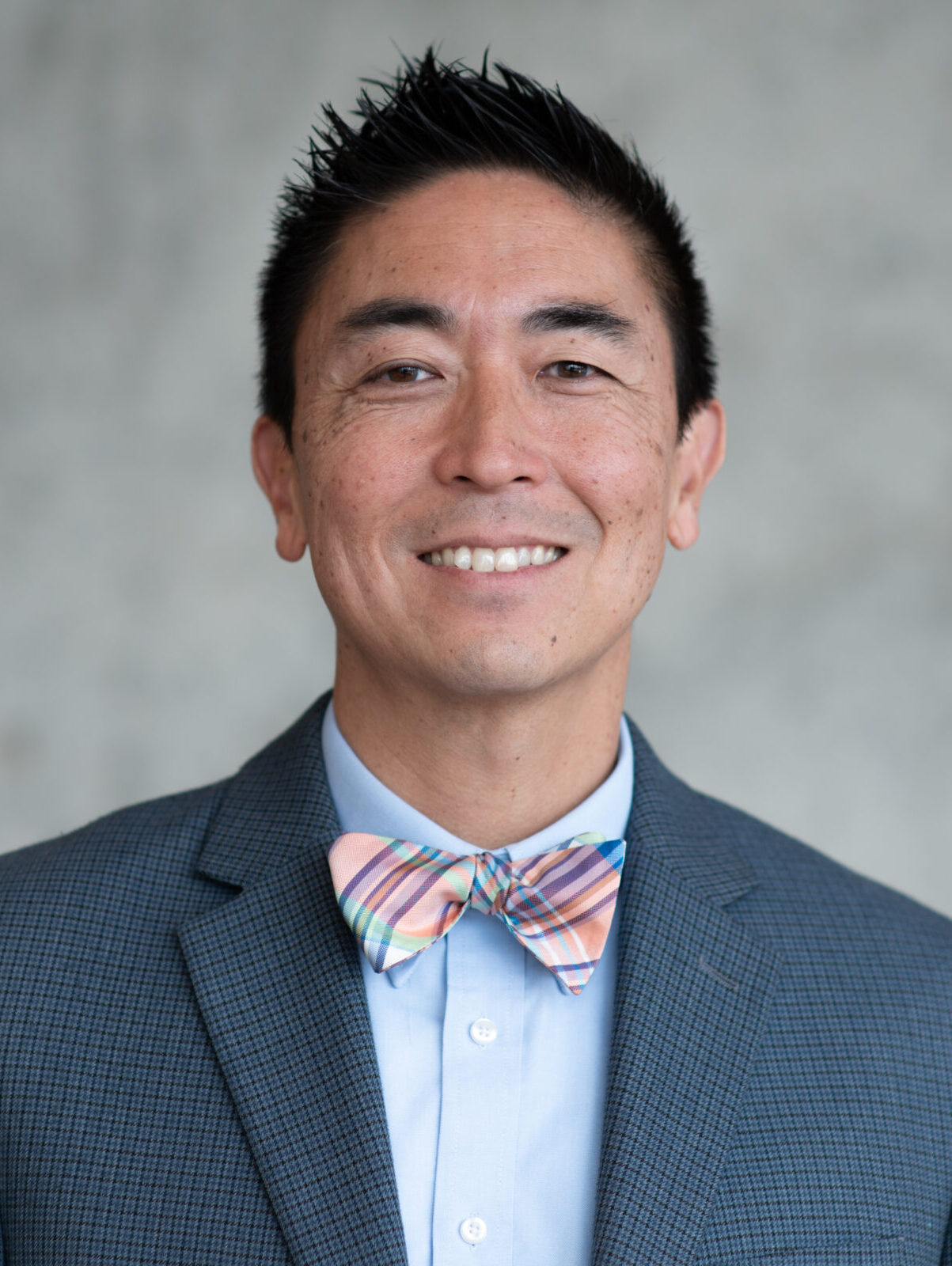
Yvonne Fondufe-Mittendorf, Ph.D.

Interim Chair, Department of Cell Biology; Professor, Department of Epigenetics

Biography

Dr. Yvonne Fondufe-Mittendorf is an epigenetics expert with an interest in how environmental factors impact the epigenome and spur cancer development. She earned her bachelor’s and master’s degrees from University of Ibadan, Nigeria, and her Ph.D. in molecular genetics from Georg-August Universitaet, Germany. Following postdoctoral fellowships in the Jovin Lab at Max Planck Institute for Biophysical Chemistry, Germany, and the Widom Lab at Northwestern University, Dr. Fondufe-Mittendorf joined University of Kentucky as an assistant professor. She was promoted to full professor in 2021. She joined Van Andel Institute’s Department of Epigenetics as a professor in 2022. Her research blends epigenetics, toxicology, bioinformatics and medicine to understand how interactions with the environment, such as exposure to toxicants like arsenic, drive gene dysregulation and disease pathology. She and her groundbreaking research have been highlighted by American Society for Biochemistry and Molecular Biology, PLoS One Everyone, Onclive and the National Institute of Environmental Health Sciences’ Environmental Factor. She has earned multiple awards for her research and mentorship, including the National Institute of Health’s IDeA Thomas Maciag Award, University of Kentucky Research Professorship and recognition from University of Kentucky’s Chellgreen Center.

Professional Memberships

  • American Society of Biochemistry and Molecular Biology
  • Biophysical Society
  • Epigenetics Society
  • Society of Toxicology
  • Epigenetics and Mutagenesis Society
  • Editorial board, Scientific Reports

Clifford Cho, M.D.

Professor, Department of Cell Biology

Translational Cancer Immunology

Clifford Cho, M.D.

Professor, Department of Cell Biology

Biography

Clifford S. Cho, M.D., is a cancer surgeon and scientist who studies the immune effects of focused ultrasound tumor treatment.

He holds appointments as chief medical officer of University of Michigan Health-West, professor in the Department of Cell Biology at Van Andel Institute and professor of surgery at the University of Michigan. Dr. Cho is an Honors graduate of Brown University and Alpha Omega Alpha graduate of Vanderbilt University School of Medicine. He completed his surgical residency training at University of Wisconsin, where he served as administrative chief resident. While there, he also completed a postdoctoral research fellowship in transplantation immunology. He conducted his surgical oncology fellowship training at Memorial Sloan-Kettering Cancer Center, where he served as administrative chief fellow and received the Kristen Ann Carr Fellowship.

He was subsequently appointed as a faculty member at University of Wisconsin School of Medicine and Public Health. He was later appointed chief of the Division of Surgical Oncology, promoted to associate professor (with tenure), and named the inaugural

Ronald and Patricia Kissinger Professor of Surgical Oncology. In 2016, the University of Michigan recruited him as the C. Gardner Child Professor of Surgery. He also served as chief of the Division of Hepatopancreatobiliary and Advanced Gastrointestinal Surgery, vice chair of Surgical Oncology, and executive director of the Cancer Network of West Michigan. In 2024, he was named chief medical officer of University of Michigan Health-West and appointed as a professor in Van Andel Institute’s Department of Cell Biology.

Dr. Cho’s clinical practice focuses on surgical and multidisciplinary management of liver and pancreatic cancer. He has been actively involved in the clinical development of histotripsy, a novel type of non-invasive cancer therapy that uses focused ultrasound to disrupt tumors. He recently served as co-principal investigator of the Hope4Liver national multicenter clinical trial, which demonstrated the safety and efficacy of histotripsy liver tumor treatment and led to FDA approval of histotripsy.

Dr. Cho is principal investigator of a National Cancer Institute-funded research laboratory that discovered the immunostimulatory effects of histotripsy and explores the effects of histotripsy treatment on the tumor microenvironment. As a professor at VAI, he aims to create a multi-institutional translational research center that explores and harnesses the unique immunotherapeutic implications of histotripsy.

Stephanie Grainger, Ph.D.

Assistant Professor, Department of Cell Biology

Wnt Signaling in Hematopoietic Stem Cell Development and Cancer
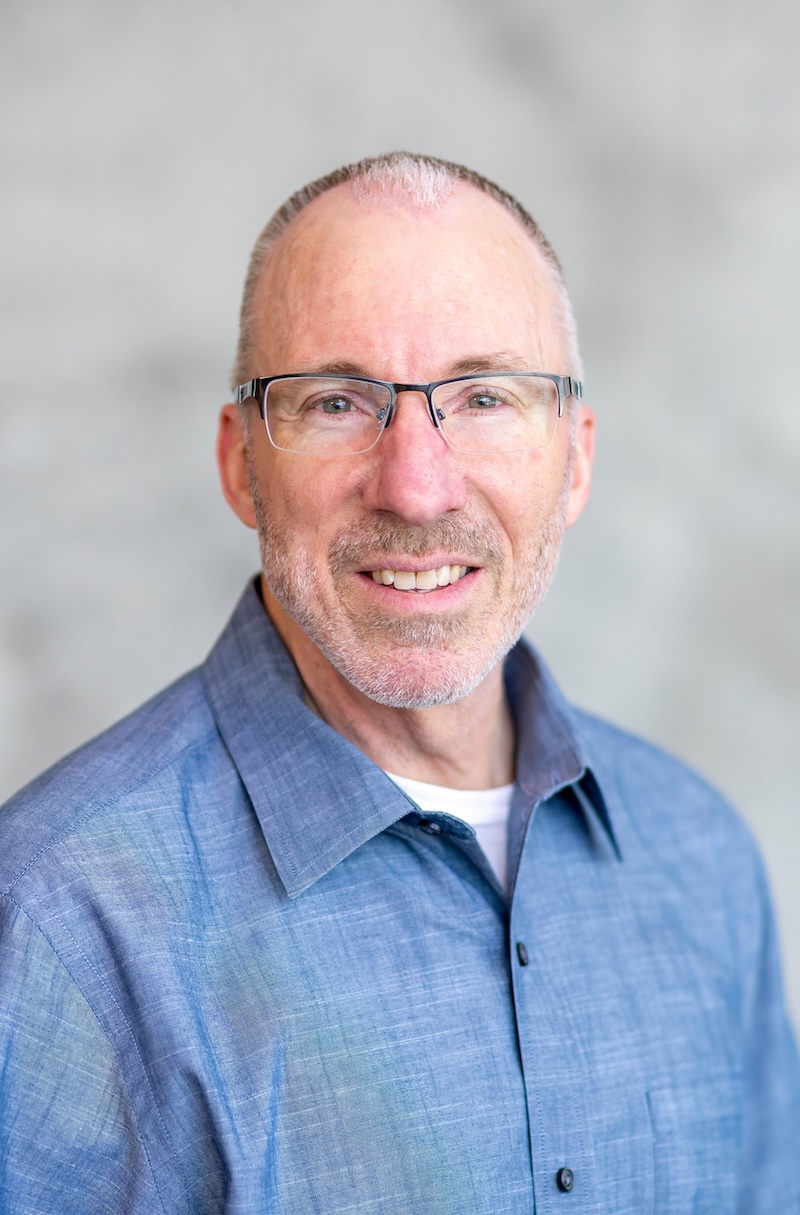
Stephanie Grainger, Ph.D.

Assistant Professor, Department of Cell Biology

Biography

Dr. Stephanie Grainger is an authority on the biological underpinnings of how stem cells develop, and how these processes can go awry during cancer. She earned her Ph.D. in Cellular and Molecular Medicine from the University of Ottawa, where she investigated the role of Cdx transcription factors in intestinal development. She then completed a postdoctoral fellowship in the labs of Dr. David Traver and Dr. Karl Willert at University of California, San Diego. Her research during this time sought to understand the role of Wnt signaling in hematopoietic stem cell development — work that she continued as an assistant professor at San Diego State University. During this time, she discovered a novel stage of hematopoietic stem cell development, which is driven by a specific Wnt cue. Furthermore, she discovered a novel mechanism of Wnt signal regulation. In 2021, Dr. Grainger joined Van Andel Institute’s Department of Cell Biology.

Professional Memberships

  • Society for Developmental Biology
  • American Heart Association
  • International Society for Experimental Hematology
  • American Society for Hematology
  • American Society for Cell Biology

Brian Haab, Ph.D.

Professor, Department of Cell Biology

Pancreatic Cancer Identification Using Glycans
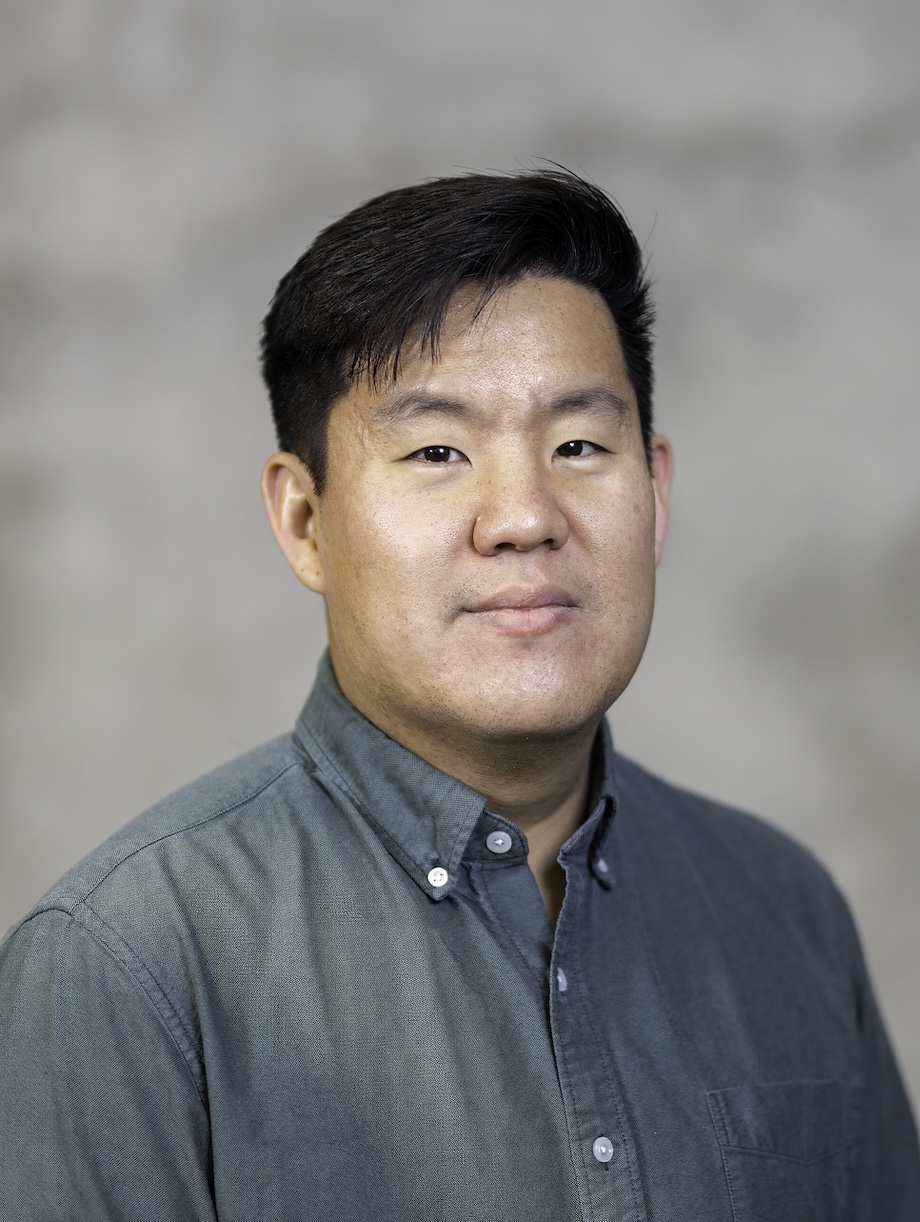
Brian Haab, Ph.D.

Professor, Department of Cell Biology

Biography

Dr. Haab obtained his Ph.D. in chemistry from the University of California at Berkeley in 1998. He then served as a postdoctoral fellow in the laboratory of Patrick Brown in the Department of Biochemistry at Stanford University. Dr. Haab joined VAI as a Special Program Investigator in May 2000, became a Scientific Investigator in 2004, and was promoted to Senior Scientific Investigator in 2007 and promoted to Professor in 2013. He recently served as Assistant Dean of Van Andel Institute Graduate School and as an adjunct professor in the Department of Biochemistry and Molecular Biology and the Genetics Program at Michigan State University.

H. Josh Jang, Ph.D.

Assistant Professor, Department of Cell Biology

Leveraging epigenetic and metabolic vulnerabilities to improve immunotherapy

H. Josh Jang, Ph.D.

Assistant Professor, Department of Cell Biology

Biography

Dr. H. Josh Jang investigates combining epigenetic therapies and immune checkpoint inhibitors to enhance the immune system’s ability to better fight cancer.

He earned his B.S. in health promotion and disease prevention from University of Southern California and his Ph.D. in molecular genetics and genomics from Washington University in St. Louis. During his graduate studies in the lab of Dr. Ting Wang, Dr. Jang concentrated on characterizing transposable elements’ contribution to oncogenic potential in cancer cell line models, as well as other projects that established and optimized targeted epigenetic technologies using CRISPR-Cas9 technology.

In 2020, Dr. Jang joined Van Andel Institute as a VAI Fellow under Drs. Peter A. Jones and Stephen B. Baylin. He has received several prestigious awards for his research including a K99/R00 Pathway to Independence grant and a SPORE Epigenetic Therapies: Career Enhancement Program Award, both from the National Cancer Institute.

Dr. Jang also serves as a reviewer for leading journals such as Nature Genetics, Nature Communications, Proceedings of the National Academy of Science and Genome Research, among others. In 2021, he was selected as a Forbeck Scholar and, in 2023, he chaired the Gordon Research Seminar for Cancer Genetics and Epigenetics.

In 2025, Dr. Jang joined Van Andel Institute’s Department of Cell Biology as an assistant professor. He leverages innovative -omics technologies, such as single-cell, spatial and long-read sequencing methods to interrogate how the tumor microenvironment responds to therapy.

Matt Steensma, M.D.

Associate Professor, Department of Cell Biology

Translational NF1 Oncology

Matt Steensma, M.D.

Associate Professor, Department of Cell Biology

Biography

Dr. Steensma received his B.A. from Hope College in Holland, Mich., and his M.D. from Wayne State University School of Medicine in Detroit, Mich. He subsequently completed internship and residency training in the Grand Rapids Orthopaedic Surgery Residency Program. After completing residency, he trained in the laboratories of Drs. George Vande Woude and Rick Hay at VAI under an Orthopaedic Research and Education Foundation training award. Subsequently, Dr. Steensma was admitted into the prestigious fellowship program in Musculoskeletal Surgical Oncology in the Department of Surgery at Memorial Sloan Kettering Cancer Center in New York where he obtained sub-specialty training in the surgical management of musculoskeletal tumors. His fellowship in New York also provided Dr. Steensma with the opportunity to work in the laboratory of Dr. Steve Goldring, Chief Scientific Officer of the Hospital for Special Surgery (HSS) in New York. Dr. Goldring is one of the world’s leading orthopaedic researchers and has a particularly strong reputation for training leading clinician-scientists. During his training with Dr. Goldring, Dr. Steensma further developed his interests in understanding the molecular and cellular mechanisms underlying the development of bone and soft-tissue sarcomas. Dr. Steensma joined Van Andel Institute in 2010 as an Associate Scientific Investigator in the Center for Skeletal Disease Research. In 2014, he was named as one of the winners of the inaugural Francis S. Collins Scholars Program in Neurofibromatosis Clinical and Translational Research.

Bart Williams, Ph.D.

Director, Core Technologies and Services; Professor, Department of Cell Biology

Cell Signaling and Carcinogenesis
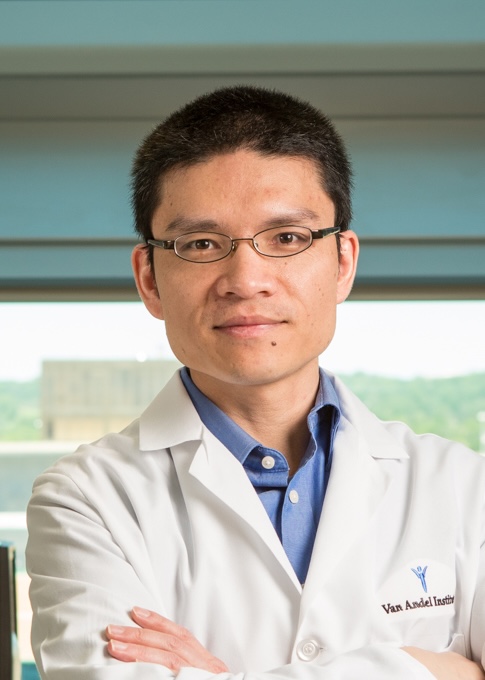
Bart Williams, Ph.D.

Director, Core Technologies and Services; Professor, Department of Cell Biology

Biography

Dr. Williams received his Ph.D. in biology from Massachusetts Institute of Technology in 1996, where he trained with Tyler Jacks. For three years, he was a postdoctoral fellow at the National Institutes of Health in the laboratory of Harold Varmus, former Director of NIH. Dr. Williams joined VAI as a scientific investigator in July 1999. He was promoted to professor in 2013 and served as chair of VAI’s Department of Cell Biology from 2010 to 2022. In 2022, he was appointed director of VAI’s Core Technologies and Services, which provides leading-edge shared scientific resources to bolster research at the Institute and beyond.

Tao Yang, Ph.D.

Professor, Department of Cell Biology

Skeletal Biology

Tao Yang, Ph.D.

Professor, Department of Cell Biology

Biography

Dr. Yang received his B.S. in biochemistry from Wuhan University, and his Ph.D. in biochemistry from the Shanghai Institute of Biochemistry and Cell Biology, Chinese Academy of Sciences (SIBCB, CAS). He then joined Baylor College of Medicine as a postdoctoral fellow working with Drs. Paul Overbeek and Brendan Lee. In 2009, he began serving as an instructor in the Department of Molecular and Human Genetics at Baylor. Dr. Yang joined VAI as an assistant professor in February 2013.

Affiliate Faculty

Melissa Hoyer, Ph.D.

Assistant Professor, Department of Neurodegenerative Science

Neuronal Organelle Quality Control and Health

Melissa Hoyer, Ph.D.

Assistant Professor, Department of Neurodegenerative Science

Biography

Dr. Melissa Hoyer investigates the fundamental cellular processes that support neuronal health with a focus on organelle proteome landscapes. Her leading-edge research has deep implications for understanding the mechanisms that drive protein and organelle degradation, which are defective in neurodegenerative diseases.

Dr. Hoyer earned a B.S. in molecular biology and chemistry from University of Wyoming followed by a Ph.D. in molecular, cellular and developmental biology from University of Colorado (Adviser: Dr. Gia Voeltz). Her dissertation research helped elucidate the relationship between the endoplasmic reticulum and endosome fission, which has significant implications for signaling receptor sorting and degradation in the endocytic pathway. Her graduate work was supported in part by a National Science Foundation Graduate Research Fellowship.

She then joined the lab of Dr. J. Wade Harper at Harvard Medical School as a postdoctoral fellow, where she investigated organelle structure, function and quality control in stem cells as they differentiate to neurons. Her research has revealed powerful new insights into lysosomes and the endoplasmic reticulum, both of which are cellular organelles with links to protein aggregation in neurodegenerative diseases. She was awarded the Jane Coffin Child Fellowship (2019 –2022) and the Fred and Joan Goldberg Fellowship (2022–2024) in recognition of her scholarship.

In 2024, Dr. Hoyer joined Van Andel Institute’s Department of Neurodegenerative Science. Her lab explores the underlying mechanisms that control organelle protein levels in neurons to decipher how organelle proteome landscapes are linked to organelle structure, dynamics and function. Her research aims to better understand the establishment of neurons and maintenance of neuron cell health — both of which are dysregulated in neurodegenerative diseases.

Adjunct Faculty

André Bachmann, Ph.D., M.S.

Adjunct Faculty, Department of Cell Biology

Primary Institution: Michigan State University College of Human Medicine

Caleb Bupp, M.D., FACMG

Adjunct Faculty, Department of Cell Biology

Primary Institution: Corewell Health Helen DeVos Children’s Hospital

Paul Mark, M.D., FACMG

Adjunct Faculty, Department of Cell Biology

Primary Institutions: Corewell Health & Michigan State University

DEPARTMENT STAFF

Jennifer Brooks

Senior Administrative Assistant I, Department of Epigenetics

Zachary Klamer, M.S.

Bioinformatics Analyst II, Department of Cell Biology

Michelle Minard, B.S.

Senior Administrative Assistant II

Amy Nuffesse

Senior Administrative Assistant II, Department of Epigenetics

Kathy Ryktarsyk

Senior Administrative Assistant II, Department of Epigenetics

Latest from VAI

Recent Publications

* Co-first authors# Co-corresponding authors

A zebrafish model of nicotinamide adenine dinucleotide (NAD+) deficiency-derived congenital disorders

  • Tsurho V
  • Gillilan C
  • Ensing J
  • VanSickle EA
  • Lanning NJ
  • Mark PR
  • Grainger S

The E3 ubiquitin ligase Trip12 semi-selectively attenuates Wnt signaling

  • Ensing J
  • Ide AD
  • Gilliland C
  • Tsurho V
  • Rudisel E
  • Caza I
  • Stratman AN
  • Lanning NJ
  • Grainger S

The class A repeats of Lrp5 are required for normal development of bone, retinal vasculature, and mammary gland in vivo

  • Diegel CR
  • Michalski MN
  • Ubels JL
  • Wiartalla GF
  • Lin CM
  • Zhong ZA
  • McDonald MJ
  • Ethen NJ
  • Brookshire M
  • Madaj AB
  • Xia M
  • Gavine PR
  • VAI Transgenic Core
  • Antonetti DA
  • Williams BO

Secreted frizzled-related protein 1a regulates hematopoietic development in a dose-dependent manner

  • Ide AD,
  • Carpenter KA
  • Elaswad MT
  • Opria K
  • Marcellin K
  • Gilliland C
  • Grainger S

Our Impact

We're raising thousands to save millions

We’re turning hope into action for the millions of people around the world affected by diseases like cancer and Parkinson’s. Find out how you can help us make a difference.

122

peer-reviewed papers published in 2024, 63 of which were in high-impact journals

15

VAI-SU2C Epigenetics Dream Team clinical trials launched to date

10

clinical trials co-funded by VAI & Cure Parkinson’s (out of 41 total International Linked Clinical Trials Program trials)