Dementias
Delving deep into the brain to understand dementias
Dementia is an umbrella name for a group of diseases that affect memory and cognition. More than 55 million people worldwide have dementia*.
Dementia disorders typically affect older people and become progressively worse over time. In some diseases, the processes that give rise to dementia may start a decade or more before symptoms appear. Although a person may not show outward signs during this time, changes in the brain — such as the development of tangles and plaques — can occur and cause damage that leads to symptoms.
Alzheimer’s disease is the most common neurodegenerative disorder in the world and the most common type of dementia. Its symptoms include progressive loss of memory and cognitive abilities. Another example of dementia is frontotemporal dementia. Although rarer than Alzheimer’s, these devastating diseases share common features that may help us better understand and, one day, better treat multiple types of dementia.
At VAI, our scientists are tackling dementias from multiple angles with the goal of informing breakthrough new treatments. These efforts include:
• Sleuthing out epigenetic changes that may propel disease progression
• Understanding the broader landscape of dementias
• Exploring how the brain’s structure itself may protect against or promote disease
By the numbers
Dementias
55M
People have dementia worldwide*
5.8M
People in the U.S. have Alzheimer’s, the most common type of dementia**
10M
Annual number of new dementia cases diagnosed worldwide
VAI faculty who study dementias

Michael Henderson, Ph.D.
Associate Professor, Department of Neurodegenerative Science; Director, VAI Brain Bank
Protein Pathologies and Genetic Risk in Neurodegeneration
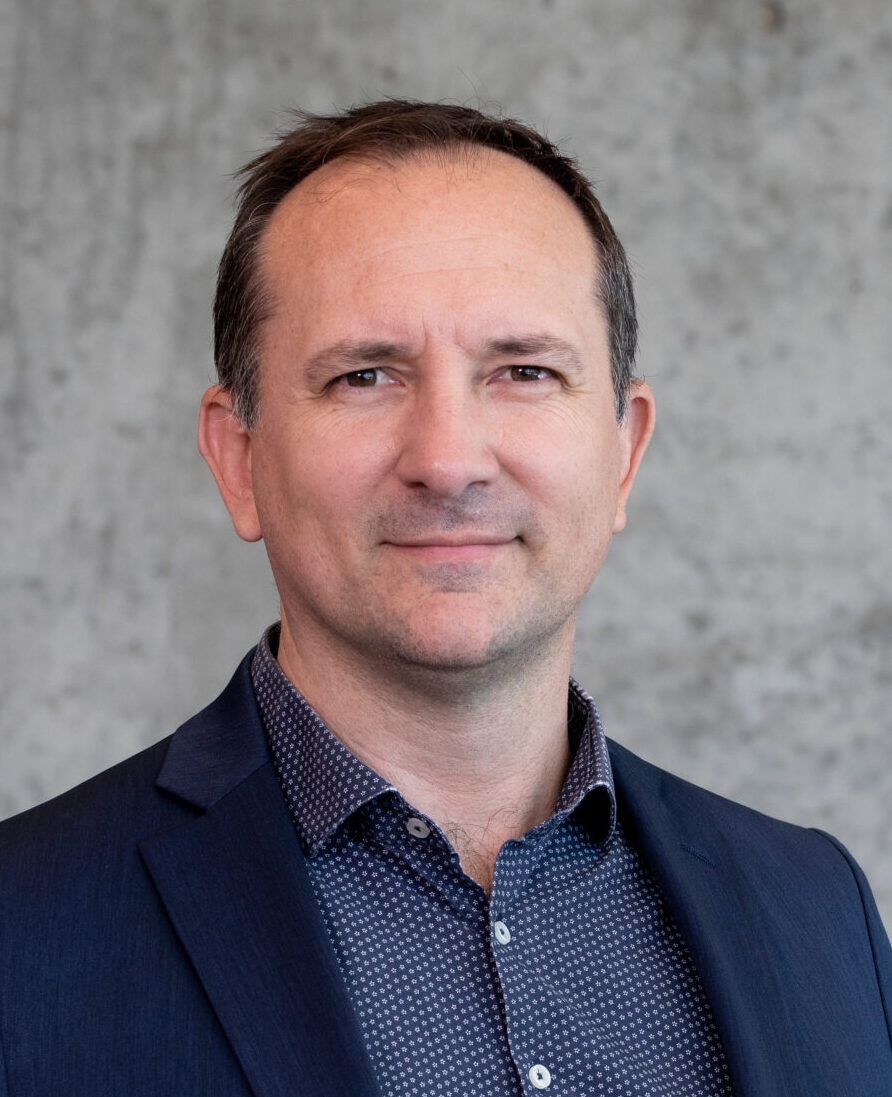
Michael Henderson, Ph.D.
Associate Professor, Department of Neurodegenerative Science; Director, VAI Brain Bank
Biography
Michael Henderson, Ph.D., is an associate professor in the Department of Neurodegenerative Science at Van Andel Institute and the founding director of the VAI Brain Bank. His research centers on understanding why certain neurons and brain circuits are especially vulnerable to neurodegenerative diseases such as Parkinson’s disease, dementia with Lewy bodies and Alzheimer’s disease.
Dr. Henderson uses an integrative approach that spans molecular and structural neuropathology, spatial transcriptomics, advanced microscopy and in vivo modeling. His work has revealed how pathogenic proteins including α-synuclein and tau propagate through brain networks, how genetic and cellular factors influence selective vulnerability, and how co-pathologies interact to shape disease progression. These efforts aim to define the biological rules that govern neurodegeneration and to identify new entry points for therapeutic intervention.
Dr. Henderson earned his Ph.D. in neuroscience from Yale University and completed postdoctoral training at the University of Pennsylvania, where he developed expertise in neurodegenerative disease mechanisms and neuropathology. In addition to the lab, Dr. Henderson directs the VAI Brain Bank, a resource that enables discoveries across the Institute and the broader scientific community. He is also an active educator, serving as a course director and mentor within Van Andel Institute Graduate School.
Darren Moore, Ph.D.
Chair and Professor, Department of Neurodegenerative Science; Director, MiND Program; Jay Van Andel Endowed Chair in Parkinson’s Disease Research
Molecular Neurodegeneration
Darren Moore, Ph.D.
Chair and Professor, Department of Neurodegenerative Science; Director, MiND Program; Jay Van Andel Endowed Chair in Parkinson’s Disease Research
Biography
Dr. Darren Moore received an undergraduate degree from the University of East Anglia in 1998 and a Ph.D. in molecular neuroscience from the University of Cambridge in 2001 in the laboratory of Dr. Piers Emson. He conducted postdoctoral training with Professor Ted Dawson in the Department of Neurology and Morris K. Udall Parkinson’s Disease Research Center of Excellence at the Johns Hopkins University School of Medicine in Baltimore. Dr. Moore joined the faculty at Johns Hopkins in 2005 as an instructor and became assistant professor in 2006. In 2008, Dr. Moore moved to the Swiss Federal Institute of Technology (EPFL) in Lausanne as an assistant professor in the Brain Mind Institute. In 2014, Dr. Moore joined the faculty at VAI as an associate professor in neurodegenerative science. He subsequently was promoted to professor in 2017 and to chair of the Department of Neurodegenerative Science in 2020. His laboratory is interested in understanding the biology and pathophysiology of gene products associated with inherited Parkinson’s disease.
Laurent Roybon, Ph.D.
Associate Professor, Department of Neurodegenerative Science; Director, MiND iPSC Platform
Patient-Based Models of Neurodegenerative Diseases
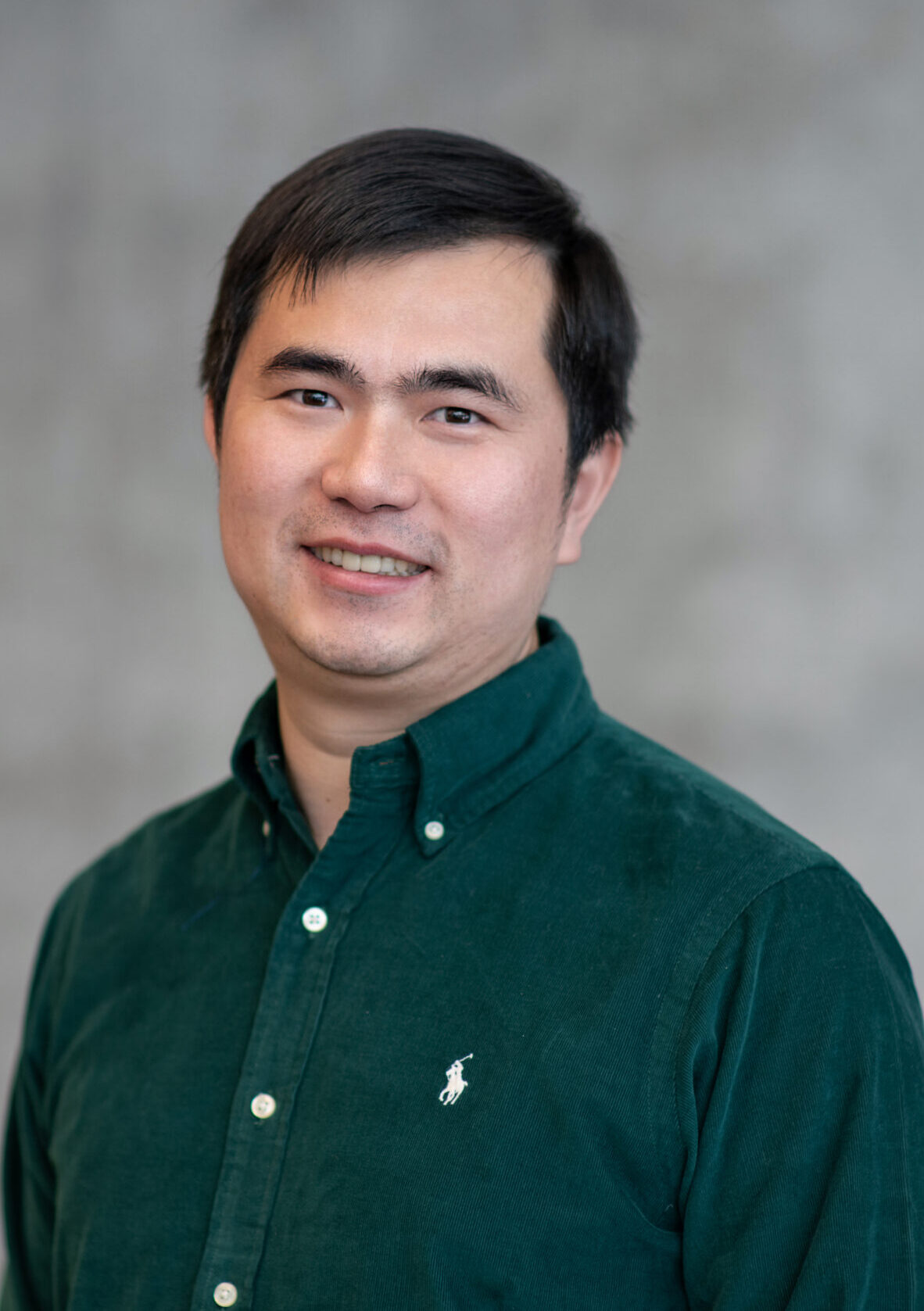
Laurent Roybon, Ph.D.
Associate Professor, Department of Neurodegenerative Science; Director, MiND iPSC Platform
Biography
Laurent Roybon, Ph.D., is a neurobiologist with strong expertise in CNS- and induced pluripotent stem cell (iPSC)-based assays to study diseases of the aging brain.
Laurent earned his B.S., M.S. and DEA in cellular and developmental biology from the Institute of Developmental Biology of Marseilles (IDBM) in France, and a Ph.D. in neurobiology from Lund University in Sweden (mentor: Dr. Jia-Yi Li). He completed postdoctoral fellowships in the labs of Dr. Patrik Brundin at Lund University, and Drs. Christopher E. Henderson and Hynek Wichterle at Columbia University of New York, the Jenifer Estess Laboratory for Stem Cell Research (Project ALS), USA. In 2011, he returned to Lund University as assistant professor of neurobiology and group leader of the Stem Cell Laboratory for CNS disease modelling. He was promoted to associate professor in 2015.
In 2022, Dr. Roybon joined Van Andel Institute’s MiND Program as director of its new Induced Pluripotent Stem Cell (iPSC) Platform, which provides leading-edge technologies and expertise to empower breakthroughs in neurodegenerative diseases. He was appointed as associate professor in VAI’s Department of Neurodegenerative Science in 2023.
The Roybon Laboratory leverages iPSCs to design and develop new, much-needed models to study proteinopathies, including Parkinson’s disease, Alzheimer’s disease and amyotrophic lateral sclerosis. These critical tools enable detailed research into the mechanisms that drive neurodegeneration, thus creating new opportunities for therapeutic development.
Dr. Roybon has earned numerous accolades, including the Olav Thon International Research Award in Mathematics/Natural Sciences and Medicine, and Lund University’s Young Faculty MultiPark Award. While at Lund University, he received several grants from the Michael J. Fox Foundation for Parkinson’s Research, the European Joint Program for Neurodegeneration, the Swedish Research Council, the AFM Telethon France, and several Swedish private foundations.
Bang-An Wang, Ph.D.
Assistant Professor, Department of Neurodegenerative Science
Epigenetic Regulation and Neurodegeneration
Biography
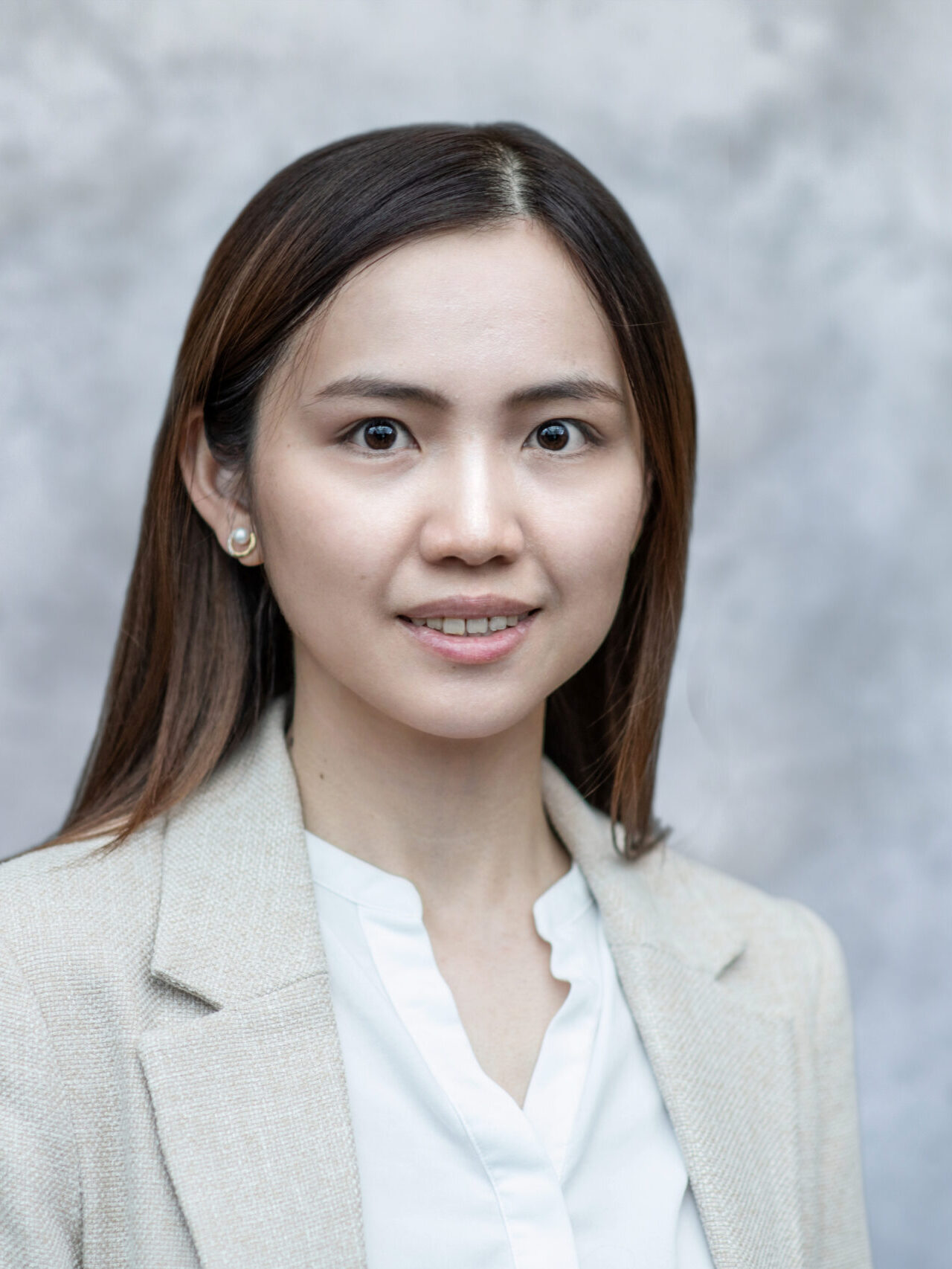
Dr. Bang-An Wang is a geneticist whose research weaves together experimental and computational approaches to explore epigenetics in brain development and neurodegeneration.
He earned his B.S. in biochemistry from Shandong University and his Ph.D. in biochemistry and molecular biology from the Chinese Academy of Sciences. As a graduate student in the lab of Dr. Guo-liang Xu, Dr. Wang identified dysfunction in the Lefty-Nodal pathway as the molecular mechanism underlying embryonic developmental defects caused by the disrupted DNA demethylation pathway.
In 2016, Dr. Wang joined the lab of Dr. Joseph Ecker at Salk Institute for Biological Studies, where he held roles as a postdoctoral fellow and a staff scientist. While at Salk, he investigated epigenetic regulation of brain cell heterogeneity and its effects on neurodevelopment and neurodegeneration. Dr. Wang co-developed snmCAT-seq, a novel, robust single cell multi-omics method that enables capture of methylome, transcriptome and open chromatin within one cell. snmCAT-seq has enabled discovery across numerous high-impact projects that explore cell diversity in the brain, including the National Institutes of Health BRAIN Initiative, the Chan Zuckerberg Initiative Human Cell Atlas and the American Heart Association-Allen Initiative in Brain Health and Cognitive Impairment.
In 2025, Dr. Wang joined Van Andel Institute’s Department of Neurodegenerative Science as an assistant professor. His lab leverages multi-disciplinary methods to explore the roles of epigenetics in neurodevelopment and neurodegenerative disorders.
Dr. Wang’s research has resulted in several awards, including the 2018 Salk Innovation Award and inclusion in the Top 10 Scientific Advances in China in 2016 and 2012.
Yang Yang, Ph.D.
Assistant Professor, Department of Structural Biology
Structural Basis for Neurodegenerative Diseases
Biography
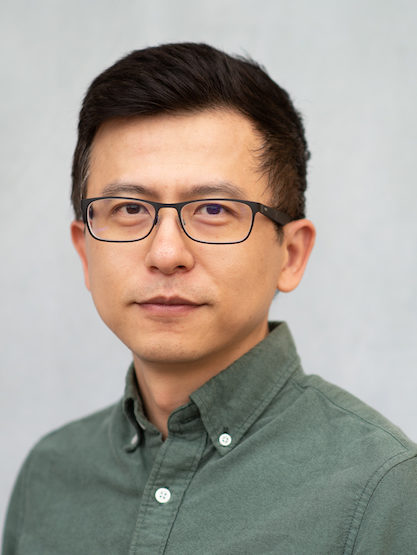
Dr. Yang Yang leverages leading-edge imaging technologies to illuminate new insights into neurodegenerative diseases such as Parkinson’s and Alzheimer’s. Her research has revealed the structures of critical disease-related protein filaments — an important step toward developing improved treatments.
Dr. Yang earned a B.S. in bioscience from Beijing Forestry University and a Ph.D. in biochemistry from the Institute of Biophysics of the Chinese Academy of Sciences (adviser: Dr. Zihe Rao). She then continued her work in the Rao Lab as a research associate, where she spearheaded structural studies into the human niacin receptor HCA2-Gi signaling complex.
In 2020, she joined the labs of Dr. Sjors Scheres and Dr. Michel Goedert at MRC Laboratory of Molecular Biology as a postdoctoral fellow. While there, she led several cryo-EM projects to visualize protein filaments associated with Parkinson’s disease, Alzheimer’s disease and dementia with Lewy bodies, and multiple system atrophy. Her findings revealed key differences among filament types, shedding light on disease presentation and identifying potential targets for treatment.
Dr. Yang joined Van Andel Institute’s Department of Structural Biology in 2024, where she employs cryo-EM and other advanced techniques to gain mechanistic insight into neurodegenerative diseases.
Qiang Zhu, Ph.D.
Assistant Professor, Department of Neurodegenerative Science
Genetics, Epigenetics and Therapeutic Innovation in Neurodegenerative Diseases

Biography
Qiang Zhu, Ph.D., is a neuroscientist with deep expertise in the molecular and cellular mechanisms that give rise to neurodegenerative diseases. He earned his Ph.D. in anatomical sciences and neurobiology from the University of Louisville School of Medicine. He then joined the lab of Dr. Don Cleveland at University of California, San Diego, as a postdoctoral fellow. While there, he co-led a collaborative team of researchers from academia and industry to investigate the C9ORF72 repeat expansion, the most common genetic cause of amyotrophic lateral sclerosis (ALS) and frontotemporal dementia (FTD). His work established the feasibility of an antisense oligonucleotide (ASO)-mediated therapy, which is currently in clinical trials for treating the C9ORF72 ALS/FTD. He further elucidated the synergistic effects of gain of repeat toxicity and loss of the C9ORF72 function in driving the C9ORF72-associated ALS and FTD, which revealed new opportunities for drug development targeting this mutation. He recently developed new motor neuron disease models and is collaborating with the biotech industry to explore new treatments. Dr. Zhu has earned several awards for his scholarship, including the Milton Safenowitz Postdoctoral Fellowship and the Starter Grant from the ALS Association.
Patent
Methods for reducing c9orf72 expression. PCT/US2017/027355, US2019/0142856 A1, 2016
Recent Publications
* Co-first authors# Co-corresponding authors
Sources
*World Health Organization. 2022. Dementia. https://www.who.int/news-room/fact-sheets/detail/dementia
** U.S. Centers for Disease Control and Prevention. 2022. Alzheimer’s disease and related dementias. https://www.cdc.gov/aging/aginginfo/alzheimers.htm