
Cancer research in 2026: What’s new? What’s next?
February 4, 2026
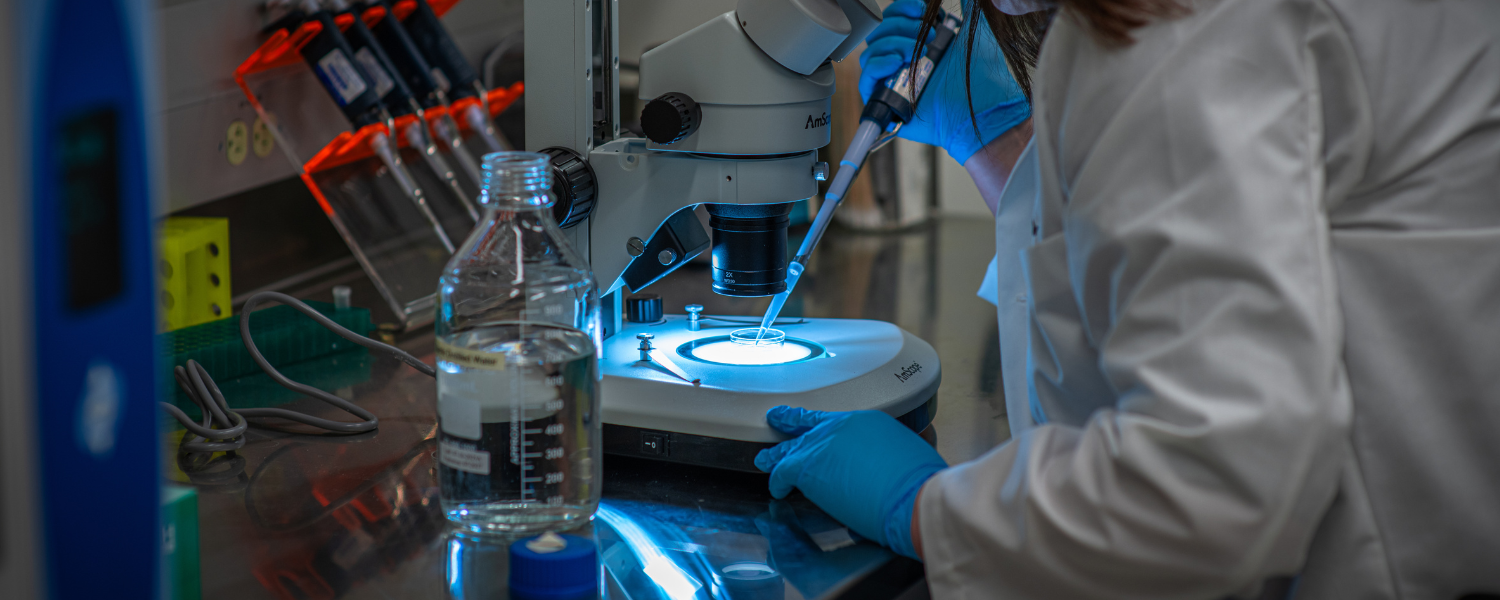
Cancer research saves lives.
For the first time, the five-year survival rate for all cancers combined has hit 70% among people diagnosed from 2015–2021 in the U.S., according to the American Cancer Society’s 2026 Cancer Statistics report.
This milestone reflects decades of progress fueled by scientific discovery.
“The success of cancer research is measured in human impact — cancers prevented, lives saved, more time with loved ones,” said Van Andel Institute President and Chief Scientific Officer Dr. Jonathan D. Licht. “Advances in research mean better prevention strategies, earlier diagnosis and more effective treatment. As we look ahead to 2026 and beyond, we must keep up this momentum.”
Here are four areas to watch for breakthroughs.
Exploring epigenetics to better understand and treat cancer
Every cell in the human body has the same DNA, the genetic manual that contains the instructions for life. Epigenetics influence how and when those instructions are accessed, ensuring that the right instructions are used at the right time.
Cancer hijacks this important system to survive. It keeps anti-cancer genes silent while allowing genes that promote its survival to stay active. Cancers often have multiple epigenetic errors, which reinforce each other and keep the body’s cancer-fighting genes locked away.
Cancer’s epigenetic safeguards also offer important opportunities for treatment. As a world leader in cancer epigenetics, VAI is at the forefront of exploring the epigenetic factors that drive cancer, developing powerful research tools, identifying new treatment targets and evaluating promising potential epigenetic therapies through the Van Andel Institute–Stand Up To Cancer® Epigenetics Dream Team.
Recent highlights
- Van Andel Institute scientists develop technique for high-resolution single cell epigenetic analysis ➔
- DNA ‘organizer’ helps cells store and access genetic information ➔
- New ‘atlas’ may aid search for markers of early-stage ovarian cancer ➔
- Cellular mix-ups can set the stage for kidney disease ➔
- Pinpointing weaknesses in cancer’s armor ➔
- Cancer risk established before birth ➔
Investigating the immune system to identify new treatment opportunities
The immune system is the body’s first line of defense against threats like harmful bacteria, viruses and cancer. In recent years, immunotherapies, which help the immune system fight disease, have become one of the most promising new avenues for cancer treatment.
Since 2011, the U.S. Food and Drug Administration has issued more than 150 immunotherapy-related approvals, including new medications and cell-based therapies.1 More than 1,000 immunotherapy clinical trials are underway, each exploring different cancers and contexts.2, 3 This number includes trials sponsored by the VAI–SU2C Epigenetics Dream Team, which evaluates treatments that combine immunotherapies with epigenetic medications for a one-two punch against cancer.
Immunotherapies have been game-changers for many people facing cancer but, as of now, they don’t work for everyone. VAI scientists are working to change that by searching for ways to make these critical treatments effective for more people. We’re also investigating how different parts of the immune system can be harnessed to tackle cancer from multiple angles.
Recent highlights
- Reducing inflammation may offer new path for treating Peutz-Jehgers syndrome, GI cancers ➔
- Releasing a molecular ‘brake’ may help immune cells better fight cancer ➔
- The promise of soundwaves in treating cancer ➔
- New research aims to improve cancer immunotherapy ➔
- Using viral mimicry to help the immune system see — and fight — cancer ➔
Harnessing diet and metabolism to fight cancer and support the immune system
Metabolism is a constant, complex set of chemical reactions that transform nutrients from the food we eat into energy.
All cells, whether healthy or sick, rely on metabolism. Immune cells use the energy they gain from metabolism to identify and fight infections and cancer. Cancer cells rewire their metabolic processes to help them grow quickly, survive stressful conditions and evade attack from the immune system.
At VAI, our scientists are exploring ways to supercharge immune cells and starve cancer cells. In the coming years, they hope to translate their findings into tailored, evidence-based dietary strategies that can support cancer treatment.
Recent highlights
- Study reveals how dietary restriction helps fuel cancer-fighting immune cells ➔
- Cancer cells use backup routes to fuel their growth ➔
- ‘Sweet’ discovery reveals how glucose fuels cancer-fighting immune cells ➔
- ‘Sugar’ signatures help identify and classify pancreatic cancer cell subtypes ➔
- Your immune cells are what they eat ➔
- The crossroads of immunity, metabolism and cancer ➔
Working together to take on cancer
Understanding cancer and transforming discoveries into new care strategies requires a broad range of expertise. That’s why team science and collaboration are areas to watch in 2026.
Team science is the reason we have a map of the human genome. In cancer, large-scale collaborations have led to detailed atlases of more than 33 different types of cancer, which scientists can use to develop more precise treatments. Read more about VAI’s contributions to this work ➔
Efforts like the VAI–SU2C Epigenetics Dream Team showcase the power of working together. Since 2014, this multi-institutional team of scientists, physicians, industry partners and advocates has launched 15 clinical trials evaluating promising potential treatments for cancer. VAI also works with a growing number of local, regional and national partners to tackle some of the most pressing questions in cancer.
Collaboration will remain a driving force in cancer research, bringing together the expertise and resources required to foster life-changing breakthroughs now and in the years to come.
Learn more about VAI’s cancer research ➔
Sources
1 Cancer Research Institute. 2025. CRI Cancer 2025 Immunotherapy Insights + Impact.
2 ClinicalTrials.gov. Jan. 25, 2026. Search: “cancer” and “immunotherapy.” https://clinicaltrials.gov/search?cond=Cancer&intr=Immunotherapy.
3 Johns Hopkins Medicine. n.d. Immunotherapy: Precision medicine in action. https://www.hopkinsmedicine.org/inhealth/about-us/immunotherapy-precision-medicine-action-policy-brief