
Metabolism & Nutrition
77 results.
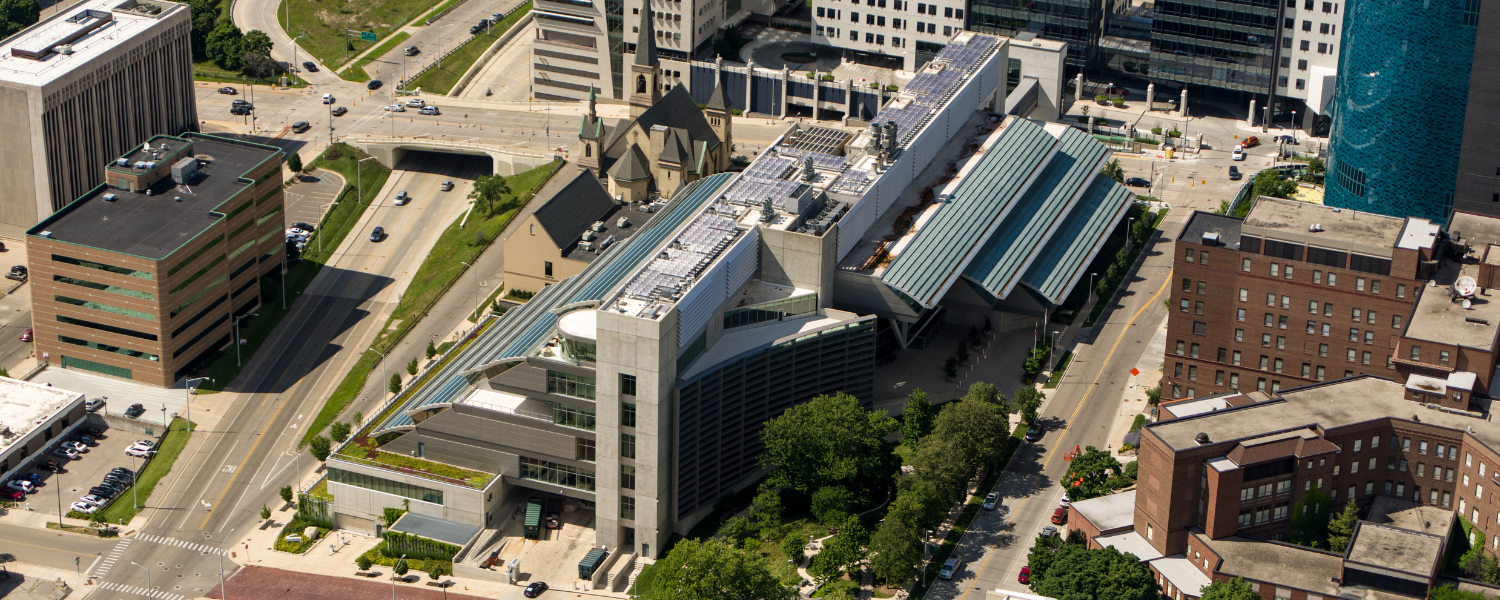
GRAND RAPIDS, Mich. (June 15, 2026) — Van Andel Institute has risen to no. 3 among North American nonprofit and nongovernmental research organizations in…
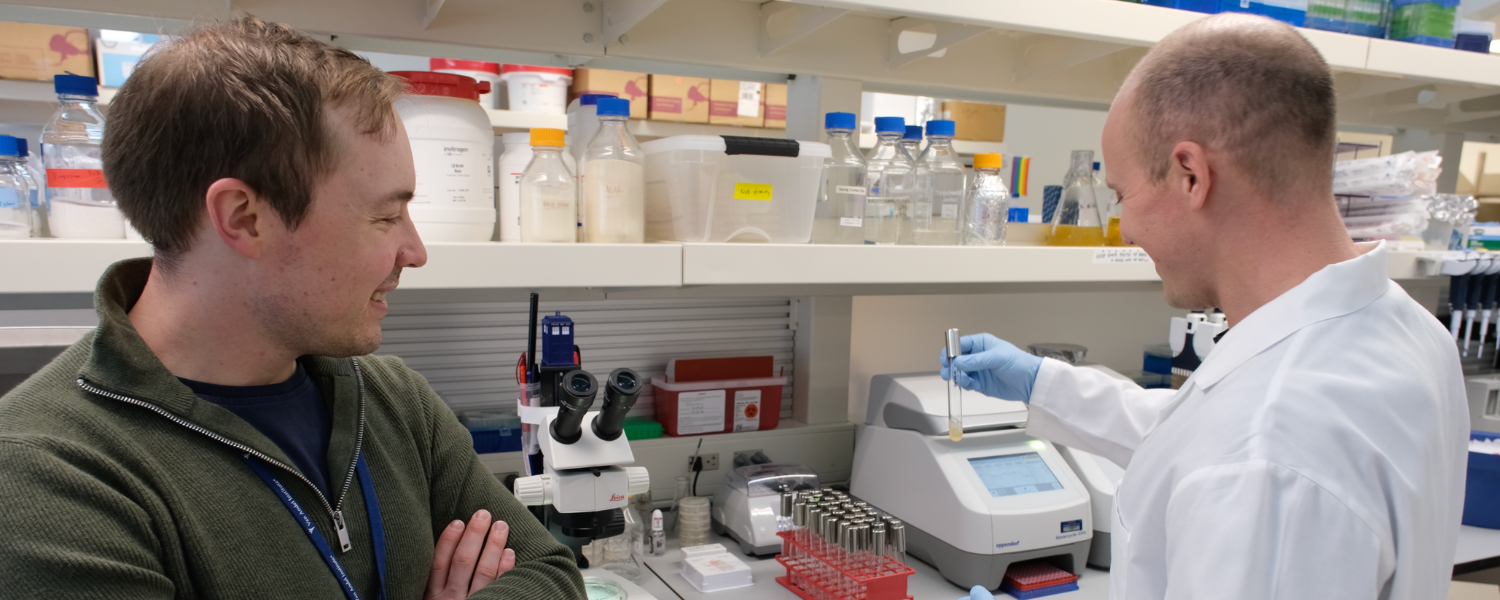
The human gut is home to a vast, invisible ecosystem of bacteria, viruses and other microbes that influence health in ways we are just beginning…
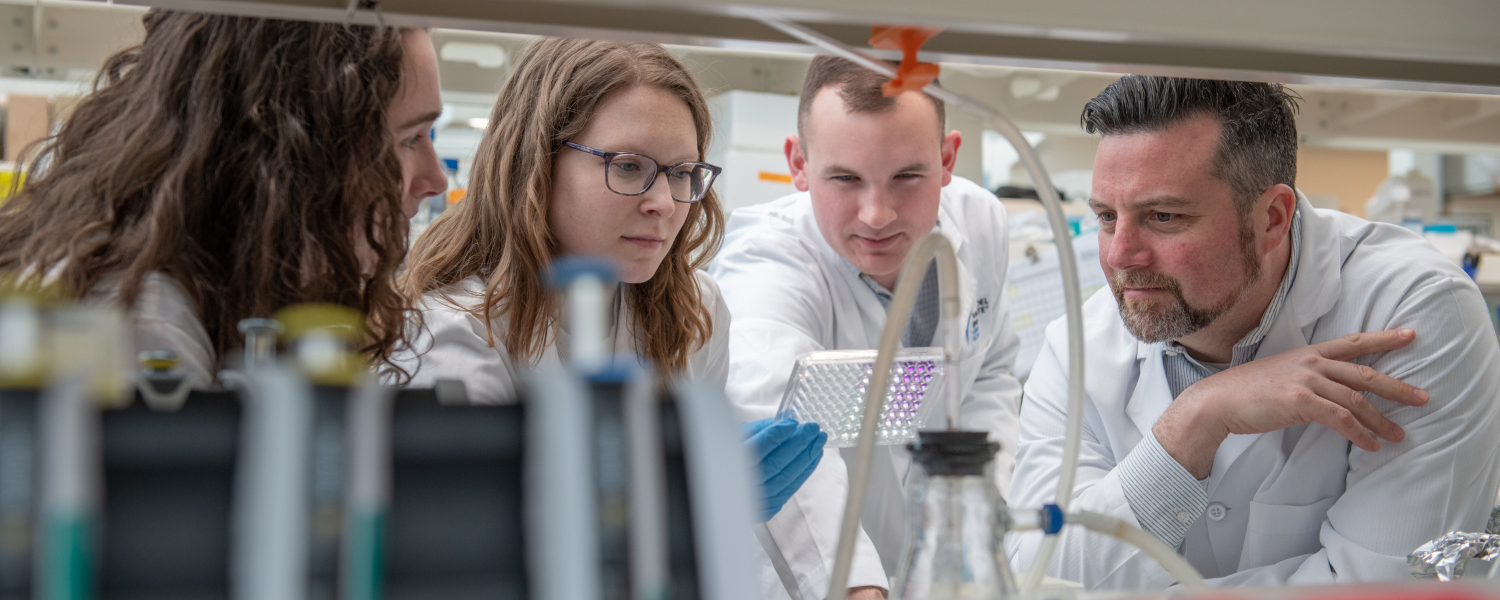
All cells rely on nutrients from the foods we eat to survive and thrive.
Thanks to research from VAI scientists and collaborators, we now…
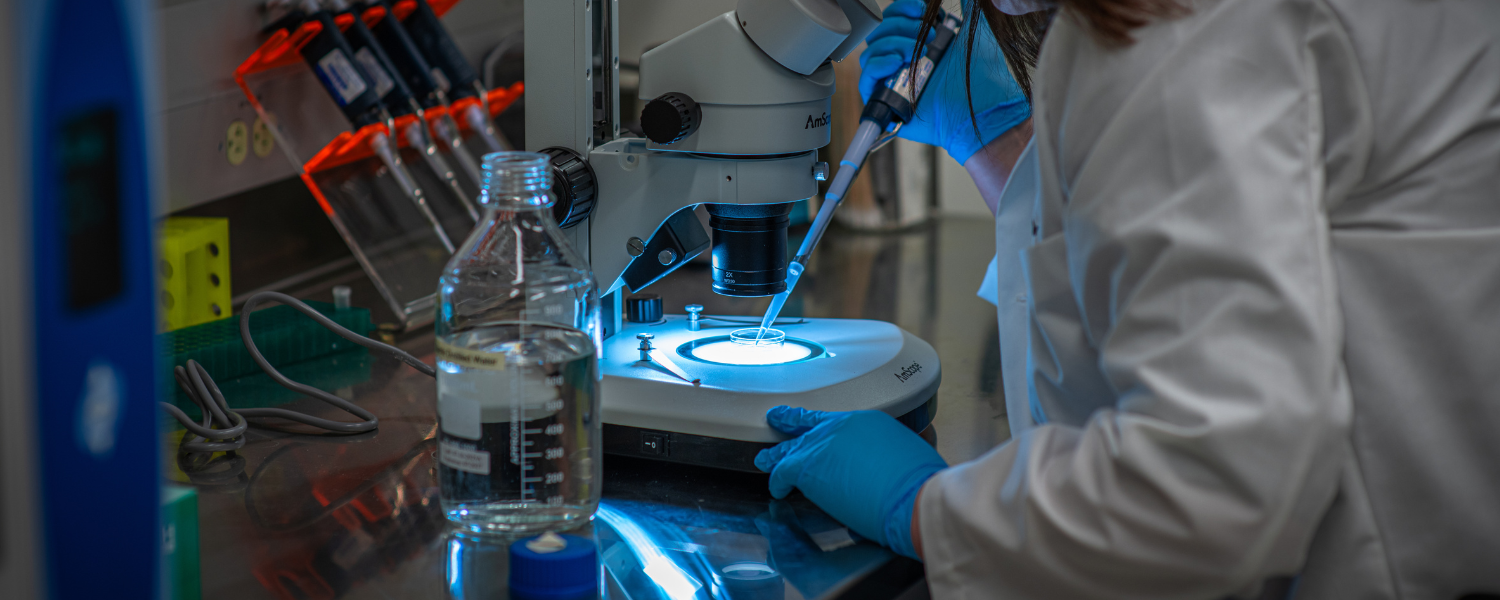
Cancer research saves lives.
For the first time, the five-year survival rate for all cancers combined has hit 70% among people diagnosed from 2015–2021 in…
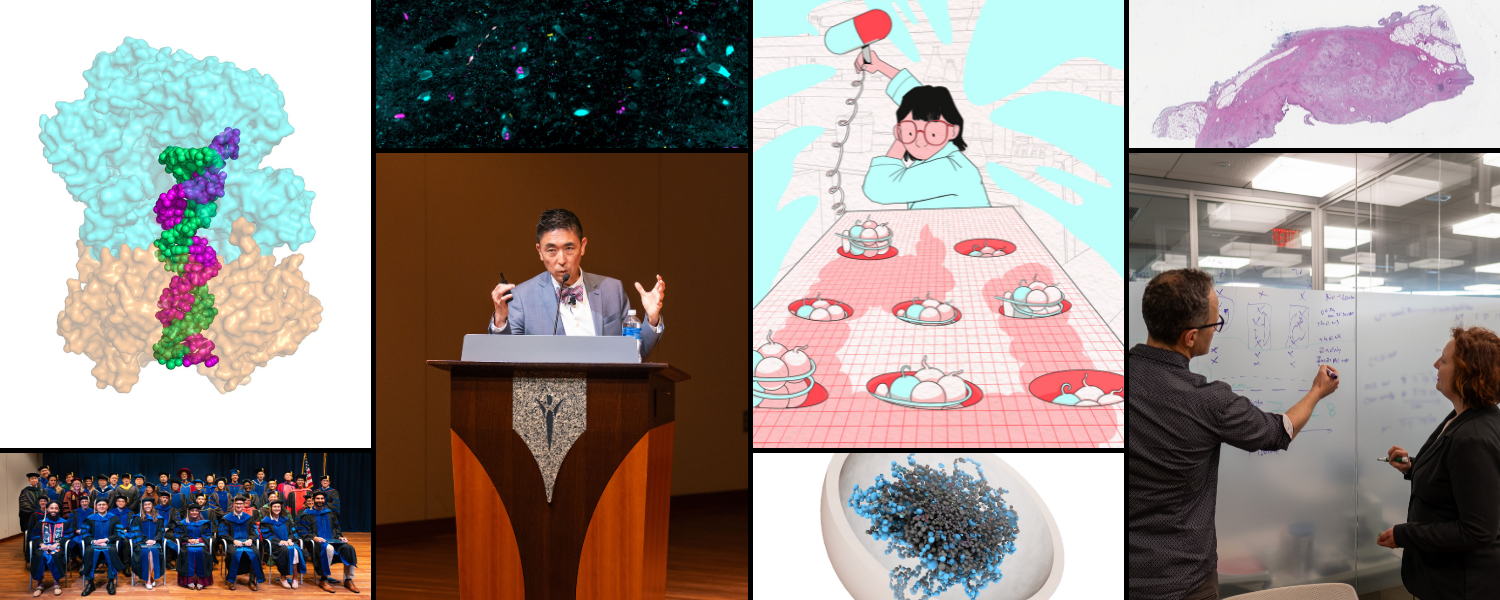
In 2025, VAI continued to build scientific momentum and drive discoveries that deepen our understanding of human health. With the addition of new faculty and…

Could the key to better treatments for chronic conditions such as diabetes and inflammatory bowel disease be found in our own backyards?
GRAND RAPIDS, Mich. (Dec. 9, 2025) — Reducing calorie intake helps cancer-fighting immune cells do their jobs more effectively, reports a study by Van Andel Institute…
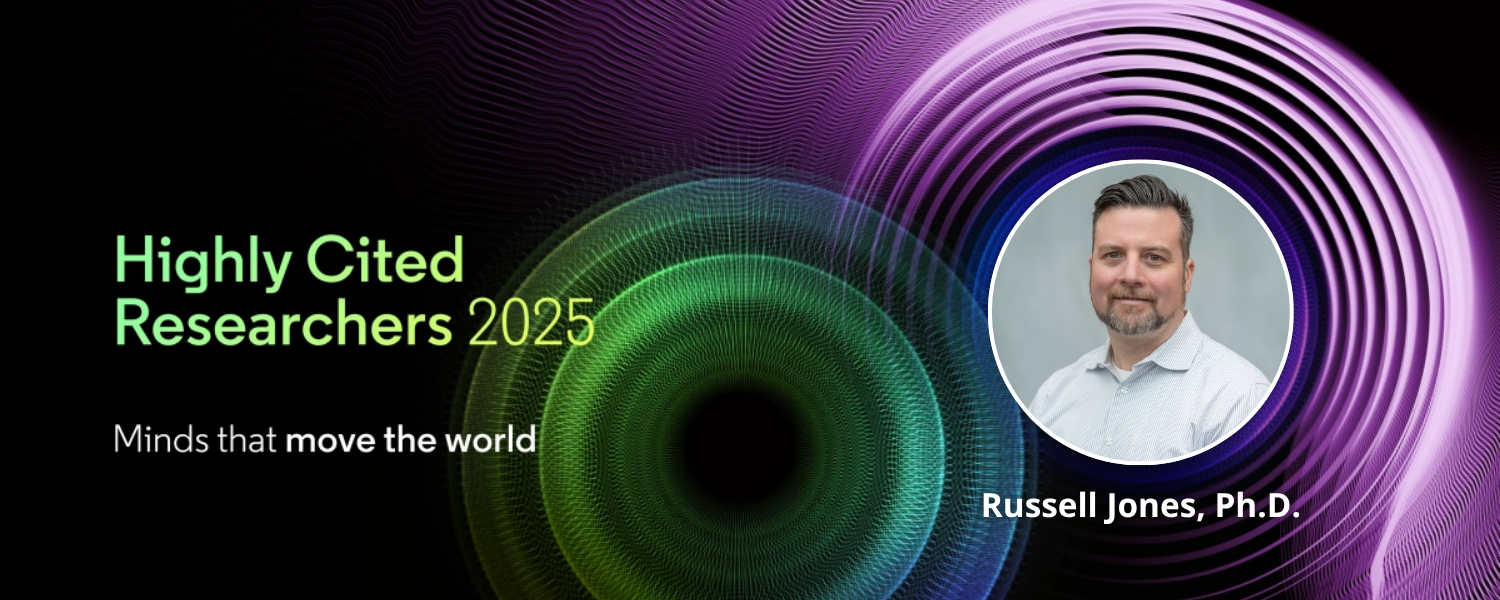
GRAND RAPIDS, Mich. (Nov. 12, 2025) — Van Andel Institute’s Russell Jones, Ph.D., is included in this year’s Clarivate Highly Cited Researchers list, a distinction…