
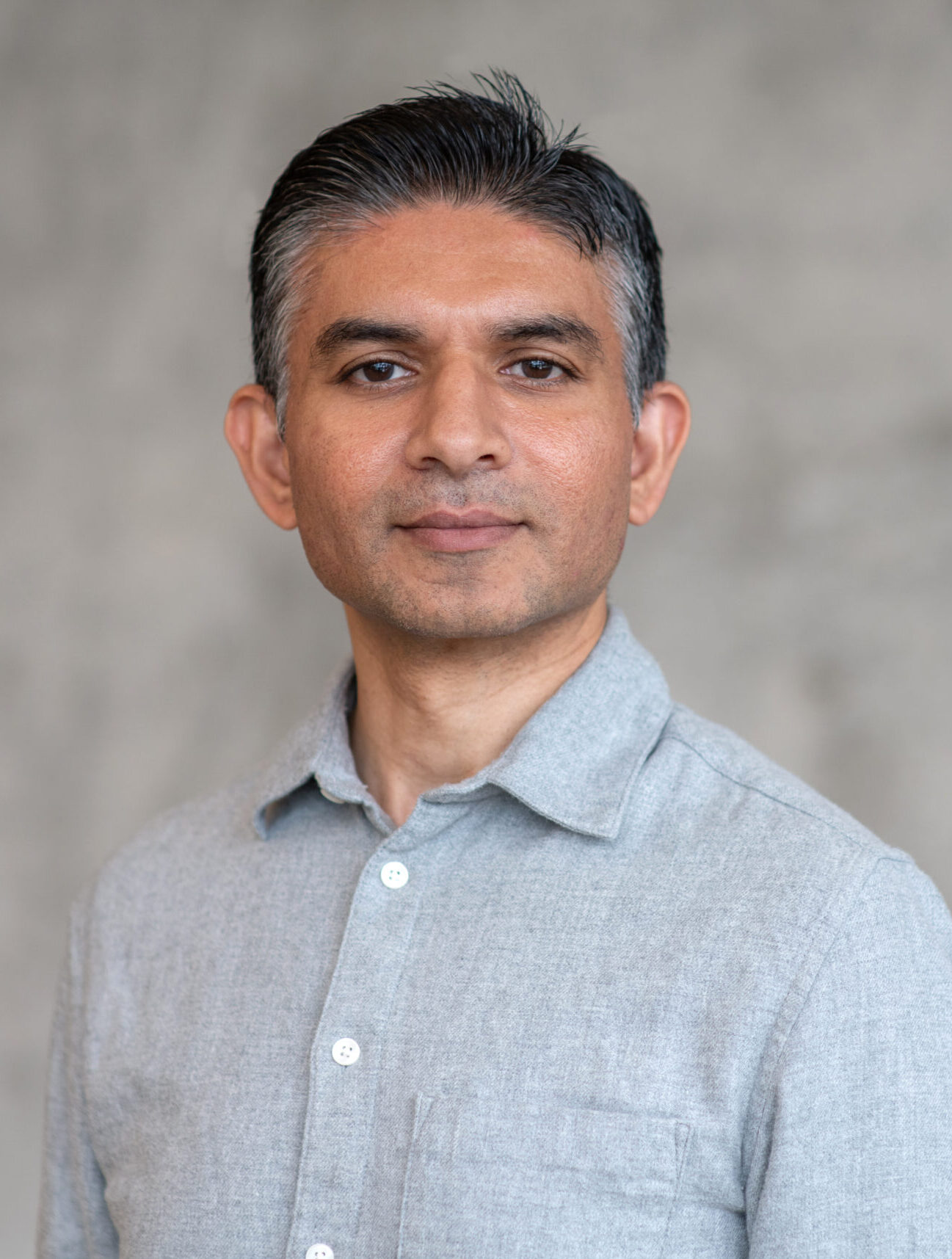
Maulik Patel, Ph.D.
Associate Professor, Department of Metabolism and Nutritional Programming
Areas of Expertise
Mitochondria, mitochondrial genetics, mito-nuclear communication, C. elegans, cellular stress
Biography
Dr. Maulik Patel studies how cells handle, store and expend energy, with a focus on how this intricate process, connected with metabolism and nutrition, interacts with other systems to influence health, disease and aging. His research centers on cellular “powerhouses” called mitochondria, which support day-to-day function and, when faulty, contribute to rare, devastating diseases in children and common degenerative conditions in aging adults.
After earning his B.A. in cognitive neurophilosophy from Grinnell College, Dr. Patel worked as a research assistant in the lab of Dr. Larry Katz at Duke University, where he studied pheromone-based memory development. He later earned his Ph.D. from Stanford University under the mentorship of Dr. Kang Shen. His doctoral research focused on synapse development and resulted in several high-impact publications.
Following graduate school, Dr. Patel joined the lab of Dr. Harmit Malik at Fred Hutchinson Cancer Research Center, where he developed a mitochondria-focused research program. During his postdoc, Dr. Patel was awarded a prestigious Helen Hay Whitney Foundation Fellowship to support his work.
Dr. Patel joined Vanderbilt University as an assistant professor in 2015. Leveraging C. elegans as a model, his lab revealed new insights into mitochondria’s role in homeostasis, mitochondrial genome dynamics and mitochondrial fitness. Dr. Patel also developed and taught the undergraduate courses Introduction to Cell Biology and Principles of Human Disease. His commitment to supporting the next generation of scientists earned him the 2021 Excellence in Mentoring Award from Vanderbilt’s Department of Biological Sciences.
In 2025, Dr. Patel joined Van Andel Institute’s Department of Metabolism and Nutritional Programming as an associate professor. He continues to expand his research, with an emphasis on how mitochondrial genetics and metabolism influence development and physiology.