
Rising Stars in Metabolism Symposium
The Rising Stars in Metabolism Symposium recognizes exceptional, up-and-coming assistant professors and postdoctoral fellows whose innovative research is poised to deeply impact the metabolism field.
The registration period has closed. For questions, please contact Courtney Zirkle.
Opening remarks
Van Andel Institute
Keynote lecture
University of Wisconsin-Madison
Searching for meaning in the 5000 spectral features of the dark lipidome: Regulatory exploration of a novel acylcarnitine transporter
Break
Session 1Chair: Nick Burton, Ph.D.
Julia S. Brunner, Ph.D.
Memorial Sloan Kettering Cancer Center
Identifying cell state dependent metabolic programs
Maya Emmons-Bell, Ph.D.
Yale School of Medicine
Polyamines regulate cell fate by altering the accessibility of histone tails
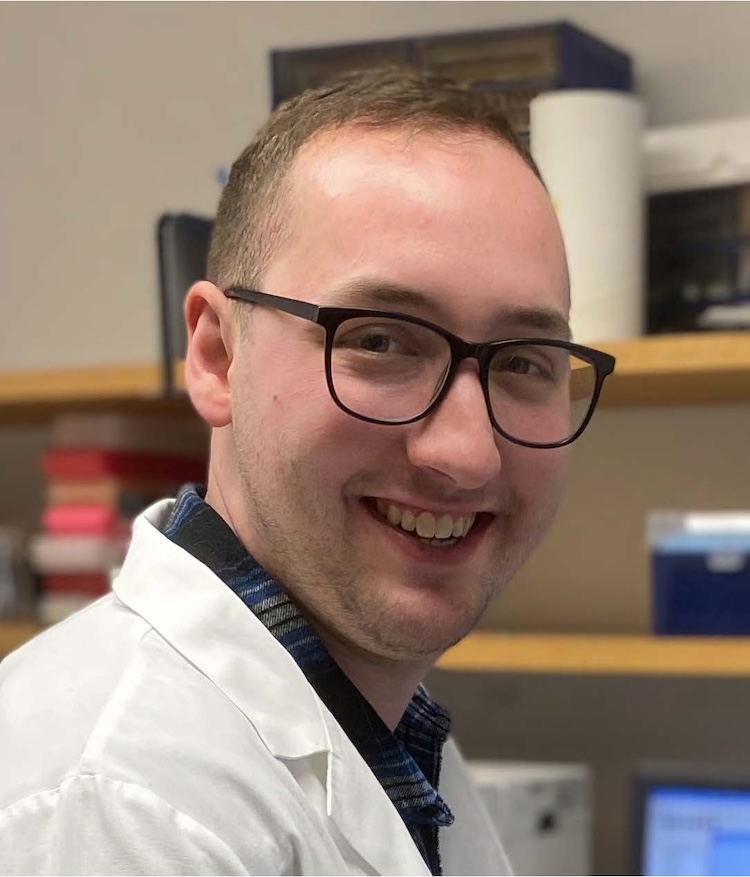
Nicholas Lesner, Ph.D.
University of Pennsylvania
Lunch
Session 2 Chair: Connie Krawczyk, Ph.D.
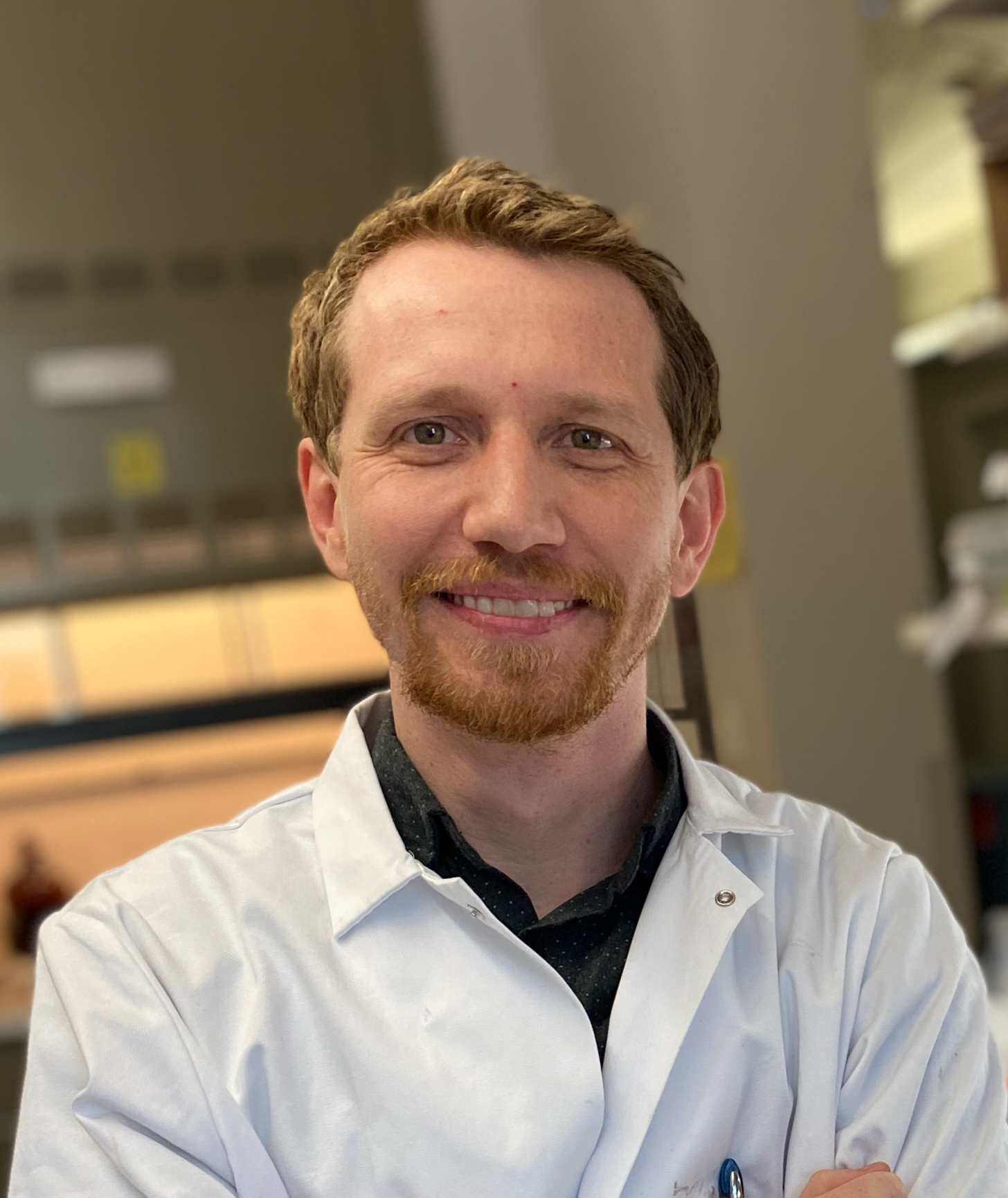
Trevor Tippetts, Ph.D.
UT Southwestern Medical Center
A role for lipoylation in cardiometabolic function
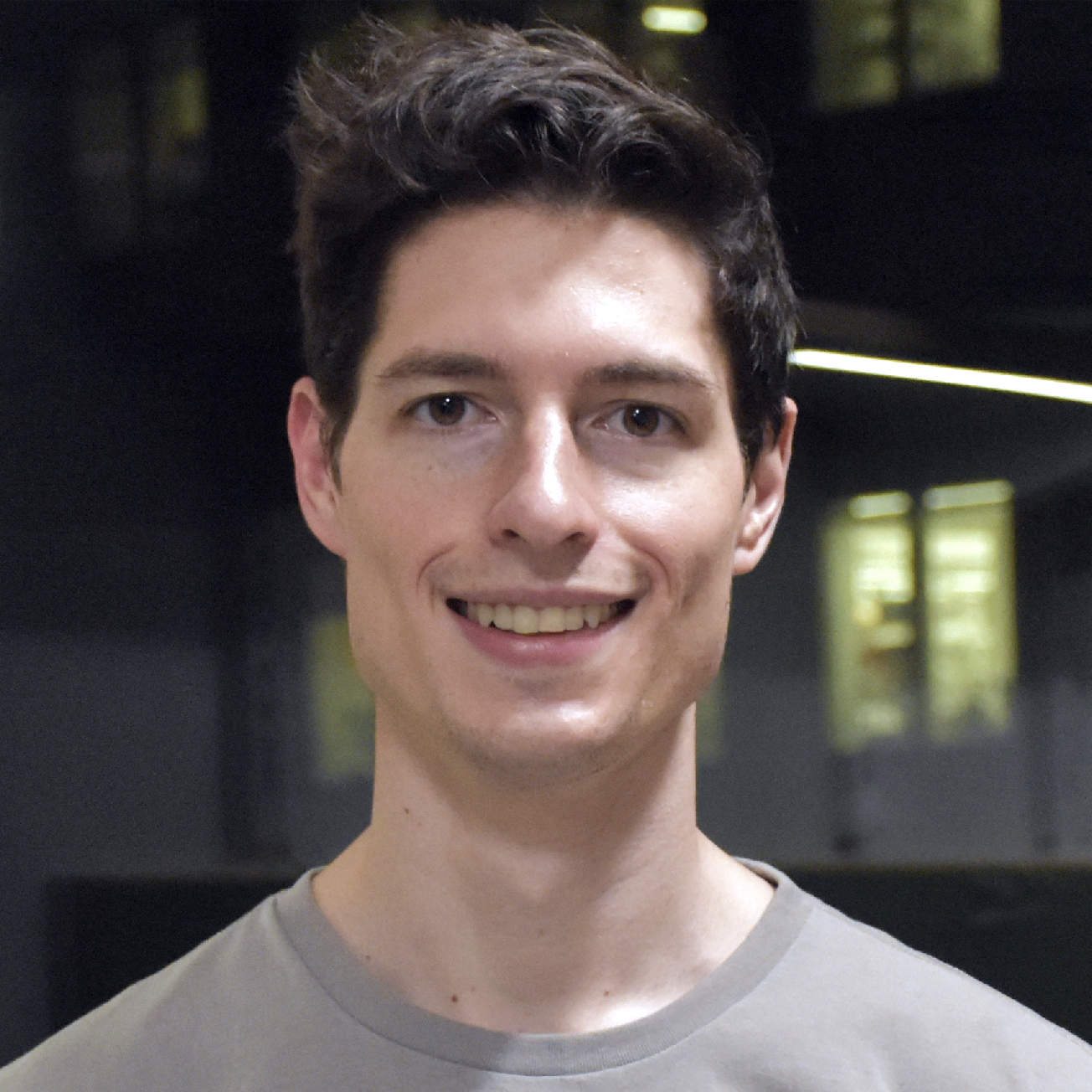
Andrew Cangelosi, Ph.D.
Duke Molecular Physiology Institute at Duke University
Uncovering new mitochondrial regulators of liver health and disease with genetic screens
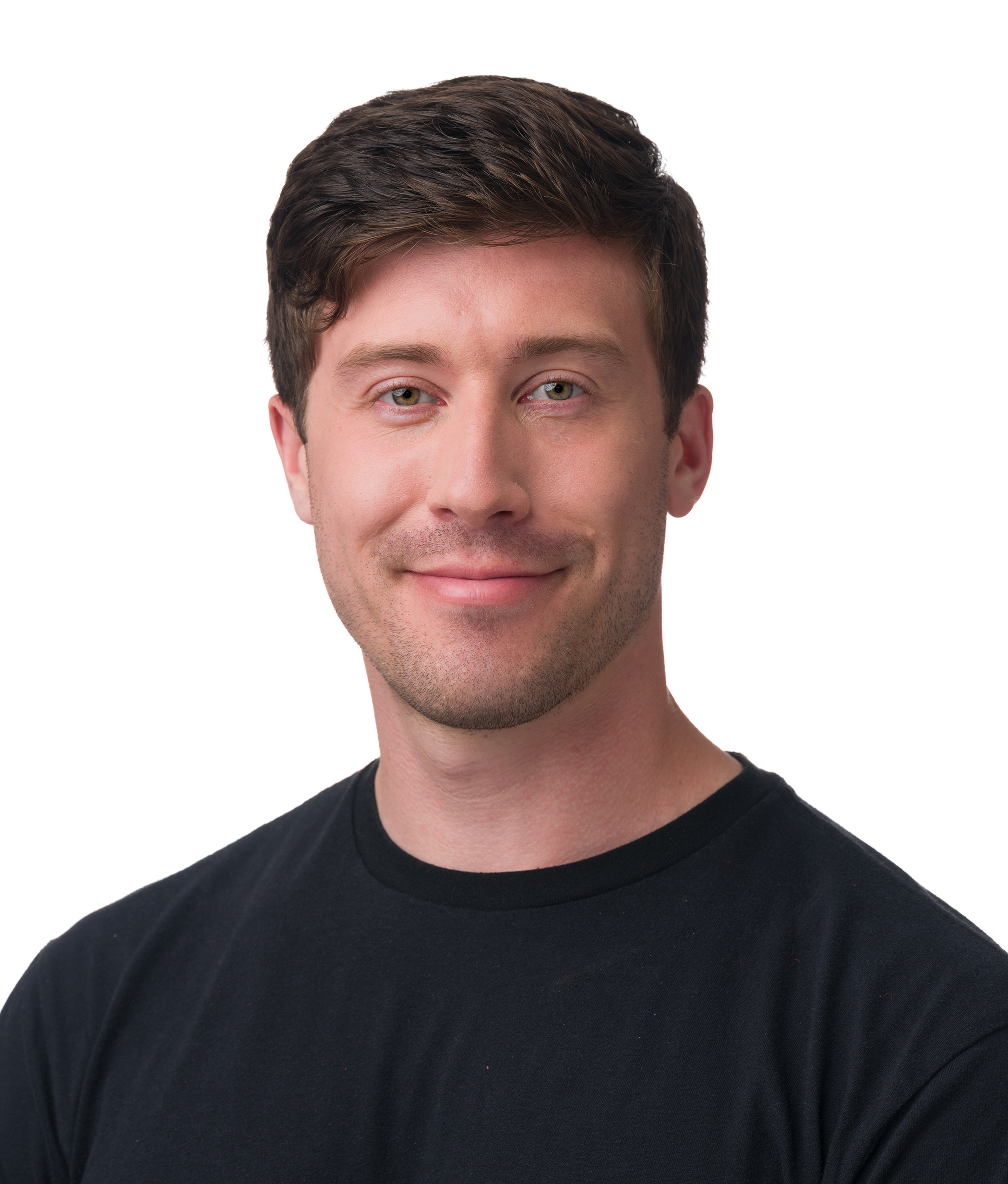
Zachary Sebo, Ph.D.
Northwestern University Feinberg School of Medicine
Break
Session 3Chair: Maulik Patel, Ph.D.
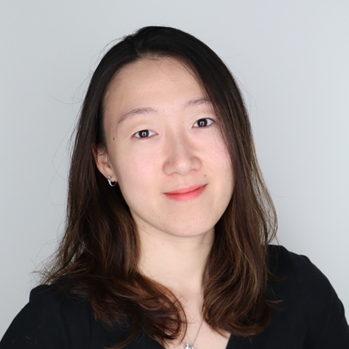
Yajing Gao, Ph.D.
University of California, Los Angeles
Intracellular lipid transport in immunoregulation and metabolism
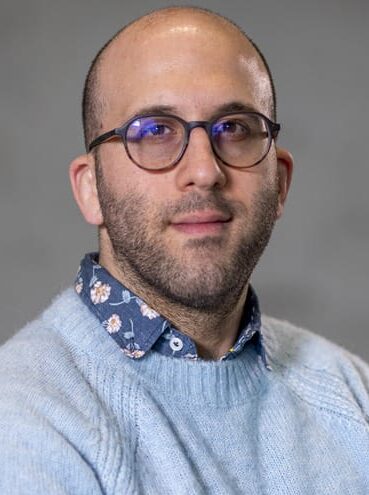
Michael Dahabieh, Ph.D.
Van Andel Institute
Cosmic crosstalk: Lipid signals at the immune frontier
Closing remarks
Van Andel Institute
Research Associate, Cell Biology Program, Memorial Sloan Kettering Cancer Center
Julia Brunner is a former HFSP long-term and current Kravis-WiSE fellow in the laboratory of Dr. Lydia Finley at Memorial Sloan Kettering Cancer Center in New York. Her research focuses on how metabolic networks reconfigure to support cell fate changes and cellular identity. Specifically, Julia’s work aims to understand cellular dependencies on the TCA cycle and related electron shuttles. One of her projects describes a cell-state specific engagement of the malate-aspartate shuttle that is driven by metabolic demands for the amino acid aspartate. She further co-led a second study that described metabolite clearance as a novel function of the canonical TCA cycle. Here, she showed that increasing cellular nutrient consumption and citrate production drives flux through the canonical TCA cycle and, accordingly, induces dependence on canonical TCA cycle enzyme aconitase 2 to catabolize citrate.
Julia earned her Ph.D. in Immunology in 2020 under the mentorship of Dr. Gernot Schabbauer at the Medical University of Vienna, where she investigated how the metabolic environment influences macrophage function in health and disease.
Postdoctoral Fellow, Duke Molecular Physiology Institute
Duke University
Andrew Cangelosi received his B.S. from Duke University in 2014 and his Ph.D. from Massachusetts Institute of Technology in 2022. His graduate work in the lab of Dr. David Sabatini combined mouse genetics with biochemical and imaging approaches to understand the spatial heterogeneity of leucine sensing by mTORC1 in the liver and its implications for metabolic physiology. After completing his Ph.D., Andrew joined the lab of Dr. Chris Newgard at the Duke Molecular Physiology Institute at Duke University. His postdoctoral work leverages in vivo functional genomics and molecular profiling to identify novel mitochondrial mechanisms that control liver metabolism. Andrew has been recognized as a 2024 Postdoctoral Rising Star by the University of Utah and is the recipient of a Ruth L. Kirschstein NRSA Predoctoral Fellowship Award and a Helen Hay Whitney Foundation Postdoctoral Fellowship Award.
Postdoctoral Fellow, Russell Jones Laboratory, Van Andel Institute
Dr. Michael Dahabieh earned his Ph.D. in experimental medicine from McGill University and his M.Sc. and B.Sc. in molecular biology and biochemistry from Simon Fraser University. His thesis research focused on the role of peroxisomes in tumor proliferation across multiple model systems. To aide in his research, he has laboratory skills that include immunoprecipitation, immunofluorescence, flow cytometry, electron microscopy, density centrifugation, among others. In 2020, Dr. Dahabieh continued his study of cancer and metabolism as a postdoctoral fellow in Dr. Russell Jones’ lab.
Postdoctoral Fellow, Department of Cell Biology, Yale University
Maya Emmons-Bell holds a B.S. in Biology from Tufts University and a Ph.D. in Molecular and Cell Biology from UC Berkeley, where her research focused on developmental cell signaling and morphogenesis. As a postdoctoral fellow in the labs of Drs. Juan Manuel Schvartzman, Patrick Lusk, and Megan King, she investigates how metabolic shifts during development shape cell fate. Her work centers on polyamines — polycationic alkylamines enriched in proliferating cells — and has revealed their role in modulating histone-DNA interactions and global physicochemical properties of the cell. She is the recipient of a Hope Funds for Cancer Research postdoctoral fellowship and a NIGMS K99/R00 Pathway to Independence award.
Postdoctoral Fellow, University of California, Los Angeles
Dr. Yajing Gao earned her B.Sc. from the University of Science and Technology of China and completed her Ph.D. in Immunology at UT Southwestern Medical Center. She is currently a Postdoctoral Fellow in the Department of Pathology and Laboratory Medicine, UCLA, working with Dr. Peter Tontonoz. Her research focuses on the fundamental mechanisms by which immune cells maintain lipid homeostasis within the membrane bilayer. Recently, she elucidated a family of cholesterol transporters that dynamically scale the responsiveness of T cells by regulating the amount of cholesterol molecules interacting with T cell receptors at the plasma membrane. Dr. Gao additionally investigates the metabolic consequences of altered immunity. Through her research, Dr. Gao hopes to identify new ways to promote tissue immune tolerance or generate more potent immunotherapies. She was a Damon Runyon/The Mark Foundation Postdoctoral Fellow from 2021–2024 and is a current recipient of the NIH Pathway to Independence Award. In addition to her research, Dr. Gao is a dedicated mentor and active contributor to the Southern California metabolism and immunology research communities.
Postdoctoral Fellow, University of Pennsylvania
Nicholas Lesner received his undergraduate degree in chemistry from the College of Wooster. He received his Ph.D. degree in 2021 from the University of Texas Southwestern Medical Center as an NRSA Fellow (NIH NIDDK F31), where he studied metabolic reprogramming in response to mitochondrial electron transport chain dysfunction with Prashant Mishra, M.D., Ph.D. During his Ph.D., he discovered the importance of electron acceptors in mitochondrial DNA diseases, and that complex I of the electron transport chain is dispensable in hepatocytes. As a Damon Runyon Postdoctoral Fellow, he is studying nitrogen metabolism in genetically distinct hepatocellular carcinoma in the laboratory of M. Celeste Simon, Ph.D. at the University of Pennsylvania.
Postdoctoral Fellow, Northwestern University Feinberg School of Medicine
Zachary Sebo is a postdoctoral fellow at Northwestern University in the laboratory of Navdeep Chandel. His research lies at the intersection of molecular metabolism and pharmacology and has uncovered a key glucose-lowering mechanism of metformin, the first-line therapy for type 2 diabetes. His emerging projects focus on the molecular basis of fitness, with the goal of identifying new therapeutic strategies to enhance health and resilience.
Dr. Sebo’s research has been supported by the American Federation for Aging Research, the National Institutes of Health, and the National Science Foundation. He earned his Ph.D. from Yale University, where he received the Spangler Award for Outstanding Ph.D. Thesis. In addition to his research, Dr. Sebo has mentored several high school and undergraduate students who have gone on to pursue scientific careers.
Postdoctoral Fellow, DeBerardinis Laboratory, Children’s Medical Center Research Institute, UT Southwestern Medical Center
Trevor S. Tippetts, Ph.D., is an NRSA Ruth L. Kirschstein Postdoctoral Fellow in the laboratory of Ralph DeBerardinis, M.D., Ph.D., at UT Southwestern Medical Center. He received his B.S. and M.S. from Brigham Young University under the mentorship of Benjamin Bikman, Ph.D., and completed his doctoral studies with Scott Summers, Ph.D., at the University of Utah. In a collaborative effort during his doctoral studies, Trevor found that ceramides are causal drivers of insulin resistance and metabolic disease.
In Ralph’s lab, Trevor studies the in vivo tissue-specific effects of Lipt1 loss. Lipt1 transfer lipoic acid or lipoylates key central carbon metabolic enzymes and is required for enzyme function. Patient variants in the lipoylation pathway can cause devastating inborn errors of metabolism characterized by developmental delays and cardiac abnormalities. Trevor found that loss of Lipt1 at specific cardiac developmental stages determines the severity of in utero and post-natal cardiomyopathies. These phenotypes can be mitigated through the depletion or provision of specific metabolites that activate alternative anaplerotic pathways.
Trevor has received multiple awards and fellowships, including the E. Wayne Askew Award for Exemplary Graduate Student Research, the Children’s Medical Center Research Institute Collaborator Of The Year, and an American Heart Association Postdoctoral Fellowship.
Chair and Professor, Department of Metabolism and Nutritional Programming
Director, Metabolism and Nutrition (MeNu) Program,
Van Andel Institute
Dr. Russell Jones investigates metabolism at the cellular level to understand how it affects cell behavior and health, with a specific eye on cancer and the immune system. By revealing how cancer cells use metabolic processes to fuel their growth and spread, Dr. Jones hopes to develop new treatments that help patients by changing the standard of care for cancer.
Assistant Professor, Department of Metabolism and Nutritional Programming, Van Andel Institute
Cancer cells have voracious appetites for nutrients and energy, which they use to grow and spread. Dr. Evan Lien searches for ways to deprive tumors of their fuel sources by exploring the molecular and biochemical interactions between diet, metabolism and cancer with the goal of developing breakthrough prevention and treatment strategies.
Research Program Manager, MeNu Program, Van Andel Institute
Dr. Kelsey Williams joined VAI in 2018 as a scientific project leader in the lab of Dr. Russell Jones, bringing experience in mass spectrometry, data visualization and project management. In 2021, she became the scientific program manager for the Institute’s Metabolism and Nutrition (MeNu) Program. In this role, Kelsey has sustainably increased the efficiency and quality of metabolism research at VAI, facilitating new collaborations and improving grant and paper submissions. She holds a Ph.D. in fiber and polymer science from North Carolina State University and is pursuing her MBA from Indiana University.
How do I get to VAI?
Van Andel Institute is located in downtown Grand Rapids, Michigan, and is approximately 20 minutes from the Gerald R. Ford International Airport. VAI is conveniently located within walking distance of multiple local hotels. Rideshare and taxi services are available in Grand Rapids.
Looking for accommodations? Here are some close suggestions:
Amway Grand Plaza, Curio Collection by Hilton — 187 Monroe Ave. NW, Grand Rapids, MI 49503
Distance to VAI: 0.6 miles
JW Marriott Grand Rapids — 235 Louis St. NW, Grand Rapids, MI 49503
Distance to VAI: 0.7 miles
AC Hotel — 50 Monroe Ave. NW, Grand Rapids, MI 49503
Distance to VAI: 0.6 miles
Code of Conduct Guidelines
We are dedicated to providing a harassment-free, non-discriminatory symposium experience for all participants, regardless of race, color, national origin, religion, sex, age, disability, pregnancy, height, weight, marital status, veteran status, sexual orientation, gender identity, or other personal characteristics covered by applicable law. We will not tolerate harassment of conference participants in any form. We expect participants at our events to engage in constructive and professional discussions at all times. Harassment can include unwelcomed attention, inappropriate comments or jokes that refer to sexual topics, requests for dates, or other sexual activities as well as the use of language that may demean or degrade individuals. These behaviors are not appropriate for any of our conference venues, including talks, workshops, networking sessions, poster sessions, social networking platforms, and other online media platforms. Any participant violating these guidelines will be removed from the symposium at the discretion of the conference organizers.
Anyone who has experienced the above, or who has witnessed such behavior, should notify Courtney Zirkle. Anonymous reporting may also be done through the EthicsPoint Hotline.
Event Details

Contact Info:
Email: Courtney Zirkle