2026 VAI Epigenetics Symposium
2026 VAI Epigenetics Symposium will highlight cutting-edge topics at the intersection of epigenetics, variation plasticity and inheritance. Our distinguished lineup of speakers will explore topics including:
- Pre- and post-conception phenotypic plasticity
- Intergenerational epigenetic inheritance
- Developmental programming and multi-stability
- Evolutionary impacts of plasticity systems
- Human epigenetic variation and disease
Keynote Speakers
The VAI Epigenetics Symposium will feature keynote lectures from two esteemed leaders in epigenetics.
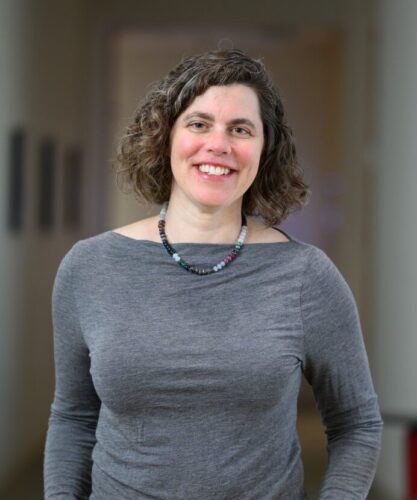
Mary Gehring, Ph.D.
David Baltimore Chair in Biomedical Research, Whitehead Institute
Professor of Biology and Biological Engineering, MIT
Keynote title: Mechanisms promoting epigenetic homeostasis in plants
Eric Miska, Ph.D.
Head, Department of Biochemistry
Herchel Smith Professor of Molecular Genetics
Affiliated Senior Group Leader, Gurdon Institute
University of Cambridge
Monday, May 11, 2026
Welcome Remarks
Keynote 1
Keynote Introduction
Keynote Lecture
MIT
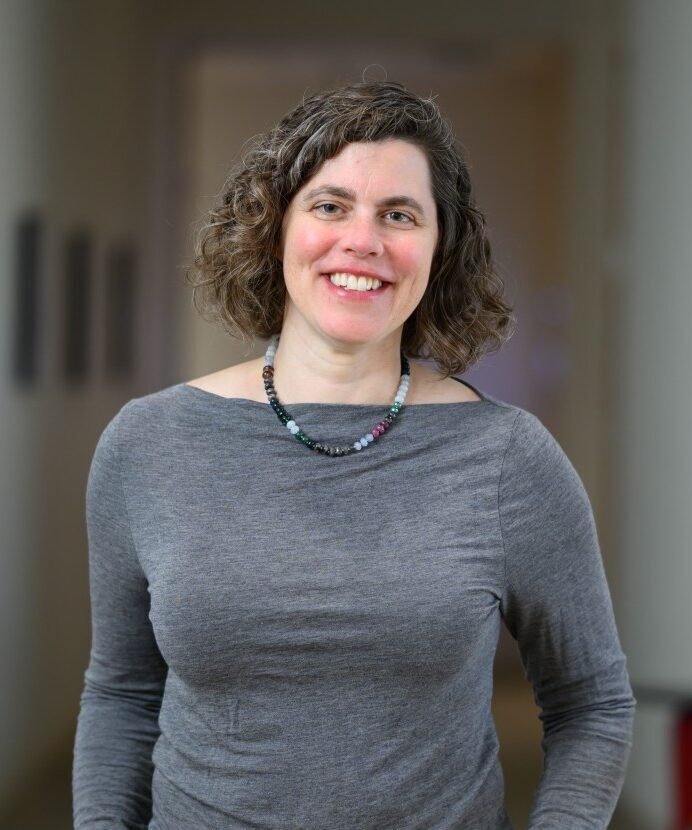
Mechanisms promoting epigenetic homeostasis in plants
Break
Session 1: Rewriting Beginnings
Petra Hajkova, Ph.D.
Medical Research Council Laboratory of Medical Sciences (LMS)
Justin Crocker, Ph.D.
European Molecular Biology Laboratory (EMBL)
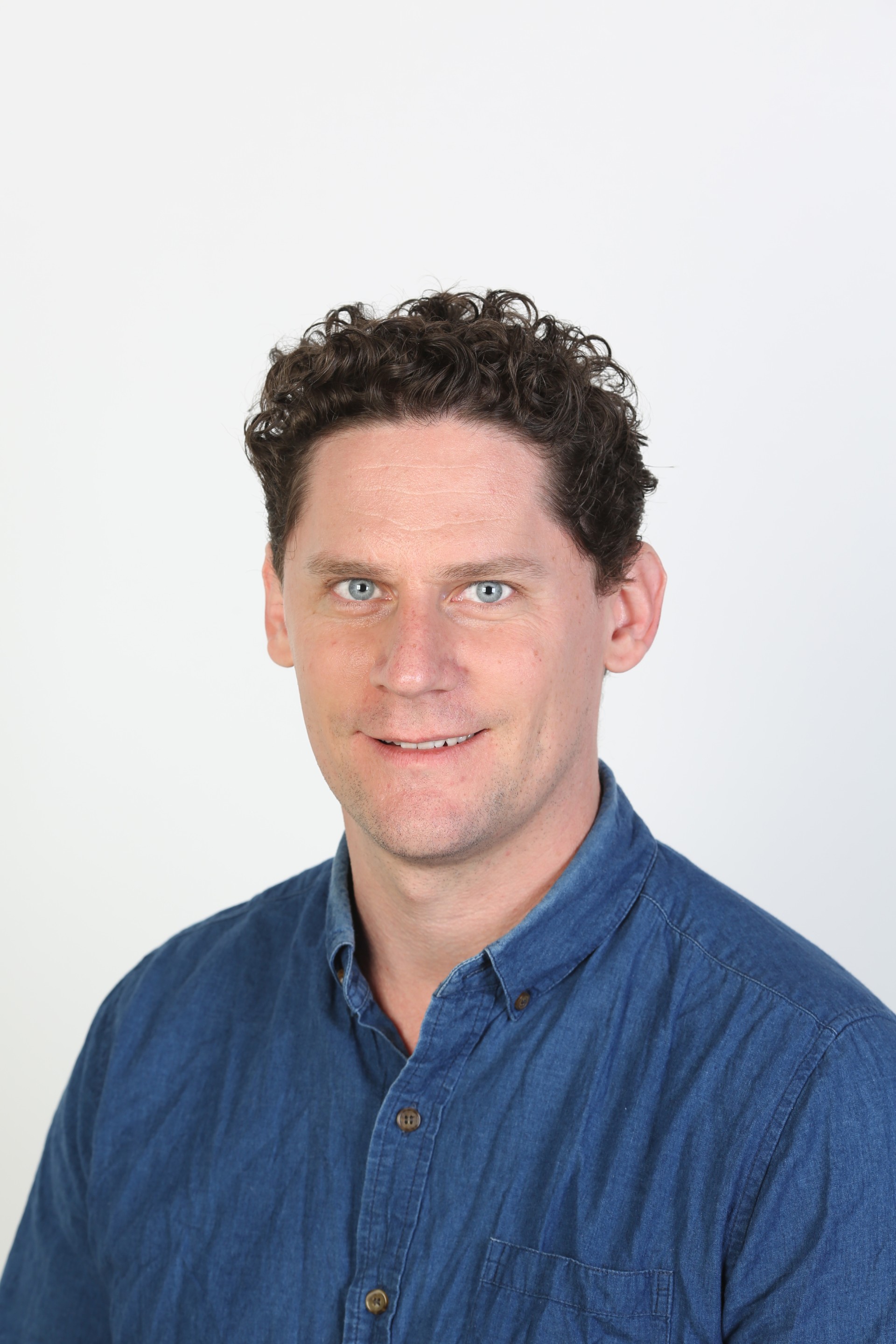
Alejandro Aguilera Castrejon, Ph.D.
Howard Hughes Medical Institute Janelia Research Campus
Reconstituting mouse embryogenesis ex utero
Poster Flash Talk Session
Lunch
Session 2: Inheritance Without DNA
Anne Ferguson-Smith, CBE, FRS, FMedSci
University of Cambridge
Adelheid Lempradl, Ph.D.
Van Andel Institute

Alexander K. Murashov, M.D., Ph.D.
Louisiana State University School of Veterinary Medicine
Abstract Selected Talk
Break
Session 3: Variability as a Feature
Joseph Nadeau, Ph.D.
MaineHealth
Ashley Colomonson, Ph.D.
UT Southwestern
Russell Rockne, Ph.D.
Beckman Research Institute, City of Hope
Probability, stochasticity, error, noise, chance, and uncertainty in development and disease: a mathematician’s perspective
Abstract Selected Talk
Networking Reception and Poster Session
Tuesday, May 12, 2026
Welcome Remarks
Session 4: Regulatory Systems Under Stress
Miguel Ramalho-Santos, Ph.D., M.Sc.
Lunenfeld-Tanenbaum Research Institute Mount Sinai Hospital; University of Toronto
Sarah Bowling, Ph.D.
Stanford Medicine
Germano Cecere, Ph.D.
Institut Pasteur
Break
Session 5: Plasticity Across Time
Hisato Kobayashi, Ph.D.
Dokkyo Medical University
Julia Peloggia De Castro, Ph.D.
UCLA
Nicola Iovino, Ph.D.
Max Planck Institute of Immunobiology and Epigenetics
Epigenetic inheritance
Poster Flash Talk Session
Lunch
Poster Session
Session 6: Programming the Adult
Mary Elizabeth Patti, M.D.
Joslin Diabetes Center
Jordana Bell, Ph.D.
King’s College London
Ye Tian, Ph.D.
Chinese Academy of Sciences
Break
Session 7: Epigenome Maintenance and Failure Modes
Hiroyuki Sasaki, M.D., Ph.D.
Kyushu University
X-chromosome inactivation and the orange gene in domestic cat
Ana Bošković, Ph.D.
European Molecular Biology Laboratory (EMBL)
Abstract Selected Talk
Day 2 Concludes
Wednesday, May 13, 2026
Welcome Remarks
Session 8: From Mechanism to Prediction
Oliver Rando, M.D., Ph.D.
University of Massachusetts Medical School
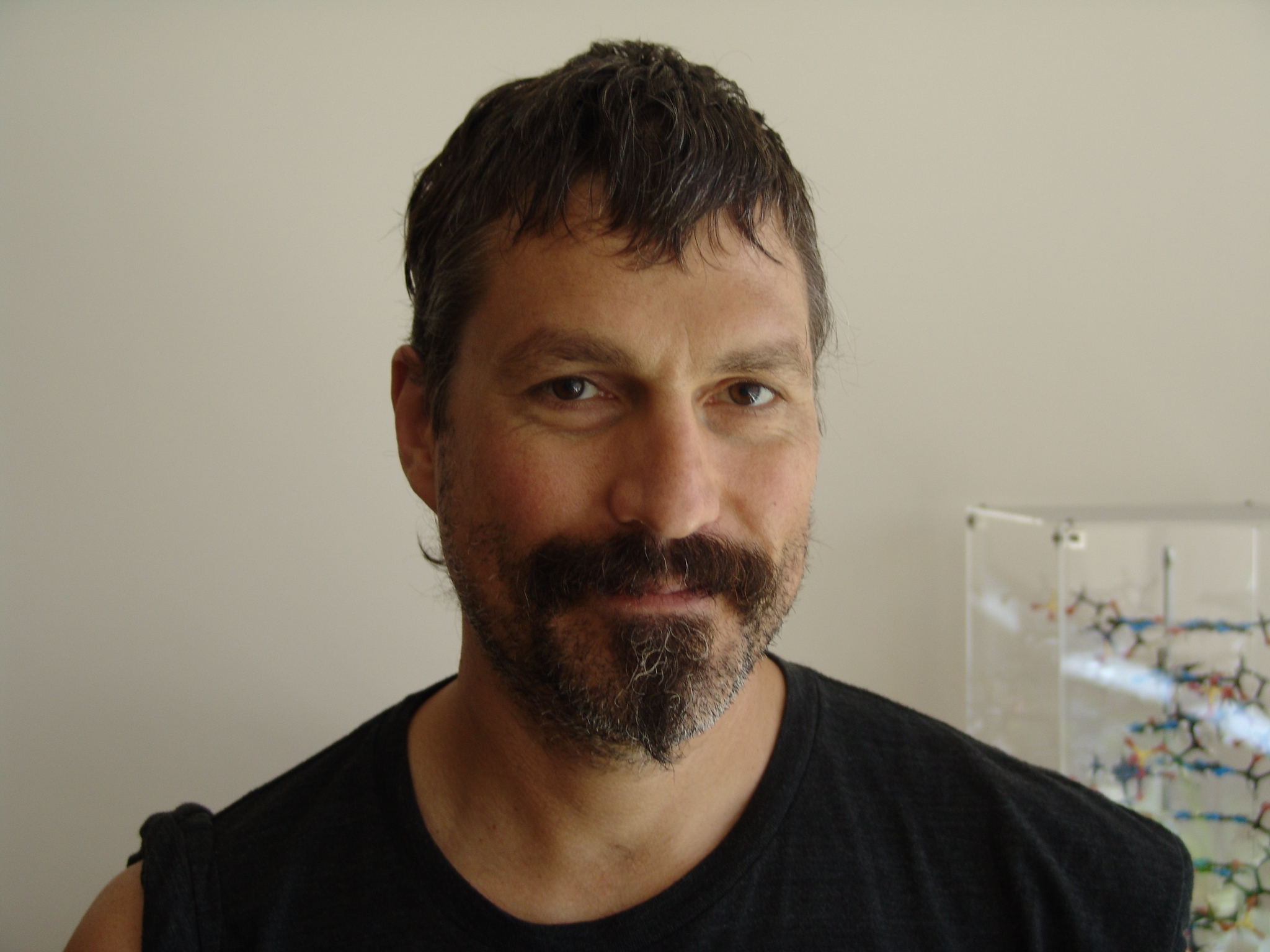
Soma to germline communication in regulation of the sperm epigenome
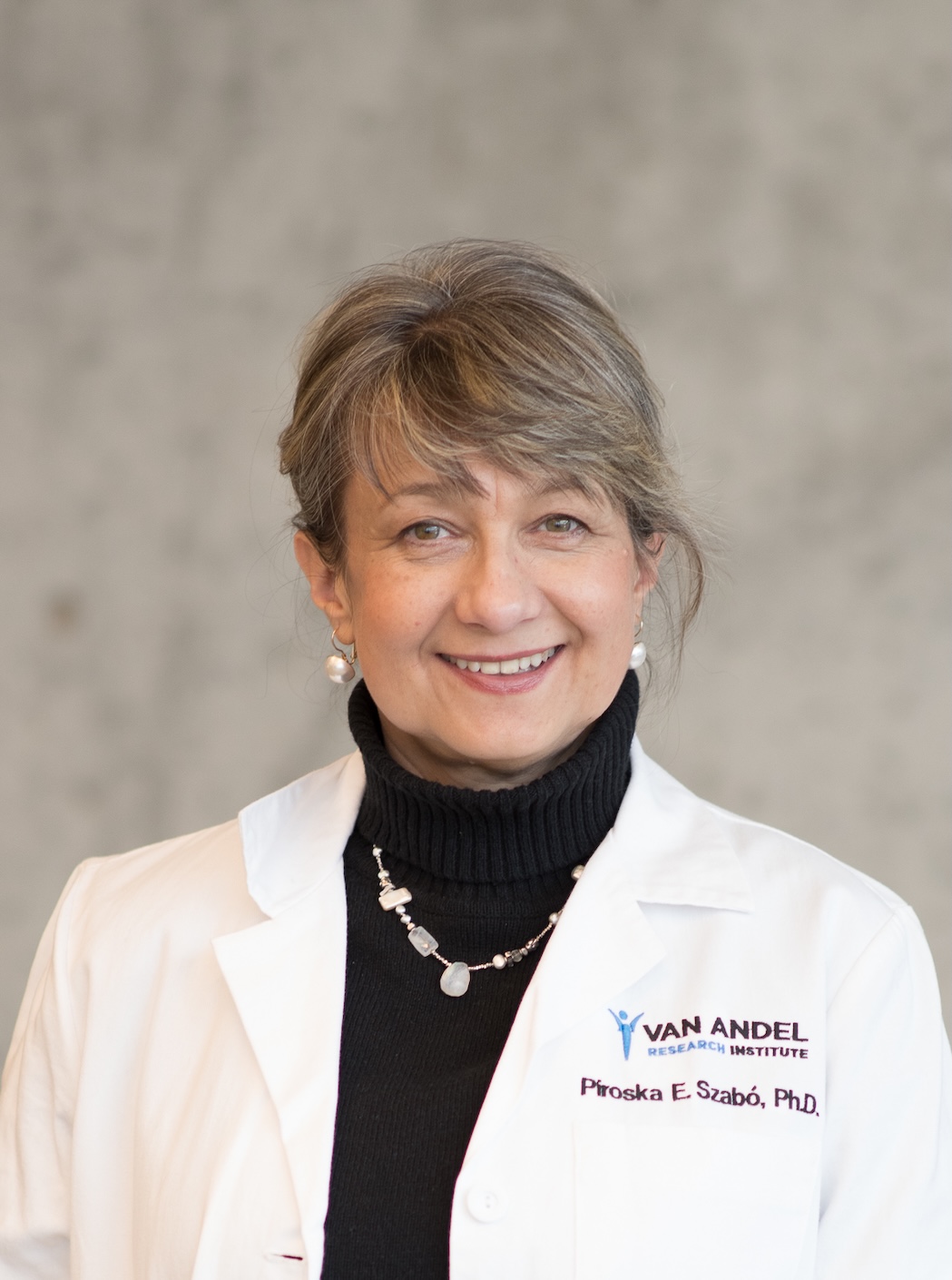
Piroska Szabó, Ph.D.
Van Andel Institute
Daniel F. Jarosz, Ph.D.
Stanford Medicine
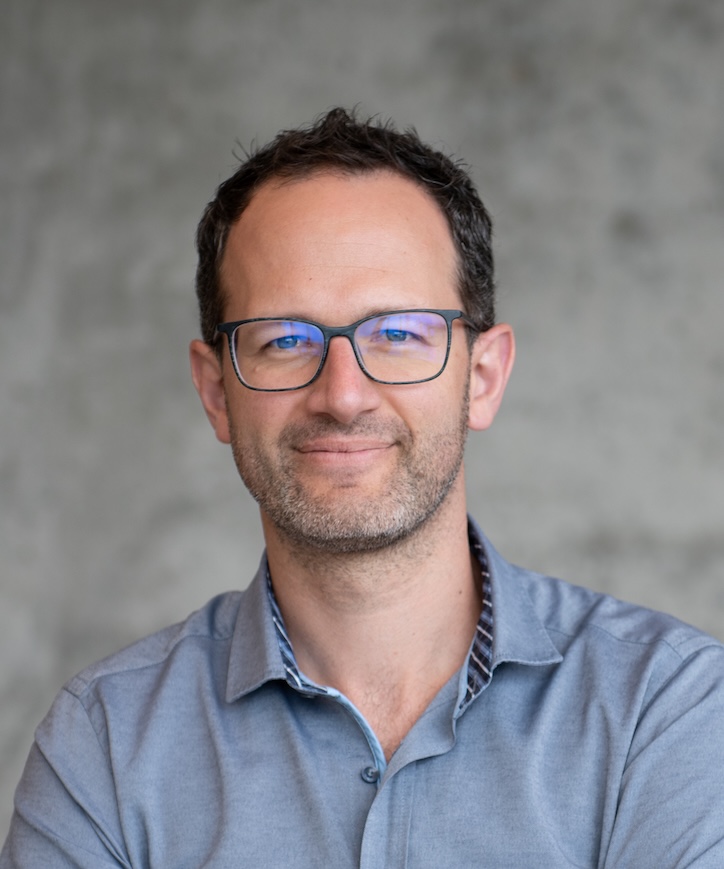
J. Andrew Pospisilik, Ph.D.
Van Andel Institute
Break
Session 9
Ralf Sommer, Ph.D.
Max Planck Institute for Biology Tübingen
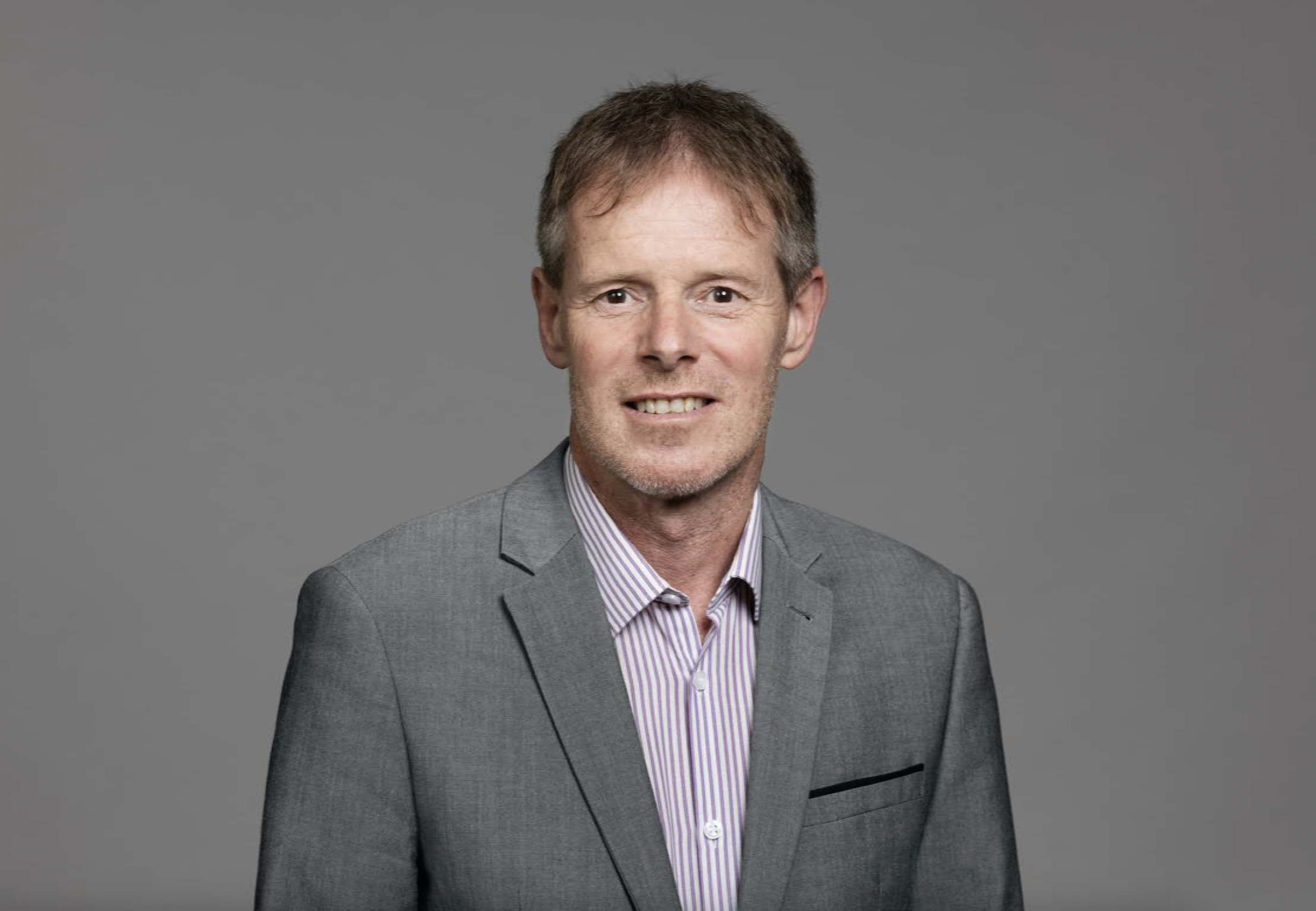
Breaking the Weismann barrier: genetic analysis of transgenerational memory
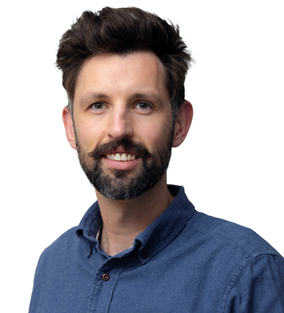
Jamie Hackett, Ph.D.
EMBL Rome
Gut feelings: How microbial signals shape paternal inheritance
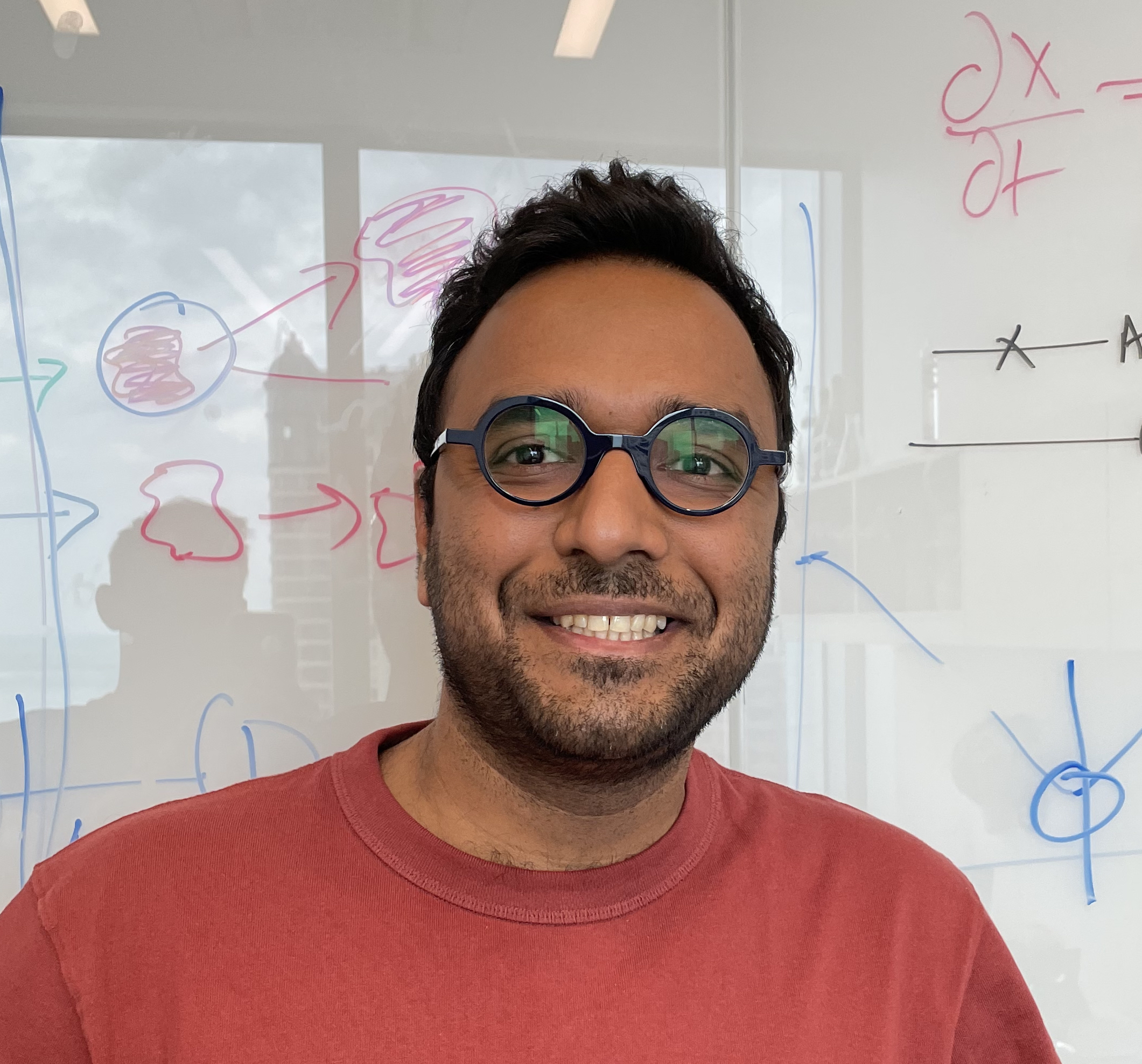
Yogesh Goyal, Ph.D.
Northwestern University; Chan Zuckerberg Biohub
Lunch
Eliana Torres-Zelada, Ph.D.
University of Wisconsin-Madison
Amy Webster, Ph.D.
Florida State University
Keynote 2
Keynote Introduction
Keynote Lecture
Eric Miska, Ph.D.
Closing Remarks
Principal Investigator, Howard Hughes Medical Institute Janelia Research Campus
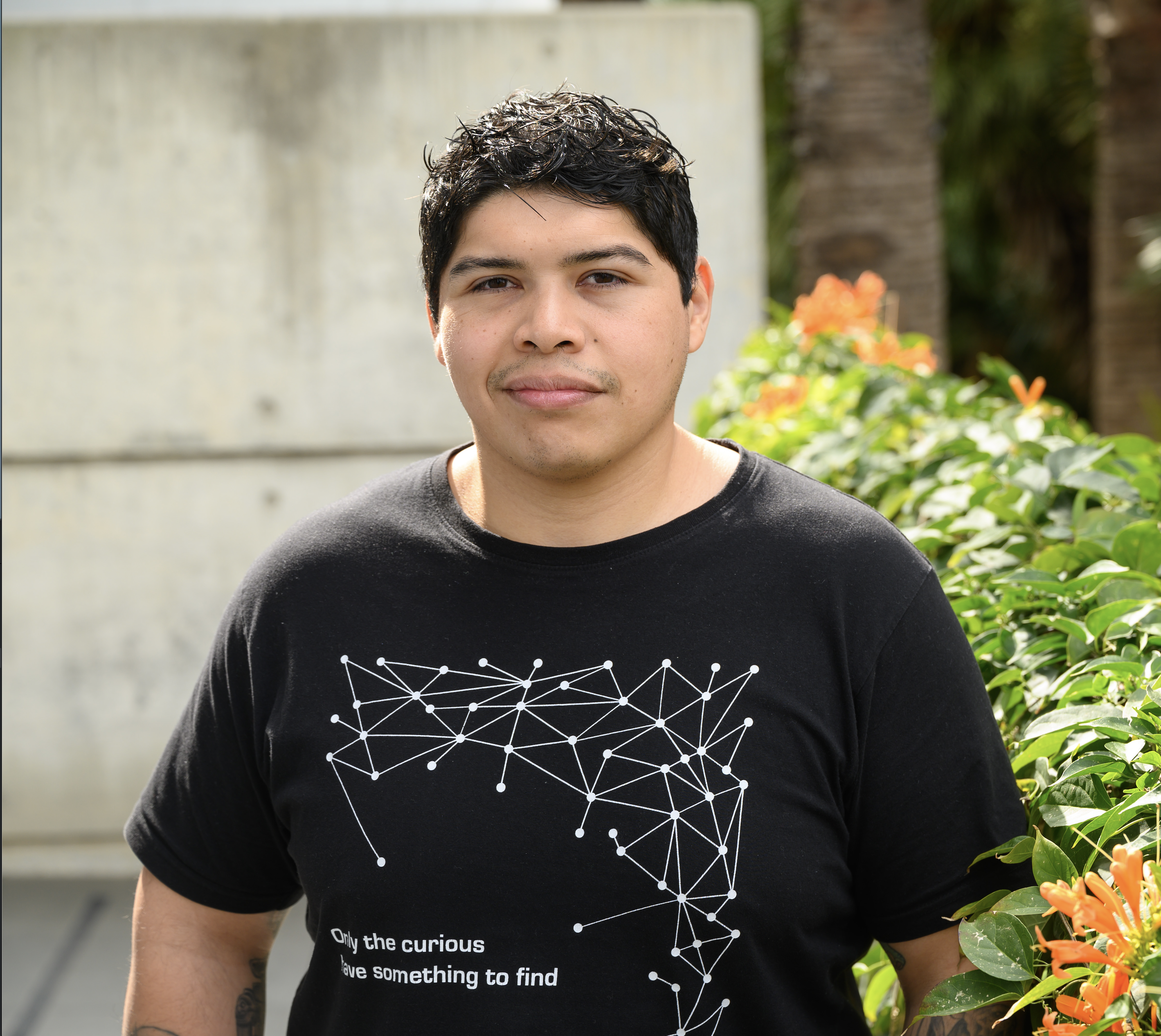
Alejandro Aguilera obtained a bachelor’s degree in biology (2015) at the National Autonomous University of Mexico, performing his thesis research focusing on transdifferentiation of human mesenchymal stem cells into neurons. After, he moved to Israel where he obtained his M.Sc. and Ph.D. degrees at the Weizmann Institute of Science, working in the laboratory of Prof. Jacob Hanna. Since March 2024, Alejandro has established his own lab at HHMI Janelia Research Campus, USA, where he has been focusing on engineering new systems for ex utero culture of natural and “synthetic” mouse embryos, harnessing these platforms for investigating the mechanisms regulating early mouse embryogenesis.
King’s College London
Group Leader, European Molecular Biology Laboratory (EMBL)
Ana Bošković studied Molecular Biology at the University of Zagreb, Croatia, and obtained her Ph.D. from the University of Strasbourg and the Institute of Genetics and Molecular and Cellular Biology (IGBMC) in France in 2014. She then conducted postdoctoral research at the University of Massachusetts Medical School, USA, as a Human Frontier Science Program Fellow. Since 2021, she has been a group leader at EMBL Rome, Italy.
The Boskovic Lab studies mechanisms governing transgenerational epigenetic inheritance and transcriptional activation of the genome of early embryos. Ana’s work discovered that sperm-borne tRNA fragments responsive to paternal diet can influence the activation of totipotency-associated genes through regulation of histone protein levels and chromatin organization. Since joining EMBL, the lab has been developing a multi-exposome paradigm setting for systematic molecular dissection of the impact of human-relevant environments of reproductive fitness and immediate offspring phenotypes. The lab continues to work on tRNA-fragments, particularly focusing on elucidating if and how early transcriptomic changes in the embryo ultimately contribute to adult metabolic phenotypes.
Ana is a recipient of EMBL HETT and NIH RO1 grants, and a member of the European Society of Human Reproduction and Embryology as well as Junior Investigators in Chromatin and Epigenetics.
Assistant Professor, Stanford University School of Medicine
Dr. Sarah Bowling is an Assistant Professor in the Department of Developmental Biology at Stanford University School of Medicine. Her laboratory focuses on understanding the mechanisms governing resilience in mammalian embryogenesis (i.e., determining how embryos withstand and recover from diverse genetic and environmental perturbations). Sarah carried out her Ph.D. at Imperial College London, where her work focused on understanding the mechanisms and roles of cell competition during early mammalian development. For her postdoctoral research at Boston Children’s Hospital and the Harvard Department of Stem Cell and Regenerative Biology, she co-developed new lineage tracing mouse models that enable the simultaneous tracing of millions of cells in vivo with unique, transcribed cellular barcodes. Her laboratory uses a combination of classical embryological approaches combined with next-generation tools to understand resilience during embryogenesis.
Group Leader, European Molecular Biology Laboratory (EMBL)
Justin Crocker is a group leader at EMBL Heidelberg whose research bridges synthetic biology, developmental genetics and genomics. He leads a multidisciplinary program investigating how gene regulatory networks and epigenetic states shape phenotypic diversity and evolvability. His lab develops high-throughput mutagenesis technologies, quantitative imaging, and genomic mapping tools to probe the architecture, specificity and adaptability of regulatory systems.
Crocker earned his Ph.D. from Dartmouth College and completed postdoctoral training at Princeton and Janelia/HHMI before joining EMBL. His broader program integrates theory, machine learning, and experimental evolution to connect molecular mechanisms to organismal function across scales — including recent work uncovering how chemical exposures reshape regulatory activity, animal behavior and physiology.
University of Cambridge
HHMI Investigator
David Baltimore Chair in Biomedical Research, Whitehead Institute
Professor of Biology and Biological Engineering, MIT
Dr. Gehring began her scientific career at Williams College, earned her doctorate from University of California Berkeley with Robert Fischer in 2005, and continued her studies as a postdoctoral researcher with Steven Henikoff at the Fred Hutchinson Cancer Research Center. Gehring established her lab at Whitehead Institute and the Department of Biology at MIT in 2010. Among other honors, she received the Rosalind Franklin Young Investigator Award from the Genetics Society of America and the Gruber Foundation in 2013. In 2023, Gehring was named the inaugural David Baltimore Chair in Biomedical Research. In 2024, she was selected as an Investigator of the Howard Hughes Medical Institute. Her research focuses on mechanisms of epigenetic inheritance and gene regulation in plants, primarily Arabidopsis, with a focus on the activity and modulation of these processes during reproduction and seed development.
Assistant Professor, Northwestern University
Investigator, Chan Zuckerberg Biohub
Yogesh Goyal is an Assistant Professor in the Department of Cell and Developmental Biology and the McCormick School of Engineering at Northwestern University. Yogesh is also an investigator at the Chan Zuckerberg Biohub. Yogesh has a multidisciplinary background with his undergraduate in engineering at IIT Gandhinagar, graduate research in quantitative developmental biology at Princeton University, and postdoctoral training in single-cell biology at the University of Pennsylvania. The Goyal Lab is a curiosity-driven laboratory working on a range of biological problems, developing novel experimental, computational, and theoretical frameworks to monitor, perturb, model, and ultimately control single-cell variabilities and emergent fate choices in development and disease. Yogesh’s work has been recognized by Pew-Stewart Scholars Award, Burroughs Wellcome Fund Career Award, Jane Coffin Childs Fellowship, Cancer Research Foundation Young Investigator Award, STAT Wunderkinds, Forbeck Scholar, and Schmidt Science Fellowship.
Group Leader and Deputy Head of Unit, European Molecular Biology Laboratory (EMBL) Rome
Jamie Hackett is a Group Leader and Deputy Head at the European Molecular Biology Laboratory (EMBL) site in Rome (Italy), and co-founder/CSO of Epitome Therapeutics. He obtained his Ph.D. at the University of Edinburgh, and completed postdoctoral training at the University of Cambridge, UK, under Prof. Azim Surani. The Hackett Lab investigates the fundamental principles of epigenetic regulation, from molecular mechanisms to organismal responses. They integrate environmental perturbations and (epi)genome editing technologies to dissect the mechanisms by which normal or aberrant chromatin states functionally participate in genome control and disease programming. They further use multi-omics readouts and synthetic (epi)genetics to build models of how specific molecular changes lead to phenotypic responses over time and generations.
Medical Research Council Laboratory of Medical Sciences (LMS)
Professor and Director, Department of Developmental Epigenetics, Max Planck Institute of Immunobiology and Epigenetics
Nicola studied biology in Naples, Italy, where he got an M.Sc. in Biology in 2002 under the supervision of Prof. Roberto Di Lauro. He then worked three years in industry in the Merck research laboratories in the laboratory of Riccardo Cortese in Pomezia, Rome, before going back to basic research.
He performed his Ph.D. under the guidance of Ulrike Gaul at Rockefeller University in NYC, where he graduated in 2008, working on microRNAs and their role in the germline in Drosophila.
He went on as an EMBO and HFSP fellow postdoc in the lab of Giacomo Cavalli at the IGH in Montpellier, France, in September 2009, studying Polycomb epigenetic regulation in the germline.
In July 2014, he started his laboratory as a junior group leader at the Max Planck Institute of Immunobiology and Epigenetics in Freiburg in the “Chromatin Regulation” department.
His laboratory demonstrated that parents transmit not just genetic but also epigenetic information to progeny in the form of histone post-translational modifications. This discovery revealed an entirely unanticipated role for germline-inherited histone modification in mediating gene regulation in the next generation early embryo. Environmentally induced chromatin changes in parents can be transmitted through the germline, and his work suggests that histone modifications could carry this epigenetic information.
Since January 2018, he has been an EMBO young investigator. In 2019, he was awarded an ERC consolidator grant. In 2024, Nicola became Director at the Max Planck Institute in Freiburg leading the department of Developmental Epigenetics.
Stanford Medicine
Associate Professor, Department of Metabolism and Nutritional Programming, Van Andel Institute
Dr. Adelheid (Heidi) Lempradl studies how metabolism shapes early development and how parental nutrition can influence the lifelong health of their children. Her discoveries aim to guide new approaches for preventing disease and improving health across generations.
University of Cambridge
University of Washington
Joslin Diabetes Center
Professor and Chair, Department of Epigenetics, Van Andel Institute
Dr. J. Andrew Pospisilik seeks to understand how we become whom we become, and how our disease susceptibility is defined from early on in life, even before conception, with the long-term goal of being able to predict individual lifelong health outlooks at birth.
Anne and Max Tanenbaum Chair in Molecular Medicine
Senior Investigator, Lunenfeld-Tanenbaum Research Institute
Mount Sinai Hospital
Professor, Department of Molecular Genetics
University of Toronto
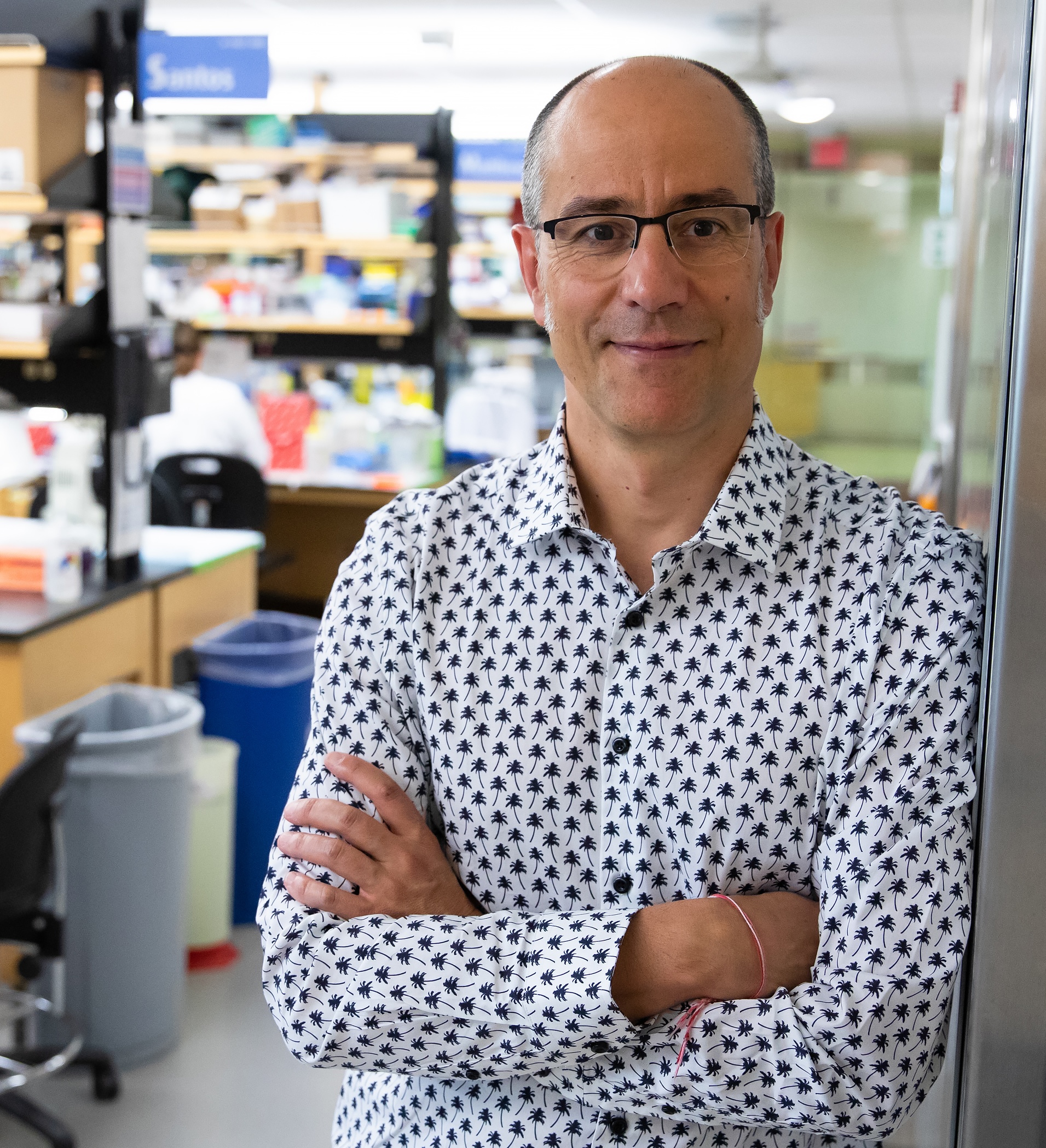
Dr. Ramalho-Santos was born in New Haven, CT, in 1972 and went back to Portugal with his family when he was four months old. He grew up in Coimbra, Portugal. He received a B.S. in Biology and a Master’s in Cell Biology at the University of Coimbra, where he worked on the biochemistry of plant proteases under the supervision of Carlos Faro. He moved to the U.S. in 1997 for a Ph.D. in the Department of Molecular and Cellular Biology of Harvard University, where he was co-advised by Doug Melton and Andy McMahon. In his doctoral studies, he did pioneering work in stem cell transcriptomics and cell signaling in mouse development. In 2003, he moved to San Francisco to become a UCSF Faculty Fellow, an independent research position designed as an alternative to a traditional postdoc. In 2007, he became an Assistant Professor in the Departments of Ob/Gyn and Pathology at UCSF, and was promoted to Associate Professor in 2013. He is the recipient of a 2008 NIH New Innovator Award and a 2016 Royan International Research Award in Reproductive Genetics. In 2018, he moved to Canada to become the Canada 150 Research Chair in Developmental Epigenetics, Senior Investigator at the Lunenfeld-Tanenbaum Research Institute and Full Professor in the Department of Molecular Genetics, University of Toronto. In 2025, he became the Anne and Max Tanenbaum Chair in Molecular Medicine at Mount Sinai Hospital.
His lab has made important contributions to our understanding of the regulation of early embryonic development, gene expression in stem cells, hypertranscription, cellular dormancy, developmental role of transposons and environment-epigenome interactions during development. More information about his research can be found here: https://www.mrsantoslab.org
Endowed Professor of Biochemistry and Molecular Biotechnology, University of Massachusetts Medical School
Ollie Rando has a broad background in genomics, chromatin, and epigenetics, having trained with Tom Maniatis at Harvard as an undergraduate and with Jerry Crabtree during his M.D./Ph.D. at Stanford, before becoming an independent Genome Fellow at the Bauer Center for Genomic Research in 2002. Since 2007, he is Professor of Biochemistry at UMass Medical School.
His research program includes two broad areas. In the first, his lab develops genomic assays for nucleosome positioning, histone modification, histone dynamics, and chromosome folding. They combine these assays with mutant analyses to uncover the role of chromatin structure in regulation of the genome, and to investigate the mechanistic basis for copying of chromatin states. In the second area of interest, the Rando Lab studies intergenerational transfer of environmental information from one generation to the next, focusing on paternal effects of diet and other perturbations in mammals. Their efforts in this system have lead them to intensively investigate the sperm epigenome, to develop expertise in reproductive tract biology and preimplantation development, and to explore tRNA modifications and functional roles for tRNA fragments in various biological systems.
Associate Professor, Director and Vice Chair
Department of Computational and Quantitative Medicine
Beckman Research Institute, City of Hope
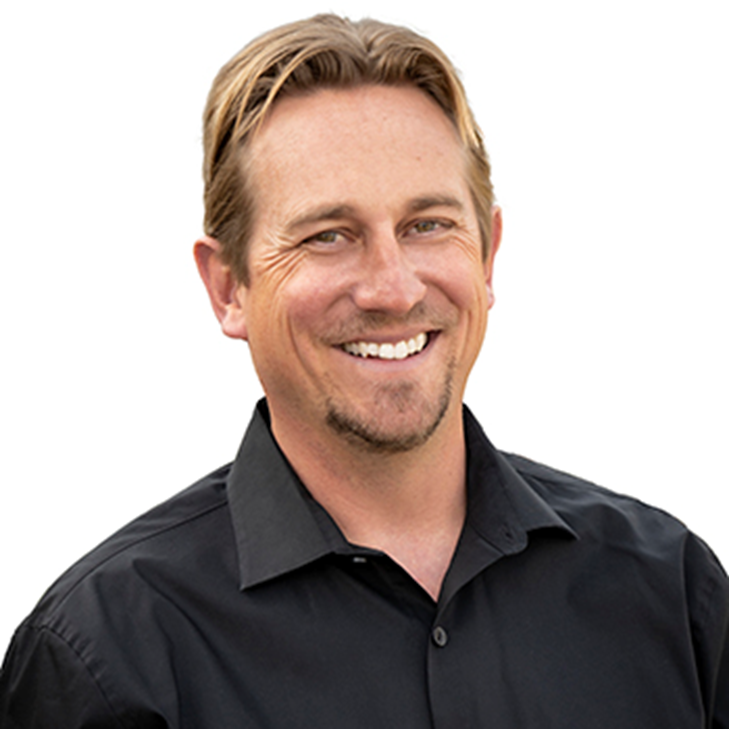
Dr. Russell Rockne began his education with a dual bachelor’s degree in Mathematics and Fine Art at the University of Colorado at Boulder, followed by a Ph.D. in Applied Mathematics from the University of Washington in 2013, and then a postdoctoral fellowship in Mathematical Oncology at Northwestern University. He joined City of Hope in 2015 as an Assistant Professor and is the founding Director of the Division of Mathematical Oncology and Computational Systems Biology within the Department of Computational and Quantitative Medicine.
Dr. Rockne’s interdisciplinary career spans many roles, including research in neurological surgery, pathology, and applied mathematics. In 2014, he was honored with the “Future of Mathematical Biology” award by the Society for Mathematical Biology. His research focuses on leveraging mathematical modeling to advance basic, translational, and clinical science, with applications across multiple diseases and therapeutic modalities, including immunotherapy, targeted therapies, and precision oncology.
University Professor/Emeritus Professor, Kyushu University
Hiroyuki Sasaki is a University Professor and Emeritus Professor at Kyushu University, and a Visiting Senior Research Fellow at RIKEN, Japan. He is a geneticist and epigeneticist internationally recognized for his contributions to elucidating the epigenetic regulation of mouse gametogenesis, genomic imprinting, and embryogenesis. He also studies human disorders caused by defects in epigenetic regulation. Sasaki graduated from Kyushu University Medical School in 1982 and received his Ph.D. in Medical Science in 1987. He served as an Overseas Research Fellow at the AFRC Institute and the Wellcome/CRC Institute in Cambridge, UK, from 1990 to 1993. He was appointed Professor at the National Institute of Genetics in 1998 and later Professor at the Medical Institute of Bioregulation, Kyushu University, in 2010. He has held several leadership positions, including Dean of the Medical Institute of Bioregulation, Vice President of Kyushu University, and Dean of the Institute for Advanced Study, Kyushu University. He received the prestigious Purple Ribbon Medal in 2015. In 2025, he identified the X-linked genetic variation responsible for the orange coat color in cats.
Director, Max Planck Institute for Biology Tübingen
Ralf J. Sommer works in the field of evolutionary developmental biology and developmental genetics. He established the nematode Pristionchus pacificus as model system for integrative studies in evolutionary biology. His lab has published more than 250 publications on this nematode, covering areas from genetics and development to genomics, bioinformatics, ecology and taxonomy. Currently, his research focuses on the origin and evolution of novelty and the significance of developmental plasticity and transgenerational inheritance for evolution. Sommer is director at the Max Planck Institute for Biology Tübingen, Germany, since 1999. He is adjunct professor at the University of Tübingen and previously worked as research fellow at CALTECH (1993-1995) after earning his Ph.D. at the LMU Munich. Sommer is a member of EMBO.
Associate Professor, Department of Epigenetics, Van Andel Institute
Dr. Piroska Szabó studies the flow of epigenetic information from parents to their offspring, with a focus on how epigenetic markers and DNA structure are remodeled during egg and sperm production, and how these markers are rewritten after fertilization. These processes have profound implications for fertility and embryo development.
Principal Investigator, Institute of Genetics and Developmental Biology, Chinese Academy of Sciences
Dr. Ye Tian earned her B.S. degree in Biotechnology from Beijing Normal University in 2005, followed by a Ph.D. degree in Biochemistry and Molecular Biology from a joint program of Beijing Normal University and the National Institute of Biological Sciences, Beijing in 2010. Her academic journey continued with postdoctoral training at the Salk Institute and the University of California, Berkeley from 2010 to 2016. In 2016, she assumed the role of Principal Investigator at the Institute of Genetics and Developmental Biology, Chinese Academy of Sciences, Beijing.
Her research focuses on the regulatory mechanisms of mitochondrial stress and aging, resulting in several achievements. These include the discovery that neuronal mitochondria can transmit “stress memory” across generations by increasing mitochondrial DNA copy numbers in germ cells, enhancing offspring stress resistance and lifespan. Additionally, her work identified various cross-tissue mitochondrial signal exchanges influencing overall metabolism and aging. Furthermore, she uncovered the role of mitochondrial metabolites in regulating aging through epigenetic factors, providing a theoretical foundation for targeting metabolites to mitigate aging.
Dr. Ye Tian has published her research findings in prestigious international journals such as Cell (2010, 2016, 2018), Nature Cell Biology (2021), Developmental Cell (2022), Science Advances (2020), Cell Reports (2020, 2022), Nature Communications (2024), Aging Cell (2025), Journal of Cell Biology (2025), and SCIENCE CHINA Life Sciences (2025). Her contributions to the field have earned her accolades, including the 2021 Vcanbio Award for Bioscience and Medicine-Innovation Breakthrough, the 2022 Chinese Academy of Sciences Young Scientist Award, the 2022 Excellent Tutor Award of Yihai Kerry, the 2023 Gu Xiaocheng Lecture Award, and the 2024 Tecent Science Xplore Award. She is also a recipient of funding from the National Outstanding Youth Fund.
Poster abstracts may be submitted during registration. For questions or to be added to our email list, please contact Courtney Zirkle at [email protected].
Eligibility
Students, postdoctoral fellows, faculty and research staff are welcome to submit an abstract. If the number of submitted poster abstracts exceeds the space, the organizers will select the abstracts that are most relevant to the conference theme.
Abstract format
Submitted abstracts should represent original research. The title should be brief and descriptive, and the body should include rationale, methods and results. Please prepare abstracts using the below template.
Abstract submission
Poster abstracts should be submitted during the registration process.
Questions?
Questions regarding abstract submission, posters or the poster session can be directed to Courtney Zirkle at [email protected].
TITLE OF ABSTRACT IN ALL CAPS (STYLE = TITLE)
Presenting Author1,2, Other Author1, and Last Author1,3(Style = Authors)
1First Dept., Institution, City, State, Country, 2Second Dept., Institution, City, State, Country, and 3Last Dept., Institution, City, State, Country (Style = Affiliations)
Body of abstract using 300 words or less. Define each abbreviation at first use. All fonts should be Arial, 11 pt. and text should be single spaced. Once you have filled in this template, choose File>Save As and save your file as a Word document (.doc or .docx) with the filename lastname_abstract. (Style = Body)
EXAMPLE
STRUCTURAL INSIGHTS INTO PHENOTYPIC PLASTICITY
Andrew Pospisilik1 and Huilin Li2
1Department of Epigenetics, Van Andel Institute, Grand Rapids, MI, United States, 2Department of Structural Biology, Van Andel Institute, Grand Rapids, MI, United States
Lorem ipsum dolor sit amet, consectetur adipiscing elit, sed do eiusmod tempor incididunt ut labore et dolore magna aliqua. Ut enim ad minim veniam, quis nostrud exercitation ullamco laboris nisi ut aliquip ex ea commodo consequat. Duis aute irure dolor in reprehenderit in voluptate velit esse cillum dolore eu fugiat nulla pariatur. Excepteur sint occaecat cupidatat non proident, sunt in culpa qui officia deserunt mollit anim id est laborum….
Assistant Professor, Department of Metabolism and Nutritional Programming, Van Andel Institute
Dr. Nick Burton explores how our environment, especially microbes, can impact our health and the health of our offspring — even before they are born. His research has extensive implications for understanding how epigenetics contributes to human disease and how the environment we are exposed to today affects not only our own health, but also our children’s.
Assistant Professor, Department of Epigenetics, Van Andel Institute
Dr. Derek Janssens explores the factors that give rise to blood cancers with the goal of informing improved diagnosis and treatment strategies. His research has contributed to powerful new methods that enable scientists to better study the complex factors that drive cancer development.
Assistant Professor, Department of Metabolism and Nutritional Programming, Van Andel Institute
Dr. Adelheid (Heidi) Lempradl investigates how the dietary choices of parents may impact the health of their offspring in the hopes of translating her findings into new ways to prevent disease and create a healthier future.
Chair and Professor, Department of Epigenetics, Van Andel Institute
Dr. J. Andrew Pospisilik seeks to understand how we become whom we become, and how our disease susceptibility is defined from early on in life, even before conception, with the long-term goal of being able to predict lifelong health outlook at birth.
Associate Professor, Department of Metabolism and Nutritional Programming, Van Andel Institute
Dr. Piroska Szabó studies the flow of epigenetic information from parents to their offspring, with a focus on how epigenetic markers are remodeled during egg and sperm production, and how these markers are rewritten after fertilization. These processes have profound implications on fertility and embryo development.
When is the VAI Epigenetics Symposium? How much does it cost?
The VAI Epigenetics Symposium will take place May 11–13, 2026. The registration fees for the symposium are:
-
$50 for trainees (graduate students and postdoctoral fellows)
-
$150 for non-trainees
What does the registration fee include?
The registration fee includes lunch, as well as an evening networking reception.
Important dates
- Friday, March 27, 2026: Deadline to submit abstract selected talks for the symposium.
- Friday, April 10, 2026: Abstract selected talk speakers notified.
- Monday, April 27, 2026: Deadline to submit a poster abstract.
- Monday, April 27, 2026: Registration closes for the VAI Epigenetics Symposium.
- Monday, May 11, 2026: VAI Epigenetics Symposium begins.
Can I register a group for the VAI Epigenetics Symposium?
Yes! The registration form allows one person to register and pay for a group. Once registration is complete for one person, please click “add person” in the bottom right corner of the form. Input the second person’s information and continue in this manner until all parties in the group are registered. The system will then charge a total cost for the group.
Will late registrations for the VAI Epigenetics Symposium be accepted?
Unfortunately, late registrations will not be accepted. All attendees must register online by 11:59 p.m. ET on Monday, April 27, 2026.
What if I need accessible parking?
Please contact Courtney Zirkle at [email protected] to discuss any accessibility needs.
What if I have dietary needs?
Please include any dietary allergies or restrictions on your registration or application form. Every effort will be made to accommodate requests.
How do I become a sponsor?
Please contact Courtney Zirkle at [email protected] for more information on sponsorship opportunities.
What is the refund policy for the symposium?
Refund requests must be made in writing on or before Monday, April 27, 2026, and sent to Courtney Zirkle at [email protected].
Refunds will not be accepted after April 27, 2026. However, you may substitute a registrant in your place through Wednesday, May 6, 2026.
How do I get to VAI?
Van Andel Institute is located in downtown Grand Rapids, Michigan, and is approximately 20 minutes from the Gerald R. Ford International Airport. VAI is conveniently located within walking distance of multiple local hotels. Rideshare and taxi services are available in Grand Rapids.
Looking for accommodations? Here are some close suggestions:
Amway Grand Plaza, Curio Collection by Hilton – 187 Monroe Ave NW, Grand Rapids, MI 49503
Distance to VAI: 0.6 miles
JW Marriott Grand Rapids — 235 Louis St. NW, Grand Rapids, MI 49503
Distance to VAI: 0.7 miles
AC Hotel — 50 Monroe Ave. NW, Grand Rapids, MI 49503
Distance to VAI: 0.6 miles
Code of Conduct Guidelines
We are dedicated to providing a harassment-free, non-discriminatory symposium experience for all participants, regardless of race, color, national origin, religion, sex, age, disability, pregnancy, height, weight, marital status, veteran status, sexual orientation, gender identity, or other personal characteristics covered by applicable law. We will not tolerate harassment of conference participants in any form. We expect participants at our events to engage in constructive and professional discussions at all times. Harassment can include unwelcomed attention, inappropriate comments or jokes that refer to sexual topics, requests for dates, or other sexual activities as well as the use of language that may demean or degrade individuals. These behaviors are not appropriate for any of our conference venues, including talks, workshops, networking sessions, poster sessions, social networking platforms, and other online media platforms. Any participant violating these guidelines will be removed from the symposium at the discretion of the conference organizers.
Anyone who has experienced the above, or who has witnessed such behavior, should notify Courtney Zirkle. Anonymous reporting may also be done through the EthicsPoint Hotline.
Event Details
Contact Info:
Email: Courtney Zirkle

Thanks to our wonderful sponsors!
Scientific Sponsors