2026 VAI Structural Biology Symposium
The 2026 VAI Structural Biology Symposium will bring together leaders and innovators from across the field to explore the latest research, showcase emerging technologies and foster scientific exchange.
The 2026 program will highlight advances in cryo-electron tomography (cryo-ET), including sample preparation strategies, methodological advances, and new tools, software and computational approaches that are transforming in situ structural biology. In parallel, the symposium will feature leading work in single-particle cryo-electron microscopy (cryo-EM) and related approaches that continue to drive high-resolution insights into macromolecular structure and function. The symposium also will celebrate the installation of VAI’s Arctis PFIB/SEM, a cutting-edge platform that enables advanced cryo-ET and represents a major new capability for structural biology research at VAI.
Opening remarks
Keynote Lecture
University of California, Los Angeles
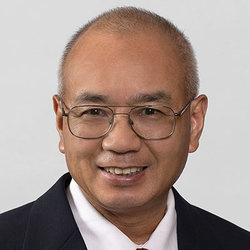
Molecular sociology of an archaeal cell
Break
Session 1
Chair: Yang Yang, Ph.D., Van Andel Institute
René Frank, Ph.D.
University of Leeds
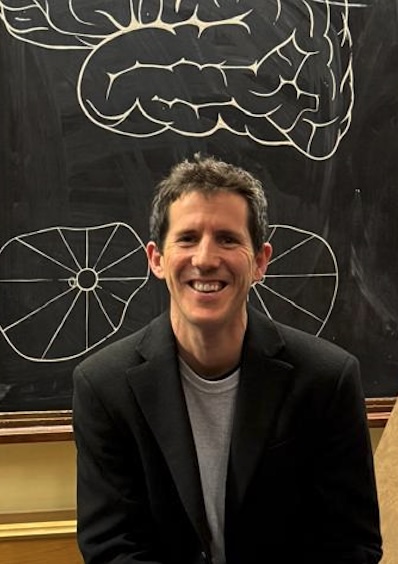
Protein structure within human brain by fluorescence-guided, in-tissue cryo-electron tomography
Elizabeth R. Wright, Ph.D.
University of Wisconsin-Madison
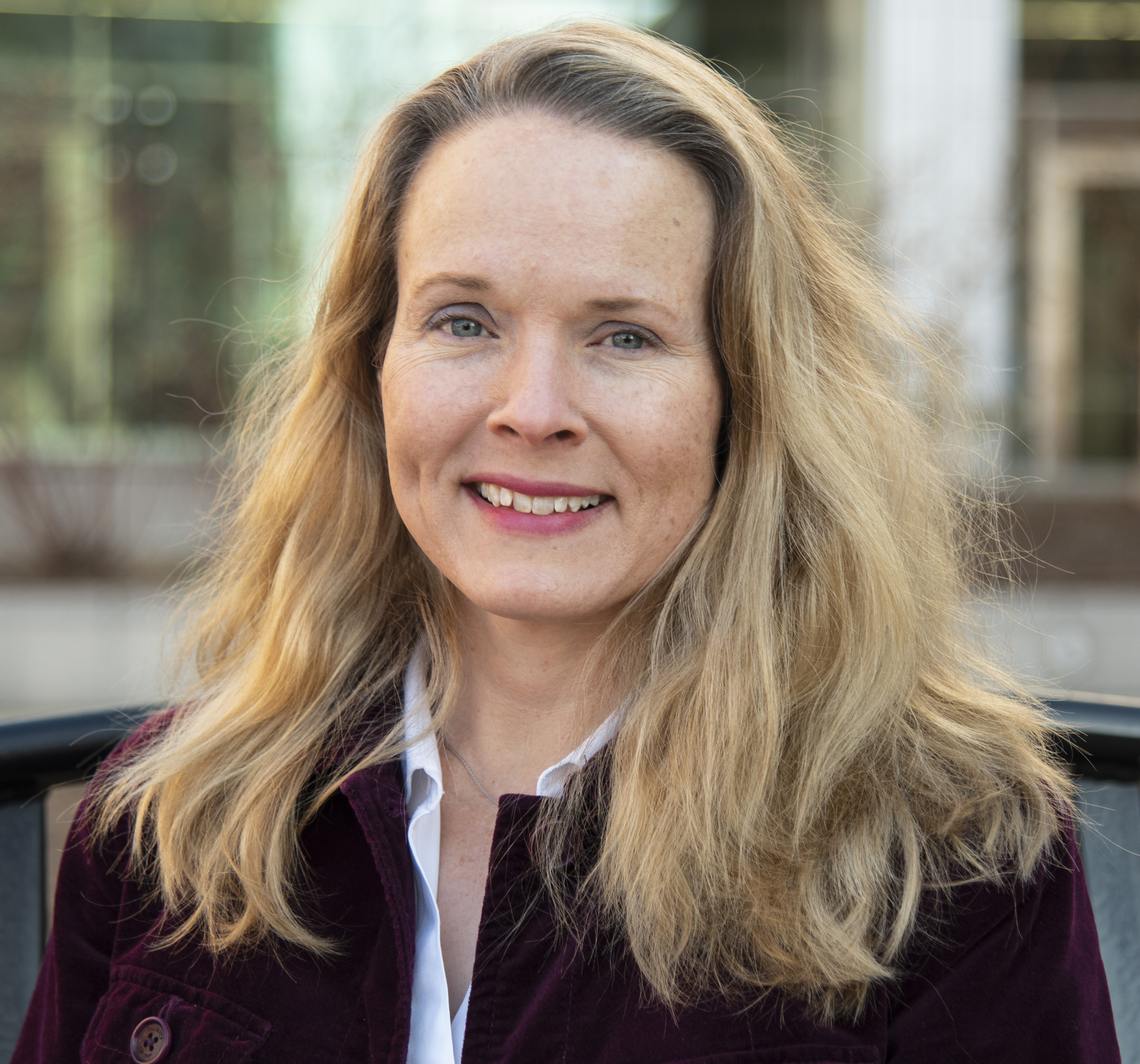
Applying correlative cryo-EM technologies to in situ structural biology
Michael Cianfrocco, Ph.D.
University of Michigan
Molecular mechanism of microtubule stabilization by Taxol
Alex J. Noble, Ph.D.
CryoArcana
How to get the most out of your Cryo-FIB/SEM
Lunch
Session 2
Chair: Travis Walton, Ph.D., Van Andel Institute
Wen Jiang, Ph.D.
Penn State University
New methods for helical indexing and de novo reconstruction: applications to amyloid fibrils
Tim Grant, Ph.D.
Morgridge Institute/University of Wisconsin-Madison
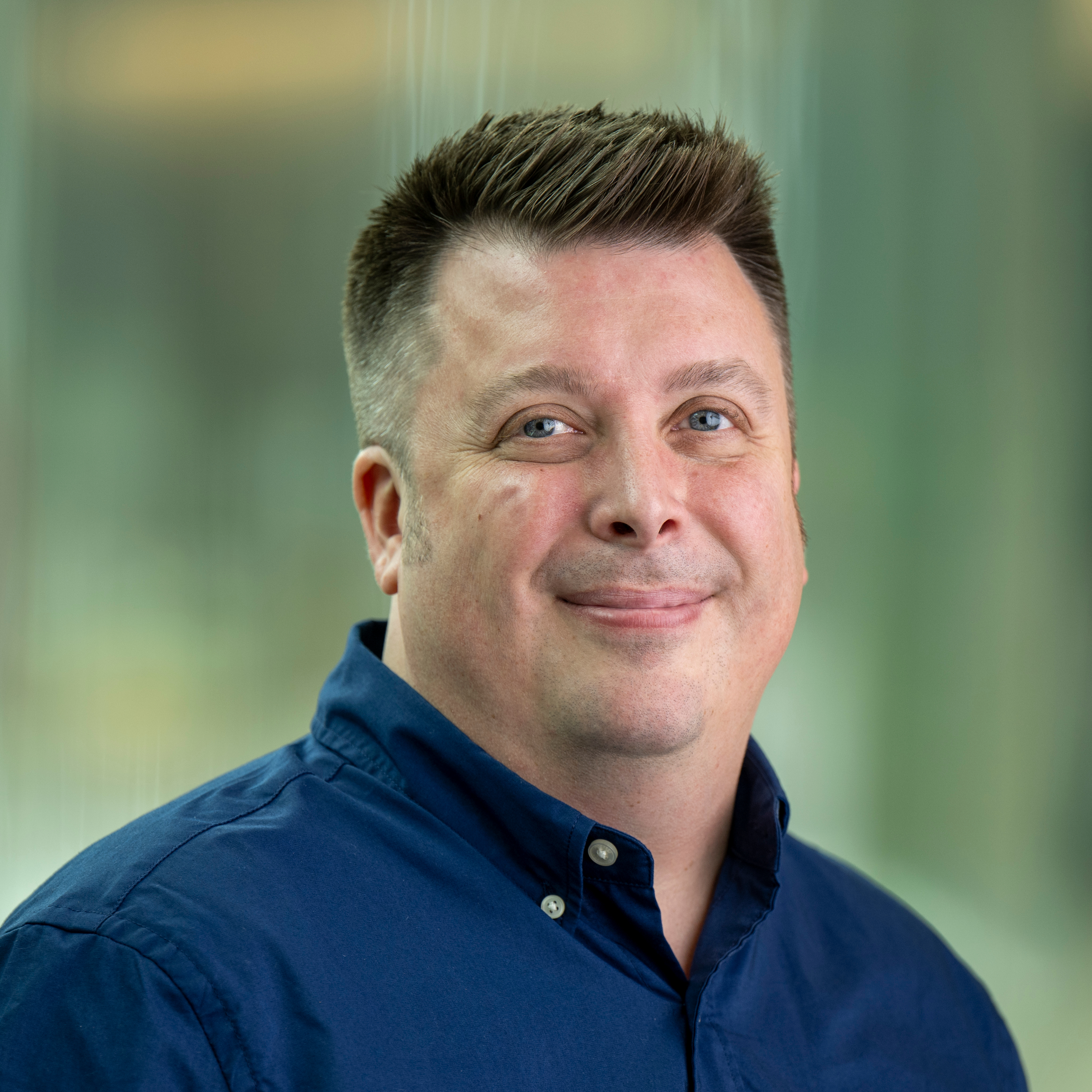
New methodologies for preparing and imaging cryo-EM samples
Ryan Feathers, Ph.D.
Princeton University
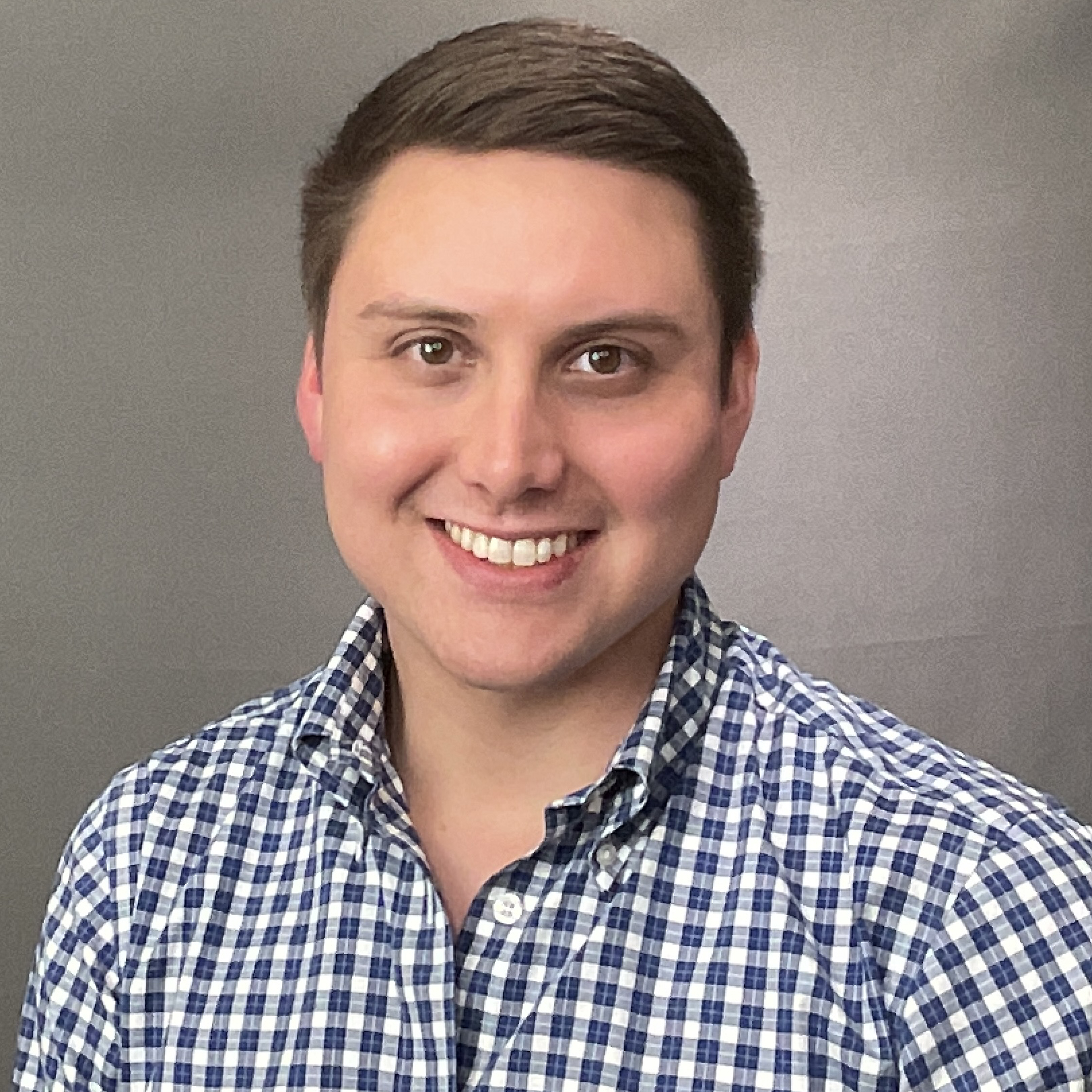
Thermo Fisher Scientific
Break
Session 3
Chair: Gongpu Zhao, Ph.D., Van Andel Institute
Ed Yu, Ph.D.
Case Western Reserve University
Shyamal Mosalaganti, Ph.D.
University of Michigan
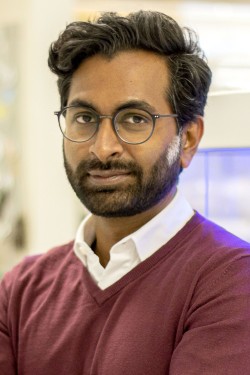
Lysosomes and neurodegeneration
Bin Liu, Ph.D.
The Hormel Institute, University of Minnesota
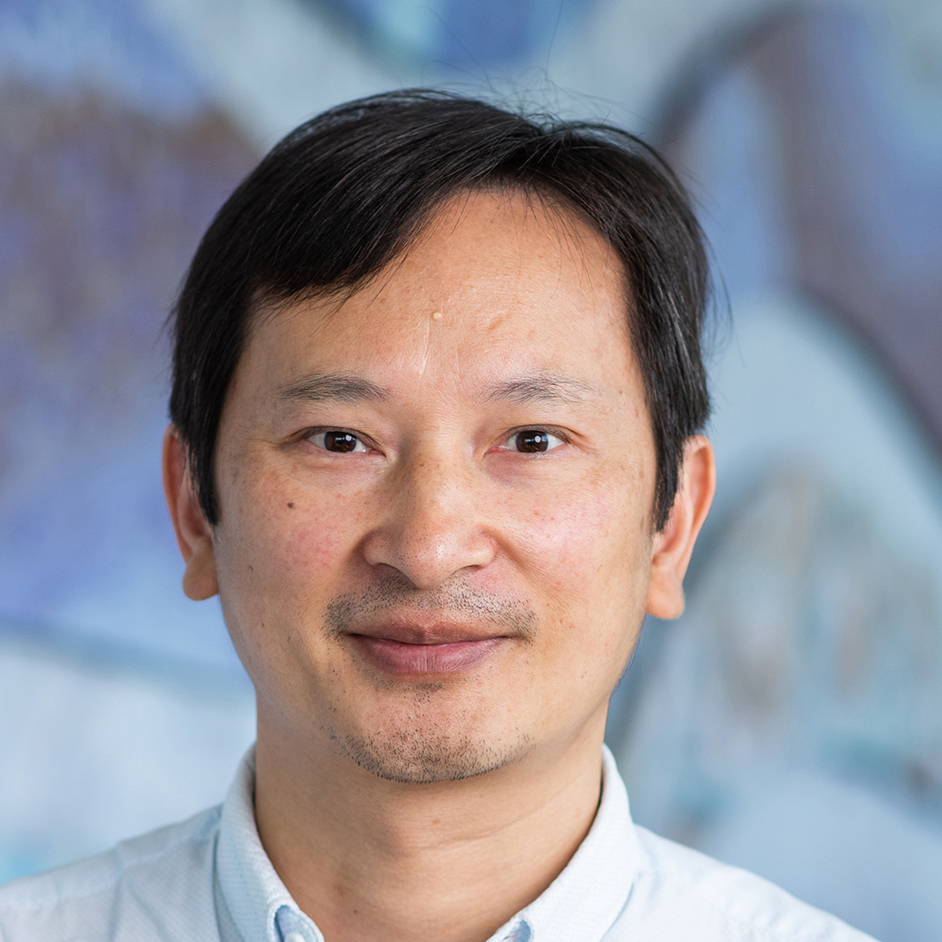
Structural basis of transcription in Monkeypox virus
Closing remarks
Professor, Department of Microbiology, Immunology, and Molecular Genetics, David Geffen School of Medicine, UCLA
Founding Director, Electron Imaging Center for Nanosystems (EICN), California NanoSystems Institute (CNSI)
Dr. Z. Hong Zhou is a pioneering structural biologist specializing in cryogenic electron microscopy (cryoEM) and cryogenic electron tomography (cryoET). Trained as a nuclear physicist (B.S. and M.S., University of Science and Technology of China), he earned his Ph.D. in Biochemistry under Wah Chiu and pursued postdoctoral work in applied math and high-performance computation under Ridgway Scott.
At UCLA, Dr. Zhou integrates structural biology, microbiology, and bioinformatics to reveal the architecture and dynamics of macromolecular machines involved in infectious diseases, cancer, and cellular processes — including herpesviruses, dsRNA viruses, telomerase, spliceosomes, and nanomachines.
His group pioneered high-resolution cryoEM methods for de novo backbone modeling (Nature 2008) and near-atomic models (Cell 2010; Science 2010), and developed advanced methods like cryoID (Nature Methods 2019) and IsoNet/spIsoNet (Nature Communications 2022) for cryoEM and cryoET of native biological systems. Recent work includes native structures of parasites, flagella, and AI-driven method developments.
With over 330 publications (>30 in Nature, Science, Cell), his research has garnered over 32,000 citations (h-index ≈88). Honors include Pew Scholar (1999), Burton Award, K.H. Kuo Award, and election as Fellow of the American Academy of Microbiology (2024).
Associate Professor, University of Michigan
Dr. Cianfrocco has been a long-time member of the cryo-EM community over the past 20 years. His laboratory leverages its cryo-EM expertise, in combination with single-molecule imaging, to determine molecular mechanisms of microtubule-based transport. Beyond structural biology projects, the Cianfrocco lab also builds cyberinfrastructure for structural biology and develops approaches to automate cryo-EM instrument control.
Presidential Postdoctoral Research Fellow, Princeton University
Ryan is a postdoctoral researcher at Princeton University, working jointly in the laboratories of Ellen Zhong and Fred Hughson. He received his B.S. in Biochemistry and Microbiology from Oklahoma State University and his Ph.D. in Biochemistry from Cornell University.
His research focuses on applying and developing cryo-electron microscopy and cryo-electron tomography to study protein complexes involved in intracellular trafficking. He is particularly interested in approaches for visualizing low-yield, flexible, and heterogeneous assemblies, as well as integrating biochemical reconstitution with cryo-EM to address challenging biological questions.
Associate Professor and UKRI Future Leader Fellow, Astbury Centre, University of Leeds
I am an Associate Professor and UKRI Future Leader Fellow at the Astbury Centre, University of Leeds. My group specializes in cryoEM/cryoET, correlative imaging, neuroscience, and mouse genetics to investigate the mammalian brain, with a current focus on synapses, memory, and Alzheimer’s disease. My group’s primary aim is to obtain 3D structures of macromolecules directly within fresh tissue, including from human donors, bridging length-scales from molecules to the intact brain. We recently reported the first 3D molecular architecture of β-amyloid within a mouse model of familial AD and the first structure resolving the polypeptide fold of a protein within human Alzheimer’s brain.
My Ph.D. was in X-ray crystallography of multienzyme complexes at the University of Cambridge, supervised by Richard Perham and Ben Luisi. Using a Royal Commission for the Exhibition of 1851 Fellowship and Emmanuel College Cambridge JRF, I switched fields to neuroscience, focusing on mouse genetics, human genetics, and synapse biology with Seth Grant at the Wellcome Trust Sanger Institute and the University of Edinburgh. I then worked as a postdoctoral scientist at the MRC Laboratory of Molecular Biology under Nigel Unwin and Michel Goedert before starting my own group in 2018 at the University of Leeds.
Investigator, Morgridge Institute
Assistant Professor, University of Wisconsin-Madison
Tim Grant is an investigator at the Morgridge Institute for Research and an assistant professor of biochemistry at UW-Madison. His research combines his love of biology, computing and technology — developing new cryo-EM methodologies and collaborating with others to use the technique to solve structures of important biological molecules. He is the primary developer of cisTEM, a software package used to process cryo-EM data. Recently, a core focus of his lab has been developing techniques that fuse native mass spectrometry with cryo-EM, and furthering 2D template matching techniques to uncover in-situ details from untitled cryo-EM images. It is impossible to develop methods without exposure to true biological problems, and since starting his group, his lab has been particularly focused on applying cryo-EM to nucleic acid biology, solving a number of structures involved in DNA replication restart and viral replication.
Professor, Dorothy Foehr Huck and J. Lloyd Huck Chair in Structural Biology, Penn State University
Prof. Wen Jiang earned his bachelor’s degree in physics from Peking University, followed by a master’s degree in biophysics from the Chinese Academy of Sciences. He then completed his Ph.D. in cryo-electron microscopy (cryo-EM) at Baylor College of Medicine, where he also pursued postdoctoral training in the same laboratory. He established his independent research group at Purdue University in 2005 as an assistant professor, later receiving tenure and rising to associate and then full professor. In 2025, his laboratory relocated to Penn State University, where he currently holds the Dorothy Foehr Huck and J. Lloyd Huck Chair in Structural Biology. Since his Ph.D. work, Dr. Jiang’s research has centered on developing new cryo-EM methods and exploring their applications. While his early investigations focused primarily on virus structures, his group in recent years has concentrated on determining the structures of protein amyloids extracted from post-mortem brain tissues of patients affected by neurodegenerative diseases, including Alzheimer’s disease, Down syndrome, and others.
Associate Professor, The Hormel Institute, University of Minnesota
Bin Liu, Ph.D., is an Associate Professor and Section Leader for Transcription and Gene Regulation at The Hormel Institute, University of Minnesota. He leads a research program focused on the structural mechanisms of transcription and gene regulation, with particular emphasis on bacterial pathogens and emerging viruses.
Dr. Liu earned his Ph.D. in Biological Sciences from Nanyang Technological University in Singapore, where he conducted pioneering structural studies on serine protease catalysis. He then completed postdoctoral training in mechanistic crystallography at The Scripps Research Institute and later in the laboratory of Thomas A. Steitz at Yale University, where he elucidated key structures involved in DNA replication and transcription.
Since joining the Hormel Institute in 2018, Dr. Liu has made significant research breakthroughs in cryo-EM studies of RNA polymerase and transcription regulation. His research employs single-particle cryo-electron microscopy to capture macromolecular complexes at atomic resolution, advancing the understanding of transcription initiation, elongation, termination, and regulation, and informing the development of novel antibiotics and antiviral therapeutics.
Assistant Professor, Cell and Developmental Biology; Biological Chemistry; Biophysics Research Assistant Professor, U-M Life Sciences Institute
University of Michigan
Shyamal Mosalaganti was born and raised in India. He earned his bachelor’s and master’s degrees in chemistry from the Sri Sathya Sai Institute of Higher Learning before moving to Germany as an International Max Planck Research Fellow at the Max Planck Institute of Molecular Physiology in Dortmund. There, in the laboratory of Stefan Raunser, he investigated the structure and function of membrane proteins. During his doctoral training, he also collaborated with Andrea Musacchio’s group to elucidate the architecture of key components of the human kinetochore.
Inspired by the transformative advances in cryo-electron microscopy, Mosalaganti pursued postdoctoral research at the European Molecular Biology Laboratory in Heidelberg in the laboratory of Martin Beck. His work contributed to mapping the symmetric core of the human nuclear pore complex and advanced the emerging field of in situ structural biology.
Now leading his laboratory at the University of Michigan Life Sciences Institute, Mosalaganti integrates cryo-electron microscopy and cellular biology to capture macromolecular complexes in their native cellular context, with a particular focus on lysosomal function, positioning, and inter-organelle communication.
Co-Founder, CryoArcana
Alex has been instrumental throughout his career in the creation of highly impactful institutes including NCITU, SMLC, & SRAMM, and cryoEM/ET/FIB-SEM methodologies including Topaz 2D/2.5D/3D, Waffle Method, Smart Leginon, CryoCycle, ResLog plots, VirtualIce, & Appion-Protomo. Dr. Noble co-founded CryoArcana to provide premium expertise directly to biopharma and academia, and to continue cutting-edge developments.
Henry A. Lardy Professor of Biochemistry, University of Wisconsin-Madison
Dr. Elizabeth R. Wright is the Henry A. Lardy Professor of Biochemistry at the University of Wisconsin–Madison and an internationally recognized leader in cryo-EM and cryo-ET. She serves as Director of the University of Wisconsin Cryo-EM Research Center (CEMRC) and Director of the NIH-funded Midwest Center for Cryo-Electron Tomography (MCCET), a national resource that provides advanced cryo-ET instrumentation, training, and access to researchers across the United States.
Dr. Wright’s research focuses on the development and application of cryo-EM and tomography to visualize viruses, macromolecular assemblies, and organelles within their native cellular environments. Her laboratory integrates cryo-ET, cryogenic correlative light and electron microscopy (cryo-CLEM), and cryo-focused ion beam milling to study the structural organization and assembly of enveloped viruses, including respiratory syncytial virus (RSV), human metapneumovirus (HMPV), and other viral pathogens. These studies reveal how viral proteins organize into higher-order architectures within infected cells and how these structures govern viral assembly, maturation, and host interactions.
In addition to her research program, Dr. Wright is widely recognized for her leadership in building cryo-EM infrastructure and advancing training in in situ structural biology. Through the national cryo-ET center network, her efforts have expanded access to cutting-edge microscopy technologies and helped train the next generation of researchers in cryo-ET and in situ structural biology.
Case Western Reserve University
Thanks to our incredible 2026 sponsors!
When is the 2026 VAI Structural Biology Symposium? How much does it cost?
The 2026 VAI Structural Biology Symposium will take place July 31. Registration will open in February and close July 16, 2026.
- $50 for trainees (graduate students and postdoctoral fellows)
- $100 for non-trainees
What if I need other accommodations?
Please contact Allison Baker to discuss any special accommodation needs.
How do I become a sponsor?
Please contact Allison Baker for more information on sponsorship opportunities.
When is the registration deadline for the 2026 VAI Structural Biology Symposium?
The registration deadline is July 16, 2026.
When is the refund deadline?
The refund deadline is July 23, 2026.
What is the refund policy?
Refund requests must be made in writing to the 2026 VAI Structural Biology Symposium by July 23, 2026. After July 23, refund requests will not be honored. If you are not able to attend, a substitute may attend in your place. The name and email address of the substitute must be emailed to Courtney Zirkle prior to July 23, 2026.
Code of Conduct Guidelines
We are dedicated to providing a harassment-free, non-discriminatory symposium experience for all participants, regardless of race, color, national origin, religion, sex, age, disability, pregnancy, height, weight, marital status, veteran status, sexual orientation, gender identity, or other personal characteristics covered by applicable law. We will not tolerate harassment of conference participants in any form. We expect participants at our events to engage in constructive and professional discussions at all times. Harassment can include unwelcomed attention, inappropriate comments or jokes that refer to sexual topics, requests for dates, or other sexual activities as well as the use of language that may demean or degrade individuals. These behaviors are not appropriate for any of our conference venues, including talks, workshops, networking sessions, poster sessions, social networking platforms, and other online media platforms. Any participant violating these guidelines will be removed from the symposium at the discretion of the conference organizers.
Anyone who has experienced the above, or who has witnessed such behavior, should notify Courtney Zirkle. Anonymous reporting may also be done through the EthicsPoint Hotline.
Ralph and Grace Hauenstein Endowed Chair in Structural Biology
Chair, Department of Structural Biology, Van Andel Institute
Dr. Huilin Li studies how cells copy DNA, build and modify proteins, and maintain their internal health — processes that are essential for life and often disrupted in disease. His work reveals how these molecular systems function at the most fundamental level, providing insights relevant to major public health challenges such as tuberculosis, cancer and neurological disorders. Dr. Li has been a leader in visualizing complex biological machinery for more than three decades.
Assistant Professor, Department of Structural Biology, Van Andel Institute
Dr. Travis Walton studies the cellular cytoskeleton, which provides structure and stability to cells. Problems with this critical architecture can contribute to a wide range of human diseases. Dr. Walton’s lab uses leading-edge imaging technologies to identify vulnerabilities in the cytoskeleton that can lead to novel diagnostic and therapeutic targets.
Assistant Professor, Department of Structural Biology, Van Andel Institute
Dr. Yang Yang employs the latest imaging technologies to illuminate how disease-related proteins misfold and assemble in neurodegenerative diseases such as Parkinson’s and Alzheimer’s. Her research has revealed the structures of critical protein filaments found in patient brain tissue, and provides fundamental insights that can inform the development of improved diagnostic and treatment strategies.
Director, Cryo-EM Core, Van Andel Institute
Dr. Gongpu Zhao joined Van Andel Institute in 2016, where he helped launch the Cryo-EM Core and facilitate its development into a central resource for structural biology research. He came from a postdoctoral fellowship in the Peijun Zhang Laboratory at the University of Pittsburgh, where he played a leading role in determining the structure of the HIV-1 capsid, the outer “shell” of the virus. At Van Andel Institute, Dr. Zhao focuses on advancing cryo-electron microscopy technologies, with particular emphasis on developing new sample preparation workflows, in situ cryo-ET methods and imaging strategies that enable high-resolution structural analysis.
Event Details
Contact Info:
Email: Allison Baker
Thanks to our wonderful sponsors!