
2026 Midwest C. elegans Meeting
The 2026 Midwest C. elegans Meeting will be held April 17, 2026, at Van Andel Institute in Grand Rapids, Michigan. The program will include presentations from researchers across the C. elegans field and a poster session, with a distinguished keynote speaker.
Keynote Speaker
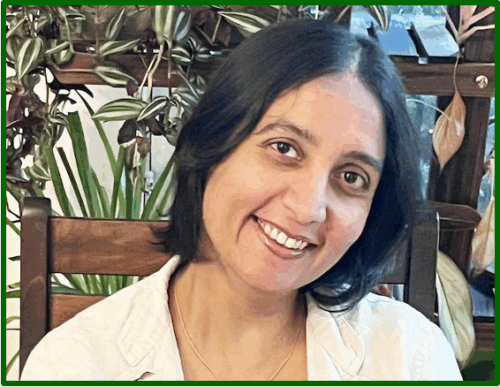
Arjumand Ghazi, Ph.D.
Associate Professor of Pediatrics, Cell Biology and Physiology, University of Pittsburgh School of Medicine
For questions or to be added to our email list, please contact Allison Baker.
Friday, April 17, 2026
Breakfast and registration
Opening remarks
Keynote address
University of Pittsburgh School of Medicine
Beyond procreation: Reproductive signals that control maternal health and longevity
Break
Session 1
Tess Leuthner, Ph.D.
Indiana University
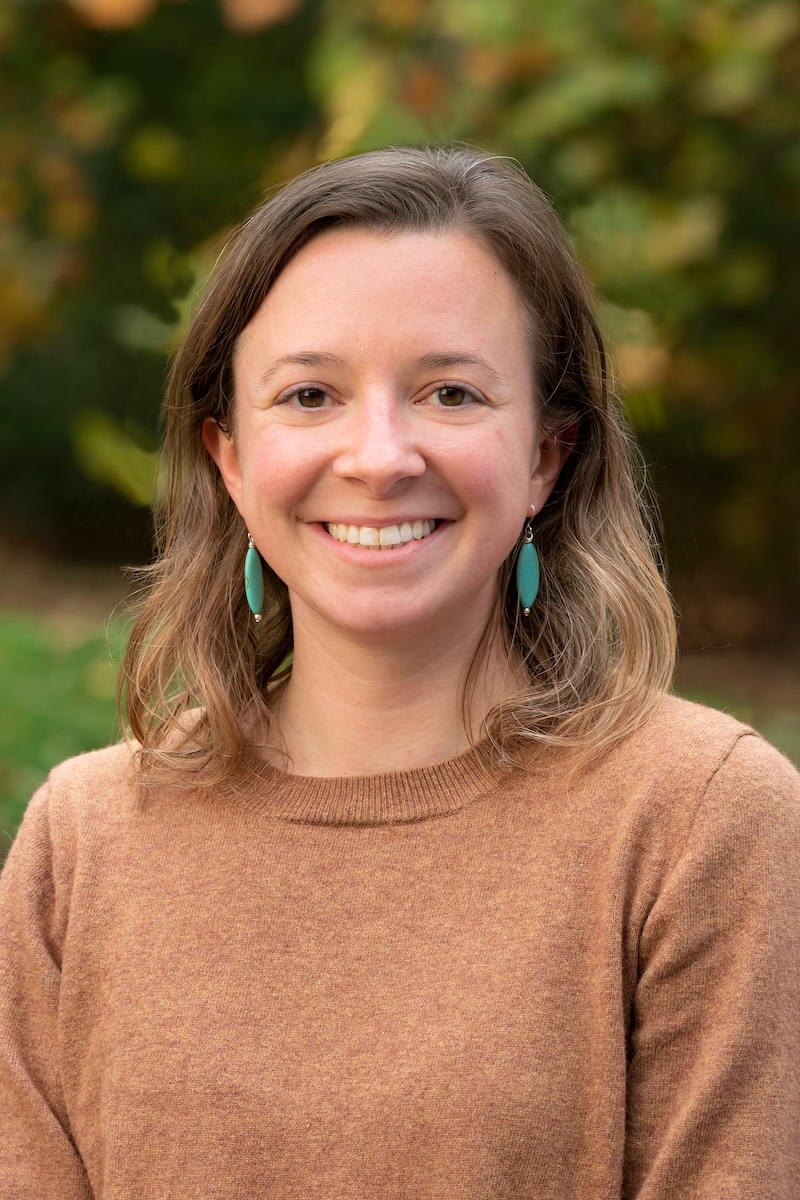
Wild worms in a toxic world: Natural variation of PFAS susceptibility
Vishnu Raj, Ph.D.
University of Wisconsin-Madison
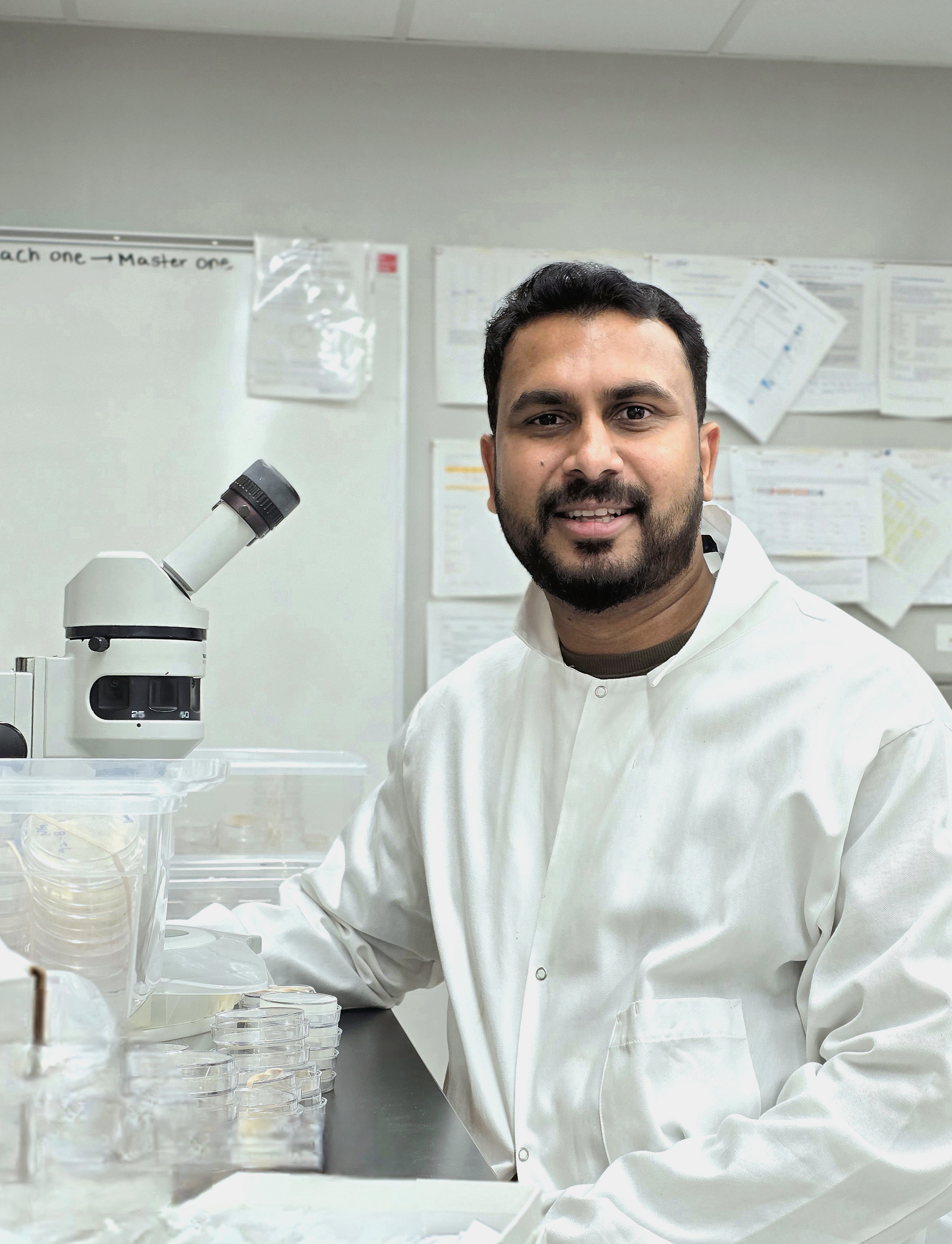
Regulation of stress-induced sleep by neuropeptide NLP-67 in C. elegans
Elizabeth Trzupek, B.A.
Northwestern University
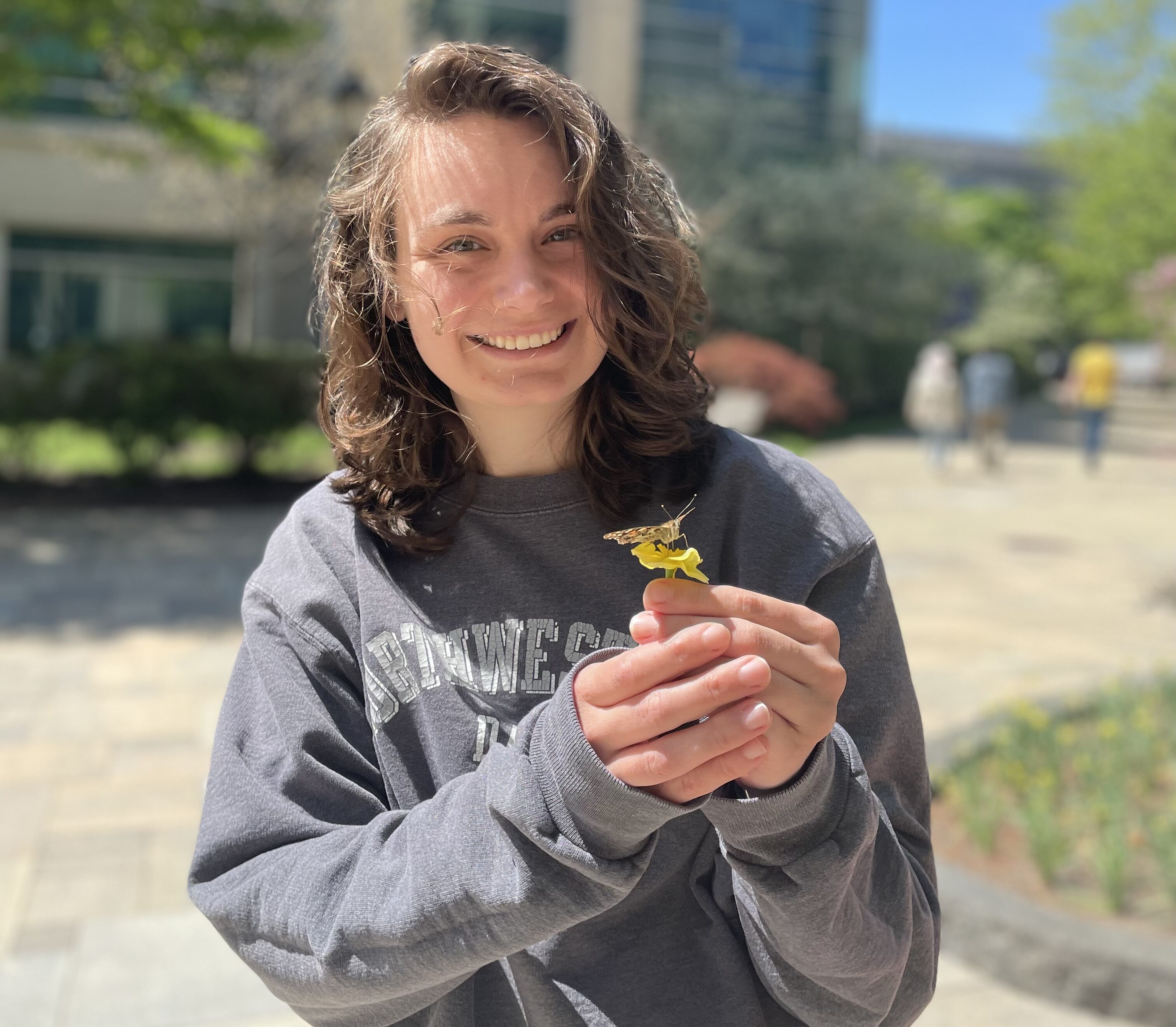
Depletion of centrosomal protein SPD-5 yields spindle defects in C. elegans meiosis
Arlene Garcia
Vanderbilt University & Van Andel Institute
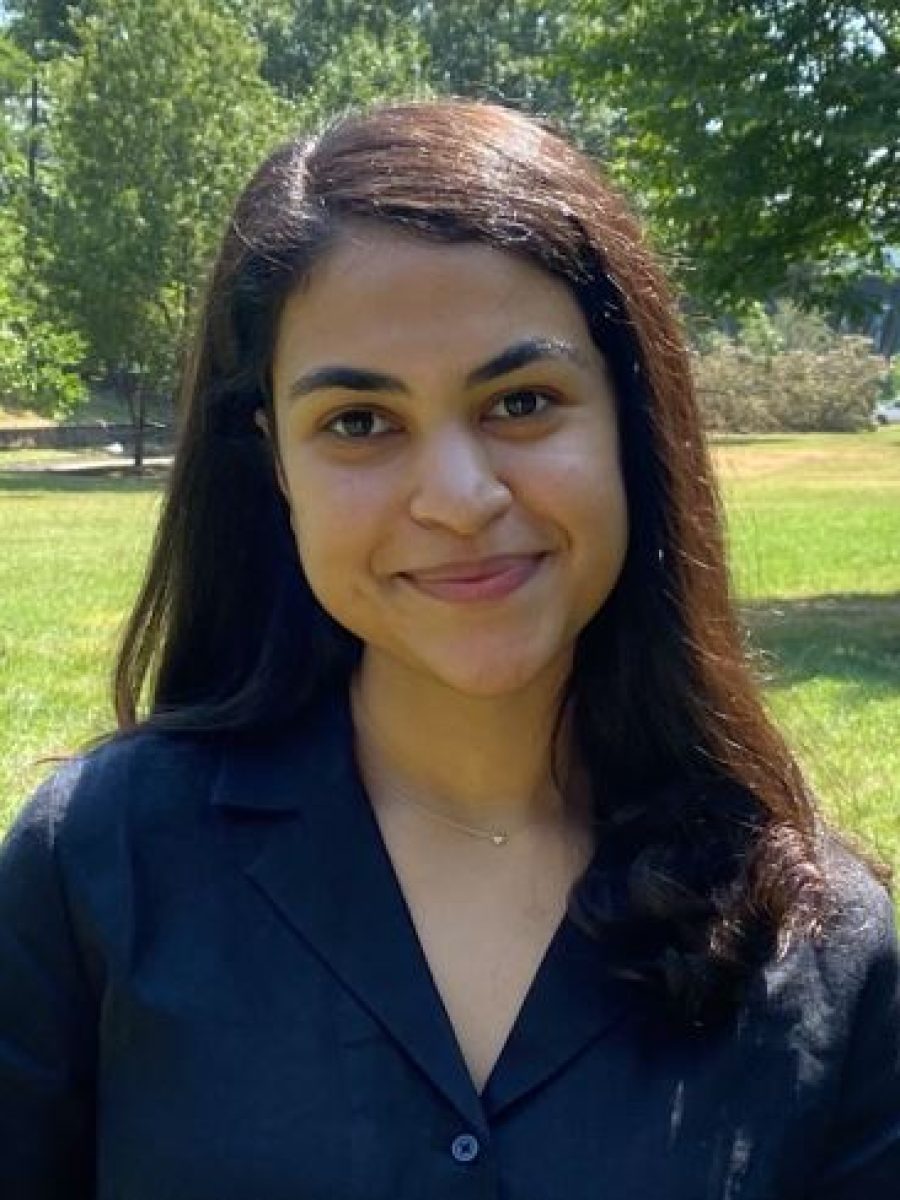
Elucidating novel mechanisms of mitochondrial DNA copy number regulation
Lunch
Poster session
Session 2
Faith Carranza Connors, B.S.
University of Michigan
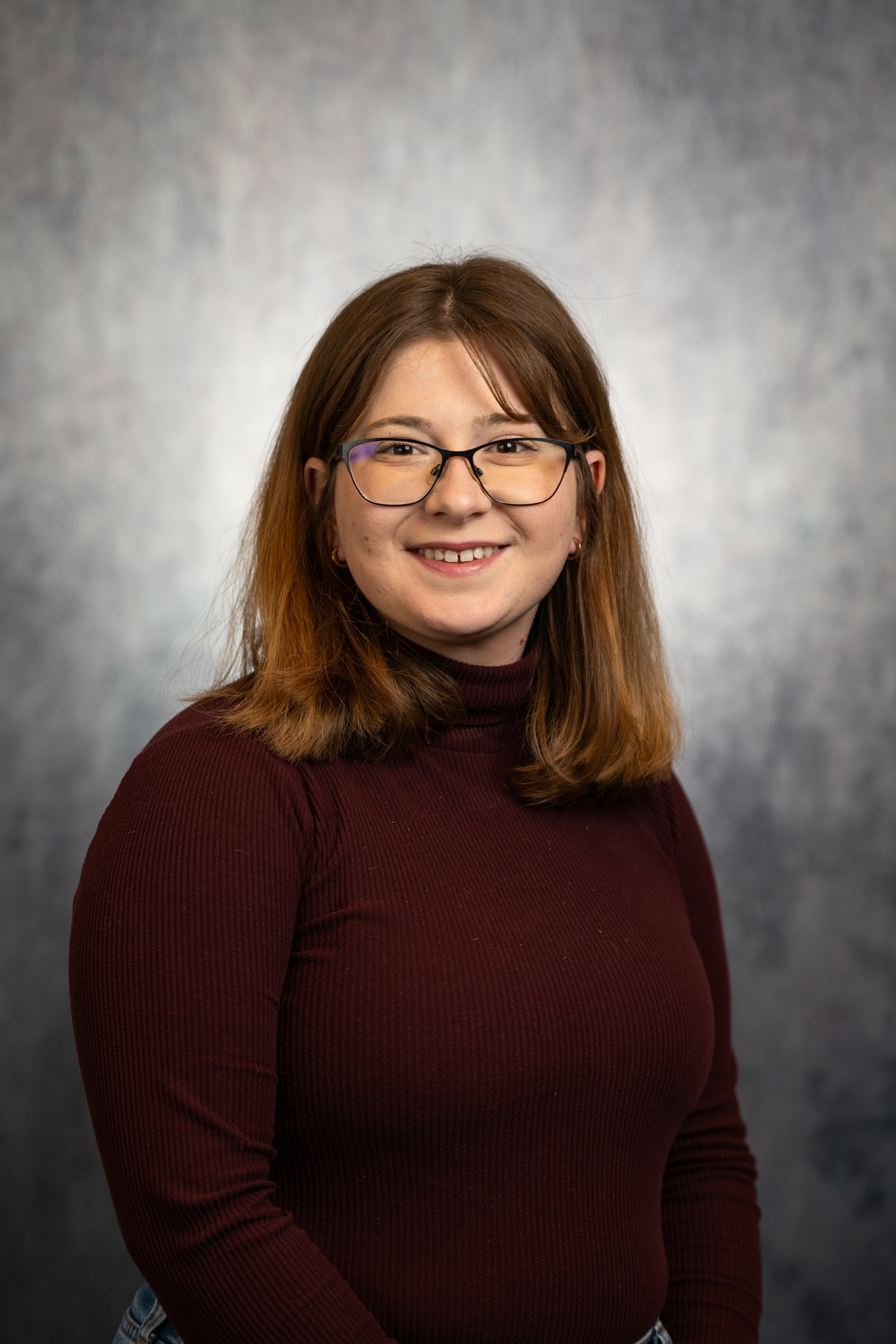
FMO-4 promotes longevity and stress resistance through altered mitochondrial metabolism and dynamics
Lily LeSarge
University of Michigan
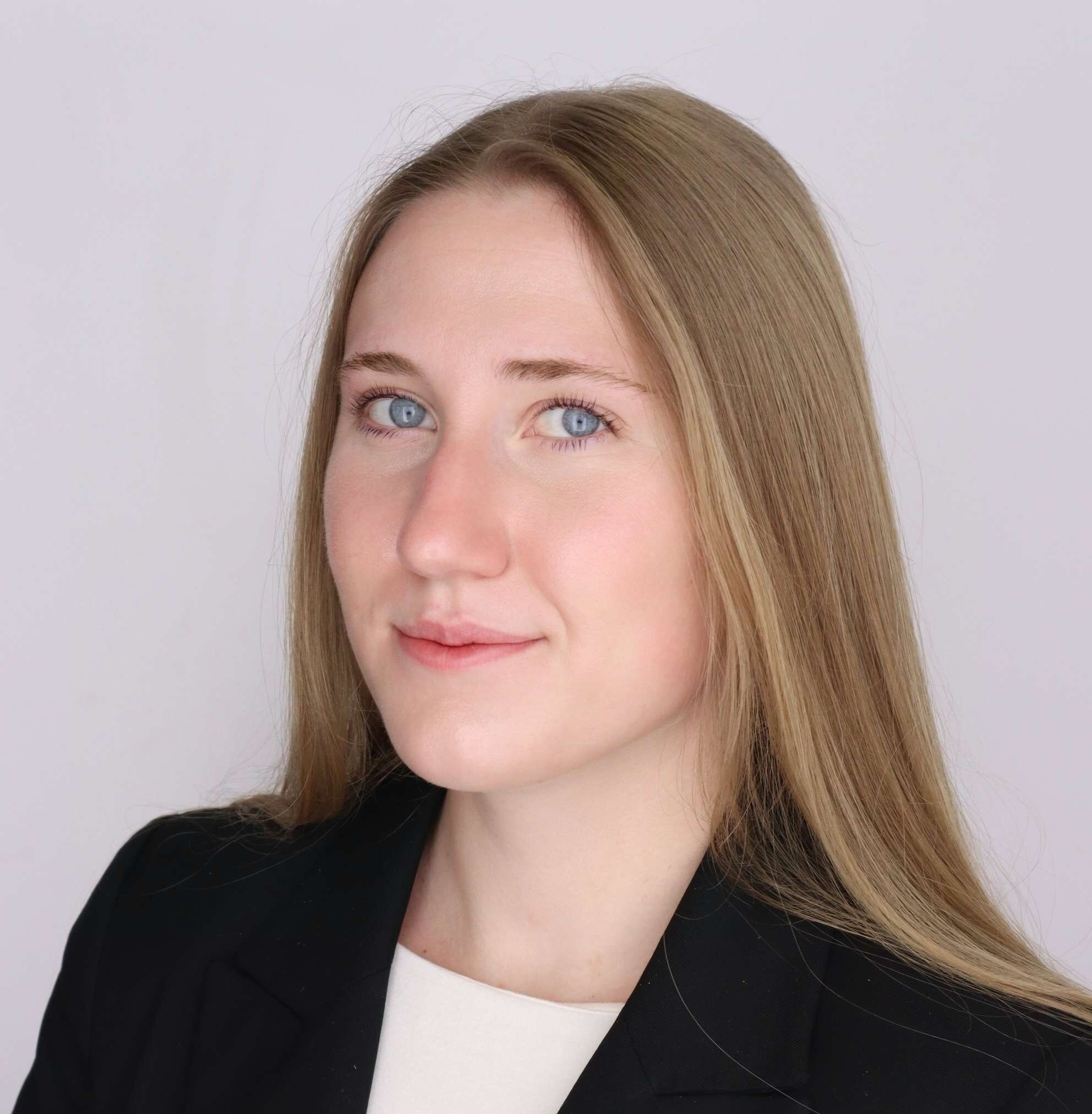
Physiological defects after stage specific disruption of dosage compensation
Anuja Dahal
Central Michigan University
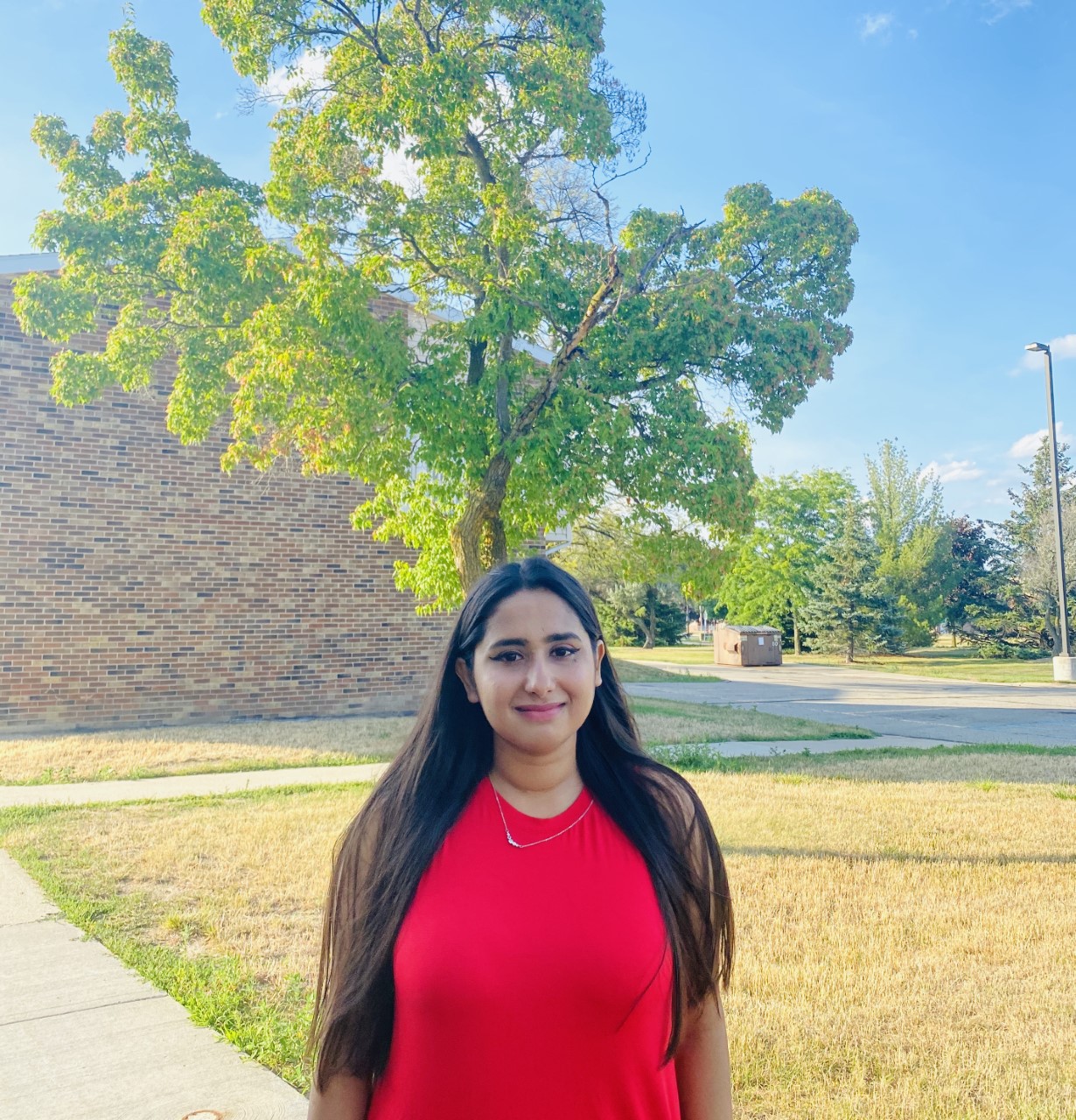
Regulation of HBL-1 expression in two life histories for precise cell fate specification in C. elegans
Sonam Bhattarai-Lamey
Missouri University of Science and Technology
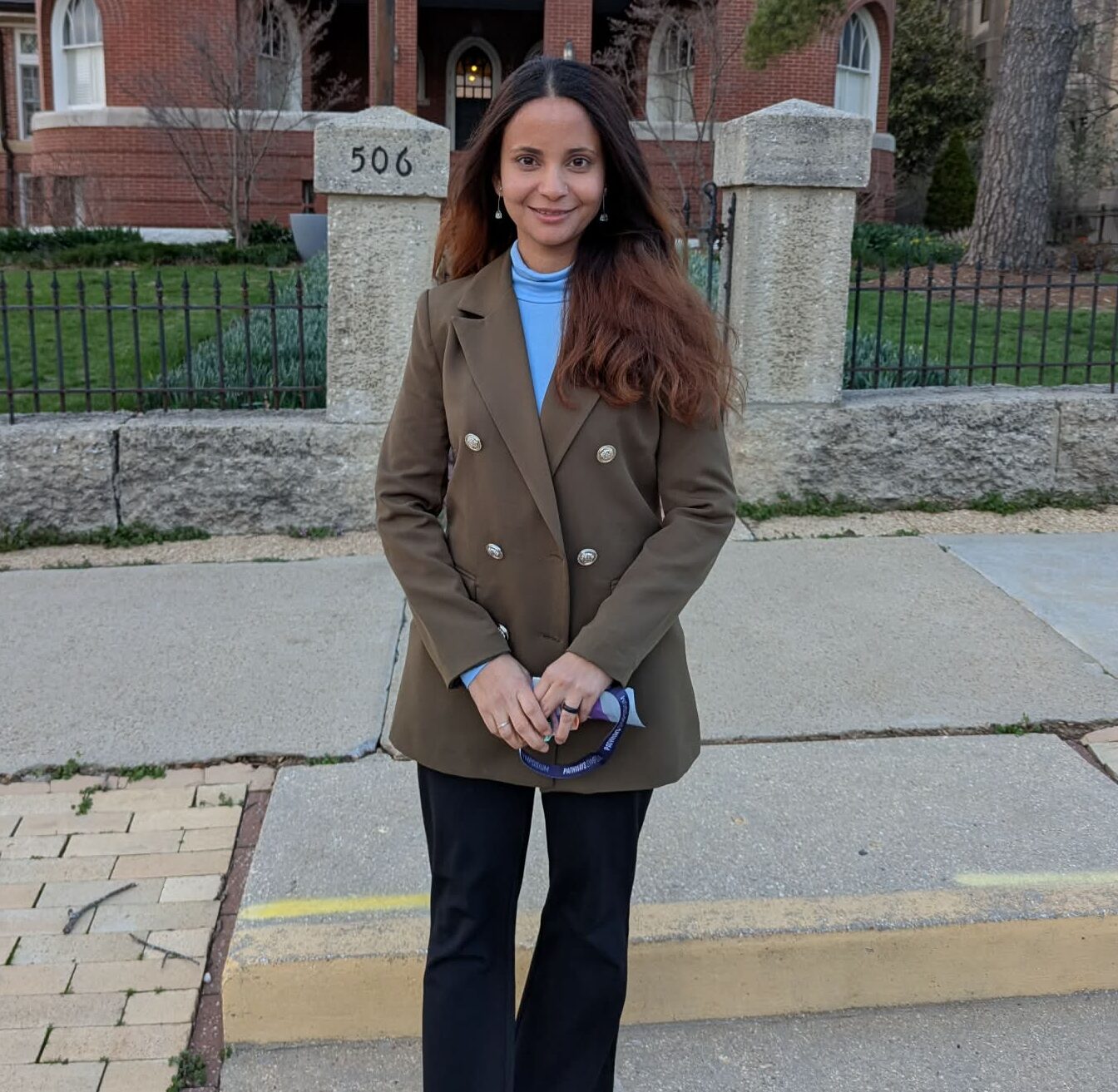
VAPING UNDER THE MICROSCOPE: Caenorhabditis elegans as a model for early exposure to neurological risk assessments of electronic cigarettes
Cody Saraceno, Ph.D.
Wayne State University
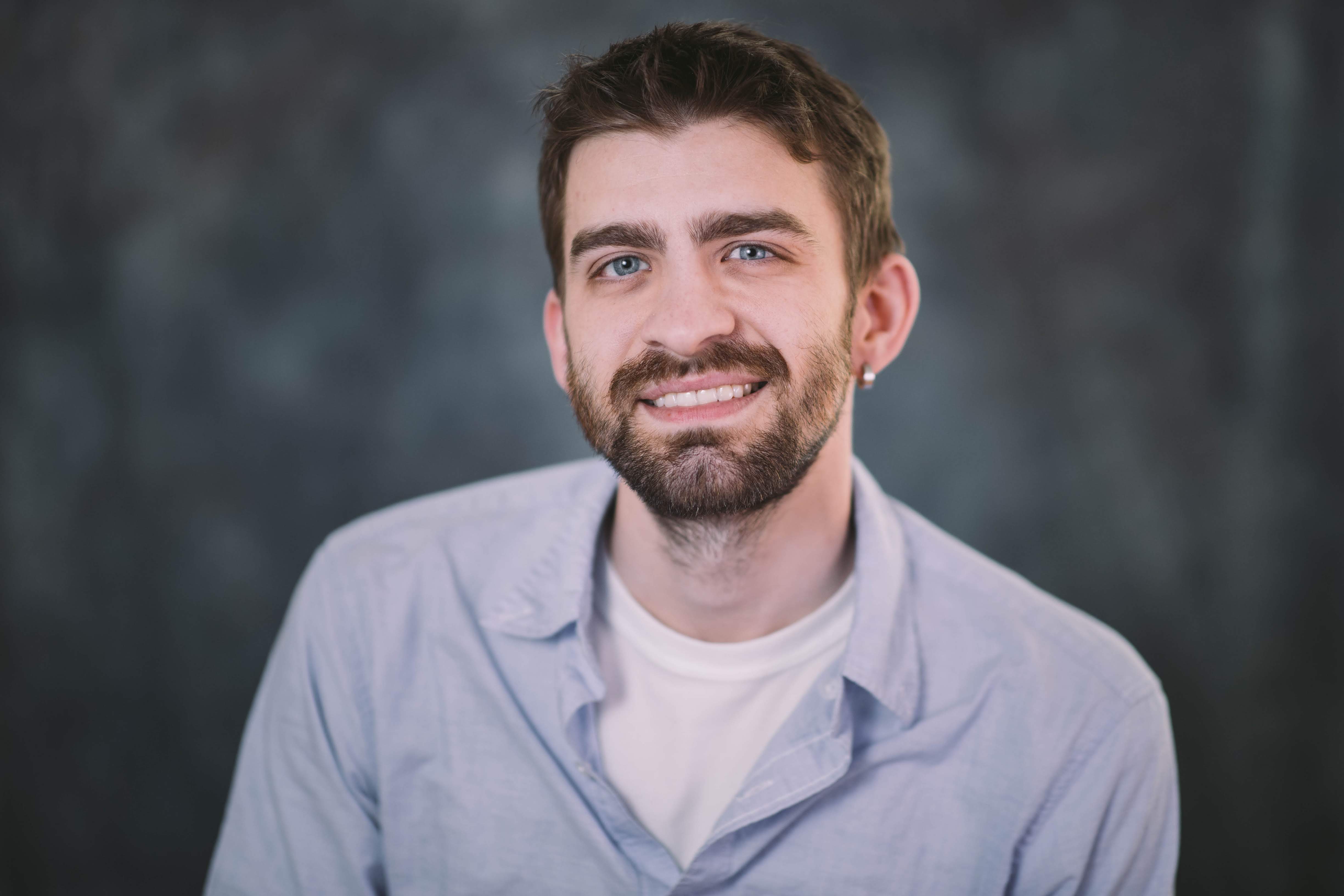
Genetic suppressor screen of separase mutants identifies cohesin subunits
Break
Session 3
Jacob Mastenbrook
Western Michigan University
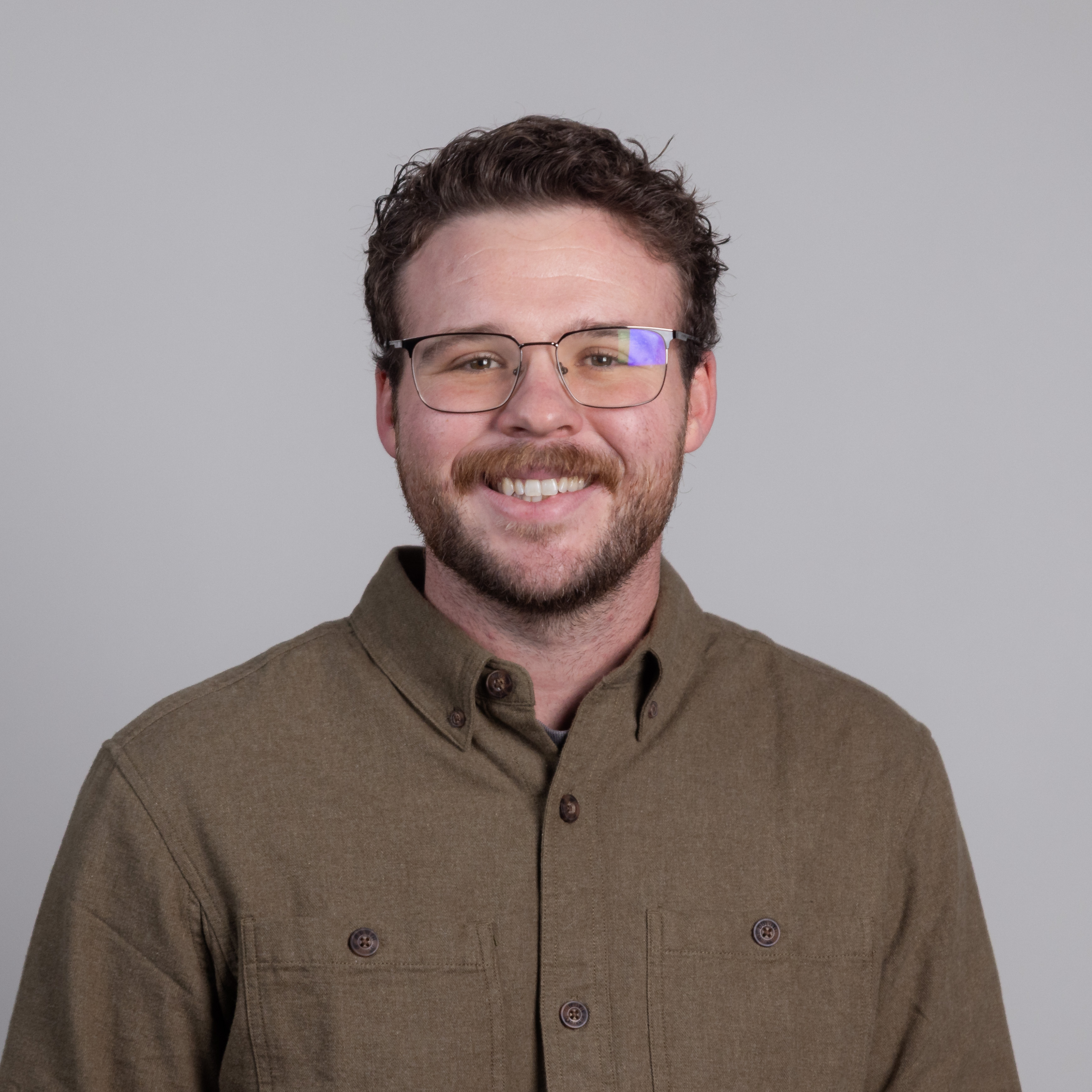
The role of UNC-82 in innate immunity
Jonathon McSwain, B.S., B.A.
Wayne State University
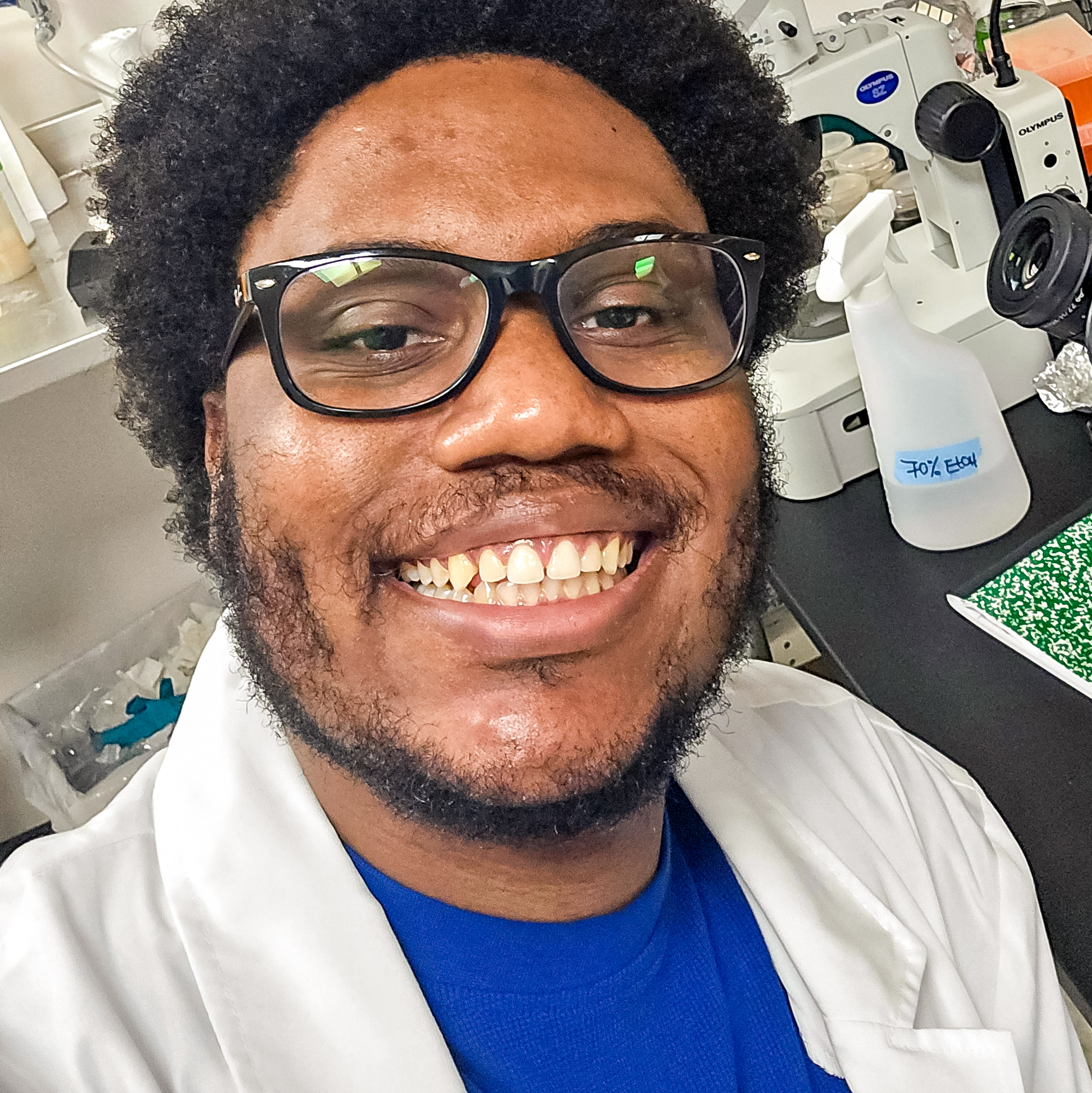
The impact of 3-dimensionality on C. elegans spatial learning
Scott Aoki, DVM, Ph.D.
Indiana University School of Medicine
eIF4E assembly into C. elegans P granules is required for target transcript repression
Aidan Reynolds
Michigan State University
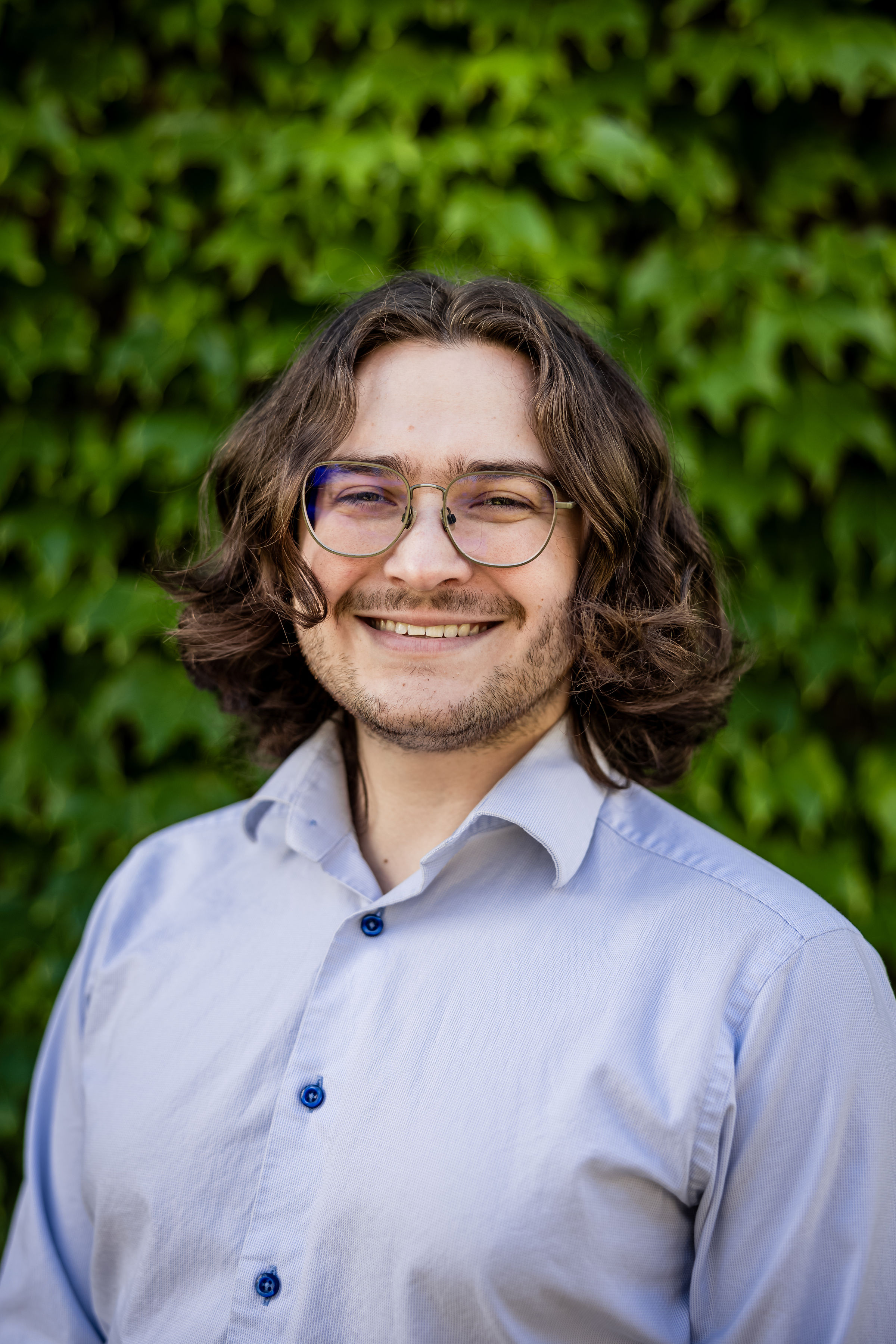
On-slide preparation of Caenorhabditis elegans towards quantitative, high-resolution LA-ICP-TOF mass spectrometry imaging
Marco Mechan Llontop, Ph.D.
Van Andel Institute
Unraveling bacterial mechanisms that allow tolerance of mitochondrial genetic defects in C. elegans
Closing remarks and award presentation
Associate Professor of Pediatrics, Cell Biology and Physiology, University of Pittsburgh School of Medicine
Arjumand Ghazi, Ph.D., is a tenured Associate Professor of Pediatrics and Cell Biology & Physiology at the University of Pittsburgh School of Medicine (UPSOM) and Co-Director of the Genetics, Genomics and Development Center (G3C). Her research focuses on the genetics of aging, particularly genes and pathways linking reproductive fitness to lifespan and healthspan. Her lab has made foundational discoveries in aging biology, including demonstrations that reproductive dysfunction triggers whole-body aging and that pro-longevity genes can contextually impair healthspan. She is a recipient of an Academic Leadership Award from the NIA to establish the Pittsburgh Pipeline for Research, Education & Mentoring in Reproductive Aging (Pitt-PRAM). Her work has been funded by the NIH, Ellison Medical Foundation, AFAR, and is currently supported by awards from the NIAID, NIA and the Global Consortium for Reproductive Longevity & Equity.
Besides research, Dr. Ghazi is deeply committed to graduate education and junior faculty mentoring. She serves as an Assistant Dean for Graduate Studies at UPSOM and is a member of the Academy of Distinguished Medical Educators.
Assistant Professor, Indiana University School of Medicine
The Aoki Lab studies the recognition, assembly, and function of RNA-protein complexes, with a particular interest in their roles in C. elegans germ cell development.
Ph.D. Student, Biological Science, Missouri University of Science and Technology
Sonam is a second-year Ph.D. student in the Biology Department at Missouri S&T, where she investigates the neurotoxicological impacts of early-life exposure to electronic cigarette components, particularly on the risks associated with e-liquid compounds. Using C. elegans as a model organism, her research explores how such compounds can influence neuronal development, resulting in long-term behavioral abnormalities.
Her work aims to contribute to a broader understanding of public health risks regarding the safety of vaping. Her research was recognized at the Midwest C. elegans Meeting last year, where she was awarded the Best Graduate Poster Award.
Ph.D. Student, University of Michigan
Faith completed her B.S. in Molecular Biology and Biotechnology at Millersville University, where she performed research on developmental pathways controlling parasitic nematode development. She is currently a Ph.D. student in Dr. Scott Leiser’s lab at the University of Michigan, where she is researching the mechanisms by which a family of enzymes promotes longevity and stress resistance in C. elegans.
Doctoral Candidate, Central Michigan University
I am a Ph.D. candidate in the Biochemistry, Cellular and Molecular Biology program at Central Michigan University, where I conduct research in the laboratory of Dr. Xantha Karp. Our research focuses on understanding how gene regulatory mechanisms control developmental timing and cell fate decisions in the nematode Caenorhabditis elegans. In particular, we study how environmental conditions influence developmental transitions and how regulatory pathways ensure robust developmental outcomes across different life histories.
I received my Master’s degree in Biological Sciences from Southern Illinois University Edwardsville and my bachelor’s degree in Medical microbiology from Nobel College in Kathmandu, Nepal. I have over ten years of research experience and more than five years of teaching and mentoring experience, including mentoring undergraduate researchers and serving as a teaching assistant for multiple courses in biochemistry and molecular biology. My research integrates genetics, molecular biology, and genomic approaches to investigate how environmental signals shape developmental programs and gene regulation.
M.D./Ph.D. Student, Vanderbilt University and Van Andel Institute
Arlene is originally from Philadelphia, Penn., and completed her undergraduate studies at the University of Pennsylvania where she majored in Cell and Molecular Biology and minored in Chemistry, French, and Medical Sociology. As an undergraduate, Arlene conducted research in the lab of Paul Sniegowski and studied the evolution of mutation rates in experimental populations of E. coli. Arlene is currently an M.D./Ph.D. student at Vanderbilt University completing her graduate training in the lab of Maulik Patel, now located at Van Andel Institute. Her graduate research focuses on identifying novel mechanisms of mitochondrial DNA copy number regulation using C. elegans as a model organism. Arlene is an aspiring physician-scientist and intends to pursue residency in pediatrics.
Undergraduate Student, University of Michigan
Lily LeSarge is an undergraduate student at the University of Michigan majoring in molecular, cellular and developmental biology and Spanish. She conducts research in the laboratory of Györgyi Csankovszki, Ph.D, where she studies chromosome organization and gene regulation in Caenorhabditis elegans. Under the mentorship of graduate researcher Joshua Eduful, her work focuses on mechanisms of dosage compensation and how chromatin regulation influences physiology. Lily is interested in molecular genetics and chromatin biology and plans to pursue a career in medicine while continuing to engage in scientific research.
Assistant Professor, Indiana University
Tess Leuthner is an Assistant Professor at Indiana University, where her lab studies how genetic differences shape responses to environmental toxicants. Using C. elegans, her group combines high-throughput phenotyping with genetic and genomic approaches to identify variants, genes and pathways that influence susceptibility to chemical exposures, with a focus on “forever chemicals” per- and polyfluoroalkyl substances, also known as PFAS.
Tess received her Ph.D. from Duke University through the Integrated Toxicology and Environmental Health Program, where she worked under the mentorship of Dr. Joel Meyer. There, she first learned about the awesome power of the worm as a model for evolutionary toxicology. She conducted mutation accumulation experiments and ultra-sensitive sequencing to study how various environmental contaminants affect nuclear and mitochondrial DNA mutational processes and subsequent effects on fitness. She stayed at Duke for her post-doctoral training with Dr. Ryan Baugh, where she developed an interest in applying statistical genetics to toxicology — this time instead of generating de novo mutations, she recognized the utility of harnessing existing natural variation in wild strains to identify molecular mechanisms of toxicity. Her research aims to connect basic biology with environmental health by understanding how chemicals differ in their toxicity and why individuals differ in their responses to chemical exposures. Tess has been supported by NIH F31 and F32 fellowships throughout her training, and is excited to recruit and support future PhD students and post-docs in her own lab (so reach out if you are interested in joining the lab!).
Ph.D. Candidate, Department of Biological Sciences, Western Michigan University
Jacob Mastenbrook is a fifth-year Ph.D. candidate in the Department of Biological Sciences at Western Michigan University. His research is centered around genetics and microbiology, where he focuses on the role of UNC-82 in muscle development, metabolic signaling, and immune singaling. Throughout his doctoral studies, Jacob has received two university research grants and was awarded the Charles River Research Excellence Award in 2025.
Ph.D. Student, Wayne State University
Jonathon is a Ph.D. student in the Biological Sciences Program at Wayne State University working in the lab of Dr. Eleni Gourgou. He earned a Bachelor of Science in Microbiology and a Bachelor of Arts in African American and African Diaspora Studies, at the University of Nevada, Las Vegas. Soon after he moved to Detroit, Michigan and joined the Gourgou Lab, where he focuses on the neuronal basis of navigation, decision making, and spatial learning in C. elegans.
Research Scientist, Van Andel Institute
Marco E. Mechan-Llontop is a research scientist interested in how microbes and hosts communicate at the metabolic level. With a background in microbiology, his work explores how bacterial metabolites can influence mitochondrial function and, in turn, shape the severity of mitochondrial disease. He is particularly motivated by understanding why individuals with similar genetic mutations can experience very different disease outcomes, and how microbiome-derived factors might help explain these differences.
Research Associate, University of Wisconsin-Madison
Vishnu Raj, Ph.D., is a postdoctoral research associate in the Department of Integrative Biology at the University of Wisconsin-Madison. His research investigates the neural and molecular mechanisms underlying behavior, focusing on neuropeptide signaling, sleep regulation, and locomotion control in Caenorhabditis elegans. He received his Ph.D. in Biological Sciences from the Sree Chitra Tirunal Institute for Medical Sciences and Technology, India, where he studied dopamine signaling in learning and neurodegeneration. His work combines neurogenetics, behavioral assays, and advanced imaging to understand how neural circuits regulate adaptive behaviors.
Ph.D. Candidate, Michigan State University
Aidan received his Bachelor of Science in biochemistry from Ferris State University where he spent his time conducting research in organic synthesis and drug discovery within the Kurup lab at the College of Pharmacy. Shortly after graduation, he was hired into the Michigan State University Veterinary Diagnostic Lab in the nutrition and toxicology department as a laboratory technologist. Aidan transitioned from his position at the Veterinary Diagnostic Laboratory to the MSU Chemistry Ph.D. program after 15 months of employment in the hopes that he could further advance his education in analytical chemistry and toxicology. He is currently finishing his 3rd year of his Ph.D. in analytical chemistry within the Qiu lab at Michigan State University. His research focuses on developing mass spectrometry imaging methods for toxicology research using Caenorhabditis elegans and mice. His work also focuses on imaging environmental contaminants in biological systems including per- and polyfluoroalkyl substances (PFAS), heavy metals, and metal-based nanoparticle technology.
Postdoctoral Fellow, Wayne State University
Cody Saraceno is a developmental biologist and postdoctoral research fellow currently based in the Bembenek Lab at Wayne State University. Dr. Saraceno’s academic journey began in the arts before pivoting to the biological sciences, a transition that informs a unique perspective on complex cellular visualization. They earned a Ph.D. in Biology from the University of Kentucky, where their doctoral research focused on the mechanisms of programmed DNA loss in the sea lamprey (Petromyzon marinus).
Currently, Dr. Saraceno’s research utilizes C. elegans as a model organism to investigate the regulation of the cell cycle and membrane dynamics. Their work is motivated by the unexpected finding that cell cycle regulators (separase) may also regulate membrane dynamics during the metaphase to anaphase transition, which is a vital function for C. elegans development. Their work specifically examines separase regulation during meiosis, with a focus on its essential role in cortical granule exocytosis. By exploring how cell cycle regulators interact with membranes, Dr. Saraceno aims to uncover fundamental principles of eukaryotic cell division.
Research Technician, Northwestern University
Elizabeth “Lizzie” Trzupek is a research technician in Dr. Sadie Wignall’s lab at Northwestern University. Lizzie graduated from Northwestern in 2022 with a Bachelor of Arts in Biological Sciences and English. In Dr. Wignall’s lab, she has been exploring a potential role of the centrosomal protein SPD-5 in C. elegans meiotic spindle formation.
Poster abstracts may be submitted during registration through March 2. For questions or to be added to our email list, please contact Allison Baker.
Abstract format
Submitted abstracts should represent original research. The title should be brief and descriptive, and the body should include rationale, methods and results. Please prepare abstracts using the below template.
Poster dimensions
Posters should be 60 in. x 40 in. Pushpins will be provided.
Questions?
Questions regarding abstract submission, posters, or the poster session can be directed to Allison Baker.
TITLE OF ABSTRACT IN ALL CAPS (STYLE = TITLE)
Presenting Author1,2, Other Author1, and Last Author1,3(Style = Authors)
1First Dept., Institution, City, State, Country, 2Second Dept., Institution, City, State, Country, and 3Last Dept., Institution, City, State, Country (Style = Affiliations)
Body of abstract using 300 words or less. Define each abbreviation at first use. All fonts should be Arial, 11 pt. and text should be single-spaced. Once you have filled in this template, choose File>Save As and save your file as a Word document (.doc or .docx) with the filename lastname_abstract. (Style = Body)
EXAMPLE
A MOTHER TO OFFSPRING METABOLIC LINK
Nick Burton1
1Department of Metabolic and Nutritional Programming, Van Andel Institute, Grand Rapids, MI, United States
Lorem ipsum dolor sit amet, consectetur adipiscing elit, sed do eiusmod tempor incididunt ut labore et dolore magna aliqua. Ut enim ad minim veniam, quis nostrud exercitation ullamco laboris nisi ut aliquip ex ea commodo consequat. Duis aute irure dolor in reprehenderit in voluptate velit esse cillum dolore eu fugiat nulla pariatur. Excepteur sint occaecat cupidatat non proident, sunt in culpa qui officia deserunt mollit anim id est laborum.
sint occaecat cupidatat non proident, sunt in culpa qui officia deserunt mollit anim id est laborum.
Assistant Professor, Department of Metabolism and Nutritional Programming
Van Andel Institute
Dr. Nick Burton explores how our environment, especially microbes, can impact our health and the health of our offspring — even before they are born. His research has extensive implications for understanding how epigenetics contributes to human disease and how the environment we are exposed to today affects not only our own health, but also our children’s.
Associate Professor, Department of Metabolism and Nutritional Programming
Van Andel Institute
Dr. Maulik Patel studies how cells handle, store and expend energy, with a focus on how this intricate process, connected with metabolism and nutrition, interacts with other systems to influence health, disease and aging. His research centers on cellular “powerhouses” called mitochondria, which support day-to-day function and, when faulty, contribute to rare, devastating diseases in children and common degenerative conditions in aging adults.
Assistant Professor, Department of Biological Sciences at Missouri S&T
Dr. Andrea Scharf specialized in the study of aging as a life history trait and its impact on population dynamics. Her lab integrates cellular, organismal, and population-level biology to uncover the mechanisms driving life history traits like aging, with a focus on (1) the impact of aging on population dynamics, (2) premature aging induced by environmental factors, and (3) inter-individual communication of environmental effects within populations.
Event Details
Contact Info:
Email: Allison Baker
