2026 Grand Challenges in Parkinson’s Disease
In its 15th year, Grand Challenges in Parkinson’s Disease continues to bring together scientists, clinicians and people with Parkinson’s to explore the latest advances and most pressing questions in Parkinson’s research.
The 2026 theme, From Brain Pathology to Biological Intervention, combines emerging mechanistic insights with new opportunities for therapeutic intervention. The program will foster dialogue across disciplines, including neuropathology, structural biology, systems neuroscience and translational pharmacology.
Our outstanding roster of speakers will highlight:
- Convergent mechanisms driving synucleinopathy across model systems and human disease
- Technological and conceptual breakthroughs that are redefining the early detection and staging of alpha-synuclein pathology
- Therapeutic opportunities informed by an improved understanding of alpha-synuclein structure, cell vulnerability and disease mechanisms
Alongside the symposium, Van Andel Institute and Cure Parkinson’s are thrilled to once again host Rallying to the Challenge, a meeting designed for and by people with Parkinson’s, advocates and care partners that delves into how the Parkinson’s community can impact and accelerate research.
Wednesday, September 23, 2026
Welcome Remarks
Van Andel Institute
Introduction of Jay Van Andel Award for Outstanding Achievement in Parkinson's Disease Research honoree
Kyle Van Andel
Darren Moore, Ph.D.
Jay Van Andel Award lecture
Glenda Halliday, Ph.D.
University of Sydney, National Health and Medical Research Council

Degeneration, compensation and functional brain changes associated with a-synuclein in Parkinson’s disease – what should be treated?
Break
Session 1: Mapping Disease in the Human Brain
Wilma Van de Berg, Ph.D.
Amsterdam UMC, Vrije University
Regional and cellular diversity in Lewy body structure in synucleinopathy
Poul Henning Jensen, M.D., Dr. Med. Sci.
Aarhus University
Oligomer assay results in sporadic and genetic PD, and in models
Thomas G. Beach, M.D., Ph.D., FRCPC
Banner Sun Health Research Institute
Peripheral nervous system synucleinopathy in Parkinson’s disease
Lunch
Session 2: Architecture of Aggregates
Gregory Merz, Ph.D.
University of California San Francisco, Institute for Neurodegenerative Diseases
Adaptation of α-synuclein fibrils following multiple system atrophy transmission to mice
Gabor G. Kovacs, M.D., Ph.D.
University of Toronto, Canada
Architecture of synuclein aggregates: Insights from human neuropathology
Veerle Baekelandt, Ph.D.
KU Leuven
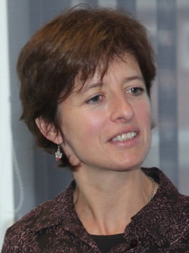
Modeling alpha-synuclein aggregation and propagation in rodent brain
Break
Session 3: Neuronal Vulnerability
Caryl E. Sortwell, Ph.D.
Michigan State University
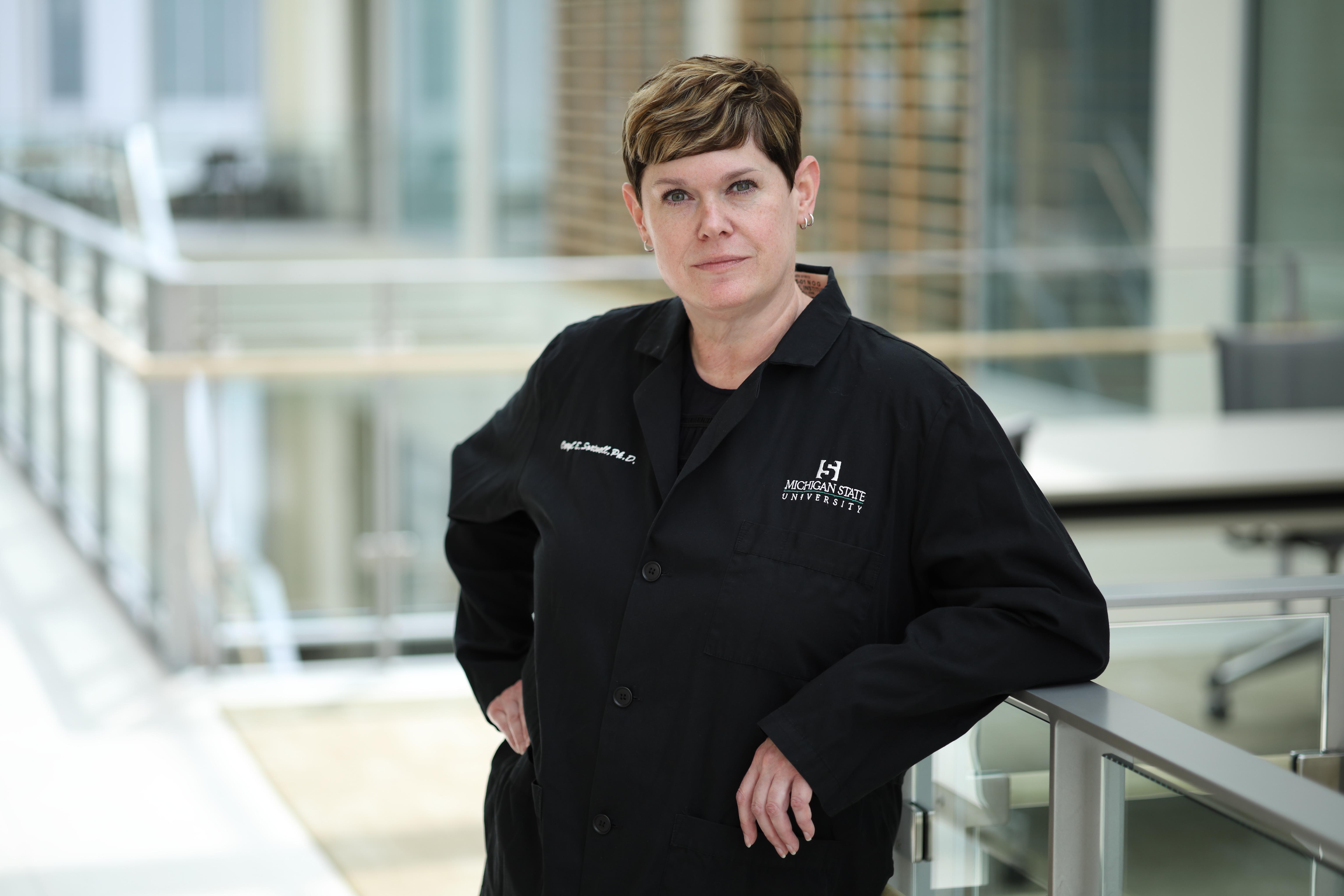
Sensing danger: Microglia as rapid responders to alpha-synuclein aggregation
Richard Wade-Martins, M.A., D.Phil.
University of Oxford
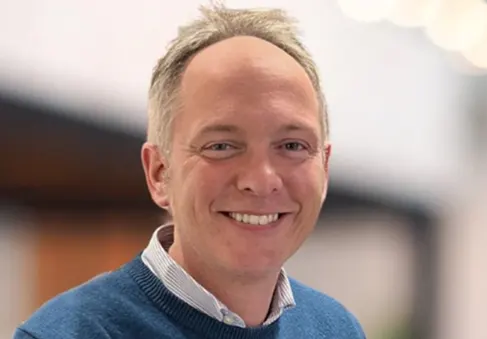
Building brain circuits in vitro: human iPSC-neurons as physiological models for Parkinson’s disease
Kelvin C. Luk, Ph.D., MTR
University of Pennsylvania

What contextual in vivo seeding models tell us about alpha-synucleinopathy progression
Abstract selected talk
Jessica Fisher
Interrogating the synaptic proteome for direct modifiers of synucleinopathy
Poster session and networking reception at VAI
Thursday, September 24, 2026
Session 4: Effects of Aggregates on Cell Biology
Welcome remarks
Van Andel Institute
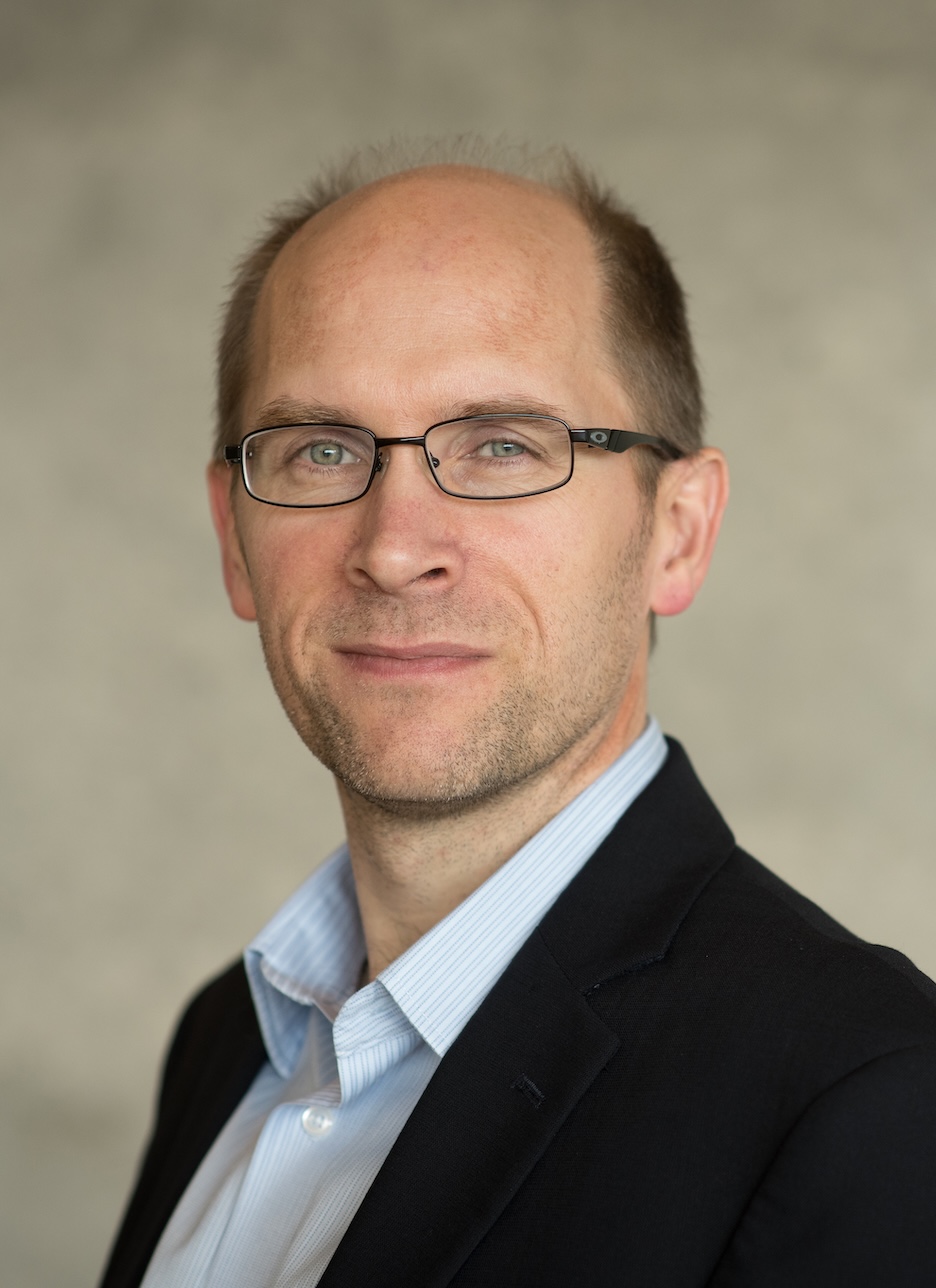
The Michael J. Fox Foundation for Parkinson’s Research
Nicole K. Polinski, Ph.D.
Grant McLoughlin
Fanni F. Geibl, M.D., Ph.D.
Philipps-Universität Marburg
Neuronal bioenergetic consequences of a-synuclein aggregation in a PFF-based mouse model
Thomas Biederer, Ph.D.
Yale School of Medicine
Temporal and spatial signatures of synaptic pathology in cortical α-synucleinopathy
Saranna Fanning, Ph.D.
Harvard Medical School and Brigham & Women’s Hospital

Approaching Parkinson’s Disease as a Fatty Acid-opathy for Therapeutic Target Identification
Abstract selected talk
Van Andel Institute
Quantitative brain banking offers new insights into neurodegenerative disease progression
Break
Session 5: Biomarkers Across the Disease Spectrum
Elpida Tsika, Ph.D.
AC Immune SA
Targeting intracellular alpha-synuclein pathology: Bridging diagnostics and therapeutics
Claudio Soto, Ph.D.
University of Texas Health Science System at Houston
Seeding as a target for diagnostic and therapeutic strategies for Parkinson’s disease: Insights from the α-synuclein SAA
Alison VanSchoiack, Ph.D.
Shape Therapeutics, Inc.
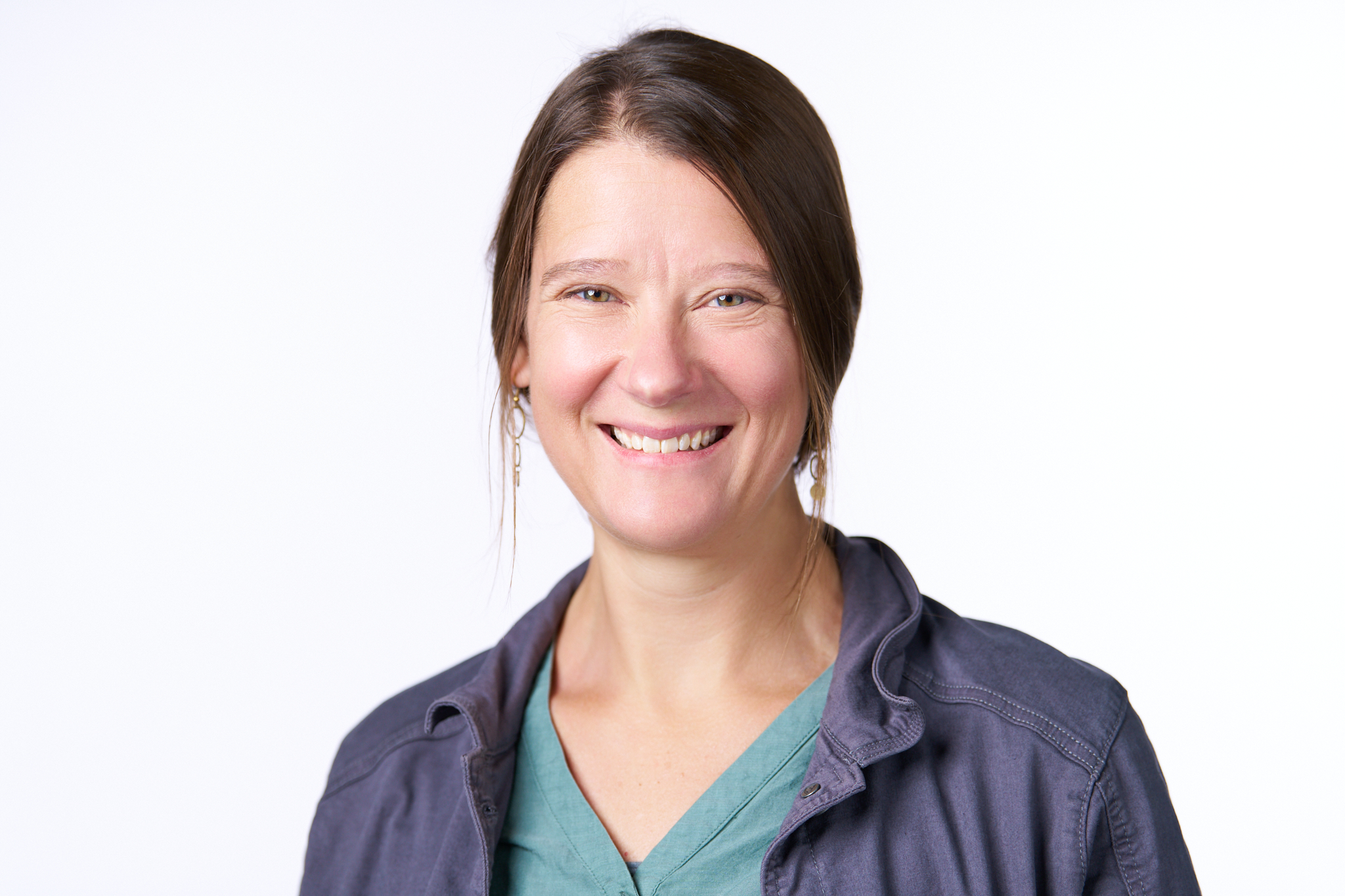
Advancing shp-201: a one-time aav-delivered rna editing therapy for durable snca suppression in parkinson’s disease
Lunch
Report from Rallying to the Challenge
Tom Isaacs Award Presentation
Session 6: Toward α-Synuclein Targeted Therapies
Session Chair: Bang-An Wang, Ph.D.
Kalpana Merchant, Ph.D.
Northwestern University; TransThera Consulting Co.

Recent advances and challenges in Parkinson’s disease biomarker research to facilitate drug development
Patrik Brundin, M.D., Ph.D.
Hoffmann-La Roche

The development of an antibody targeting aggregated alpha-synuclein (prasinezumab) as a therapy to slow the progression of Parkinson’s disease
Valina Dawson, Ph.D.
Johns Hopkins School of Medicine
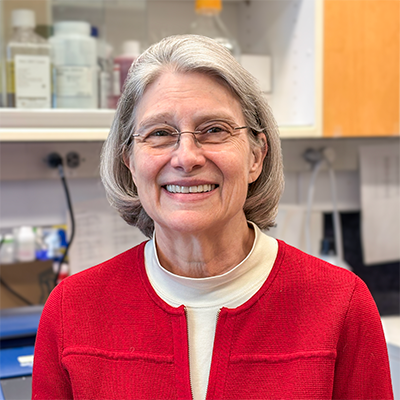
Alpha-synucleinopathy: Pathologic mechanisms direct paths to therapy
Closing remarks
Networking dinner at VAI
Director of Neuroscience, Banner Sun Health Research Institute;
Director, Arizona Study of Aging and Neurodegenerative Disorders (AZSAND);
Director, Brain and Body Donation Program
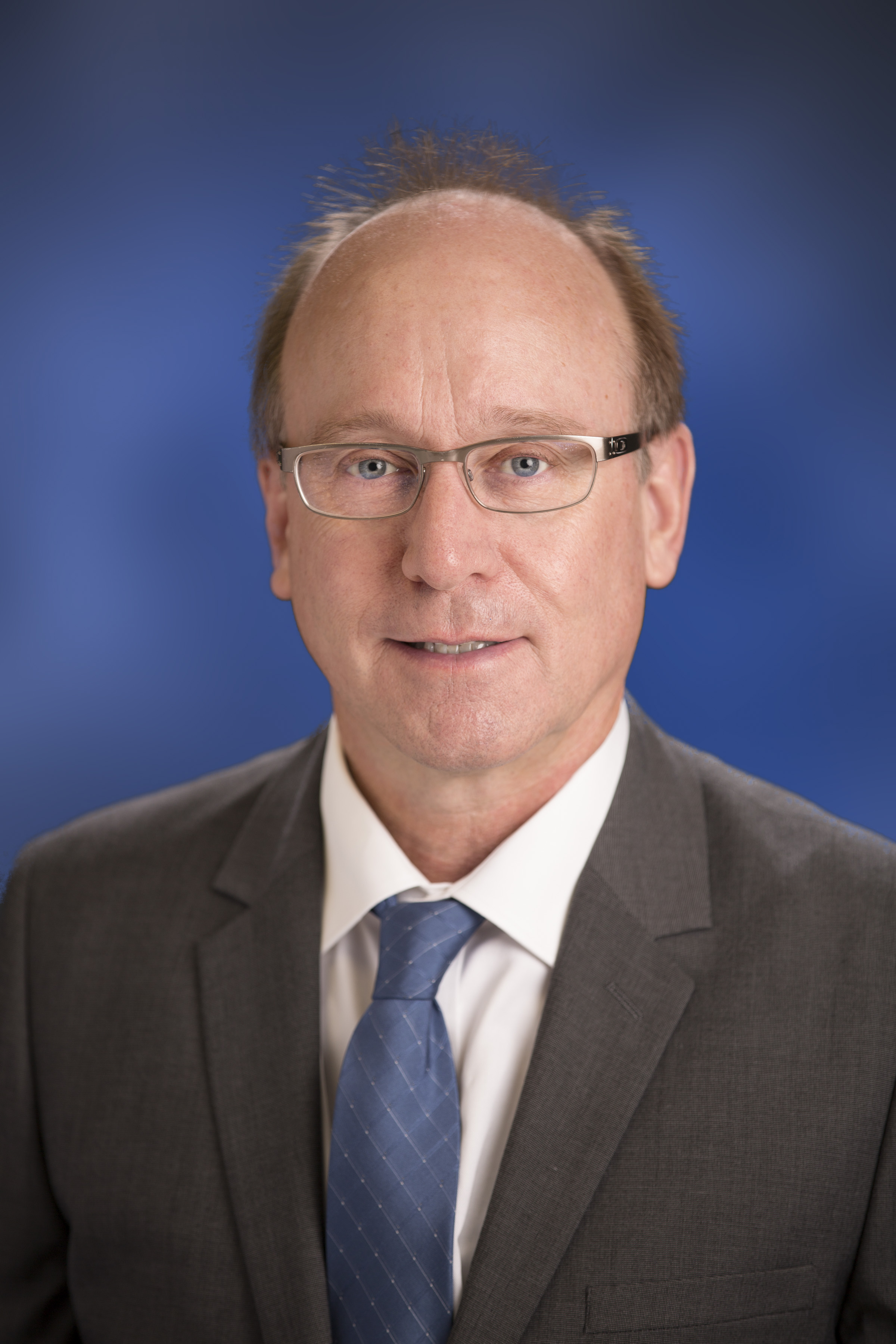
Thomas Beach is Director of Neuroscience at Banner Sun Health Research Institute (BSHRI) in Sun City, Arizona. He was trained in neuroscience and neuropathology at the University of British Columbia (UBC) and did clinical training at UBC, New York Medical College and St. Louis University. He was appointed Assistant Professor at UBC in 1993, moving to Phoenix, Arizona in 1997. Dr. Beach has been the recipient of multiple grants and awards from agencies including the National Institutes of Health, Alzheimer’s Association, the state of Arizona and the Michael J. Fox Foundation for Parkinson’s Research. He has been Neuropathology Core Leader of the Arizona Alzheimer’s Disease Center since its inception in 2001. He has been an author on more than 500 publications listed by the U.S. National Library of Medicine. Additionally, he has served industry as a consultant and as a neuropathology core leader for several imaging-to-autopsy FDA-licensing clinical trials. His research is focused on elucidating early neuropathological stages and clinical biomarkers of normal human aging, Parkinson’s disease, Alzheimer’s disease and other neurodegenerative diseases. His studies center on the structural and neurochemical changes of the human central and peripheral nervous system, through autopsy, biopsy and neuroimaging.
Professor, KU Leuven
Veerle Baekelandt, Ph.D., is a neurobiologist and full professor at the faculty of medicine of the KU Leuven in Belgium. She heads the Laboratory for Neurobiology and Gene Therapy. The general interest of the lab concerns the molecular pathogenesis of Parkinson’s disease and related disorders. The approach consists of generating novel cellular and rodent models based on genes involved in familial forms of Parkinson’s disease, with the aim to better understand the pathogenesis of the disease. The final goal is to develop causal therapeutic strategies that can cure or slow down the disease. The lab is using viral vector technology, stereotactic neurosurgery and non-invasive molecular imaging as core technologies. Her current research focuses on the role of α-synuclein aggregation in Parkinson’s disease and multiple system atrophy, on the function of LRRK2, a kinase linked to Parkinson’s disease, and on the P-type ATPases ATP13A2 (PARK9) and ATP10B in the context of the ASAP international collaborative research network project IMPACT-PD. Dr. Baekelandt is recognized internationally for the application of viral vectors in the rodent brain to model and study Parkinson’s disease. She has also contributed to groundbreaking research demonstrating a prion-like behavior of the α-synuclein protein.
Yale School of Medicine
Dr. Thomas Biederer received a Ph.D. in Cell Biology from the Humboldt-Universität zu Berlin, Germany. After postdoctoral training with Dr. Thomas Südhof at UT Southwestern in Dallas, Thomas Biederer became a faculty member at Yale University in 2003. He took a position at Tufts in 2013 before returning to Yale in 2019 to join the Department of Neurology. His current research addresses two central questions to understand the biology of synapses, the cellular structures that connect neurons into networks. First, how are new synapses formed? Second, which mechanisms control synapse maintenance and what makes them vulnerable — and resilient — in neurodegenerative disorders? To address these questions, his research group combines molecular and cellular studies with analyses of synaptic connectivity in the cortex of mouse models.
Distinguished Scientist, Therapeutic Area Leader, Pharma Research and Early Development, Hoffmann-La Roche
Dr. Brundin joined Roche in 2022, where he is Therapeutic Area Leader for Movement Disorders, leading discovery research and early development (including Phase II trials) for Parkinson’s (PD) and Huntington’s (HD) diseases. Prior to this, he was at Van Andel Institute, where he was Deputy Chief Scientific Officer and Director of the Parkinson’s Disease Center from 2012 to 2022. He earned his Ph.D. in 1988 and M.D. in 1992, both from Lund University, Sweden, where he also was a full professor 2000-2014. He is highly cited in neuroscience with more than 440 publications, mostly on PD and HD. He contributed to the development and optimization of neural transplantation technology and played a key role in pioneering clinical cell transplantation trials in PD. In addition, his team made several important contributions to the understanding of pathogenesis of HD and PD. He led the seminal discovery of Lewy pathology in grafted neurons in patients and first suggested that alpha-synuclein aggregates propagate between neurons in a prion-like manner in PD. He developed unique animal models of the spread of pathology, mimicking the brain in prodromal PD and he highlighted alpha-synuclein as a therapeutic target for disease-modifying therapies. In 2011-2022, he chaired the International Linked Clinical Trials committee, which pioneered a large program for drug repurposing in PD. He has held several research leadership roles, including being a member of the World Parkinson Coalition Board of Directors and the Michael J. Fox Foundation for Parkinson’s Research Executive Scientific Advisory Board, and advisor for Aligning Science Across Parkinson’s Research. He also served as founding co-editor-in-chief of the Journal of Parkinson’s Disease (2011-2022) and is a scientific co-founder of Acousort AB and Kenai Therapeutics (developing iPSC-based transplantation therapy for PD).
Director, Neuroregeneration and Stem Cell Programs, Institute for Cell Engineering
Professor, Departments of Neurology, Neuroscience and Physiology, Pharmacology & Therapeutics, Johns Hopkins University School of Medicine
Valina Lynn Dawson, Ph.D., is a professor of Neurology, Neuroscience, Physiology, Pharmacology and Therapeutics at Johns Hopkins University School of Medicine and director of the Neuroregeneration and Stem Cell Programs in the Institute for Cell Engineering. Trained in environmental toxicology (B.S., University of California at Davis) and pharmacology (Ph.D., University of Utah School of Medicine), she leads a multidisciplinary research program defining molecular mechanisms of neurodegeneration and translating these insights into therapies for Parkinson’s disease and related movement disorders. Her seminal work on nitric oxide and cell death pathways has informed current concepts of neurotoxicity and neuronal survival. Dr. Dawson is an internationally recognized leader in Parkinson’s disease research, with a Google Scholar h-index of 167 and repeated recognition as a Highly Cited Researcher by Web of Science and Clarivate Analytics. Her honors include the Javits Neuroscience Investigator Award, election as a Fellow of the American Association for the Advancement of Science, American Heart Association and the National Academy of Inventors, and multiple “Best Scientist” awards in neuroscience, biology, and biochemistry. She is deeply committed to training the next generation of investigators, having mentored numerous graduate students and postdoctoral fellows who now contribute to advancing therapies for Parkinson’s disease.
Assistant Professor, Neurology, Harvard Medical School and Brigham & Women’s Hospital
Saranna Fanning is an Assistant Professor in Neurology at Harvard Medical School and Brigham & Women’s Hospital. Dr. Fanning received her B.Sc. and Ph.D. degrees in Microbiology from University College Cork (UCC), Ireland, performing her doctoral research at UCC (in the lab of Prof. Douwe van Sinderen), Columbia University, NY (with Prof. Aaron Mitchell), and Carnegie Mellon University, PA. She performed her postdoctoral training in the lab of Dr. Susan Lindquist at the Whitehead Institute for Biomedical Research, MIT, MA, and Dr. Dennis Selkoe’s Lab at Harvard Medical School and Brigham & Women’s Hospital. As an Assistant Professor, her lab investigates the role of lipid metabolism in neurodegenerative diseases. She is particularly focused on identifying therapeutic targets for Parkinson’s disease (PD).
Clinician Scientist and Psychiatrist, Marburg University, Marburg, Germany
Fanni Geibl earned her M.D. from Semmelweis University in Budapest, Hungary (2016), followed by a Ph.D. in Neuroscience from University of Marburg, Germany (2019). She subsequently completed a postdoctoral training at Northwestern University in Chicago (2020-2021), where she further developed her expertise in circuit-based models of neurodegeneration.
Upon returning to Germany, she established the research group Cellular Neuropsychiatry while starting her clinical training in psychiatry. Currently, she practices as a psychiatrist in the specialized outpatient clinic for dementia and neurodegenerative disorders while leading her laboratory. As a Clinician Scientist, her work integrates mechanistic experimental neuroscience with patient-oriented clinical work, with particular focus on Lewy body dementia and related a-synucleinopathies.
Her laboratory investigates the cellular and network-level determinants of selective neuronal vulnerability and disease progression in a-synucleinopathies. Her research efforts center on mitochondrial bioenergetics, protein aggregation dynamics, neuroimmune interactions, and systemic modulators of pathology. By combining advanced in vivo disease models with direct clinical insight, her team seeks to define biologically grounded mechanisms that can inform vulnerability-targeted and disease-modifying therapeutic strategies for prodromal and manifest Lewy body disorders.
University of Sydney, National Health and Medical Research Council
Professor Glenda Halliday is a career neuroscientist specialising in neurodegeneration. She has been a Fellow of the National Health & Medical Research Council (NHMRC) since 1990 and is currently a NHMRC leadership fellow at Macquarie University and The University of Sydney. Glenda started her research in neuroscience by studying the neurochemical dopamine and its systems in a variety of animal species, including humans. Her focus on understanding the brain and its workings in people has distinguished her neuroscience career. Her research has provided the evidence base for international diagnostic criteria for neurodegenerative diseases. Recognitions include memberships to the Australian Academy of Science, and the Australian Academy of Health and Medical Sciences, and an Order of Australia, as well as through the following and other awards; Distinguished Achievement Awards 2025 International Parkinson’s & Movement Disorders Society, 2023 Australian Neuroscience Society, 2022 NSW Scientist of the year, and 2021 Robert A. Pritzker Prize for Leadership in Parkinson’s Research by the Michael J Fox Foundation.
Professor, Department of Biomedicine, Aarhus University
Interim Director, DANDRITE, Danish Research Institute of Translational Neuroscience, Aarhus University
Senior group leader and founding member, PACE – Lundbeck Foundation Parkinson’s Research Center, Aarhus University Hospital
Affiliated professor, Department of Clinical Medicine, Aarhus University & Aarhus University Hospital
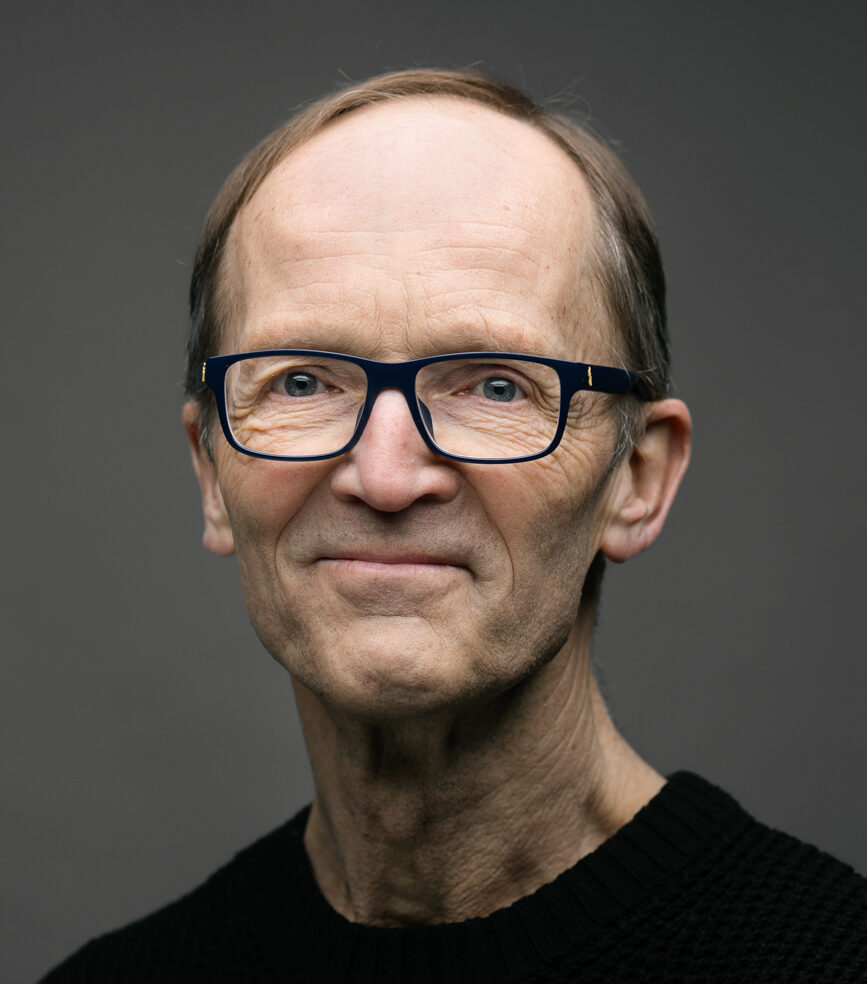
Dr. Jensen became a medical doctor from Aarhus University in 1989 and completed a medical internship from 1992-1994 at Aarhus University Hospital. He has been employed at Aarhus University since 1992. Since 2004, he has been a professor in medical biochemistry, currently at the Department of Biomedicine. He was visiting scientist in Dr. Carlos Dotti’s laboratory at European Molecular Biology Laboratory, Heidelberg, Germany, from 1997-1998. He earned a Dr. of Medical Sciences (equivalent to Ph.D.) in 1998 from Aarhus University. He served as Head of Department of Medical Biochemistry, University of Aarhus, from 2001-2011. Since 2013, he has served as core-principal investigator and founding member of DANDRITE, the Danish Center for Translation Neuroscience, a part of the EMBL Nordic Nodes in Translational Medicine, and since 2024, director hereof. In 2025, he became cofounder of SynuCa Therapeutics, which develops disease-modifying small molecules targeting Ca2+ regulating proteins.
Since 2025, he has been founding member and senior core group leader of Lundbeck Foundation Parkinson’s Disease Research Center PACE at Aarhus University Hospital, where he also is affiliated professor at the Department of Clinical Medicine at Aarhus University.
His research focus covers all areas related to a-synuclein aggregation from molecules to clinical studies with a focus on modifiable disease mechanisms and development of tools.
Dr. Jensen has published over 147 original research papers.
Professor, University of Toronto
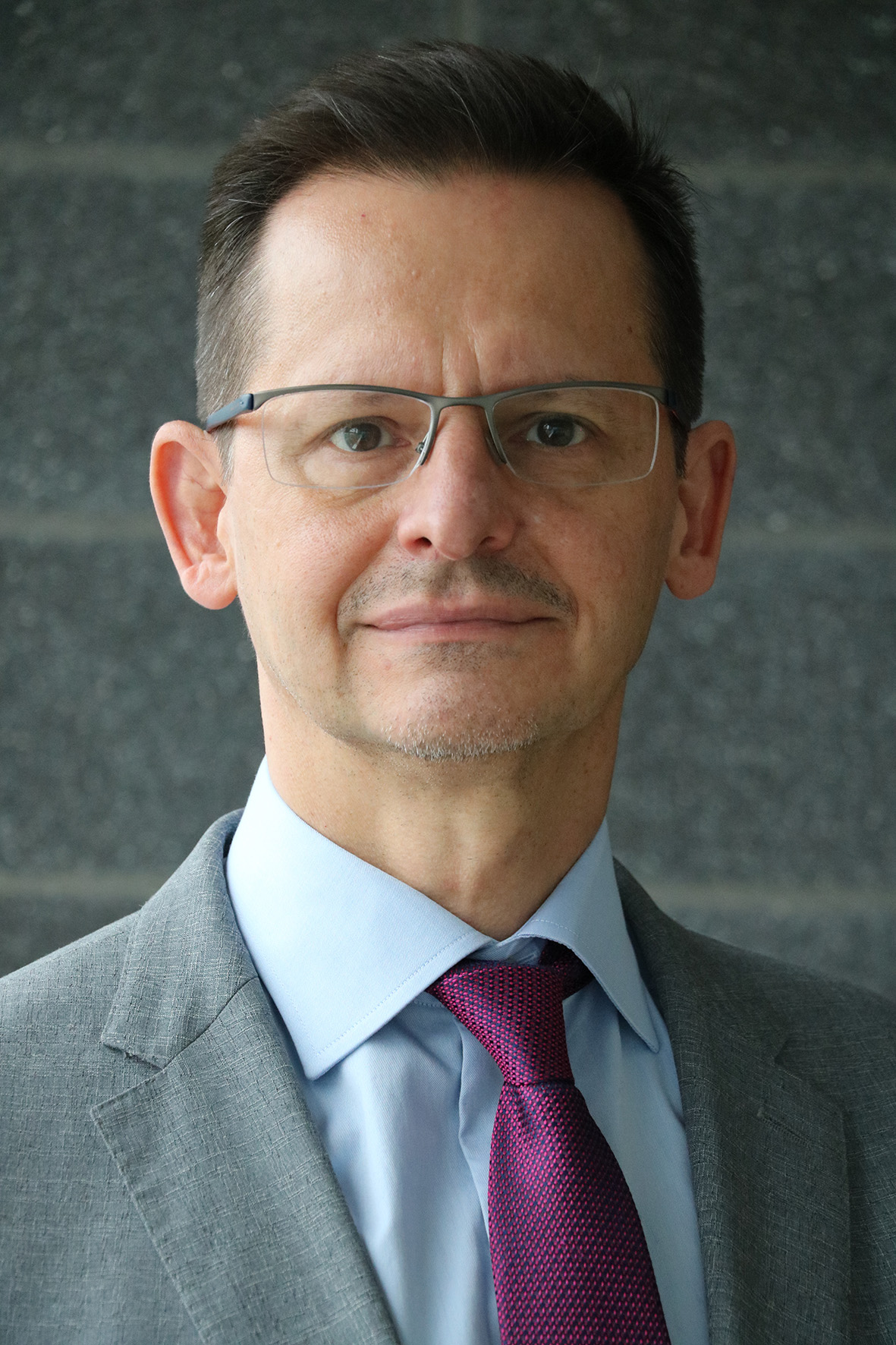
Gabor G. Kovacs, M.D., Ph.D., is Professor of Neuropathology and Neurology at the University of Toronto, Consultant Neuropathologist and Neurologist at the University Health Network, and Principal Investigator at the Tanz Centre for Research in Neurodegenerative Disease. He holds the Rossy Chair for PSP Research. Dr. Kovacs completed medical school and specialized in Neurology and Neuropathology at Semmelweis University in Budapest, Hungary, where he also earned a Ph.D. in Neuroscience. Before moving to Toronto, he was Associate Professor at the Medical University of Vienna, Austria, and led the Hungarian and Austrian surveillance programs for human prion diseases for over a decade. Dr. Kovacs’s research focuses on molecular pathological patterns underlying neurodegenerative diseases, selective neuronal vulnerability, and mechanisms of aging and neurodegeneration. His work integrates advanced molecular approaches, digital pathology and global collaborations, contributing to international consensus criteria for multiple neurodegenerative disorders, including tauopathies, TDP-43 proteinopathies and Lewy body diseases. His studies draw heavily on biobank samples and support biomarker development such as seed amplification assays. Dr. Kovacs has published over 400 peer-reviewed papers and edited major neuropathology textbooks, including the latest edition of Greenfield’s Neuropathology.
University of Pennsylvania
Dr. Luk is currently an Associate Professor of Pathology and Laboratory Medicine at the University of Pennsylvania and Associate Director of the Center for Neurodegenerative Disease Research. His research examines the relationship between the formation of alpha-synuclein pathology that occurs in Parkinson’s disease (PD), Lewy body dementia (LBD), multiple system atrophy (MSA), and its role in dysfunction and progressive degeneration. Using a multidisciplinary approach spanning in vitro, cell-based, and in vivo models, his team has been interrogating the mechanisms by which misfolded forms of this protein act as pathological agents that self-propagate and spread throughout the CNS. The group is also leveraging this knowledgebase through organic and collaborative research to understand factors that trigger synucleinopathy and influence its progression, as well as for evaluating novel therapeutic strategies for alpha-synucleinopathies. Dr. Luk received his B.Sc. (Microbiology and Immunology) and Ph.D. (Pathology) from McGill University. He completed his postdoctoral training at the University of Pennsylvania, under the mentorship of Dr. Virginia Lee. He obtained a Masters in Translational Research from Penn.
Adjunct Professor of Neurology, Northwestern University
Founder, President and CSO, TransThera Consulting Co.
Kalpana Merchant is a translational neuroscientist with over 30 years of experience in drug discovery and development for neurological disorders. She retired from Eli Lilly as Chief Scientific Officer for Tailored Therapeutics–Neuroscience. Prior to Lilly, she spent a decade in neuroscience research at Upjohn/Pharmacia/Pfizer. Kalpana has co-founded biopharma companies and served as Chief Executive/Chief Scientific Officer at start-up companies. Currently, she serves on Boards of Directors, Scientific Advisory Boards and as a consultant in the biopharma sector. She is an Adjunct Professor of Neurology at Northwestern University. She has been an advisor to the Michael J. Fox Foundation for Parkinson’s research for nearly 20 years and serves on the executive steering committee for the Parkinson’s Progression Markers Initiative. She has been appointed to the Oregon Innovation Council, serves as a trustee of the Portland Community College Foundation and has served on advisory boards/council at the National Institutes of Health. She earned her Ph.D. from the University of Utah and held faculty roles at the University of Washington.
Adjunct Assistant Professor, Institute for Neurodegenerative Diseases, University of California, San Francisco
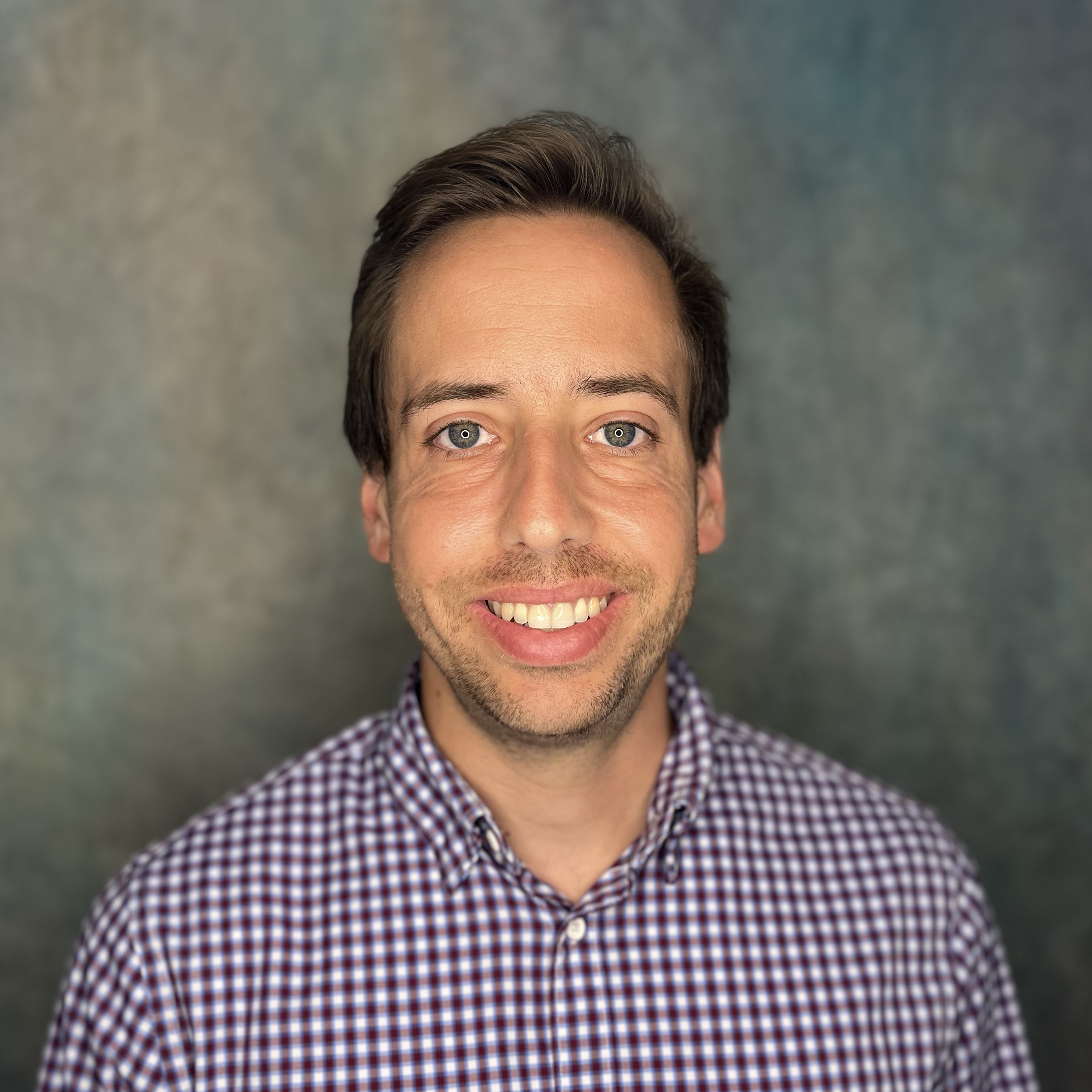
Dr. Merz is an adjunct assistant professor in the Institute for Neurodegenerative Diseases (IND) at UCSF. His group uses cryo-electron microscopy (cryo-EM) and cryo-electron tomography (cryo-ET) to solve atomic-resolution structures of amyloid filaments formed in patients with neurodegenerative diseases and in animal and cellular systems used to model those diseases. Dr. Merz also focuses on small molecule binding to amyloids, and recently was the first to describe a novel small molecule-protein interaction in which aromatic small molecules bound to amyloid filaments “tilt” to simultaneous satisfy the translational requirements of binding while also stacking to form highly favorable ligand-ligand pi-pi interactions. This motif holds promise for the design and development of diagnostics and therapeutics to treat neurodegeneration. His group has also discovered novel folds of both tau and alpha-synuclein in filaments purified from patients with familial FTDs and MSA. Prior to his faculty appointment at UCSF, Dr. Merz was a postdoc at UCSF working jointly with Dr. Dan Southworth and Dr. Stanely Prusiner. He obtained his Ph.D. in chemistry and chemical biology from Cornell University, under advisor Dr. Brian Crane, where he focused on other structural and spectroscopic techniques, including x-ray crystallography and electron paramagnetic resonance.
Professor and Associate Chair, Department of Translational Neuroscience, Michigan State University
Caryl Sortwell is Professor, Associate Chair and Edwin A. Brophy Endowed Chair in Central Nervous System Disorders in the Department of Translational Neuroscience at Michigan State University College of Human Medicine Campus in Grand Rapids, Michigan. She received her B.S. in Psychology from the University of Illinois at Champaign-Urbana in 1987 and her Ph.D. in Anatomy and Cell Biology in 1994 from the University of Illinois at Chicago. Caryl studies the consequences of alpha-synuclein inclusions on neuronal function and neuroinflammation, and investigates therapeutic approaches to reverse or slow these consequences. Caryl is committed to the development of quality processes to improve predoctoral and postdoctoral mentoring. Outside of the lab, she enjoys spending time with her family, poodles and horses.
Huffington Distinguished University Chair, Professor of Neurology, Director of the Mitchell Center for Alzheimer’s Disease and Related Brain Disorders, University of Texas Health Science Center at Houston
Dr. Soto is the Huffington Distinguished University Chair, Professor of Neurology and Director of the Mitchell Center for Alzheimer’s Disease and Related Brain Disorders at The University of Texas Health Science Center at Houston, McGovern Medical School. He is also the Founder and Chief Scientific Officer of Amprion Inc. He received his Ph.D. in biochemistry and molecular biology from the University of Chile in 1993 and was a postdoctoral fellow at the Catholic University of Chile and at the New York University School of Medicine, where he became an assistant professor of research in 1995. Between 1999 and 2003, Dr. Soto was Senior Scientist, Chairman of the Department of Molecular Neurobiology and Senior Executive Scientific Advisor for Neurobiology at Serono International in Switzerland. Between 2003 and 2008, he served as Director of the George and Cynthia Mitchell Center for Neurodegenerative Diseases at the University of Texas Medical Branch in Galveston.
Dr. Soto has been working in the field of neurodegenerative diseases, in particular in Alzheimer’s, Parkinson’s and prion diseases for the past 30 years and has made several important discoveries both to the basic science understanding of these diseases and to the translation of this knowledge into novel strategies for treatment and early diagnosis. He invented and developed the Protein Misfolding Cyclic Amplification (PMCA) and the Seed Amplification Assay (SAA) technologies for ultra-sensitive detection of misfolded proteins and beta-sheet breaker approach to produce therapeutic compounds for various protein misfolding disorders. He also contributed to understanding that protein misfolding diseases have the intrinsic ability to be transmissible and that misfolded protein aggregates can adopt alternative conformations, usually referred to as conformational strains. Also, he has been studying the use of induced pluripotent stem cells for regenerative therapy as well as developing novel cellular (including 3D cerebral organoids) and animal models of these diseases. Dr. Soto has published more than 250 peer review publications, which have been cited more than 40,000 times (H index 98). According to Google scholar, 99 articles have >100 citations, 59 >200, 16 >500 and 6 have >1000. Dr. Soto has received >$60 million dollars funding from NIH and private foundations over the past 20 years.
Group Leader Synuclein Biology, AC Immune SA
Professor of Cellular Neurodegeneration and Parkinson’s Disease, Amsterdam UMC, Vrije University
Wilma D.J. Van de Berg is a professor in cellular neurodegeneration and Parkinson’s disease at Amsterdam UMC, Vrije University, Amsterdam. She is a cellular neuroscientist, neuroanatomist, head of the research section Clinical Neuroanatomy and Biobanking, member of the steering committee of the Amsterdam Parkinson and Movement Disorders Center and leader of the program Neurodegeneration at the Amsterdam Neuroscience Institute. She is an expert in multiscale high-end microscopy of human brain tissue and focuses on understanding α-synuclein cellular biology and lysosomal dysfunction in Parkinson’s disease and related neurodegenerative disorders. She is a founder and director of the Normal Aging Brain Collection Amsterdam (NABCA) and leads the longitudinal multicenter cohort study “Profiling Parkinson’s’”(ProPARK) and Netherlands Parkinson cohort (NPC) biobank. She is involved in several international initiatives (PD-RISK, GP2, QSYN, ASAP) to improve early diagnostics and develop therapeutic strategies to slow down Parkinson’s. She is the president of the Dutch Parkinson’s Disease Association and member of the executive board of the Parkinsonalliance Netherlands.
Senior Director, Pipeline Research, Shape Therapeutics
Dr. Alison VanSchoiack is Senior Director of Pipeline Research at Shape Therapeutics, where she leads the company’s disease biology strategy and preclinical neuroscience pipeline to support the development of innovative RNA-based gene therapies. Alison heads a multidisciplinary team advancing Shape’s flagship program in Parkinson’s disease, SHP-201, toward clinical development. As a neuroscientist with more than 20 years of experience in translational research, Alison has deep expertise in neurodegenerative disease biology, disease modeling and preclinical drug development. Her work focuses on translating discoveries in new drug and disease mechanisms into breakthrough therapeutic strategies, guiding programs from early discovery through IND-enabling studies.
Alison earned her B.A. in Psychobiology with honors from Occidental College and her Ph.D. in Neuroscience from Arizona State University.
Shape Therapeutics is leveraging AI to develop new payload, delivery and manufacturing technologies for the gene therapy industry. The company’s lead program, SHP-201, is a novel disease-modifying AAV therapy designed to reduce alpha-synuclein expression for the treatment of Parkinson’s disease.
University of Oxford
Poster abstracts should be submitted during registration, which will open in spring 2026. For questions or to be added to our email list, please contact Courtney Zirkle.
Eligibility
Students, postdoctoral fellows, faculty and research staff are welcome to submit an abstract. If the number of submitted poster abstracts exceeds the space, the organizers will select the abstracts that are most relevant to the conference theme.
Abstract format
Submitted abstracts should represent original research. The title should be brief and descriptive, and the body should include rationale, methods and results. Please prepare abstracts using the below template.
Abstract submission
Poster abstracts should be submitted during the registration process.
Questions?
Questions regarding abstract submission, posters, or the poster session can be directed to Courtney Zirkle.
TITLE OF ABSTRACT IN ALL CAPS (STYLE = TITLE)
Presenting Author1,2, Other Author1, and Last Author1,3(Style = Authors)
1First Dept., Institution, City, State, Country, 2Second Dept., Institution, City, State, Country, and 3Last Dept., Institution, City, State, Country (Style = Affiliations)
Body of abstract using 300 words or less. Define each abbreviation at first use. All fonts should be Arial, 11 pt. and text should be single-spaced. Once you have filled in this template, choose File>Save As and save your file as a Word document (.doc or .docx) with the filename lastname_abstract. (Style = Body)
EXAMPLE
THE ROLE OF A-SYNUCLEIN IN PARKINSON’S DISEASE PATHOLOGY
Joe Smith1
1Department of Neurodegenerative Science, Van Andel Institute, Grand Rapids, MI, United States
The pathological hallmark of Parkinson’s disease (PD) is protein-rich, intraneuronal inclusions known as Lewy bodies and Lewy neurites, which primarily comprise aggregates of misfolded a-synuclein (a-syn) protein. Recent studies suggest…
Jay Van Andel Award for Outstanding Achievement in Parkinson’s Disease Research
The Jay Van Andel Award for Outstanding Achievement in Parkinson’s Disease Research was established in 2012 in memory of Van Andel Institute founder Jay Van Andel, who battled Parkinson’s disease for a decade before his death in 2004. The award is given to scientists who have made outstanding contributions to Parkinson’s disease research and who have positively impacted human health.
About Jay Van Andel
Entrepreneur and philanthropist Jay Van Andel, perhaps best known as the co-founder of Amway, founded Van Andel Institute in 1996 with his wife Betty. Mr. Van Andel saw opportunity in the landscape of his hometown of Grand Rapids, Michigan, and imagined a thriving center for biomedical research, health care and the life sciences industry. He forged ahead in pursuing this dream despite his diagnosis of Parkinson’s, which eventually took his life in 2004.
In his autobiography, An Enterprising Life, Mr. Van Andel wrote, “Research into the causes and potential cures for Alzheimer’s, Parkinson’s, and other diseases is promising but requires much more support…I hope that my own contributions to medical research will be followed by increased support from other entrepreneurs, charitable foundations, and concerned individuals.”
Past Winners
2025 — J. Timothy Greenamyre, M.D., Ph.D.
2024 — Anders Björklund, M.D., Ph.D.
2023 — Virginia Y.M. Lee, Ph.D.
2022 — Anthony E. Lang, O.C., M.D., FRCPC, FAAN, FCAHS, FRSC
2021 — Ted Dawson, M.D., Ph.D.
2020 — Daniela Berg, M.D., and Ron Postuma, M.D., M.Sc.
2019 — Ellen Sidransky, M.D.
2018 — K. Ray Chaudhuri, M.D., FRCP, D.Sc.
2017 — J. William Langston, M.D.
2016 — Stanley Fahn, M.D.
2015 — Robert Nussbaum, M.D., and Maria Grazia Spillantini, Ph.D., FMedSci, FRS
2014 — Andrew John Lees, M.D., FRCP, FMedSci
2013 — Alim-Louis Benabid, M.D., Ph.D.
2012 — Andrew Singleton, Ph.D.
Thank you to our incredible 2026 sponsors!
When is the Grand Challenges in Parkinson’s Disease symposium and Rallying to the Challenge meeting? How much do they cost?
Grand Challenges in Parkinson’s Disease and Rallying to the Challenge will take place Sept. 23–24, 2026. Registration will open in spring 2026 and close in September 2026.
- $50 for trainees (graduate students and postdoctoral fellows)
- $50 for people with Parkinson’s and care partners
- $100 for non-trainees
Are there any evening events I can attend?
Yes! All attendees are invited to evening receptions on Sept. 23 and 24 at VAI. The poster session will take place during the Sept. 23 reception. Both events are included with your registration.
What if I need other accommodations?
Please contact Courtney Zirkle to discuss any special accommodation needs. Complimentary valet parking will be available at the main entrance of VAI.
How do I become a sponsor?
Please contact Courtney Zirkle for more information on sponsorship opportunities.
When is the abstract deadline?
The abstract submission deadline for the poster session is Sept. 9, 2026.
When is the registration deadline for Grand Challenges in Parkinson’s Disease and Rallying to the Challenge?
The registration deadline is Sept. 16, 2026.
When is the refund deadline?
The refund deadline is Sept. 16, 2026.
What is the refund policy?
Refund requests must be made in writing to Grand Challenges in Parkinson’s Disease by Sept. 16, 2026. After Sept. 16, refund requests will not be honored. If you are not able to attend, a substitute may attend in your place. The name and email address of the substitute must be emailed to Courtney Zirkle prior to Sept. 16, 2026.
Code of Conduct Guidelines
We are dedicated to providing a harassment-free, non-discriminatory symposium experience for all participants, regardless of race, color, national origin, religion, sex, age, disability, pregnancy, height, weight, marital status, veteran status, sexual orientation, gender identity, or other personal characteristics covered by applicable law. We will not tolerate harassment of conference participants in any form. We expect participants at our events to engage in constructive and professional discussions at all times. Harassment can include unwelcomed attention, inappropriate comments or jokes that refer to sexual topics, requests for dates, or other sexual activities as well as the use of language that may demean or degrade individuals. These behaviors are not appropriate for any of our conference venues, including talks, workshops, networking sessions, poster sessions, social networking platforms, and other online media platforms. Any participant violating these guidelines will be removed from the symposium at the discretion of the conference organizers.
Anyone who has experienced the above, or who has witnessed such behavior, should notify Courtney Zirkle. Anonymous reporting may also be done through the EthicsPoint Hotline.
Associate Professor, Department of Neurodegenerative Science, Van Andel Institute
Dr. Michael Henderson investigates why some neurons and brain circuits are resilient while others are vulnerable to diseases like Parkinson’s, Alzheimer’s and dementia with Lewy bodies. By uncovering the factors behind these differences, he aims to identify new opportunities to prevent or slow disease progression.
Jay Van Andel Endowed Chair in Parkinson’s Disease Research
Chair, Department of Neurodegenerative Science
Van Andel Institute
Dr. Darren Moore seeks new diagnostic and treatment approaches for Parkinson’s by investigating genetic risk factors and a range of inherited forms of the disease, which comprise 5% to 10% of cases. He aims to translate the understanding of these genetic mutations and risk factors into new disease-modifying treatments and biomarkers for Parkinson’s, both inherited and sporadic forms. Discoveries from Dr. Moore’s lab routinely elucidate the faulty molecular interactions that transform healthy, functioning neurons into diseased ones.
Assistant Professor, Department of Structural Biology, Van Andel Institute
Dr. Yang Yang employs the latest imaging technologies to illuminate new insights into neurodegenerative diseases such as Parkinson’s and Alzheimer’s. Her research has revealed the structures of critical disease-related protein filaments — an important step toward developing improved treatments.
Event Details

Contact Info:
Email: Courtney Zirkle
Thanks to our wonderful sponsors!
Presenting Sponsor

Supporting Sponsors


Community Sponsors