
What is vitamin C and why are cancer researchers interested in it?
September 21, 2026
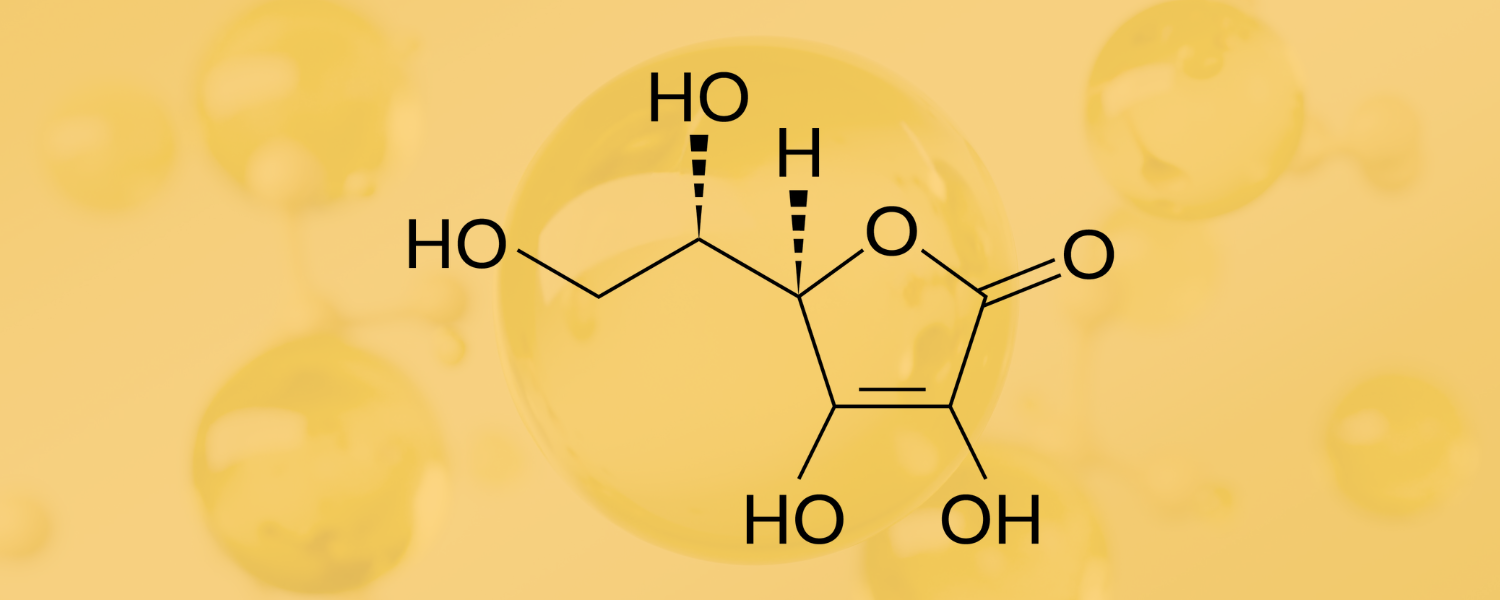
What comes to mind when you think of vitamin C?
For many people, it’s citrus fruits like oranges or supplements taken to support the immune system.
Both are good answers, but they don’t tell the whole story. Vitamin C also supports healthy cell function, promotes wound healing and even helps regulate our genes.1
Here’s a look at what we know about vitamin C — and what scientists are still working to understand.
What is vitamin C?
Vitamin C (ascorbic acid) is an essential nutrient that supports many different functions in the body.1 Unlike most other mammals, humans cannot make our own vitamin C.1 Instead, we get it by eating foods like citrus fruits and certain vegetables, including broccoli, leafy greens and bell peppers.
What does vitamin C do in the body?
Vitamin C is involved in several important processes that support human health.
- Immune system: Vitamin C is a powerful antioxidant that protects immune cells from damage by unstable molecules called free radicals.1 Vitamin C also helps reduce excessive inflammation that can harm tissues.1
- Collagen production: Collagen is a protein that provides strength and structure to skin, bones and most other tissues in the body.2 Vitamin C is a necessary part of collagen production, helping to heal wounds and maintain the health of skin and joints.2
- Gene regulation: Genes are sections of DNA that contain the instructions cells use to grow, function and repair themselves.3 Their activity is regulated by a process called DNA methylation, which controls when the instructions in genes are used and when they are not.4 Problems with DNA methylation have been linked to many different diseases, including cancer.
Vitamin C supports gene regulation by teaming up with an enzyme called TET to manage DNA methylation.5 Specifically, vitamin C helps TET activate genes that suppress cancer development.5
Learn more about DNA methylation and epigenetics ➔
Can vitamin C prevent or cure colds?
Research shows that vitamin C does not cure colds and that it is unlikely to prevent them in most people. However, evidence suggests that regular vitamin C intake may slightly reduce the severity and duration of cold symptoms.6
What does research say about vitamin C and cancer?
Vitamin C is not a cure for cancer, but research suggests it may have a role to play in therapeutic strategies for pre-cancerous blood disorders and certain cancers.
Several lab and clinical studies, including work by the Van Andel Institute–Stand Up To Cancer® Epigenetics Dream Team, have found that vitamin C may prevent some cellular changes that contribute to blood cancer development.7
Although these findings are promising, more research is needed to determine vitamin C’s effects, how it might be used in cancer care, which cancers may respond best and when it will be most effective.
This blog post is intended for informational use only. All medical decisions should be made in consultation with a healthcare provider.
Sources
1 National Institutes of Health. 2021, March 26. Vitamin C — Health Professional.
2 Cleveland Clinic. 2022, May 23. Collagen.
3 Medline Plus. 2024, May 21. What is a gene?
4 Jin B, Li Y, Robertson KD. 2011. DNA methylation. Genes Cancer. 2(6):607–617.
5 Yue X, Rao A. 2020. TET family dioxygenases and the TET activator vitamin C in immune responses and cancer. Blood 136(12):1394 –1401.
6 Medline Plus. 2024, Feb. 8. Vitamin C and colds.
7 Liu M, Ohtani H, Zhou W, Ørskov AD, Charlet J, Zhang YW, Shen H, Baylin SB, Liang G, Grønbæk K, Jones PA. 2016. Vitamin C increases viral mimicry induced by 5-aza-2’-deoxycytidine. Proc Natl Acad Sci U S A 113(37).