
2026 Neurodegeneration Summit
The 2026 Neurodegeneration Summit will highlight research conducted by graduate students and postdoctoral fellows at Van Andel Institute and Michigan State University. It will feature trainee talks, a poster session and ample networking opportunities.
Graduate students and postdoctoral fellows will have the opportunity to be considered for an oral presentation. Please indicate if you would like to be considered for an oral presentation during the registration process. The deadline to submit an abstract for consideration is March 10.
This event is open only to VAI and MSU faculty, trainees, and staff. For more information on VAI’s other scientific events, please visit our Events page or contact Allison Baker to be added to our email list.
Wednesday, April 15, 2026
Breakfast and registration
Session 1
Chair: Yakum Benard Mingo
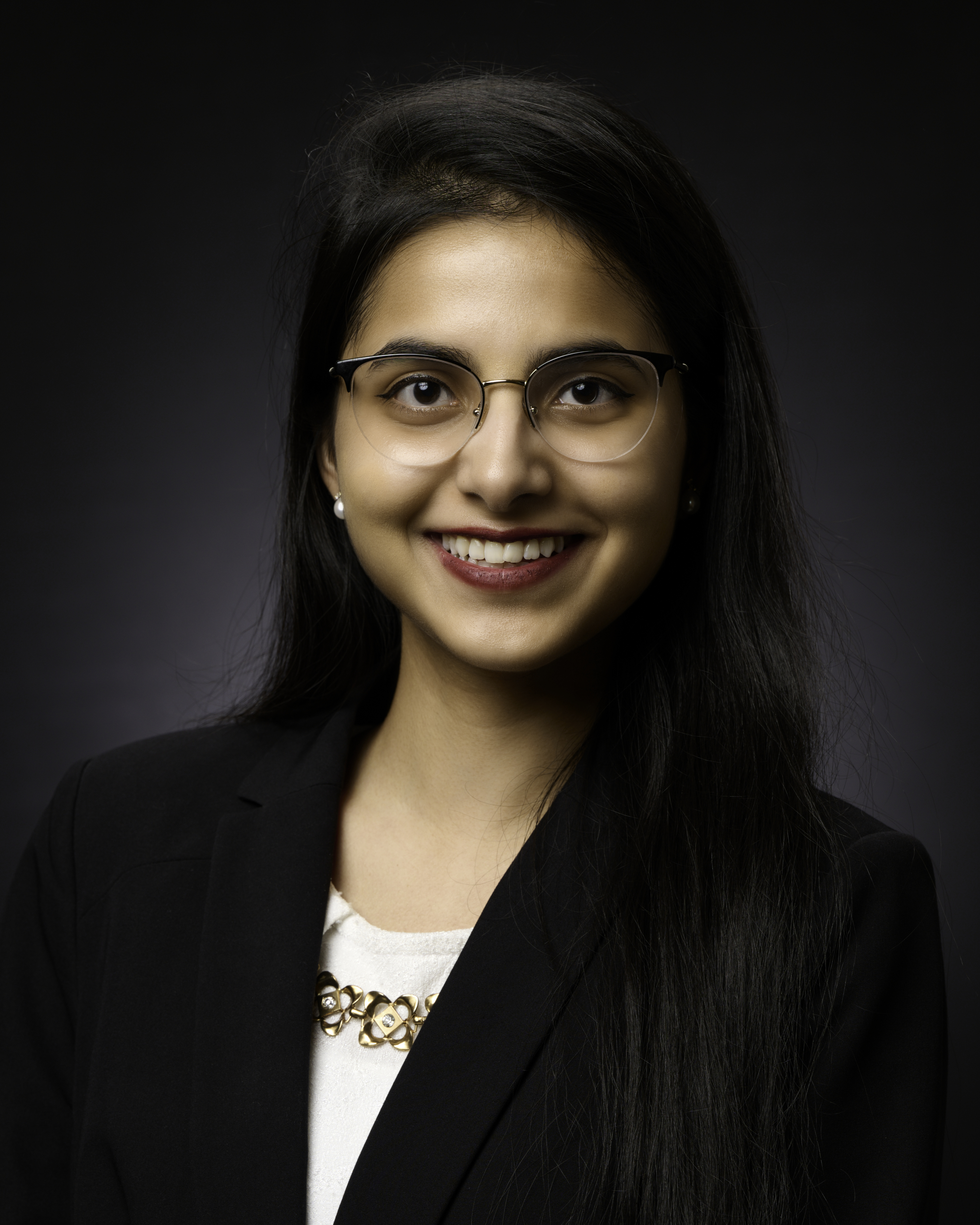
Moumita Hore, B.S.
Michigan State University
Impact of Lewy body and amyloid plaque co-pathology on neuroinflammation and neurodegeneration
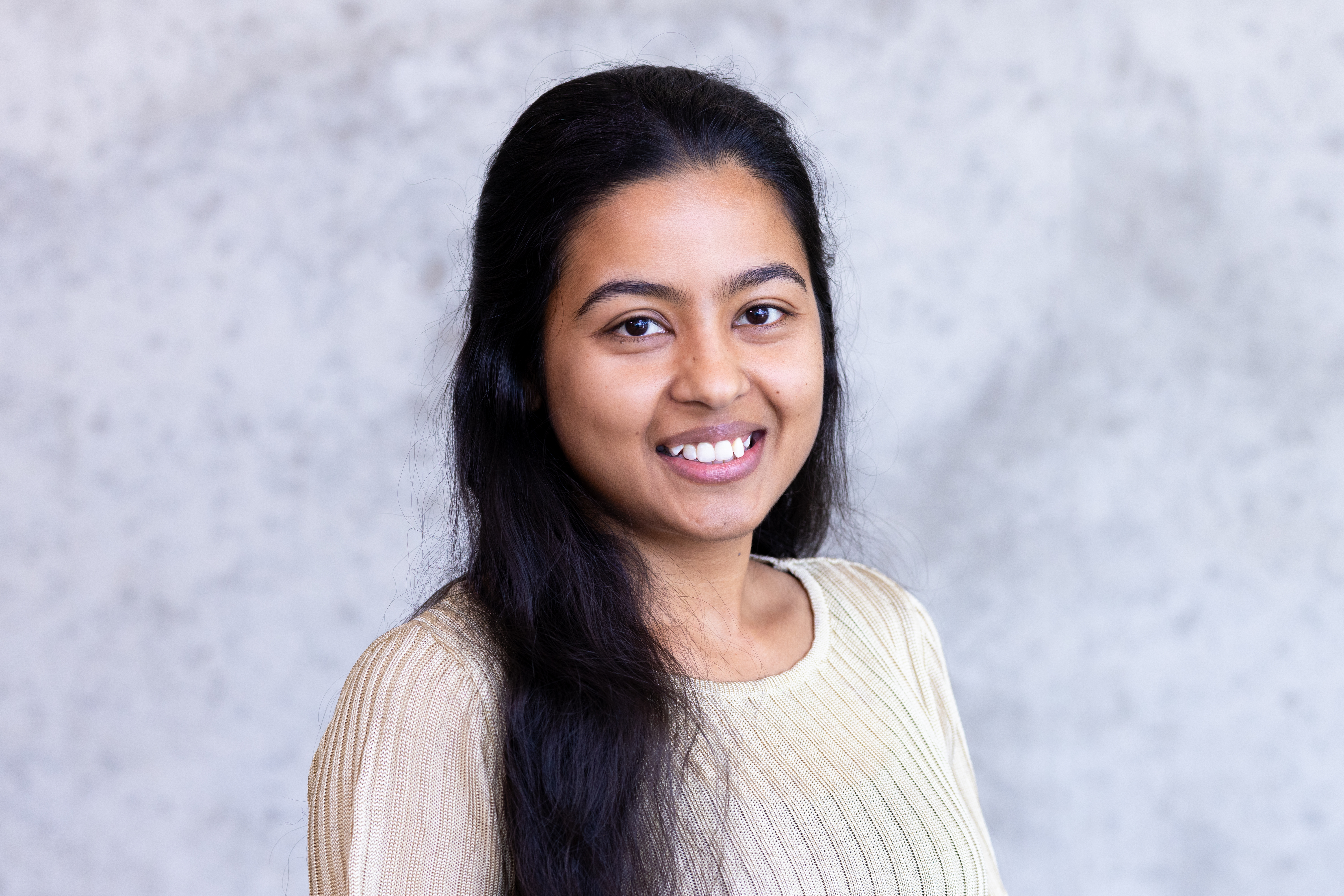
Aastha Singh, Ph.D.
Van Andel Institute
Decoding neuronal vulnerability to α-synuclein pathology
Coffee break
Session 2
Chair: Marco A. Perez
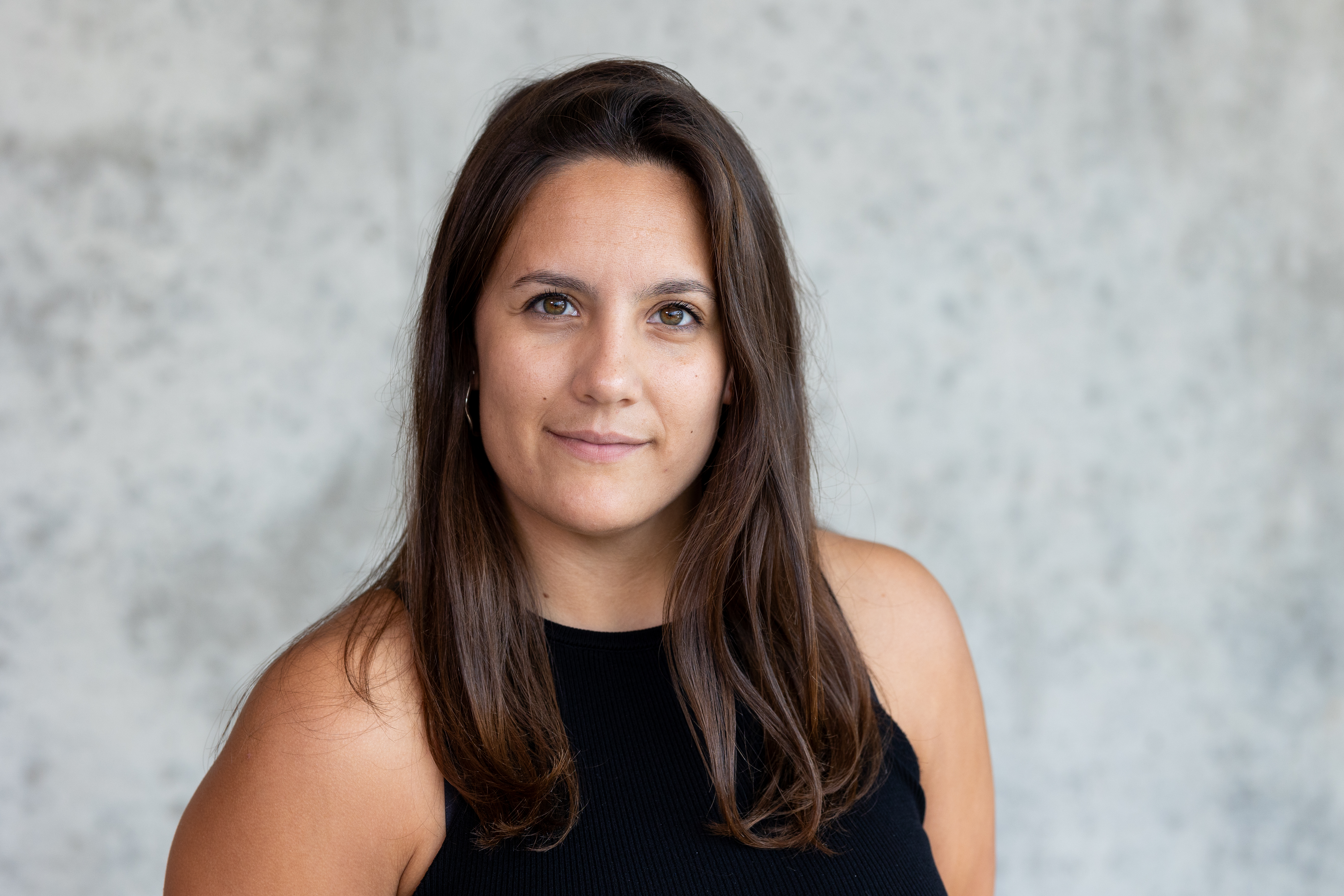
Vera M. Masegosa, Ph.D.
Van Andel Institute
Immune and metabolic alterations in C9orf72-deficient myeloid cells
Lindsey Sime
Michigan State University
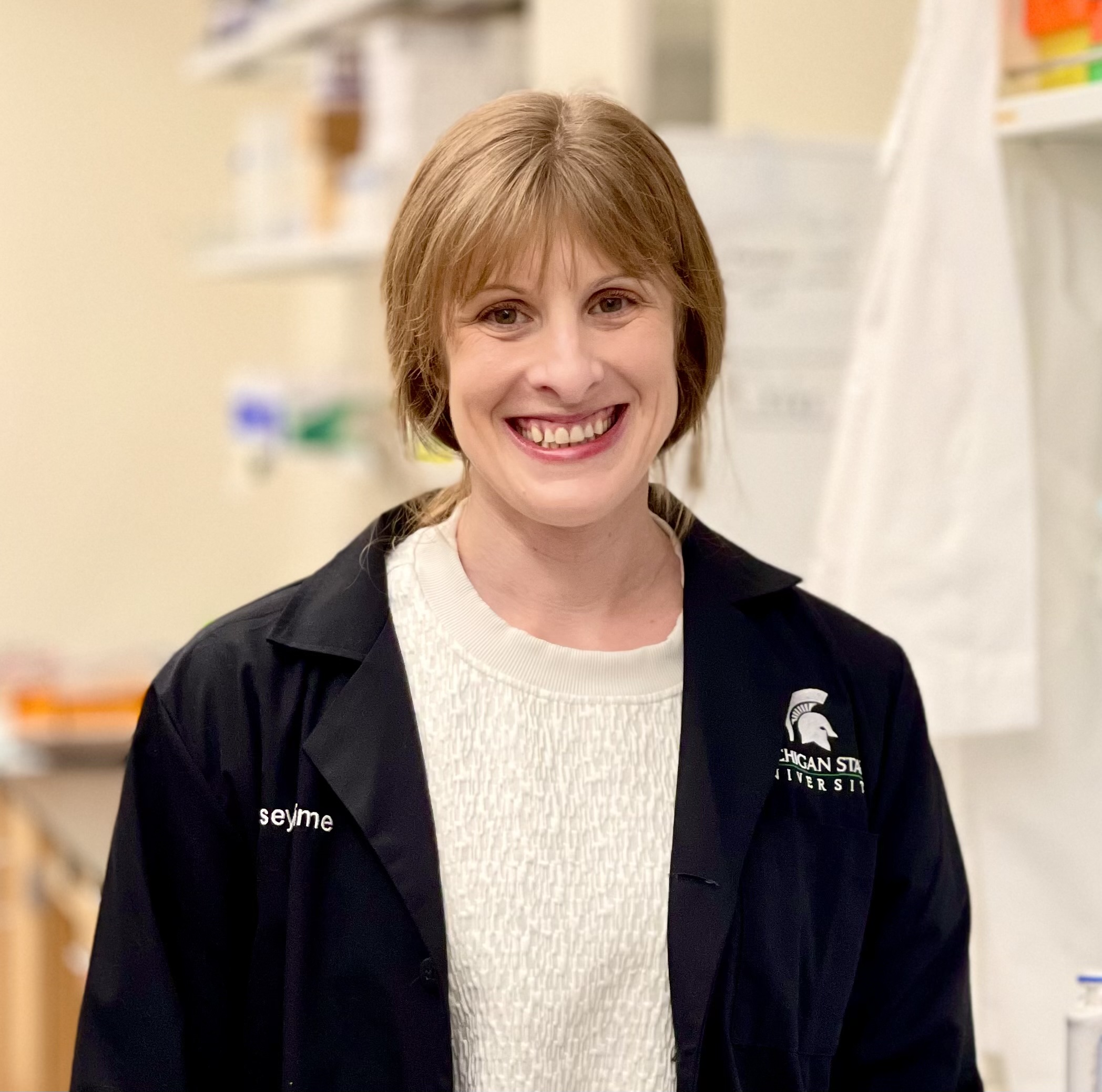
CSF1R inhibitors as a tool to explore microglial phenotypes in aging and amyloid-enhanced tauopathy
Coffee break
Session 3
Chair: Napissara Boonpraman, Ph.D.
Vanessa Howland
Van Andel Institute
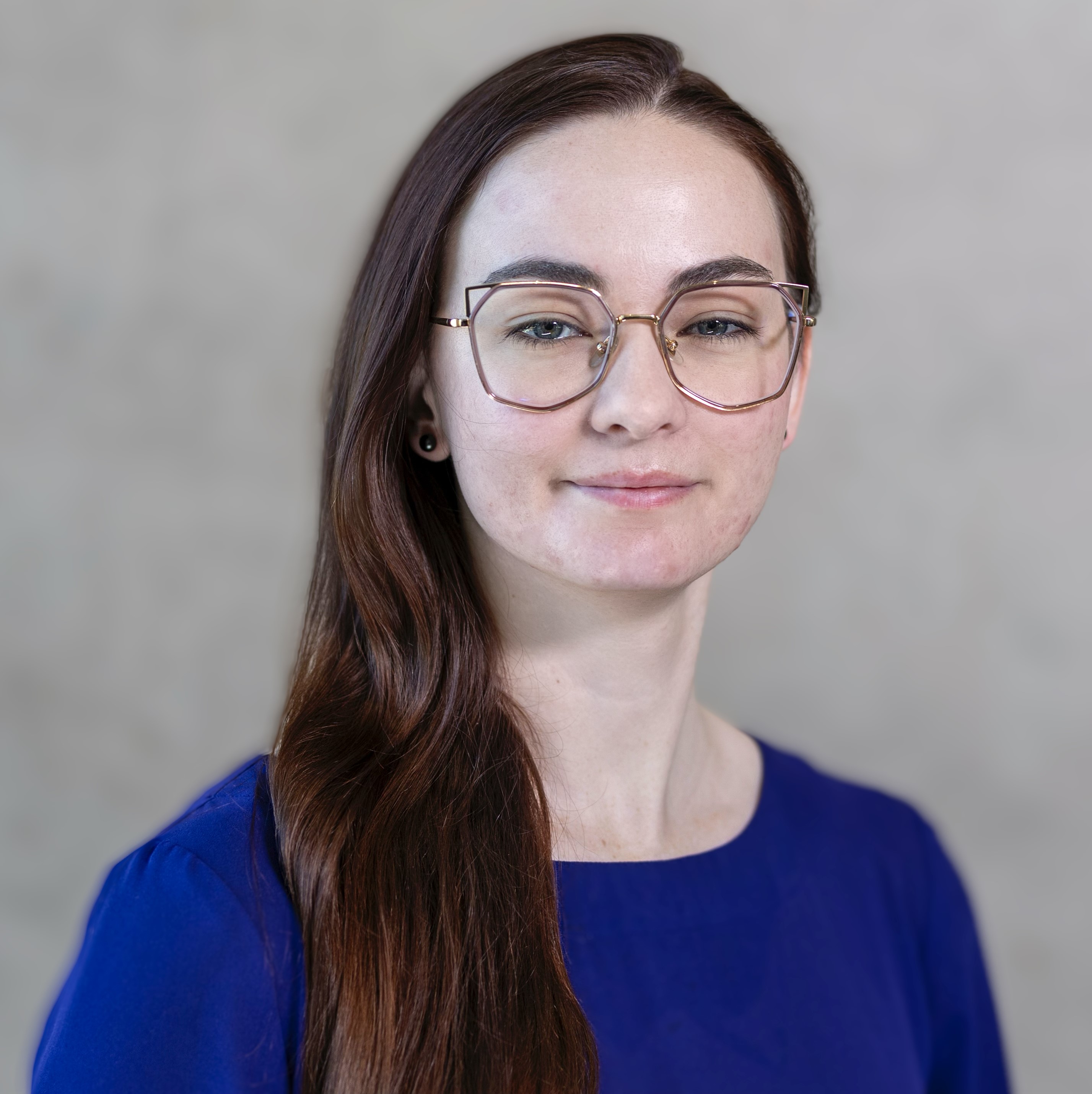
A double take on TMEM230: Delineating gain- and loss-of-function mechanisms in models of Parkinson’s disease
Dylan Finneran, Ph.D.
Michigan State University
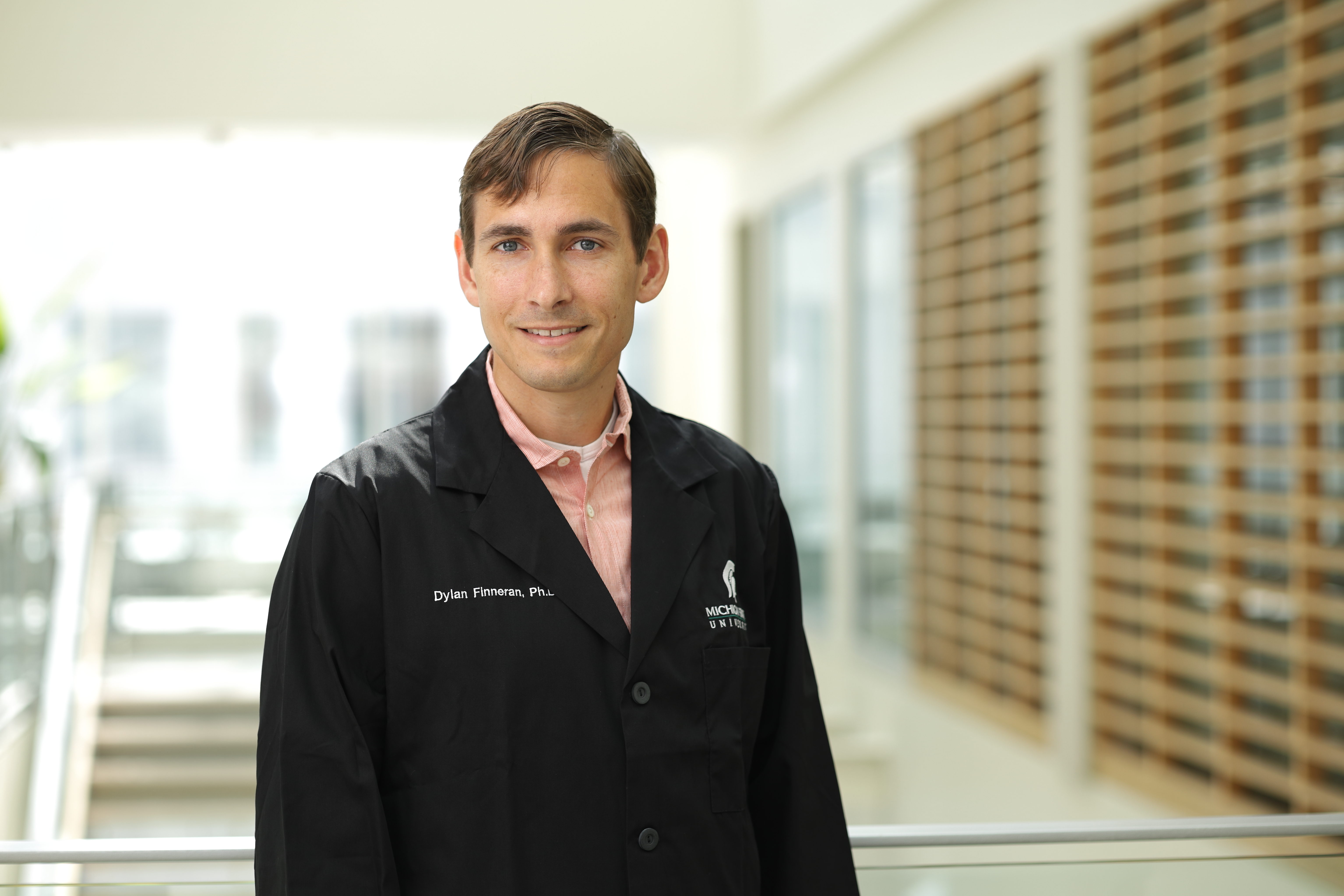
Over-expression of a novel reelin fragment in mouse brain induces transcriptomic changes related to immune regulation
Lunch
Alumni panel
Chair: Brandon Meyerink, Ph.D.
Madalynn Erb, Ph.D.
Denali Therapeutics
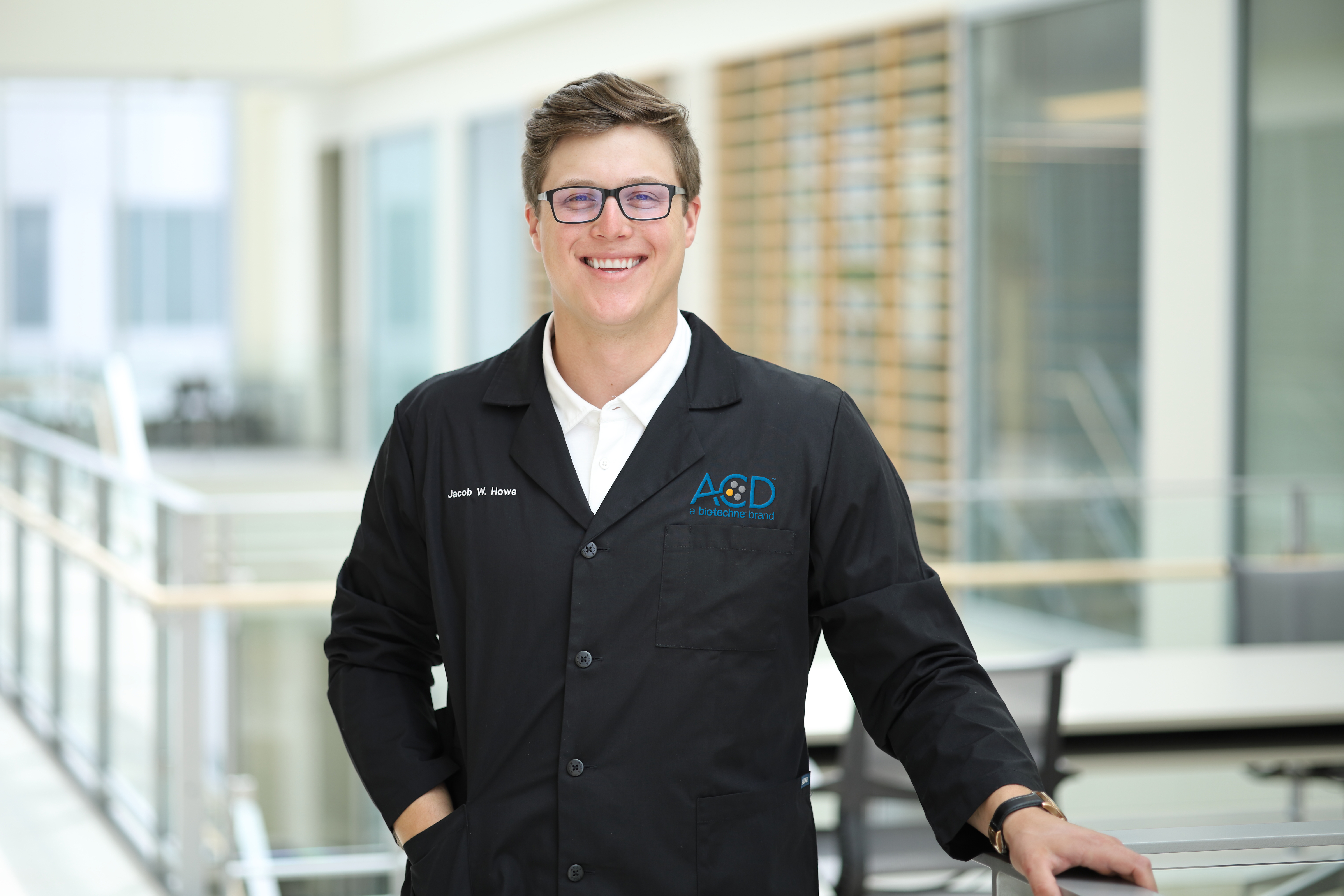
Jacob Howe, Ph.D.
ACD, Bio-Techne
Nicole K. Polinski, Ph.D.
The Michael J. Fox Foundation for Parkinson's Research
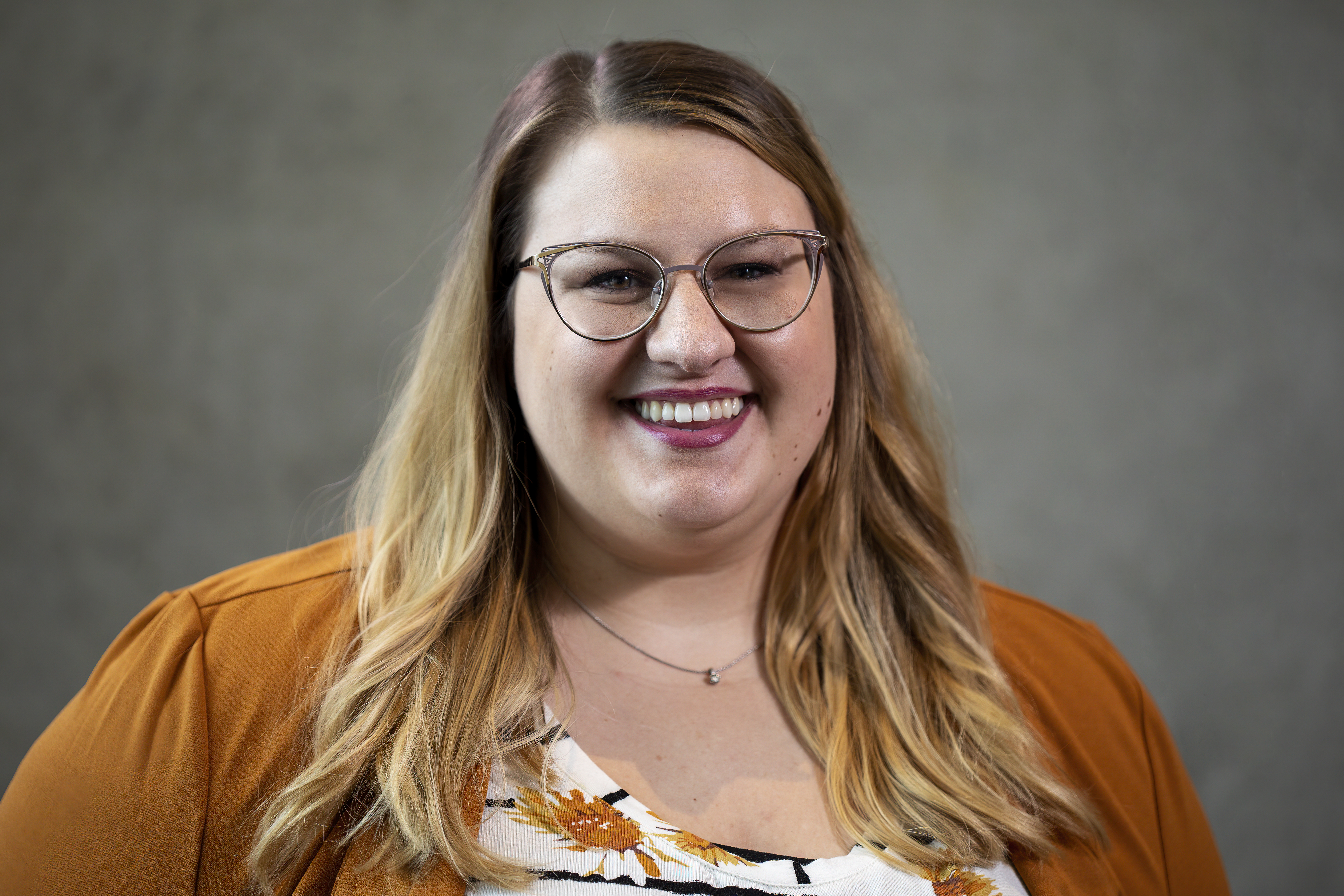
Erin Williams, Ph.D.
Van Andel Institute
Poster session
Closing remarks and award presentation
Networking hour
Scientist, Denali Therapeutics
Madalynn works on the Preclinical Translational Sciences team at Denali Therapeutics, a biotech company is South San Francisco focused on treating neurodegenerative diseases. She received her Ph.D. from Oregon Health and Sciences University in Neuroscience before working as a postdoctoral fellow in Dr Darren Moore’s lab at Van Andel Institute.
Academic Specialist, Michigan State University
Interested in science from a young age, Dylan earned his Ph.D. at the University of South Florida in Kevin Nash’s laboratory studying innate immune activation in Alzheimer’s disease. Dylan moved from Florida to Michigan to continue studying AD as a postdoc in Dave Morgan’s lab. His recent work has focused on mechanisms of resilience and resistance to AD pathology.
Ph.D. Candidate, Michigan State University
Moumita Hore received her B.S. in Biomedical Sciences, with minors in Computer Science and Psychology, from the University at Buffalo in 2020. She entered the Neuroscience Graduate Program at Michigan State University in 2021 as a recipient of the Outstanding Recruited Student Fellowship and joined the laboratories of Dr. Caryl E. Sortwell and Dr. Scott E. Counts in 2022. Her research integrates the TgF344-AD transgenic rat model of Alzheimer’s disease with the alpha-synuclein preformed fibril model of Parkinson’s disease to develop a novel platform for studying co-pathology. She focuses on how interacting pathologies drive neuroinflammatory responses and neurodegeneration, with particular relevance to dementia with Lewy bodies. Outside the lab, Moumita enjoys art, photography, learning about different cultures and spending quality time with friends and family.
Field Application Scientist, ACD, Bio-Techne
Jacob Howe earned a Bachelor of Science in Biomedical Science and Behavioral Neuroscience from Grand Valley State University and a Ph.D. in Neuroscience from Michigan State University, where he trained under the mentorship of Drs. Caryl Sortwell and Joe Patterson. His doctoral research focused on the role of microglia and neuroinflammation in Parkinson’s disease.
Upon completion of his doctoral training, Jacob joined Advanced Cell Diagnostics (ACD) as a Field Application Scientist. In this role, he supports investigators from academic and biopharma institutions with the implementation of RNAscope technologies while contributing scientific and technical expertise across a broad range of biomedical research applications.
Jacob resides just outside Grand Rapids, Michigan, with his wife, Ashley, two daughters, Brooklyn (2) and Ada, (1) and dog, Sampson.
Ph.D. Candidate, Van Andel Institute
Vanessa Howland is a Ph.D. candidate in cellular and molecular biology at Van Andel Institute, where she studies the pathophysiology of Parkinson’s disease-associated TMEM230 variants in the lab of Dr. Darren Moore. Her research uses complementary gain- and loss-of-function approaches in neuronal and rodent models to understand how TMEM230 mutations disrupt cellular function, combining high-content imaging, APEX2 proximity labeling proteomics, and behavioral phenotyping. She earned her B.S. in biology from UC Santa Cruz, where she investigated the neurobehavioral effects of developmental manganese exposure in the lab of Dr. Don Smith.
Postdoctoral fellow, Van Andel Institute
Vera M. Masegosa is a postdoctoral fellow who completed her Ph.D. in Neuroscience in 2023 at the Universitat Autònoma de Barcelona, following earlier training in Biochemistry and Neuroscience at the same institution. She joined the Van Andel Institute in 2024, where she studies the mechanisms driving motor neuron degeneration in amyotrophic lateral sclerosis (ALS) as part of the Zhu Lab.
Her research has focused on ALS, with a particular interest in neuroprotective strategies and disease-relevant pathways. She currently investigates microglial dysfunction in C9orf72-associated ALS, using multidisciplinary approaches to understand how microglial metabolic states influence neuroinflammation and neurodegeneration. Her work contributes to ongoing efforts in the Zhu Lab to uncover disease mechanisms and develop new therapeutic strategies for ALS.
Director of Research Resources, The Michael J. Fox Foundation for Parkinson’s Research
Nicole Polinski has a Ph.D. in Neuroscience from Michigan State University where she studied brain aging, viral vector-mediated gene therapy, and Parkinson’s disease. After receiving her Ph.D., she joined The Michael J. Fox Foundation (MJFF) in 2016 as a data analyst on their Research Tools Program. Today, she serves as the Director of Research Resources in the Translational Research department. This program seeks to improve research rigor and reproducibility by developing and distributing preclinical tools and models that can be accessed by the community and used in Parkinson’s disease research and therapeutic development. As Director, Nicole sets the strategic vision, manages individuals on the team, establishes partnerships with tool manufacturers/repositories, negotiates business/license agreements, and manages multi-institution collaborative grants to develop, characterize, and distribute research tools and models. In addition to this role, Nicole also supports MJFF’s traditional grantmaking activities by managing grants for the biology and biomarkers programs on an as-needed basis.
Ph.D. Candidate, Michigan State University
Lindsey earned her B.S. in Psychology with a minor in Biology from the University of Wisconsin-Eau Claire in 2010. She joined the Neuroscience graduate program at Michigan State University in 2022 and currently conducts her doctoral research under the mentorship of Dr. Marcia Gordon in the Department of Translational Neuroscience. Lindsey’s research investigates how microglial aging and estrogen loss influence Alzheimer’s disease pathology and neuroinflammation in mouse models of amyloid-enhanced tauopathy. Her work integrates molecular, histological and behavioral approaches with AAV gene delivery and pharmacological modulation to identify therapeutic targets and biomarkers of neurodegeneration. She is the recipient of the 2025 Diana Jacobs Kalman/American Federation for Aging Research Scholarship for Research in the Biology of Aging.
Postdoctoral fellow, Van Andel Institute
Dr. Aastha Singh graduated with a Bachelor of Technology degree in Biotechnology from VIT Vellore, India. She earned her master’s and Ph.D. in Neuroscience from University of Helsinki, Finland. During her doctoral training, she focused on Parkinson’s disease, developing expertise in fibril- and toxin-based models. Her dissertation investigated the therapeutic potential of the neurotrophic factor CDNF across multiple experimental models of the disease.
In 2025, she joined the lab of Dr. Michael Henderson at Van Andel Institute as a postdoctoral fellow, where she investigates selective neuronal vulnerability to alpha-synuclein pathology in Parkinson’s disease. Dr. Singh aims to extend her research to evaluate therapeutic strategies that prevent damage to vulnerable neuronal populations and limit disease progression.
Research Program Manager, MiND Program, Van Andel Institute
Dr. Erin Williams is a neuroscientist with expertise in Parkinson’s disease and dementias. She earned her B.A. in biology from Anderson University (Indiana) and her Ph.D. in cellular and molecular biology from Van Andel Institute Graduate School under the mentorship of Dr. Darren Moore. As part of her dissertation research, Dr. Williams characterized a novel interaction between Parkinson’s disease-related proteins VPS35 and parkin.
Following her doctoral work, she served as lab manager of the Moore Lab, where she oversaw day-to-day lab operations, designed and conducted experiments, and trained and mentored graduate students, technicians and interns.
In 2021, she was appointed as the research program manager for VAI’s then-nascent West Michigan Neurodegenerative Diseases (MiND) Program, a collaborative effort to accelerate and support leading-edge neurodegenerative disease research. Since then, MiND has grown into a highly productive initiative that includes the VAI Brain Bank, a first of its kind biobank for neurodegenerative diseases in West Michigan; the NeuroGenomes Project, a Parkinson’s-focused sample collection and biobanking program for blood; an Induced Pluripotent Stem Cell and High-Content Imaging Platform, which comprises technology and expertise to support iPSC research across the Institute; and a pair of funding mechanisms that support promising research projects.
What if I need additional accommodations?
Please contact Allison Baker to discuss any special accommodation needs.
How do I submit my abstract to be considered for an oral presentation?
Graduate students and postdoctoral fellows will have the opportunity to be considered for an oral presentation. Please indicate if you would like to be considered for an oral presentation during the registration process. The deadline to submit an abstract for consideration is March 10.
Code of Conduct Guidelines
We are dedicated to providing a harassment-free, non-discriminatory symposium experience for all participants, regardless of race, color, national origin, religion, sex, age, disability, pregnancy, height, weight, marital status, veteran status, sexual orientation, gender identity, or other personal characteristics covered by applicable law. We will not tolerate harassment of conference participants in any form. We expect participants at our events to engage in constructive and professional discussions at all times. Harassment can include unwelcomed attention, inappropriate comments or jokes that refer to gender differences, sexual topics, requests for dates, or other sexual activities as well as the use of language that may demean or degrade individuals. These behaviors are not appropriate for any of our conference venues, including talks, workshops, networking sessions, poster sessions, social networking platforms, and other online media platforms. Any participant violating these guidelines will be removed from the symposium at the discretion of the conference organizers.
Anyone who has experienced the above, or who has witnessed such behavior, should notify Allison Baker at Anonymous reporting may also be done through the EthicsPoint Hotline.
The poster session is open to all event attendees. Abstract-selected speaker slots are reserved for graduate students and postdoctoral fellows. Please indicate if you would like to be considered for an oral presentation during the registration process.
Submitted abstracts should represent original research. The title should be brief and descriptive, and the body should include rationale, methods and results. Please prepare abstracts using the below template.
Abstract submission
Poster abstracts should be submitted during the registration process.
Questions?
Questions regarding abstract submission, posters or the poster session can be directed to Allison Baker.
Abstract Format
TITLE OF ABSTRACT IN ALL CAPS (STYLE = TITLE)
Presenting Author1,2, Other Author1, and Last Author1,3 (Style = Authors)
1First Dept., Institution, City, State, Country, 2Second Dept., Institution, City, State, Country, and 3Last Dept., Institution, City, State, Country (Style = Affiliations)
Body of abstract should be 300 words or less. Define each abbreviation at first use. Font should be Arial, 11 pt. and text should be single-spaced. Submitted files should be Word documents document (.doc or .docx) with the filename formatted as: lastname_abstract. (Style = Body)
Example
THE ROLE OF A-SYNUCLEIN IN PARKINSON’S DISEASE PATHOLOGY
Jane Smith1 and Joe Jones2
1Department of Neurodegenerative Science, Van Andel Institute, Grand Rapids, MI, United States, and 2 Michigan State University College of Human Medicine, Grand Rapids, MI, United States
The pathological hallmark of Parkinson’s disease (PD) is protein-rich, intraneuronal inclusions known as Lewy bodies and Lewy neurites, which are composed primarily of aggregates of misfolded a-synuclein (a-syn) protein. Recent studies suggest…
Postdoctoral Fellow, Department of Translational Neuroscience
Napissara Boonpraman is a Postdoctoral Fellow in the Sammi Lab in the Department of Translational Neuroscience at Michigan State University College of Human Medicine. She earned her bachelor’s and master’s degrees in Chemical Engineering from King Mongkut’s University of Technology Thonburi, Thailand. She received her Ph.D. in Medical Sciences (Neuroscience) from Soonchunhyang University, South Korea in 2023. Her research focuses on how environmental toxicants, including per- and polyfluoroalkyl substances (PFAS) and organophosphate pesticides, contribute to neurodegenerative diseases such as Alzheimer’s disease and Parkinson’s disease through mechanisms involving mitochondrial dysfunction, oxidative stress and neuroinflammation. She employs human iPSC-derived neurons, blood–brain barrier co-culture systems, rodent models and C. elegans in her studies.
Postdoctoral Fellow, Moore Laboratory
Dr. Brandon Meyerink is a neuroscientist with experience in neurodegenerative and neurodevelopmental diseases. He joined VAI in 2025 as a postdoctoral fellow focusing his research on lysosomal function and the lysosomal protein ATP13A2. His work uses multiple models to examine how this protein affects the function of neurons associated with Parkinson’s disease.
Brandon received his Ph.D. in 2025 from the University of South Dakota. He completed his doctoral research using CRISPR gene editing to model neurodegenerative diseases and explore the role of autophagy in neurons at Sanford Research in Sioux Falls, SD. His broad research interests are aimed at understanding how neurons maintain their function and how (when this goes wrong) this results in neurological disease.
Ph.D. Student, VAI Graduate School
Ben is a dedicated young scientist with experience in Parkinson’s disease, spinal injury and neuroinflammation. During an Erasmus+ traineeship in Germany, he studied the neuroprotective effects of urolithin A (UA) on viral brain infections and found that UA reduces poly I:C-viral mimetic-induced microglial reactivity. He now is a Ph.D. student in the Henderson Lab at Van Andel Institute, where he focuses on understanding how mitochondrial dysfunction contributes to alpha-synuclein aggregation and neuronal vulnerability in Parkinson’s disease, and how that knowledge could be leveraged for future development of disease-modifying therapies.
Ph.D. Candidate, Michigan State University
Marco A. Perez is a Ph.D. candidate in the lab of Dr. Nicholas Kanaan at the Michigan State University Grand Rapids Research Center. Marco’s research focuses on the interaction between tau and protein phosphatase 1 in primary neurons utilizing a variety of protein biochemistry, biophysical, and advanced microscopy techniques. Outside of the lab, Marco enjoys cycling, hiking, spending time with friends and loved ones, and the company of his cat, Pancho.
Event Details
Contact Info:
Email: Allison Baker