2026 Midwest Zebrafish Meeting
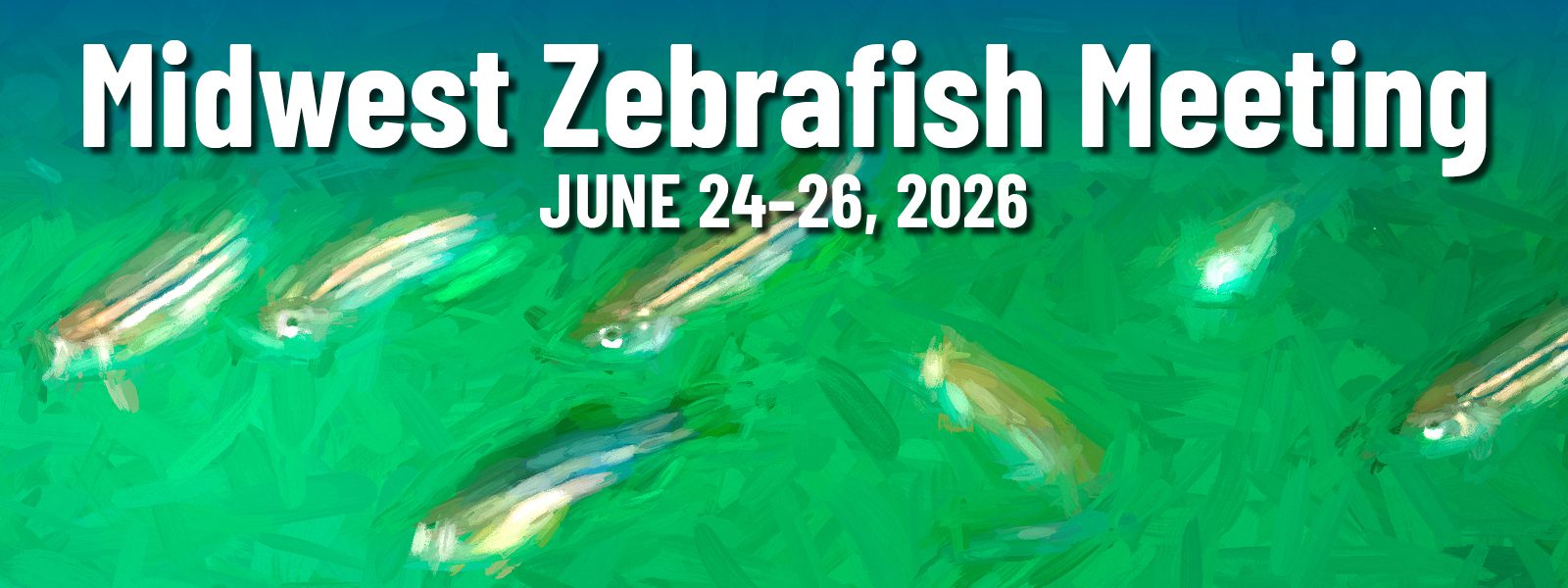
The Midwest Zebrafish Meeting highlights research that employs zebrafish models across a wide range of fields, including developmental biology, cellular biology, cancer, regeneration, genetics, biochemistry, drug development, and more.
With many speaker slots reserved for trainees, the meeting offers an outstanding opportunity for graduate students and postdocs to present their work. The agenda also includes ample networking time to foster connection and collaboration.
Professor, Molecular Biology Department, Princeton University
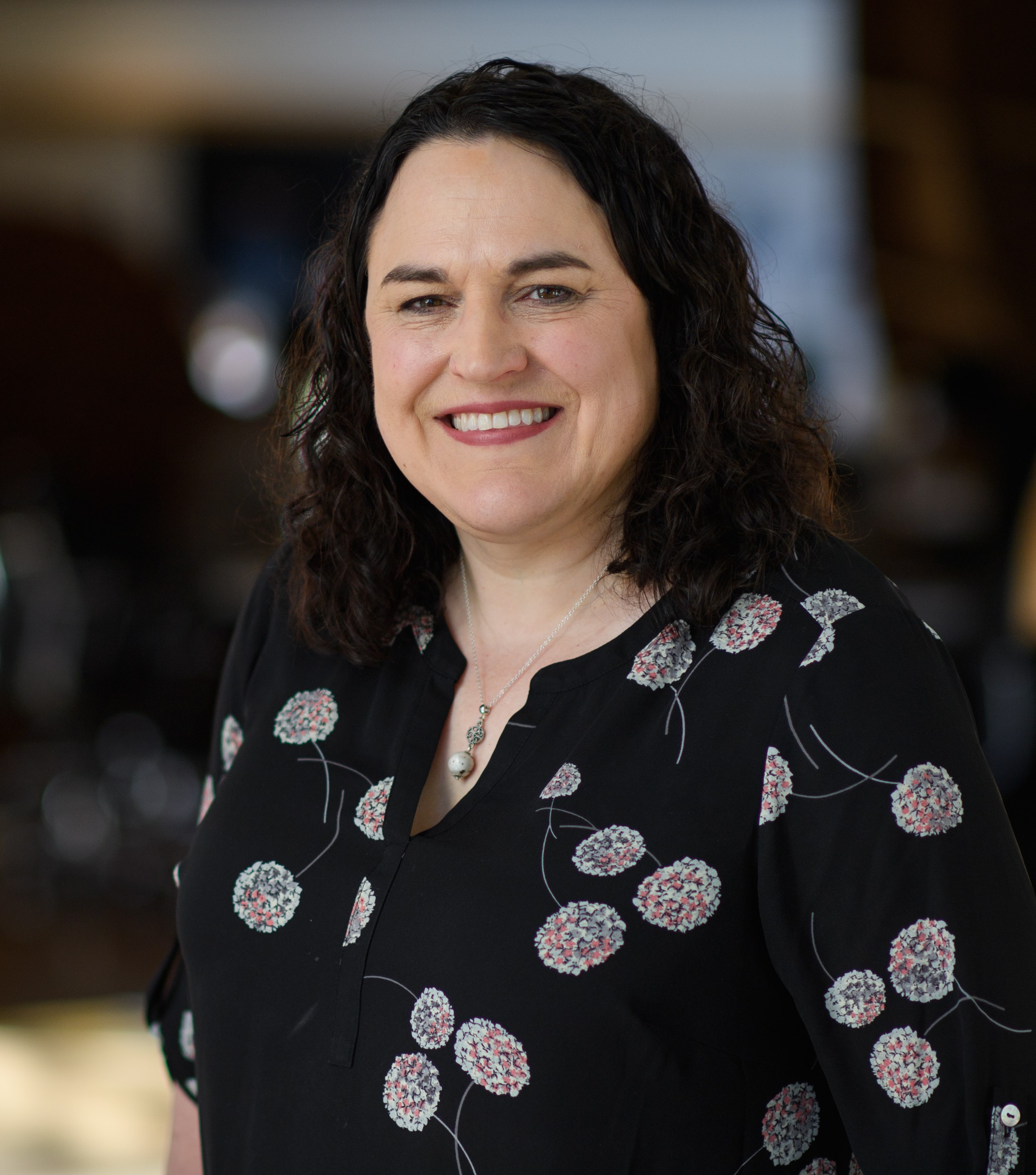
Rebecca Burdine is a full professor in the Department of Molecular Biology at Princeton University. Her lab focuses on understanding the developmental mechanisms that control organ morphogenesis and underlie structural birth defects and rare genetic disorders. Dr. Burdine graduated summa cum laude from Western Kentucky University, majoring in Recombinant Gene Technology with a minor in Chemistry. She received her Ph.D. from Yale University in Cell Biology followed by postdoctoral research at NYU – Skirball Institute for Biomolecular Medicine. She was named the 44th Mallinckrodt Scholar for the Edward Mallinckrodt Jr. Foundation and received a Scientist Development Career Award from the American Heart Association in 2003. She was elected as fellow to the American Association for the Advancement of Science (AAAS) in 2018 and to the Society for Developmental Biology Academy in 2024. She recently served on the Boards of the Genetics Society of America, the International Zebrafish Society and the International Society of Differentiation. She currently serves on the boards for the Society of Developmental Biology and the Coalition for the Life Sciences. Dr. Burdine has a daughter with Angelman Syndrome and serves as the Chair of the Scientific Advisory Committee and on the Board for the Angelman Syndrome Foundation.
Associate Professor, Washington University School of Medicine
Dr. Mayssa Mokalled is an Associate Professor in the Department of Developmental Biology, the Hope Center for Neurological Disorders and the Center of Regenerative Medicine at Washington University School of Medicine in Saint Louis, USA. Dr. Mokalled grew up in Lebanon where she pursued undergraduate studies at the American University of Beirut. She then moved to the U.S. and completed her Ph.D. at UT Southwestern Medical Center in Dallas studying neuromuscular development and regeneration using mouse models. As a postdoc at Duke University, she pioneered studies of spinal cord regeneration in zebrafish. Adult zebrafish possess an elevated regenerative capacity and lack the anti-regenerative complications displayed after mammalian nervous system injuries. The Mokalled Lab leverages repair strategies employed by zebrafish to engineer pro-regenerative cell states in mouse and human models. Dr. Mokalled’s work has been recognized by multiple awards including the first Rising Star Award from the Society of Regenerative Biology and the Junior Faculty Award for Excellence from the Zebrafish Disease Modeling Society.
Wednesday, June 24, 2026
Registration
Opening Remarks
KEYNOTE I
Keynote Introduction
Keynote Lecture
Washington University School of Medicine
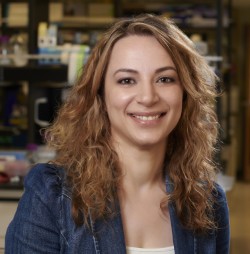
Unlocking regenerative cell states in the injured nervous system
Poster Session I
Thursday, June 25, 2026
SESSION I: Hematopoiesis, Endothelium and Vascular Biology
Co-Chairs: Prince Ameyaw and Amber Stratman, Ph.D.
Shuvra Dutta
Iowa State University
Regulation of hematopoietic stem cell specification and heterogeneity by nod2
Emily Luc
Washington University School of Medicine
Characterizing the role of jak3 in endothelial cells during vascular development
James Preston
Iowa State University
Zebrafish runx1-2a-creert2 CRISPR knock-in lineage tracing of definitive hematopoietic stem cells from embryo to adult
Astha Tuladhar
Iowa State University
Remodeling of collagen4 during development and regeneration of the cardiovascular system in zebrafish
Margarita Parada-Kusz, Ph.D.
Van Andel Institute
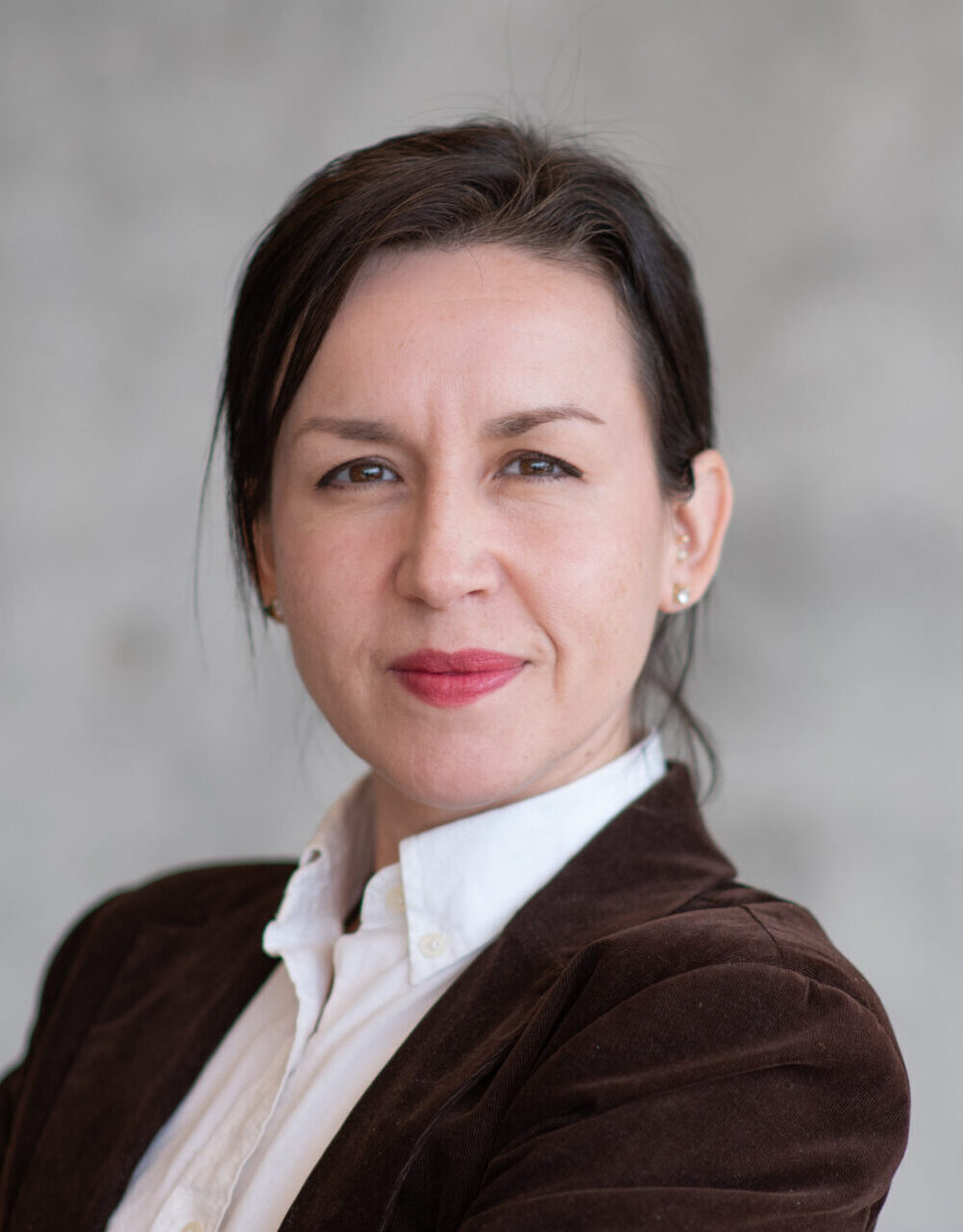
Kainate receptors couple primitive hematopoiesis to HSPC emergence by shaping hemogenic niche organization
Break
SESSION II: Organogenesis, Morphogenesis and Comparative Development
Co-Chairs: Liangliang Sun, Ph.D., and Tiana Tageson
Yann Gibert, Ph.D.
Indiana University School of Medicine
Differential expression of cyp26b1 in the tooth germ controls tooth morphogenesis in fish
Matthew Hawkins
University of Notre Dame
A conserved differentiation-driven model of nephron formation across vertebrate kidney development and regeneration
Sejuti Naurin
University of Kentucky
Chemokine signaling during optic fissure fusion in zebrafish
Aaron Wasserman, Ph.D.
Michigan State University
Cardiomyocyte proliferation in embryonic zebrafish hearts induced by novel small-molecule compounds
Lunch
Poster Session II
SESSION III: Nervous System, Behavior, and Sensory Systems
Co-Chairs: Ethan Castillo and Justin Kenney, Ph.D.
Hilda Jurkiewicz
Medical College of Wisconsin
Cholesterol and axonal degeneration in adult zebrafish visual system, a role in mediating axonal regeneration?
Jamily Lorena
Michigan State University
Whole genome duplication impacts the evolution of the zebrafish brain
Kyler Mitra
The University of Texas at Austin
Heteroplasmy-dependent sensorineural hearing impairment associated with diverse mitochondrial gene variants in danio rerio
Cindy Ren
Tabor Academy
“Behaviosync”: matricaria chamomilla extract attenuates depressive-like behaviors and neurocognitive impairment in zebrafish via neuroinflammatory modulation
Yunlu Zhu, Ph.D.
University of Michigan
Transformation of postural and contextual signals determines locomotion strategies and timing
Break
SESSION IV: Disease Models, Metabolism and Therapeutic Discovery
Co-Chairs: Carrie Gregg and Chuck Williams, Ph.D.
McKenna Feltes, Ph.D.
John Hopkins University/Western Michigan University
Genetic screen identifies novel regulators of ApoB lipoproteins
Amber Ide, Ph.D.
Van Andel Institute
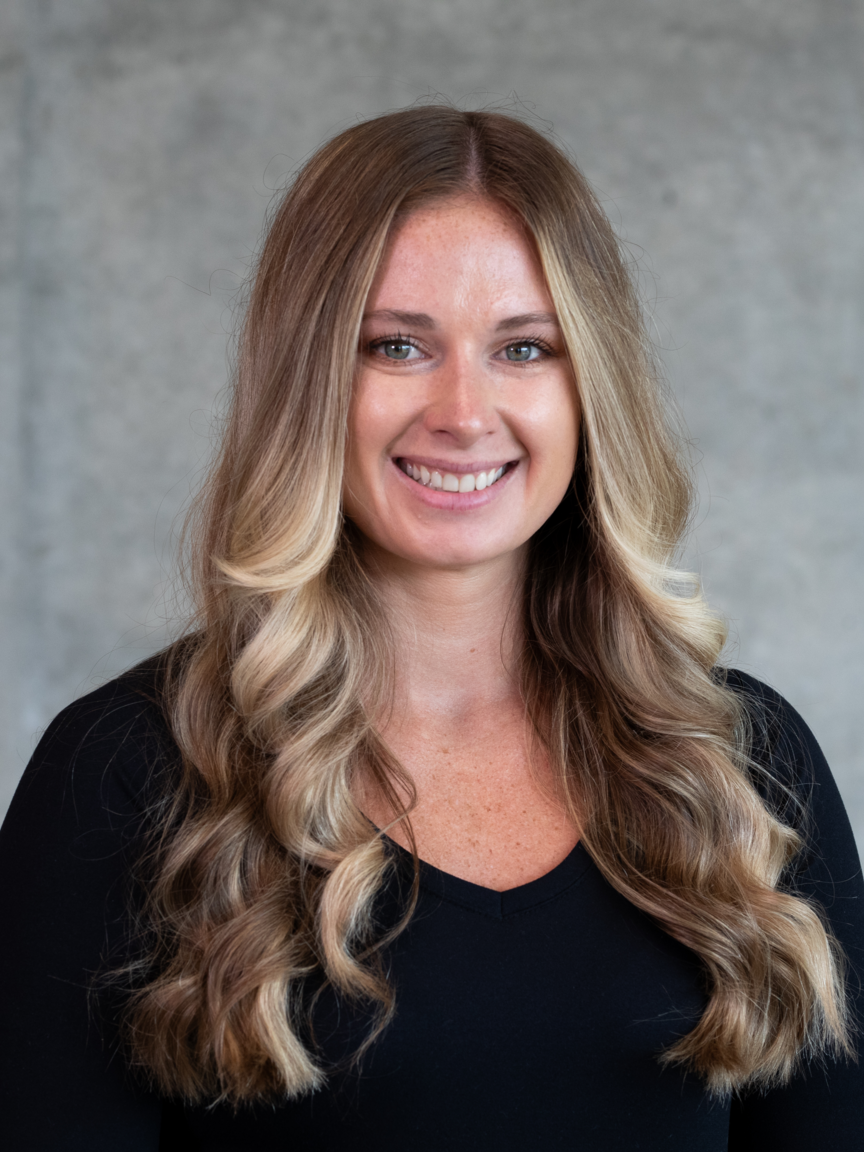
Temporal control of zebrafish kmt2a-af9 reveals stage-specific leukemogenic outcomes
Saniha Sabu, Ph.D.
Mayo Clinic
Proteomic, glycoproteomic and lipidomic investigation of congenital disorder of glycosylation associated with dpagt1 gene using zebrafish models
Henry Stalnaker
University of Toledo
Zebrafish screens to identify novel opioid reversal agents
Lindsay Weingart
National Human Genome Research Institute
Genomic interruption of the de novo purine synthesis suggests a critical role for adenylosuccinate lyase in zebrafish development
Friday, June 26, 2026
KEYNOTE II
Keynote Introduction
Keynote Speaker II
Princeton University
What’s right? What’s left? Transcriptomic insights into left-right patterning
SESSION V: Regeneration and Tissue Repair
Co-Chairs: Leah Campbell, Ph.D., and Mikiko Nagashima, Ph.D.
Siyang Cao
University of Wisconsin–Madison
Highly regenerative tuft-like spike cells regulate resident macrophage population in zebrafish fin epidermis
Olaleye Olajuyin
University of Maine
Cxcl11 and neutrophil signaling drive fgf- and wnt-mediated kidney regeneration in adult zebrafish
Diana Cervera
University of Notre Dame
Investigating immune cell death after spinal cord injury in adult zebrafish
Miguel Dominguez
Washington University in St. Louis
Unraveling astrocyte reactivity during spinal cord repair
Lara Rappaport Da Costa Santos
University of Michigan
Characterizing Müller glia-derived regenerated neurons in the adult zebrafish retina
Poster Contest Winners
Closing Remarks
Poster abstracts may be submitted during registration. For questions or to be added to our email list, please contact Courtney Zirkle.
Eligibility
Students, postdoctoral fellows, faculty and research staff are welcome to submit an abstract. If the number of submitted poster abstracts exceeds the space, the organizers will select the abstracts that are most relevant to the conference theme.
Abstract format
Submitted abstracts should represent original research. The title should be brief and descriptive, and the body should include rationale, methods and results. Please prepare abstracts using the below template.
Abstract submission
Poster abstracts will be accepted through May 1, 2026.
Questions?
Questions regarding abstract submission, posters or the poster session can be directed to Courtney Zirkle.
TITLE OF ABSTRACT IN ALL CAPS (STYLE = TITLE)
Presenting Author1,2, Other Author1, and Last Author1,3(Style = Authors)
1First Dept., Institution, City, State, Country, 2Second Dept., Institution, City, State, Country, and 3Last Dept., Institution, City, State, Country (Style = Affiliations)
Body of abstract using 300 words or less. Define each abbreviation at first use. All fonts should be Arial, 11 pt. and text should be single spaced. Once you have filled in this template, choose File>Save As and save your file as a Word document (.doc or .docx) with the filename lastname_abstract. (Style = Body)
EXAMPLE
WNT AND β-CATENIN SIGNALING IN HEMATOPOIETIC STEM CELL DEVELOPMENT
Stephanie Grainger1
1Department of Cell Biology, Van Andel Institute, Grand Rapids, MI, United States
Wnt activation is required for hematopoietic stem cell development in zebrafish…
Thank you to our incredible 2026 sponsors!
Assistant Professor, Van Andel Institute
Stem cells give rise to every cell type in the human body and play important roles in health and disease. Dr. Stephanie Grainger seeks to understand how these special cells develop, how they are maintained and how they can become cancerous, with the goal of developing new strategies for combating cancer.
Postdoctoral Fellow, Grainger Laboratory, Van Andel Institute
Staff Scientist, Van Andel Institute
Looking for accommodations? Here are some close suggestions:
Hyatt Place Grand Rapids Downtown:
140 Ottawa Ave, Grand Rapids
Visit website
Event Details
Contact Info:
Email: Courtney Zirkle
Thanks to our wonderful sponsors!
Gold Sponsors