
Van Andel Institute welcomes cell signaling expert Dr. Stephanie Grainger to its faculty
August 4, 2021
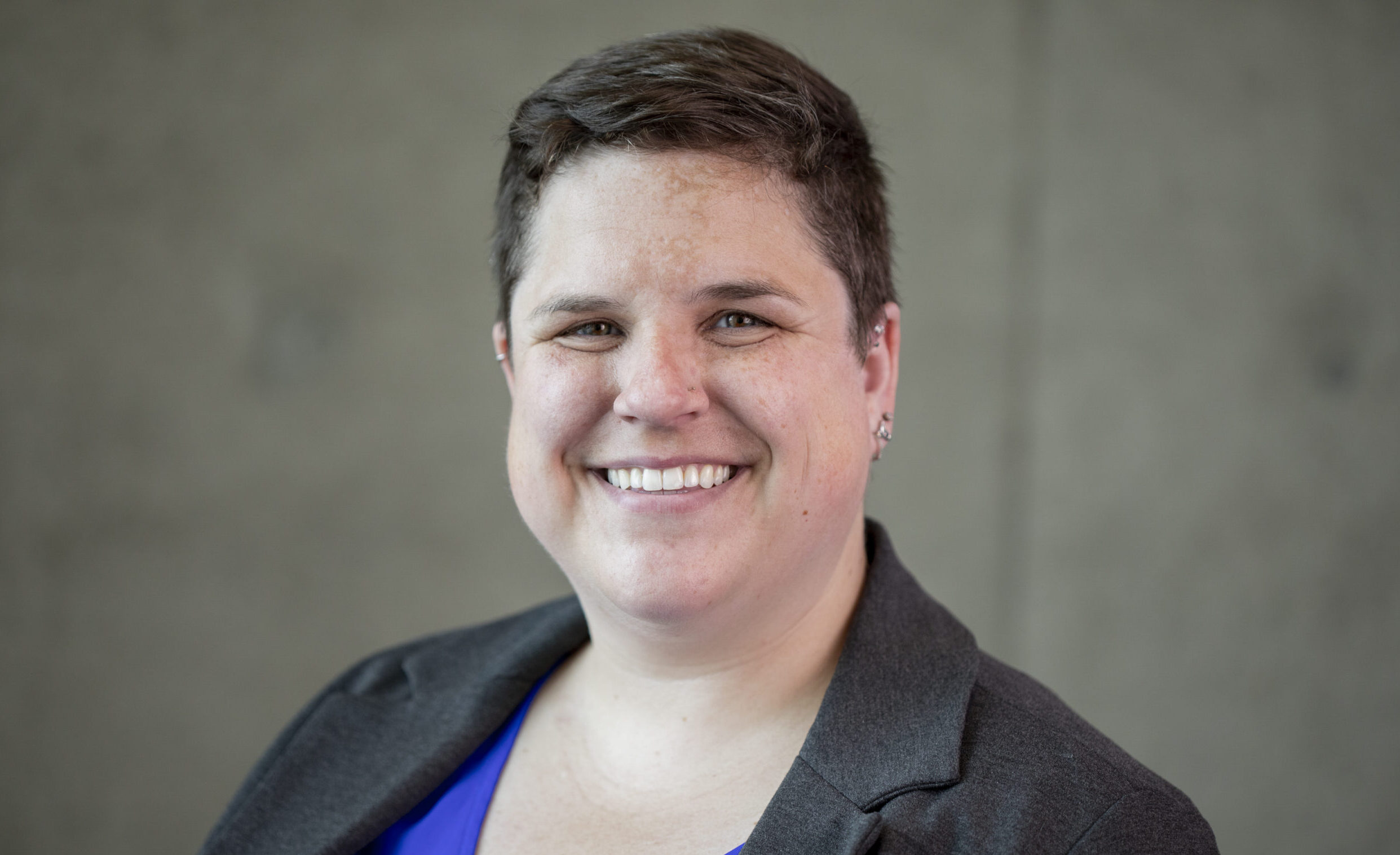
GRAND RAPIDS, Mich. (Aug. 5, 2021) — Stephanie Grainger, Ph.D., hopes to uncover the secrets of stem cells and their role in cancer, and she’s investigating specific type of cellular communication to do it.
Grainger joined Van Andel Institute this week as an assistant professor in the Department of Cell Biology. She previously served as an assistant professor at San Diego State University.
At VAI, Grainger and her team will investigate how stem cells are made, how they are maintained and — when things go wrong — how they can become cancerous. Understanding these complex processes holds great promise for better understanding health and developing new treatments for cancer and other diseases.
“Traditional cancer therapies do not target the rare cells that initiate cancer growth, and instead take a brute force approach of killing any cells that are growing. This includes the cells in your intestine, skin and hair, and is why chemotherapy causes side effects like an upset stomach and hair loss. These rare cells, which behave similarly to a specialized group of cells in our bodies called stem cells, are often able to regrow tumors once therapy is withdrawn,” Grainger said. “One of the main goals of my research group at VAI is to figure out how these rare cells talk to each other in normal and cancerous conditions. Once we figure that out, we can more effectively kill off these cells that initiate cancer.”
If the human body is an ongoing construction project, then stem cells are its all-purpose building materials. These biological “blank slates” give rise to all the specialized cell types needed to assemble and power the human body, from skin cells to heart cells and everything in between. They also help maintain the body throughout life by replacing dead cells and rejuvenating damaged tissues.
Grainger is particularly interested in a cellular communication channel called Wnt (pronounced “Wint”) that is central to a host of normal processes, such as embryonic development and tissue regeneration. The Wnt pathway also is a well-known player in cancer and bone diseases, as well as other disorders.
“Dr. Grainger is at the cutting-edge of stem cell biology. Her research already has illuminated critical new facets of the Wnt pathway that had not previously been described,” said VAI Professor Bart Williams, Ph.D., a member of the recruitment committee and internationally recognized Wnt expert. “She is an outstanding scientist and a fantastic addition to our team. We are excited she chose VAI as her new scientific home.”
Grainger is the second faculty member to join VAI in 2021. Her recruitment is part of an ongoing strategic initiative to expand and bolster VAI’s research programs.