
Decreasing inflammation after a heart attack may reduce damage
October 9, 2019
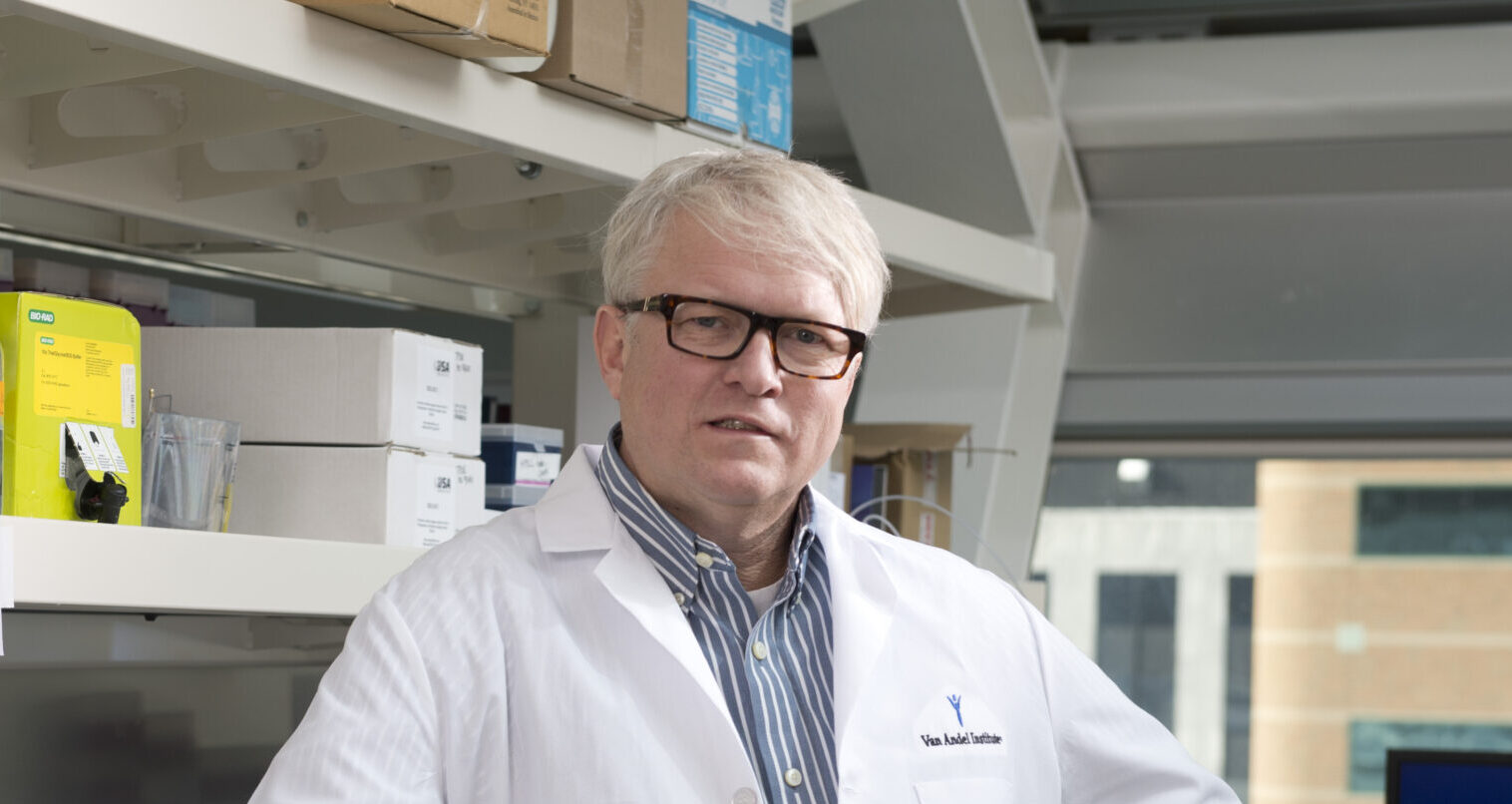
GRAND RAPIDS, Mich. (Oct. 10, 2019) — Blocking an inflammatory protein after a heart attack may reduce damage and mitigate the risk of future heart failure, according to research by a collaborative team of scientists from the U.S., Sweden and Romania.
“These findings are a major breakthrough in understanding heart attack-related inflammation and help lay the groundwork for developing ways to regenerate damaged heart tissue,” said Stefan Jovinge, M.D., Ph.D., study co-author and director of the DeVos Cardiovascular Research Program at Van Andel Institute and Spectrum Health. “As a scientist and a critical care cardiologist, I have seen time and time again the aftermath of heart attacks. New treatments are needed to help survivors live longer, healthier lives.”
Every 40 seconds, someone in the U.S. suffers a heart attack, which equals about 790,000 people each year. Heart attacks occur when a blood clot or other blockage cuts off blood flow to part of the heart, depriving it of needed oxygen and leading to damage and inflammation.
Currently, there are no treatments that target heart attack-related inflammation or that repair heart damage once it is done. Development of such therapies would be transformative for people with severe heart impairments, who have few non-surgical options.
The study, published in the European Heart Journal, was led by Jovinge in collaboration with Alexandru Schiopu, M.D., Ph.D., an associate professor at Lund University and a cardiologist at Skåne University Hospital in Sweden, and Goran Marinkovic, Ph.D., a senior research scientist also at Lund University.
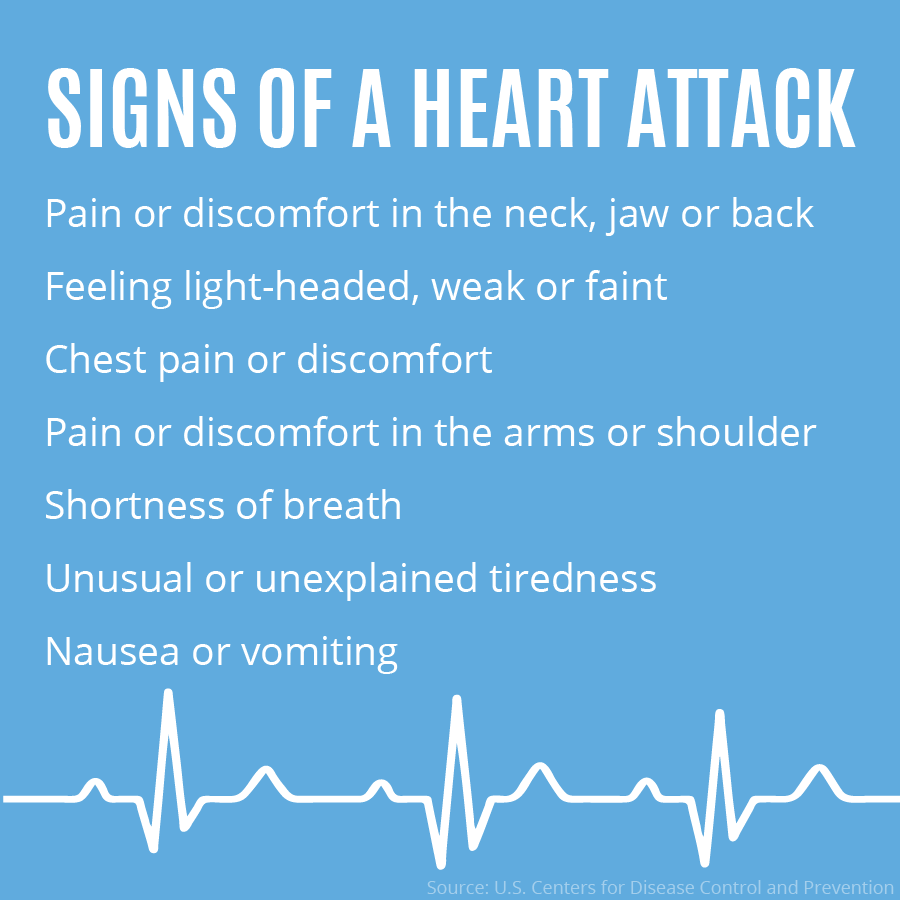 The findings center on a protein called S100A8/A9, which triggers inflammation during a heart attack. In a study of 524 patients with acute coronary syndrome — an umbrella term for loss of blood supply to the heart muscle— the team found elevated levels of S100A8/A9 after heart attack. The protein also is associated with increased risk for future heart failure.
They also demonstrated in pre-clinical models of heart attack that an experimental compound effectively blocked the protein, reducing inflammation and subsequent cardiac damage.
Additional research is underway to better understand the mechanisms that allow the compound to effectively block S100A8/A9 and to determine the appropriate dose and length of treatment necessary for successful treatment.
In addition to Jovinge and Schiopu, authors include Lukas Tomas, Isabel Goncalves and Jan Nilsson of Lund University; Helena Grauen Larsen and Troels Yndigegn of Skåne University Hospital; Lisa de Camp and Matthew Weiland of Van Andel Institute; and Istvan Adorjan Szabo and Razvan Gheorghita Mares of University of Medicine and Pharmacy of Târgu Mureș.