


Bold ideas. Big Impact.
Van Andel Institute began with a vision: improve human health through biomedical research and science education. We do more than dream about it, we strive to make it a reality every day.

ABOUT VAI
Van Andel Institute engages the world’s brightest minds and advances the boldest ideas in pursuit of the biggest breakthroughs for humanity.
Learn moreLatest from Vai
Learn More

Van Andel Institute to recognize eminent Parkinson’s disease scientist Dr. Anders Björklund with 2024 Jay Van Andel Award
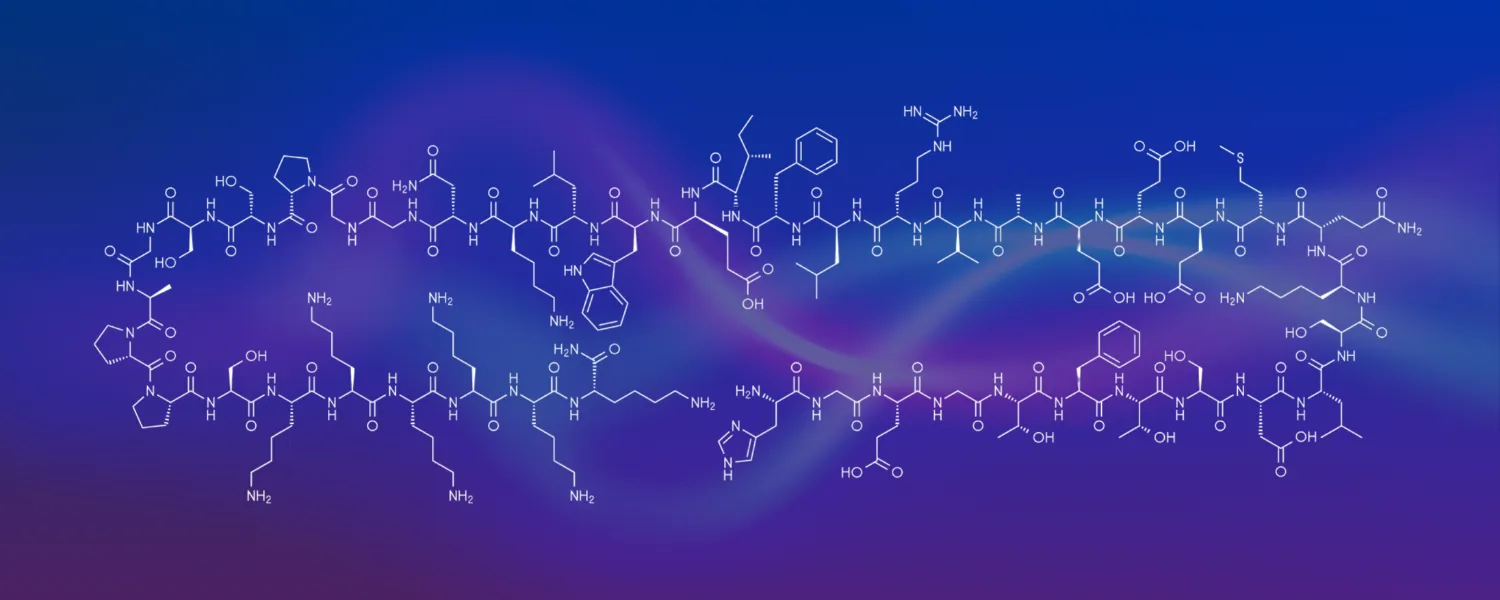
Phase 2 clinical trial of Type 2 diabetes drug for treatment of Parkinson’s shows positive and promising results

Exploring the relationship between nutrition and cancer
RESEARCH, EDUCATE, INSPIRE
Every day, we collaborate at the forefront of fundamental and translational science in pursuit of breakthrough treatment strategies for cancer, Parkinson’s and other diseases.
We believe that hope for tomorrow lives in the students of today. Our Graduate School offers a rigorous research-intensive Ph.D. program that develops leaders in molecular and cellular biology. Our inquiry-based approaches for K–12 education help create classrooms where curiosity, creativity and critical thinking thrive.

Research
How do you arrive at revolutionary treatments and breakthroughs? By unleashing a global coalition of brilliant scientific minds, fostering an entrepreneurial, collaborative process — and doing a world of good.
Graduate School
Van Andel Institute Graduate School develops scientists to be tomorrow’s biomedical research leaders through an intense, problem-focused Ph.D. degree in molecular and cell biology.


K-12 Education
We create classrooms where curiosity, creativity and critical thinking thrive.

Our People
How do we move closer each day to improving health and enhancing lives? By bringing together hard-working scientists, educators, staff and students and providing the resources and support necessary for them to succeed.
Learn More
Donor Stories
Each of our dedicated supporters has a story for why they give: a mother diagnosed with breast cancer, a brother living with Parkinson’s, a lifelong passion for educating children, or something else entirely. We are honored to share them all.
Learn More
Our Impact
We're raising thousands to save millions
We’re turning hope into action for the millions of people around the world affected by diseases like cancer and Parkinson’s. Find out how you can help us make a difference.
- 121 peer-reviewed papers published in 2023
- 62 peer-reviewed papers published in high-impact journals in 2023
- 55 clinical trials launched to date